Like
Share
멍실장
고양이 3-7세 종합 케어 가이드

Comprehensive Care Guide for Cats Aged 3–7

ImmunityPreventionMeongsiljang Veterinary Advisory Board

We’ve put together everything you need to know about health checkups, weight management, dental care, and vaccinations for adult cats aged 3 to 7. Proper care during this stage will determine their health in their senior years.

What Kind of Stage Is the 3–7 Year Adult Cat Period?

A five-year-old adult cat sitting comfortably by the window
Cats aged 3 to 7 years are in their "prime adult" stage, where physical growth is complete and signs of disease begin to accumulate gradually. The most important step during this period is to start annual health check-ups. Although they may appear to be at their healthiest, issues such as obesity, dental problems, and kidney disease can quietly develop. Establishing good care habits now can significantly improve their healthspan in their senior years (after age 11).

Essential Checks Before Starting Care

Before starting adult cat care, be sure to know your pet's "baseline." Record their usual weight, food intake, water consumption, and urination frequency for about two weeks. This will help you quickly detect any abnormalities when subtle changes occur. In particular, water intake and urine output are the earliest signs of kidney and diabetes-related conditions.

Key Items to Check in the Annual Health Checkup
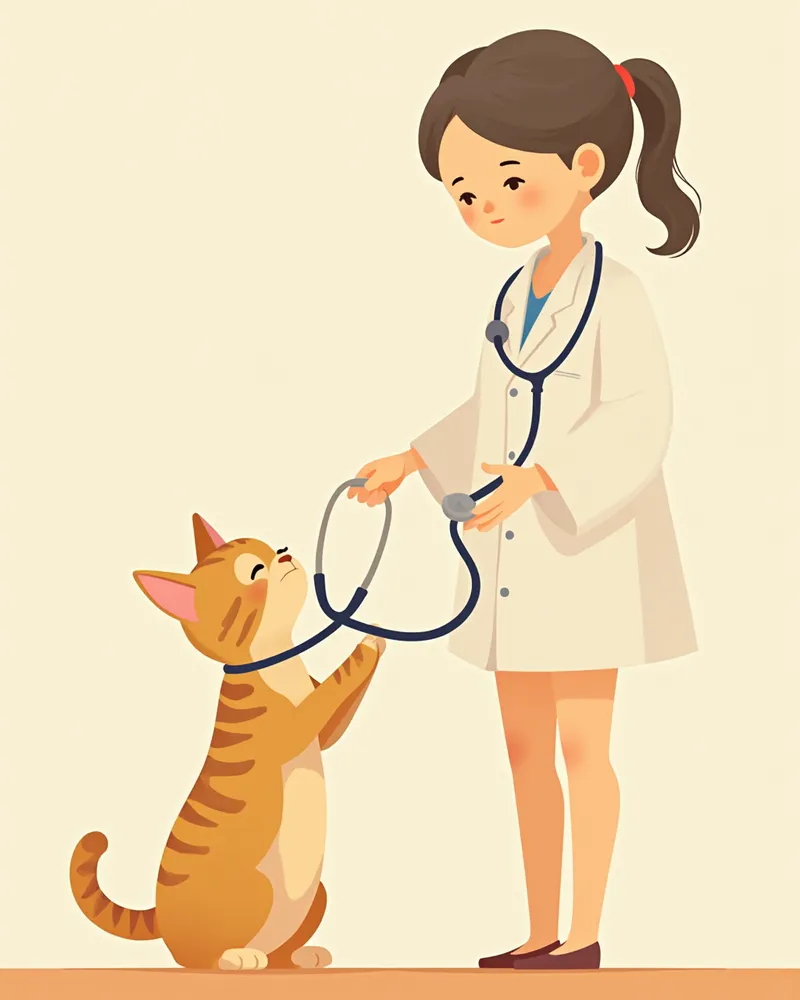
Health checkups for adult cats are all about early detection. A basic physical exam alone isn't enough.
Blood tests (CBC and biochemistry): To assess kidney and liver function, and check for anemia.
Urinalysis: To screen for early-stage kidney disease, urinary tract infections, and diabetes.
Thyroid (T4) test: Recommended for cats aged 7 and older to identify causes of weight changes.
Blood pressure measurement: Hypertension often accompanies kidney and thyroid diseases, and can damage the heart, eyes, and kidneys.
Dental examination: Periodontal disease is common in adult cats and can lead to oral pain and decreased appetite (pseudo-anorexia).
Even if no abnormalities are found, accumulating annual data helps establish your cat's individual baseline values.
A veterinarian auscultating a senior cat at an animal hospital

Comparison of Checkup Items by Age (3–7 Years)

Item3-4 years5-6 yearsAround 7 years
Basic physical examTrueTrueTrue
Blood and urine testsOnce a yearOnce a yearOnce a year (twice if needed)
Thyroid (T4)OptionalRecommendedRequired
Blood pressure measurementOptionalRecommendedRequired
Dental scalingAs neededOnce every 2-3 yearsOnce a year depending on condition
Weight management checkOnce a quarterOnce a quarterOnce a quarter

May be adjusted according to the veterinarian's clinical findings.

Weight and Dietary Management — Obesity Rates Are Highest in Adult Cats

Obesity is a very common issue in adult cats. Spaying or neutering is a major contributing factor, as it often leads to reduced activity levels, hormonal changes that disrupt appetite regulation, and a lower caloric requirement, yet many owners continue to feed the same amount. The goal is to maintain a Body Condition Score (BCS) of 5/9. When viewed from above, there should be a slight inward curve at the waist, and from the side, the abdomen should tuck up slightly above the chest. The ribs should be easily felt with your hand but not visibly prominent. Switch to food formulated for adult or indoor cats, and measure the daily portion accurately using a measuring cup.
An adult cat being weighed at home

Dental Care and Vaccination Schedule

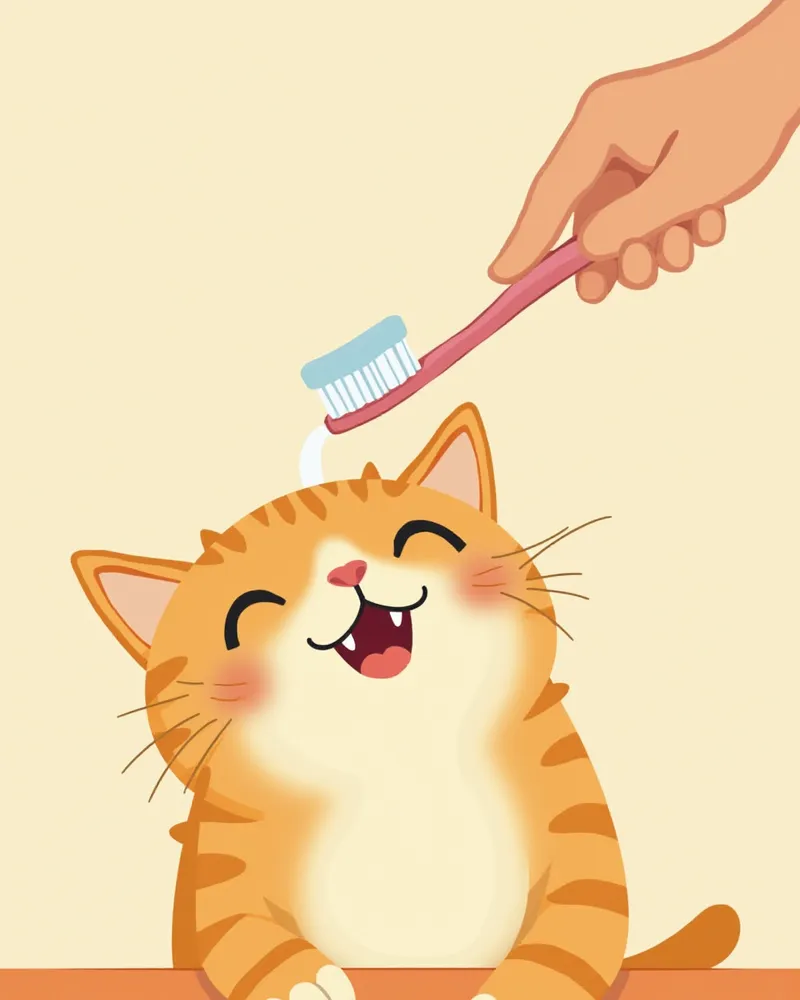
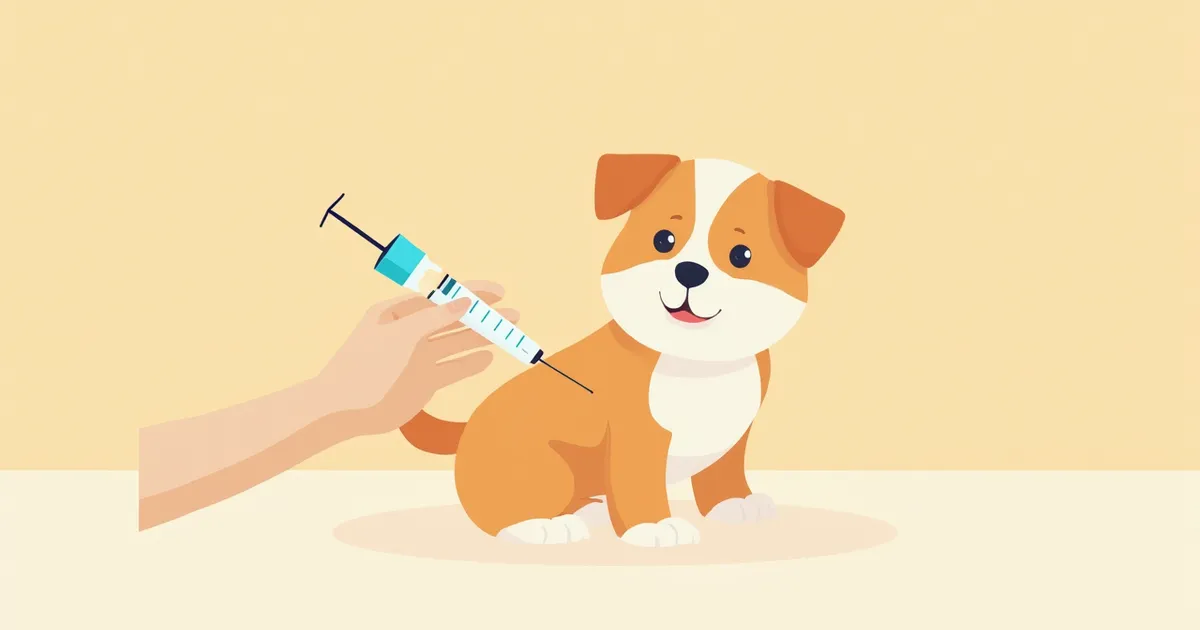
Periodontal disease is very common in adult cats and can lead to oral pain and decreased appetite (pseudo-anorexia). The most effective prevention is daily or every-other-day brushing with a cat-specific toothbrush. If brushing is difficult, supplement with dental chews, dental diets, or oral gels, and consider professional scaling under general anesthesia every two to three years. For vaccinations, administer the core FVRCP vaccine every three years and the rabies vaccine every one to three years, depending on local regulations. Cats that go outdoors or live in multi-cat households are also recommended to receive the feline leukemia virus (FeLV) vaccine. For strictly indoor cats that do not go outside, consult your veterinarian to adjust the vaccination schedule to a customized plan.
A caregiver gently brushing an adult cat’s teeth.

Three Major Adult Cat Diseases to Detect Early
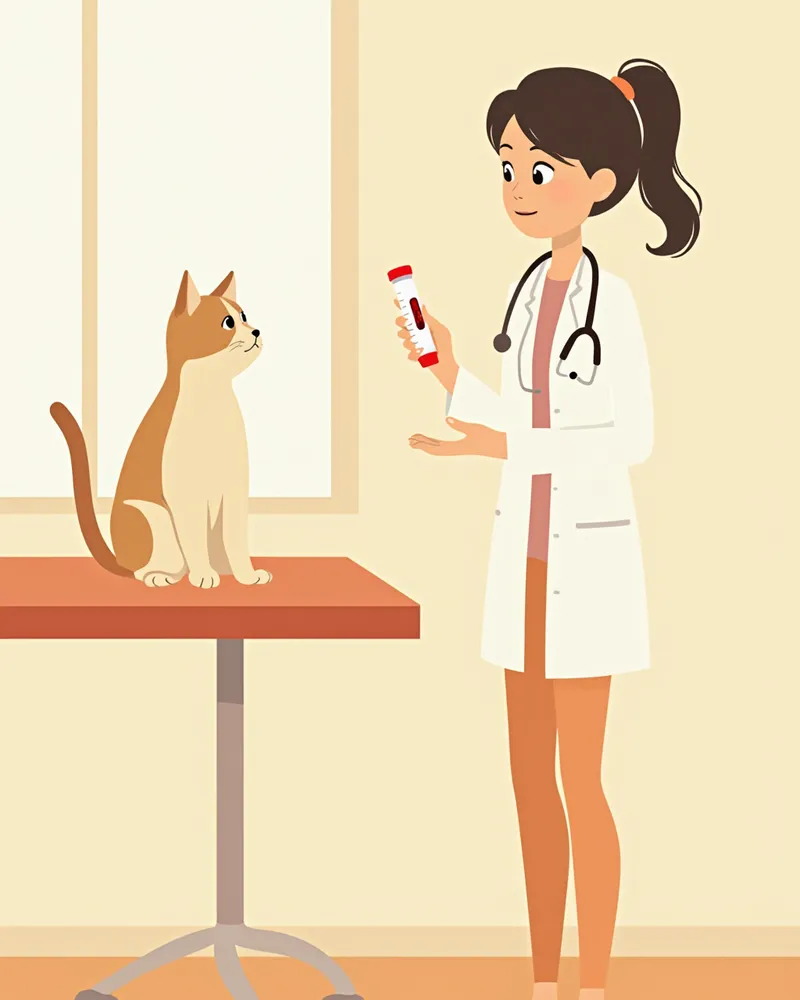
These conditions most commonly begin in adult cats aged 3 to 7 years. Chronic Kidney Disease (CKD): Increased water intake, increased urine output, and weight loss are early warning signs. Early diagnosis is possible through urine specific gravity and SDMA levels. Diabetes: The risk is higher in overweight cats, and characteristic symptoms include excessive thirst, excessive urination, increased appetite, and weight loss. Hyperthyroidism: Incidence increases around the age of 7. Signs include weight loss despite eating, hyperactivity, and vomiting. By the time symptoms of these diseases become obvious, the condition is often already quite advanced. Therefore, annual blood and urine tests are the most reliable form of prevention.
A veterinarian examining a blood test sample from an adult cat

Precautions by Breed and Situation

Brachycephalic breeds like Persians and Himalayans are prone to respiratory and dental structural issues, so they require more frequent dental check-ups. Large breeds such as Maine Coons and Ragdolls are at risk for hypertrophic cardiomyopathy (HCM), so an echocardiogram is recommended after age 5 or 6. Cats with outdoor access face a higher risk of external parasites and infectious diseases, so monthly deworming and maintaining feline leukemia virus vaccinations are essential.

Reviewed by a veterinarian

Dr. Tony — Punnawat Phongkittirak

Dr. Tony — Punnawat Phongkittirak

Veterinarian

A veterinarian who majored in veterinary medicine at Khon Kaen University, Thailand, and completed the IVSA program at North Carolina State University in the United States. Drawing on clinical experience at animal hospitals, he works in the pet healthcare field and is dedicated to building a digital care environment that connects pet parents with veterinarians.

Frequently Asked Questions

When should you switch your cat’s food between the ages of 3 and 7?
Typically, you should switch to adult cat food after your cat turns one year old. After age three, adjust the diet to either "indoor cat" or "weight management" formulas based on whether your cat is spayed or neutered and their body weight. As your cat approaches seven years of age, consult with your veterinarian to determine the appropriate time to transition to senior cat food.
If I keep my pet indoors, is a health check-up really necessary?
Yes, it’s absolutely necessary. While indoor cats face a lower risk of infectious diseases, they are just as susceptible to chronic conditions such as obesity, periodontal disease, and kidney disease. Even if your cat shows no symptoms, annual blood and urine tests are essential to monitor changes in their health markers and enable early detection.
Do neutered cats gain weight quickly?
That's right. After neutering, your pet's activity level tends to decrease and their caloric needs drop. Additionally, hormonal changes can disrupt their appetite regulation, making it easy to gain weight if you continue feeding them the same amount. Please adjust their portion size immediately after the procedure and monitor their weight every three months.
Does dental scaling always require general anesthesia?
Yes, general anesthesia is essential for a thorough cleaning below the gumline. "Non-anesthetic scaling" only cleans the surface and may cause periodontal disease to go undetected. By conducting pre-anesthetic blood tests to ensure safety, the risks can be significantly reduced.
My pet doesn’t drink much water. Is that okay?
Cats naturally drink less water than many other animals, but supporting their kidney health is crucial. Feeding wet food alongside dry kibble, placing multiple water bowls around the home, and using a fountain-style water dispenser can all help encourage hydration. If you notice a sudden, significant increase or decrease in your cat’s daily water intake, seek veterinary care immediately.

Share

Related Guides

References

[1] Little, S.E., The Cat: Clinical Medicine and Management, Elsevier, 2012

[2] Ettinger, S.J., Textbook of Veterinary Internal Medicine, 8th Ed, Elsevier, 2017

[3] AAFP Feline Life Stage Guidelines, Journal of Feline Medicine and Surgery, 2021

[4] Applied Veterinary Clinical Nutrition, 2nd Ed, Wiley-Blackwell

This information is based on veterinary literature and does not replace diagnosis or treatment. Please consult a veterinarian for specific health concerns.

Metapet Co., Ltd. | CEO: Park Sung-yong | Business Reg. No. 417-88-02562 | Seoul, South Korea | Customer Center

Cat Care Guide for Ages 3–7: Checkups, Weight & Vaccines | Meongsiljang