
If Your Cat Is Aging Too — Key Care for Senior Cat Kidneys, Joints, and Teeth
We’ve put together a health care checklist and prevention strategies for cats aged 7 and older. We’ll guide you step by step through check-up schedules, nutrition and environmental management, and ways to prevent common diseases.
What Is Senior Cat Health Care? Why Prevention Is Key
Be Sure to Check These Before Starting Senior Care
Before starting any management program, it’s important to first check for underlying conditions. Senior cats may already have changes in kidney function, heart function, or thyroid levels, so changing their diet or supplements without basic blood and urine tests could worsen their condition. Establishing baseline values during the first senior checkup allows for quicker detection of subtle changes in the future.
Senior Cat Health Check-up Schedule — Recommended Schedule by Age
Senior Cat Nutrition Management — Protein and Hydration Are Key

Environmental and Exercise Management — Caring for Joints and Cognitive Function
Major Diseases in Senior Cats — Symptoms, Tests, and Management at a Glance
| Item | Main symptoms | Recommended tests | Management method |
|---|---|---|---|
| Chronic kidney disease | Increased water intake/urination, decreased appetite, weight loss | Blood test (BUN/Cr), urinalysis | Low-phosphorus diet, fluid supplementation, regular check-ups |
| Hyperthyroidism | Weight loss despite increased appetite, hyperactivity, vomiting | T4 blood test, blood pressure measurement | Medication or radioactive iodine |
| Diabetes mellitus | Drinking a lot of water, excessive urination, lethargy | Fasting blood glucose, fructosamine test | Insulin administration, dietary control |
| Hypertension | Eye redness, sudden vision loss, lethargy | Blood pressure measurement, cardiac ultrasound | Antihypertensive medication, treatment of underlying disease |
| Arthritis | Avoiding jumping, changes in gait, litter box soiling | Radiography, pain assessment | Joint supplements, environmental improvement, pain management |
This table is for reference only. Leave accurate diagnosis and treatment to your attending veterinarian.
Daily Home Health Routine for Senior Cats
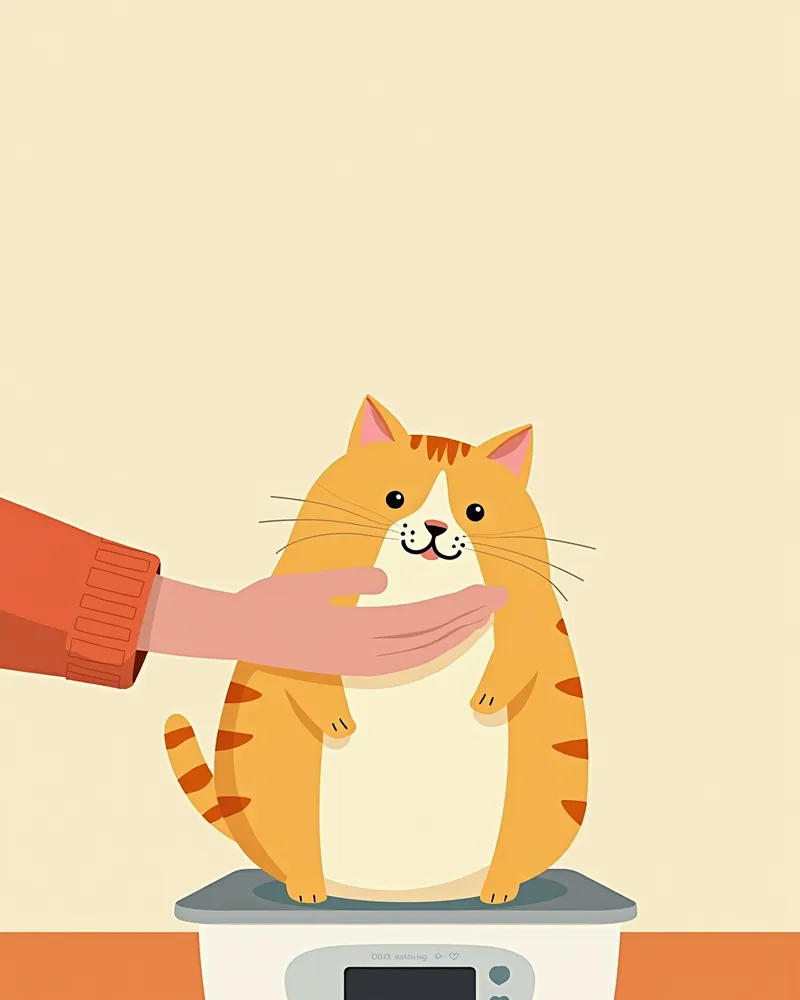
See a Vet Immediately If You Notice These Symptoms
Senior cats can deteriorate rapidly. If you notice any of the following symptoms, do not hesitate and take your cat to a veterinary clinic immediately: sudden eye redness or vision loss, refusal to eat for more than 24 hours, open-mouthed labored breathing, sudden hindlimb paralysis, seizures, or changes in consciousness. In geriatric emergencies, time often determines the prognosis.
Reviewed by a veterinarian

Dr. Tony — Punnawat Phongkittirak
VeterinarianA veterinarian who majored in veterinary medicine at Khon Kaen University, Thailand, and completed the IVSA program at North Carolina State University in the United States. Drawing on clinical experience at animal hospitals, he works in the pet healthcare field and is dedicated to building a digital care environment that connects pet parents with veterinarians.
Reviewed 2026-06-01
Frequently Asked Questions
At what age does a cat officially enter its senior years?
How often should senior cats undergo health check-ups?
Do I need to switch my senior cat to a special diet?
My senior cat has suddenly lost weight. What should I do?
Do senior cats still need regular vaccinations?
Share
Related Guides
Top Recommendations and Selection Criteria for Cat FIV and FeLV Testing
Top Microchip Implantation Management Recommendations for Dogs and Key Selection Criteria
Complete Guide to Choosing, Comparing, and Managing the Best Heartworm Preventives for Dogs
The Ultimate Guide to Cat Health Checkup Schedules and Items — Owner Checklist

The Ultimate Guide to Dog Health Check-up Schedules and Items — Owner Checklist

How Many Litter Boxes for Cats? — FLUTD Prevention, Environment and Stress Management

Do Indoor Cats Need Deworming? — Risks of Roundworms and Tapeworms and Recommended Schedules by Age

First Month Puppy Adoption Checklist — Vet Visit, Vaccination, and Socialization

Do Indoor Cats Need Vaccines? — What Are the Essential Recommended Vaccinations?
Cat Neutering Timing — Lifelong Health Benefits of Surgery Before the First Heat Cycle
References
[1] Little SE (Ed.), The Cat: Clinical Medicine and Management, 2nd Edition, Chapter: Diseases and Health Problems of Senior Cats / Health Care Programs for Senior Cats, Elsevier, 2012
[2] Silverstein DC & Hopper K (Eds.), Feline Emergency and Critical Care Medicine, 2nd Edition, Chapter: Geriatric Cats — Physiologic Changes and Special Considerations, Wiley-Blackwell, 2022