Like
Share
멍실장
여름 야외 활동 안전 가이드

Summer Outdoor Activity Safety Guide

ImmunityPreventionMeongsiljang Veterinary Advisory Board

This practical guide covers how to prevent heatstroke, paw burns, and infectious diseases in pets during summer walks, camping, and water activities. It includes all the essentials: temperature, timing, hydration, and parasite prevention.

What is Summer Outdoor Activity Safety Management?
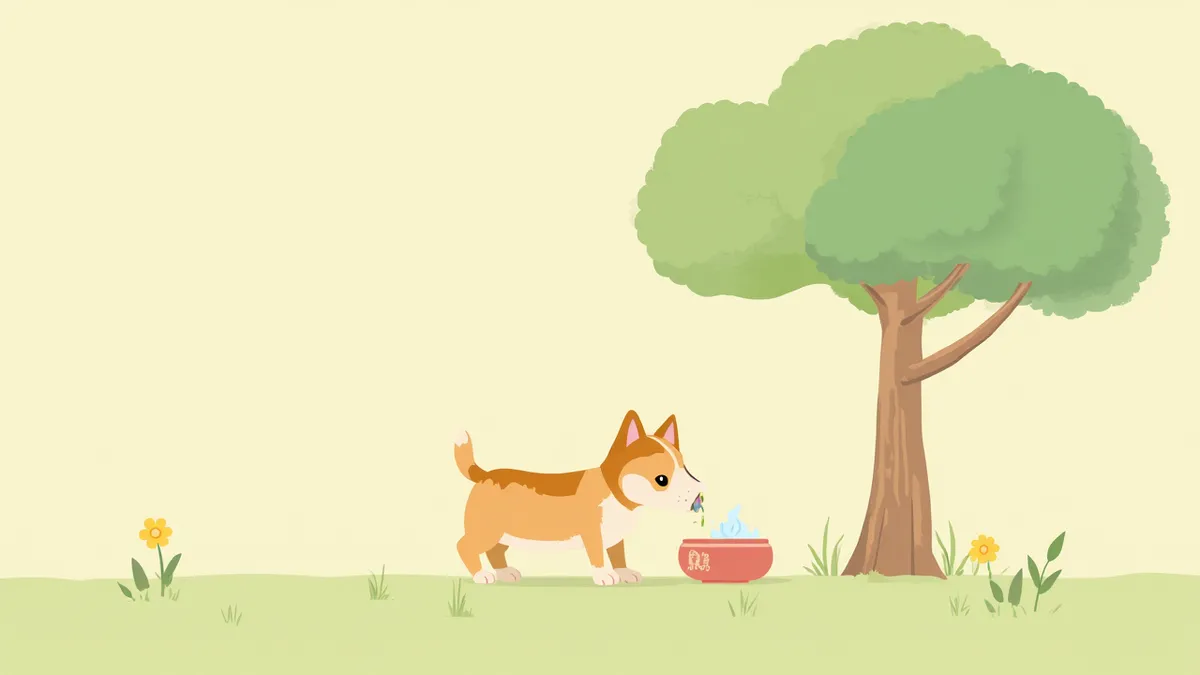
A dog drinking water in the shade on a summer afternoon
Summer outdoor safety management involves preventive measures to protect pets from high temperatures, humidity, strong UV rays, and summer parasites. The key lies in managing three factors: time, temperature, and hydration. Dogs and cats cannot sweat except through the sweat glands in their paw pads, so they rely on panting to regulate their body temperature, making their thermoregulatory ability more limited than that of humans. In hot and humid conditions, even brief outdoor activities can lead to heatstroke. Therefore, simply planning ahead for asphalt surface temperatures, walking times, and hydration strategies before going out can prevent most summer-related accidents.

Check These Essentials Before Going Out in Summer

Midday walks on asphalt under intense sunlight, being left alone in a parked car, or staying indoors without air conditioning can be life-threatening even in a short amount of time. Always check the air temperature, ground surface temperature, and expected duration of exposure before going out. If you notice any signs of heat stress—such as heavy panting, excessive drooling, or stumbling—move your pet to a cool area immediately.

Step 1. Adjust Walk Times
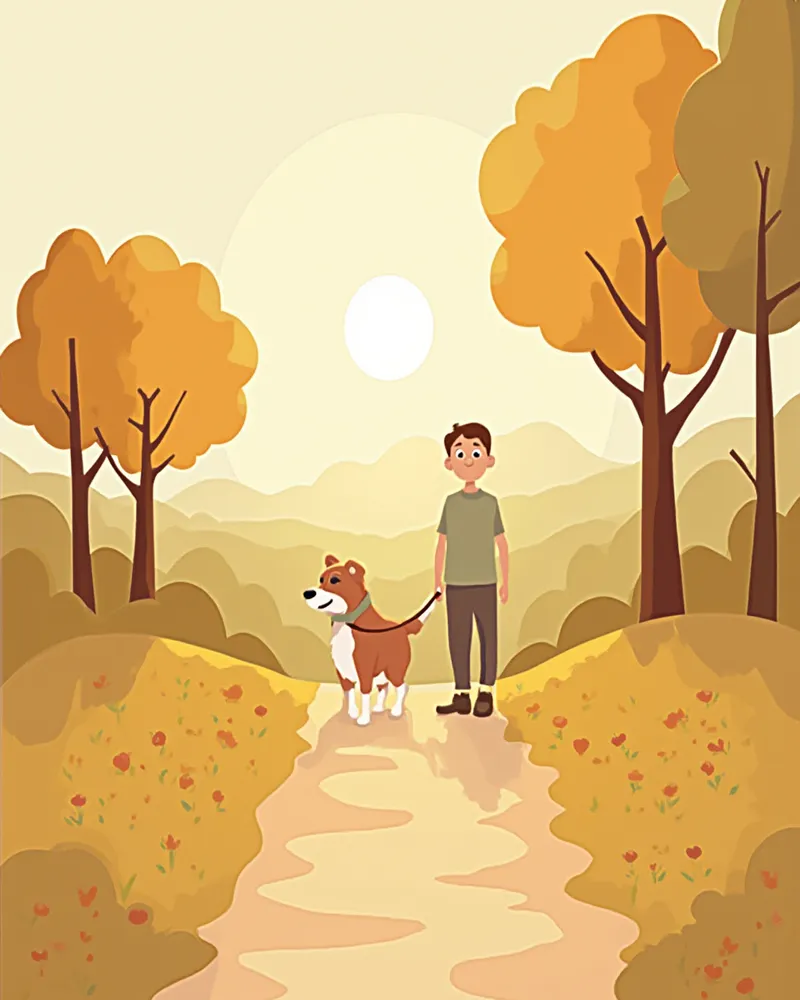
The safest times for summer walks are shortly after sunrise (5–7 AM) and after sunset (after 8 PM). Between noon and 5 PM, asphalt can become extremely hot due to direct sunlight, potentially causing burns on your pet’s bare paws. If the ground feels too hot to keep the back of your hand on for five seconds, postpone the walk. Opt for dirt or grass paths, and consider shorter, more frequent outings.
A pet owner and their dog walking along a trail in the early morning

Step 2. Heatstroke Prevention: Hydration and Body Temperature Management

Because pets have very few sweat glands, they rely on panting and heat dissipation through their paw pads to cool down. When going out, always bring a portable water bottle and a collapsible bowl, and make frequent stops in the shade to offer water. Long-haired breeds, senior dogs, and brachycephalic breeds (such as Pugs, Bulldogs, and Persians) are at particularly high risk of heatstroke due to reduced respiratory efficiency or difficulty dissipating body heat. Use cooling vests or neck wraps, and when traveling by car, turn on the air conditioning in advance to thoroughly cool the interior before getting in.

Step 3. Prepare for Summer External Parasites
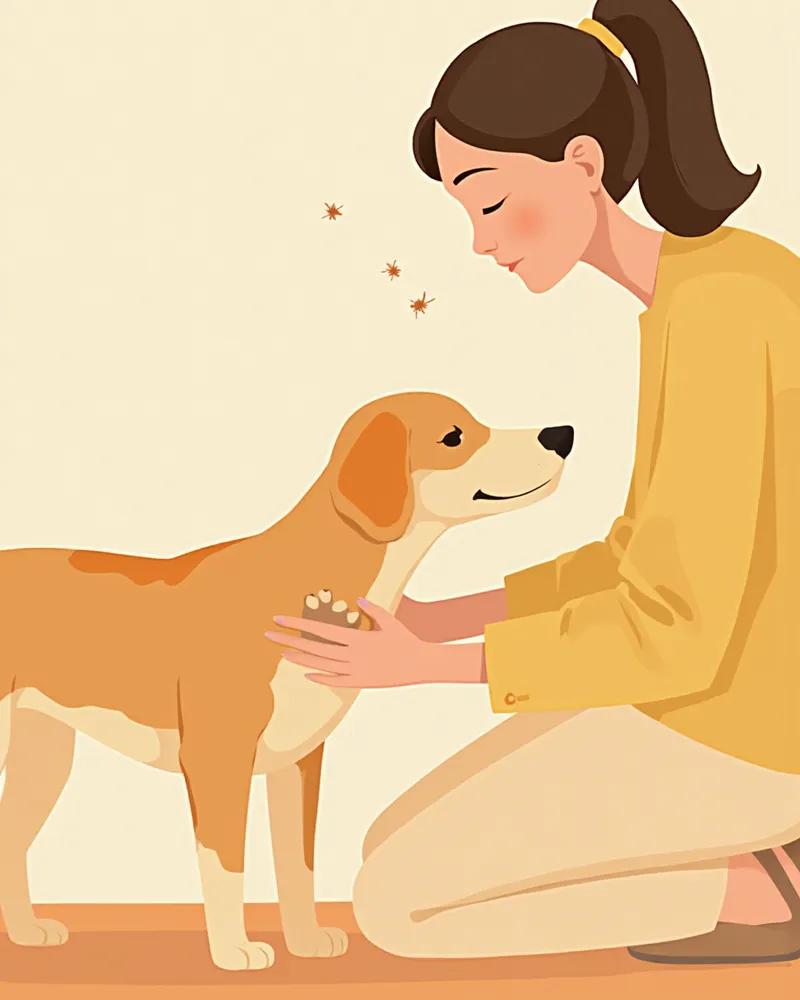
Ticks are most noticeable in spring and fall, but they can be active year-round depending on climate conditions. One study found ticks on cats every month, including during winter, and reported that even strictly indoor pets can be exposed. Therefore, tick activity never truly stops in summer, and continuous prevention is essential during their active season. Fleas and mosquitoes also become more active in warmer months, so extra caution is needed against external parasites and the vector-borne diseases they transmit when pets go outdoors. Infection risk increases in grassy areas, campsites, and walking trails, so after every outing, carefully check your pet’s inner ears, armpits, groin, and between the toes for attached ticks. Preventive medications for parasites, including heartworm, should not be given only during summer but administered consistently throughout the entire period of parasite activity. It’s best to complete testing and obtain prescriptions before the peak season begins.
A pet owner’s hand gently checking between their dog’s toes after a walk

Risks and Countermeasures by Type of Summer Outdoor Activity

ItemRegular WalkCamping/HikingWater Play
Main RisksHeatstroke/Paw Pad BurnsTicks/Snakes/DehydrationEar Infection/Foreign Body Ingestion/Drowning
Recommended Time of DayEarly Morning/EveningBriefly in the MorningAfter 4 PM
Essential SuppliesWater/Cooling TowelTick Preventive/First-Aid KitLife Vest/Towel/Ear Cleaner
Duration Limit20–30 minWithin 2 hours10–15 min × 2–3 times

In hot and humid weather, check your pet's condition frequently and shorten all outdoor activity times more than usual to stay safe.

Proper Hydration and Feeding Adjustments

In summer, higher temperatures and increased activity levels mean your pet needs more water than usual. Provide plenty of fresh water before and after outdoor activities, and ensure they can drink frequently during exercise. Instead of giving large amounts of very cold ice water at once, it’s better to offer small amounts of cool, clean water regularly. Offering small portions of hydrating treats like watermelon or cucumber can also help (never give foods known to be toxic to pets, such as grapes or onions).
A cat and a dog enjoying slices of watermelon

Special Precautions for Brachycephalic, Long-haired, and Senior Pets

Brachycephalic breeds with short snouts, such as Pugs, Bulldogs, Shih Tzus, and Persian cats, have less efficient breathing, making them significantly more susceptible to heatstroke than other breeds. For long-haired breeds like Pomeranians and Golden Retrievers, as well as pets aged seven years or older, please cut outdoor time in half during summer and keep the air conditioning set between 24°C and 26°C. If your pet has a history of heart disease or tracheal collapse, it is best to avoid going out during the midday heat entirely.

Reviewed by a veterinarian

Dr. Tony — Punnawat Phongkittirak

Dr. Tony — Punnawat Phongkittirak

Veterinarian

A veterinarian who majored in veterinary medicine at Khon Kaen University, Thailand, and completed the IVSA program at North Carolina State University in the United States. Drawing on clinical experience at animal hospitals, he works in the pet healthcare field and is dedicated to building a digital care environment that connects pet parents with veterinarians.

Frequently Asked Questions

Does panting always mean a dog has heatstroke?
Panting in hot weather is a normal thermoregulatory response. However, if your pet’s tongue turns purple, they drool excessively, stumble, or appear disoriented, it may indicate heatstroke. Immediately move them to a cool area, cool their body with lukewarm water, and seek veterinary care right away.
Will shaving all the fur in summer make pets feel cooler?
Actually, the opposite is true. Fur not only provides insulation but also acts as a barrier against UV rays, so shaving it completely increases the risk of sunburn and solar dermatitis. A summer cut, leaving the fur about 2 to 3 cm long, is the safest option. For cats, it’s best to avoid shaving altogether unless there’s a specific medical reason.
Is it okay to bathe my pet right after a walk?
Bathing your pet in cold water immediately after a walk can cause shock due to the sudden change in body temperature. It's best to let them rest indoors for at least 30 minutes to stabilize their body temperature, then gently wipe them down with lukewarm water.
Is it okay to take my pet to the pool or the beach?
Not all pets are natural swimmers. Always have them wear a life jacket and take breaks every 10 to 15 minutes. After water play, be sure to dry their ears thoroughly to prevent ear infections. Since most cats dislike water, avoid forcing them into it.
Is it okay to leave my pet in the car for a short time while I run to the store?
Absolutely not. Even when the outside air is cool, the interior of a closed car parked in direct sunlight heats up rapidly. Being trapped inside, even for a short time, can lead to fatal heatstroke. Always take your pet with you when you step out, or leave them safely at home.

Share

Related Guides

References

[1] National Research Council, Nutrient Requirements of Dogs and Cats, Chapter: Physical Activity and Environment

[2] Bruchim Y. et al., Heat stroke in dogs: A retrospective study of 54 cases, Journal of Veterinary Internal Medicine, 2006

[3] Companion Animal Parasite Council (CAPC), Seasonal Ectoparasite Guidelines, 2023

This information is based on veterinary literature and does not replace diagnosis or treatment. Please consult a veterinarian for specific health concerns.

Metapet Co., Ltd. | CEO: Park Sung-yong | Business Reg. No. 417-88-02562 | Seoul, South Korea | Customer Center

Summer Outdoor Safety Guide for Dogs & Cats | Meongsiljang