Like
Share
멍실장
강아지 계절별 건강관리 완벽 가이드 — 보호자 체크리스트

The Ultimate Guide to Seasonal Health Care for Dogs — Owner Checklist

Lifestyle & Age CarePreventionMeongsiljang Veterinary Advisory Board

This guide outlines essential health care practices that dog owners should follow in each season—spring, summer, autumn, and winter. It includes seasonal checklists covering parasite prevention, heat-related illnesses, hypothermia, and skin care.

What is Seasonal Health Care for Dogs?

Seasonal Health Care for Dogs — An Overview of Preventive Routines Across the Four Seasons
Seasonal health care for dogs is a preventive routine that involves planning and implementing parasite prevention, temperature regulation, skin care, and joint protection in response to environmental changes throughout spring, summer, autumn, and winter. Since the risk factors dogs are exposed to change with each season, failing to prepare in advance often leads to frequent vet visits. The three key areas owners should prioritize are: parasite prevention in spring and autumn, heatstroke prevention in summer, and hypothermia and joint protection in winter.

Seasonal Transitions: Check These First

Seasonal transitions (March, June, September, and December) are ideal times to review your dog’s preventive care. Year-round heartworm prevention is recommended regardless of the season, and since fleas and ticks can survive and remain active throughout the year due to climate changes, be sure to confirm that their preventive medications have been administered consistently. Also, check whether your dog’s vaccination schedule aligns with this period. To avoid missing any doses, keep a date-by-date record of preventive medication administration in your veterinary clinic’s app or a note-taking app.

Spring Health Care (March–May) — Parasite Prevention is Key

Spring brings more outdoor activities, which increases the chances of exposure to parasites. However, remember that heartworms and ticks are not just a spring concern—they require year-round management.
Heartworm Prevention: Rather than starting prevention in spring, it is recommended to maintain year-round medication—since the risk of infection is not limited to any particular season.
Flea and Tick Prevention: Apply preventive medication or use collar-type products before outdoor activities, and maintain consistent protection throughout the year as climate changes extend the risk period.
Spring Allergies: If your pet experiences itchy skin, excessive tearing, or sneezing due to pollen or environmental changes, visit the clinic for an evaluation.
Vaccination Check: If your pet is due for core vaccines or rabies vaccination in spring, schedule the appointment in advance.
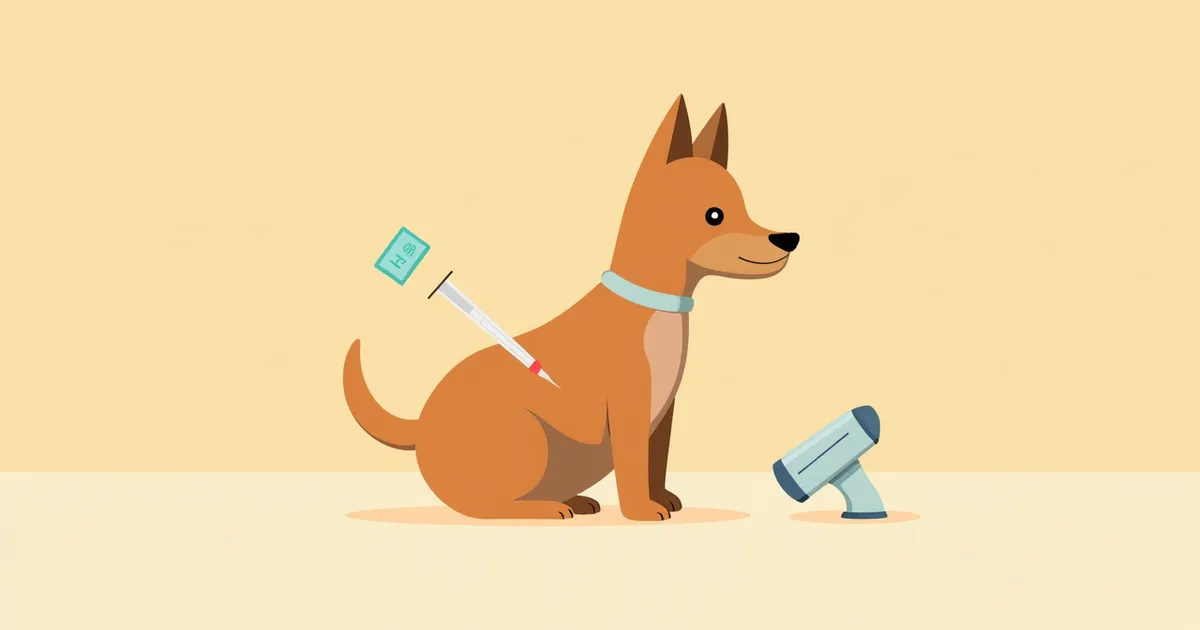
Springtime Parasite Prevention for Dogs — Fleas, Ticks, and Heartworms

Summer Health Care (June–August) — Focus on Heat-Related Illnesses and Skin Care
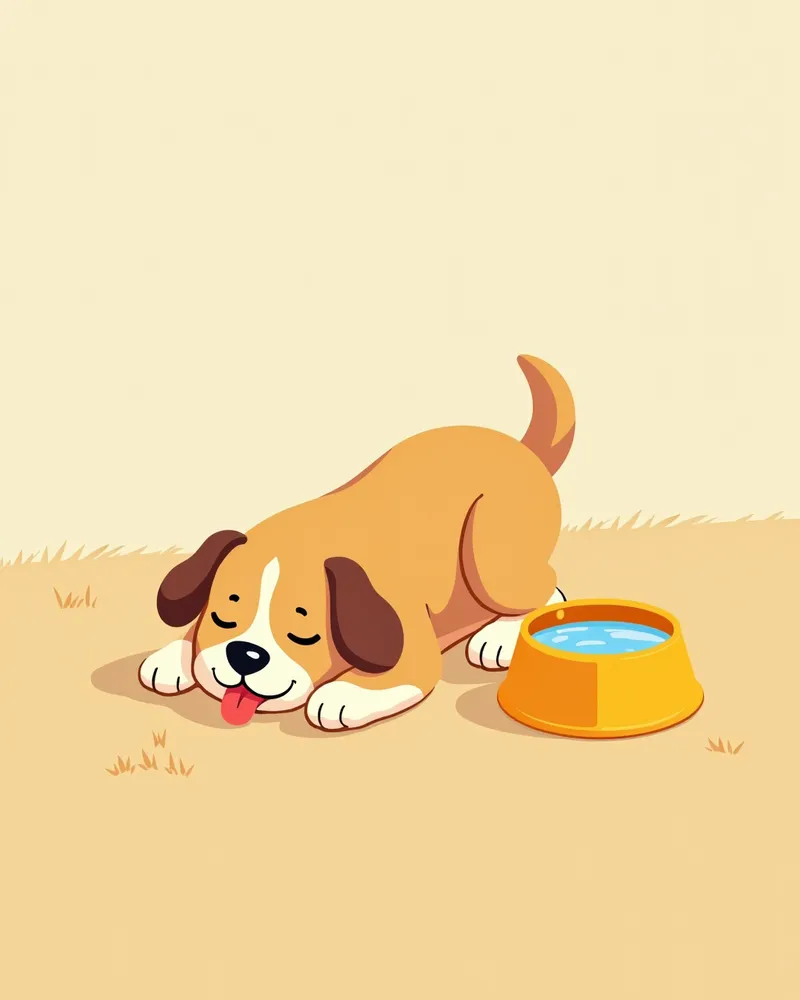
Summer is a season when heat-related illnesses and humidity-induced skin conditions surge. Preventing heat-related illnesses (heatstroke): Avoid outdoor activities between 12 PM and 4 PM, and always ensure your pet has access to plenty of fresh water. Adjusting walk times: Asphalt can cause burns on paw pads—opt for early morning or evening walks instead. Summer skin care: High humidity makes it easy for bacterial infections to develop in skin folds—thoroughly dry your pet after bathing. Beware of flea proliferation: Fleas multiply rapidly in hot, humid conditions—maintaining regular preventive treatment is essential.
Preventing Heatstroke in Dogs During Summer — Provide Shade and Hydration

Autumn Health Care (September–November) — Check for Ticks, Weight, and Joints

Autumn is a great time to increase your pet’s activity level, but the risk of external parasites like ticks remains high.
Ongoing tick risk: Be cautious of tick bites during autumn hikes and camping trips. Tick larvae thrive in rough vegetation such as grassy areas and fallen leaves, so limit your pet’s exposure during high-risk periods and maintain a consistent schedule of preventive medication.
Caution with toxic plants and mushrooms: Keep a close eye on your dog to prevent them from eating unknown items while outdoors in autumn, as poisoning incidents are on the rise.
Weight management: Maintain an ideal weight before activity levels naturally decline. Obesity is linked to osteoarthritis, so proper weight management also supports joint health.
Joint check-ups: For senior dogs or those with osteoarthritis, visit the vet if you notice limping.

Winter Health Care (December–February) — Protect Against Hypothermia, Joint Issues, and Skin Problems
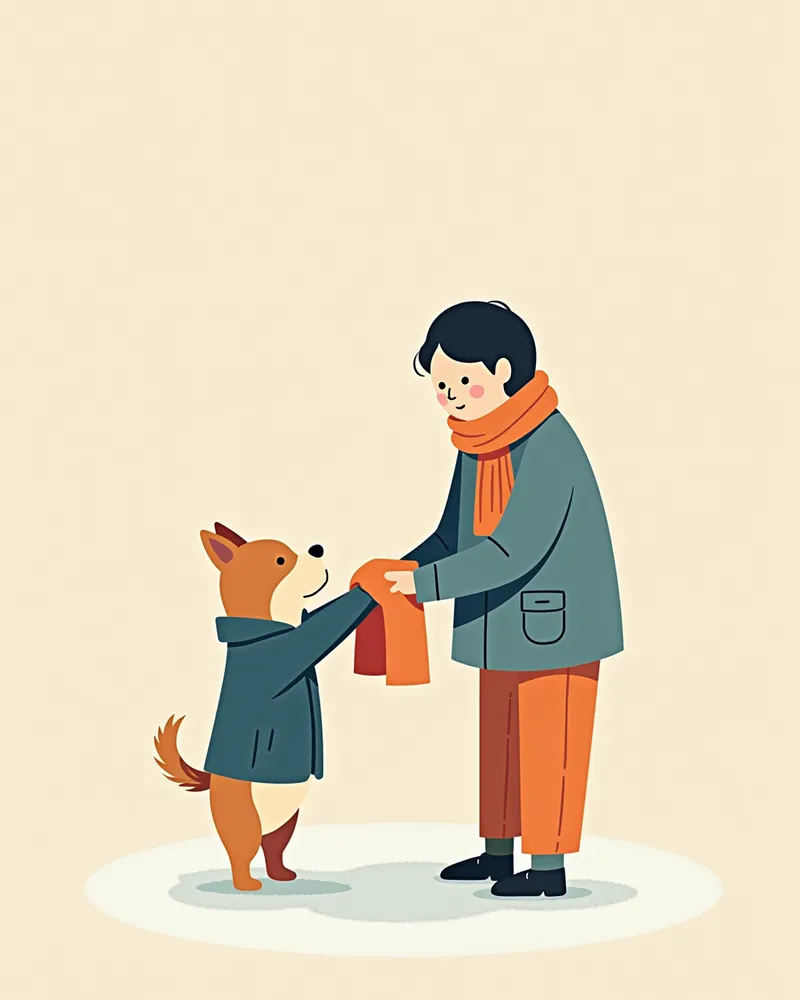
Winter is a season when pets are prone to discomfort from the cold and dry skin.
Preventing hypothermia: Small breeds, short-haired dogs, and senior dogs may be more sensitive to the cold, so dressing them for walks can help—pay special attention to their ears and paw pads, which are particularly vulnerable.
Caution with de-icing agents (calcium chloride): Always wipe your dog’s paw pads after walks—licking them can irritate the digestive tract.
Joint and muscle care: For dogs with osteoarthritis, reducing contact with cold floors and maintaining muscle tone through appropriate exercise can help lessen the burden on their joints.
Managing dry skin: Indoor heating can dry out your pet’s skin—supplementing with omega-3 fatty acids may help.
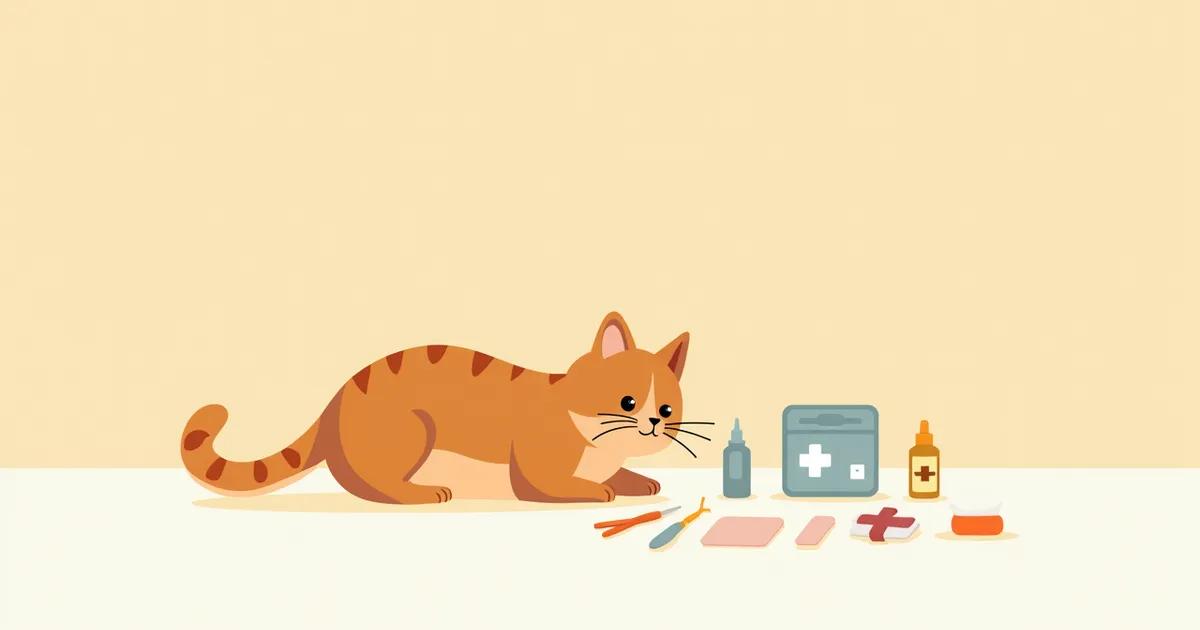
Preventing hypothermia and caring for your dog’s paw pads during winter

Seasonal Health Care Checklist at a Glance

ItemSpring (Mar–May)Summer (Jun–Aug)Fall (Sep–Nov)Winter (Dec–Feb)
Heartworm Preventive✅ Essential✅ Essential✅ Essential✅ Essential
Flea·Tick Prevention✅ Essential✅ Essential✅ Essential✅ Essential
Allergy Check✅ Caution⚠️ Caution
Heat Illness Prevention✅ Essential
Hypothermia·Warmth⚠️ Prepare✅ Essential
Joint·Muscle Care⚠️ Check✅ Essential
Vaccination Check✅ Recommended✅ Recommended

✅ Essential = Must be done / ⚠️ Caution·Check = Needed depending on the situation · Heartworm, fleas, and ticks are recommended for year-round prevention due to climate change

How to Use Preventive Medications Correctly

Consistent, year-round use of preventive medications is key. For heartworm prevention, administer the medication once a month on the same day each month to help you remember. Flea and tick preventives vary in duration of effectiveness depending on the type: collars last approximately eight weeks, topical treatments about four weeks, and oral medications one to three months. Consult your veterinarian to choose the most suitable option. If your pet exhibits any adverse reactions such as vomiting, rash, or lethargy after administering or applying the preventive, seek veterinary care immediately.

Breeds That Require Extra Seasonal Attention

Small breeds like Chihuahuas, Pomeranians, and Maltese are more sensitive to the cold in winter due to their small size, so please take extra care to keep them warm. Brachycephalic breeds such as Bulldogs and Pugs are more vulnerable to heat, so it’s best to avoid even short walks during the hottest parts of the day in summer. Double-coated breeds like Huskies and Samoyeds are prone to severe matting of their summer coats, so professional grooming is recommended.

Reviewed by a veterinarian

Dr. Tony — Punnawat Phongkittirak

Dr. Tony — Punnawat Phongkittirak

Veterinarian

A veterinarian who majored in veterinary medicine at Khon Kaen University, Thailand, and completed the IVSA program at North Carolina State University in the United States. Drawing on clinical experience at animal hospitals, he works in the pet healthcare field and is dedicated to building a digital care environment that connects pet parents with veterinarians.

Frequently Asked Questions

Should I give my pet heartworm prevention medication even during the winter?
We recommend year-round administration. Even indoor pets can be exposed to mosquitoes, and if you stop preventive medication and later restart, testing for infection may be necessary. Consulting with your veterinarian to establish a year-round dosing schedule is the most convenient approach.
Does shaving a dog’s coat short in the summer make them cooler?
Double-coated breeds (such as Huskies and Golden Retrievers) rely on their fur for insulation, so shaving it short can actually increase the risk of skin damage. While single-coated breeds can be trimmed shorter to stay cool, it’s best to consult a professional groomer or veterinarian before making a decision.
What should I do if my pet has a tick attached?
Using tweezers or a dedicated removal tool, grasp the tick as close to the skin as possible and pull it straight out slowly. Avoid twisting or crushing it, as this can spread pathogens. After removal, disinfect the area. If your pet develops a fever, loss of appetite, or lethargy within two weeks, seek veterinary care immediately.
How dangerous is winter de-icing agent (calcium chloride)?
Licking calcium chloride can cause vomiting, excessive drooling, and gastrointestinal irritation. It’s important to wash your pet’s paw pads with warm water and dry them with a towel after walks. Applying paw protection wax beforehand can be even more effective for prevention.
How can you tell the difference between spring allergies and a cold?
Allergies typically cause recurring sneezing, watery eyes, and itchy skin, while body temperature remains normal. In contrast, a cold is accompanied by fever, nasal discharge, and lethargy. If symptoms persist for more than three days or if you're unsure about the cause, please consult your veterinarian.

Share

Related Guides

References

[1] National Research Council. Nutrient Requirements of Dogs and Cats. National Academies Press, 2006.

[2] Hall EJ, Murphy KF, Darke PGG (Eds.). BSAVA Manual of Canine and Feline Dermatology, 4th Ed. British Small Animal Veterinary Association, 2020.

[3] Creevy KE, Promislow DEL, Kaeberlein M. The Dog Care Handbook: Things I Wish My Vet Had Told Me. Little, Brown Spark, 2024.

[4] Nelson RW, Couto CG. Small Animal Internal Medicine, 6th Ed. Elsevier, 2019.

This information is based on veterinary literature and does not replace diagnosis or treatment. Please consult a veterinarian for specific health concerns.

Metapet Co., Ltd. | CEO: Park Sung-yong | Business Reg. No. 417-88-02562 | Seoul, South Korea | Customer Center

Seasonal Health Care for Dogs — Owner Checklist | Meongsiljang