

Complete Guide to Comprehensive Care for Kittens Aged 0–3 Months
For kittens aged 0–3 months, maintaining body temperature and proper feeding are critical to survival. Here’s a summary of key care points by age and the recommended vaccination schedule.
What Is Care for Kittens Aged 0–3 Months?

Developmental Stages by Age at a Glance
Key Care Points by Age
| Item | 0–2 weeks | 3–4 weeks | 5–8 weeks | 9–12 weeks |
|---|---|---|---|---|
| Temperature management | Maintaining 27–32°C is essential | 27–29°C | Room temperature acceptable | Room temperature |
| Nursing frequency | Every 2 hours | Every 3–4 hours | Transition to weaning food | Adapting to dry food |
| Elimination assistance | Needed (stimulate to induce) | Needed | Not needed | Not needed |
| Eyes/ears | Closed; eyes and ears begin to open around day 10 | Eyes fully open, vision developing | Normal field of vision/hearing complete | Normal |
| Vaccination | Not possible | Not possible | 1st dose can begin | 2nd dose underway |
There are individual differences in developmental pace; consult your veterinarian for an exact schedule.
Essential Preparations Before Adoption or Rescue
Before bringing a kitten home for the first time, there are a few essential items you must prepare. Without proper preparation, some kittens may not even survive their first night. A thermometer, heat packs for warmth (never allow direct contact), kitten-specific milk replacer, a small bottle, and a soft towel are all necessities. If the kitten has been separated from its mother, you must be ready to feed it immediately.
Maintaining Body Temperature — The First 0–2 Weeks Are the Most Critical

Feeding — Choosing Milk Replacer and Feeding Methods
Assisting with Elimination and Transitioning to Solid Food

Go to the Vet Immediately If You See These Symptoms
Kittens can deteriorate very rapidly, with their lives sometimes hanging in the balance by just a few hours. If you notice any of the following signs, contact a 24-hour veterinary clinic immediately, even at night. Immediate emergency: Not eating for more than 12 hours, body limp and cold, repeated diarrhea and vomiting, rapid breathing, pale or bluish gums, seizures. Kittens are especially vulnerable to dehydration, so even a single day of diarrhea or vomiting can be life-threatening.
Vaccination and Deworming Schedule
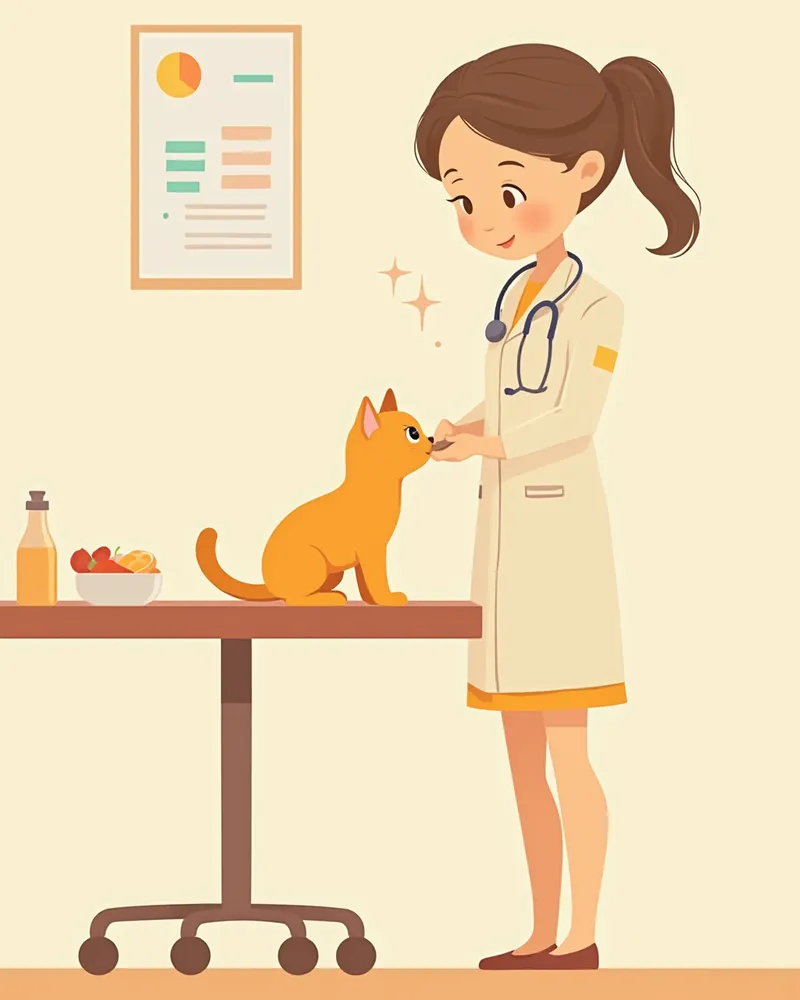
Breed-Specific and Individual Precautions
Brachycephalic kittens, such as Persians and Himalayans, have weaker respiratory systems and are more prone to aspiration during feeding. Scottish Folds carry a genetic predisposition to joint and cartilage abnormalities, so it’s best to avoid holding them for extended periods. When caring for multiple kittens, illnesses can spread quickly; if you notice any signs of illness, isolate the affected kitten immediately.
Reviewed by a veterinarian

Dr. Tony — Punnawat Phongkittirak
VeterinarianA veterinarian who majored in veterinary medicine at Khon Kaen University, Thailand, and completed the IVSA program at North Carolina State University in the United States. Drawing on clinical experience at animal hospitals, he works in the pet healthcare field and is dedicated to building a digital care environment that connects pet parents with veterinarians.
Reviewed 2026-04-29
Frequently Asked Questions
What should I do first on the first day for a kitten rescued without its mother?
At how many weeks of age is it safe to bathe a puppy?
How do you calculate the amount of milk to feed?
When should I start transitioning my puppy to solid food?
When should socialization begin?
Share
Related Guides

Primary vs. Secondary Veterinary Hospitals: A Comparison
5 Easy-to-Raise Cat Breeds for First-Time Owners — Grooming Difficulty Comparison

Top 7 Short-Legged Dog Breeds

Winter Indoor Exercise Guide for Dogs — Essential Routines for Weight Management

Pet Respiratory Health in Autumn: Distinguishing Between Colds and Pneumonia, and Management Tips
Symptoms and Prevention of Canine Parvovirus

The Right Way to Manage Indoor Air Quality for Pets: Air Purifiers, Ventilation, and Fine Particulate Matter

Symptoms and Prevention Management Guide for Dog and Cat Pollen Allergies

Preventing Skin Eczema During the Rainy Season

Seasonal Transition Pet Immunity & Respiratory Health — Which Comes First, Nutrition or Environmental Management?
References
[1] Little SE, The Cat: Clinical Medicine and Management - Chapter on Pediatrics and Neonatal Care, 2nd Ed
[2] Peterson ME, Kutzler MA, Small Animal Pediatrics: The First 12 Months of Life
[3] AAFP Feline Vaccination Advisory Panel Guidelines, 2020