Like
Share
멍실장
고양이 6-12개월 종합 케어 가이드

Comprehensive Care Guide for Cats Aged 6–12 Months

ImmunityPreventionMeongsiljang Veterinary Advisory Board

Kittens aged 6 to 12 months are in a rapid growth phase, during which permanent teeth eruption and sexual maturity occur simultaneously. Here are three key points: the timing of neutering, permanent teeth care, and transitioning to adult cat food.

What Kind of Stage Is 6–12 Months for Kittens?

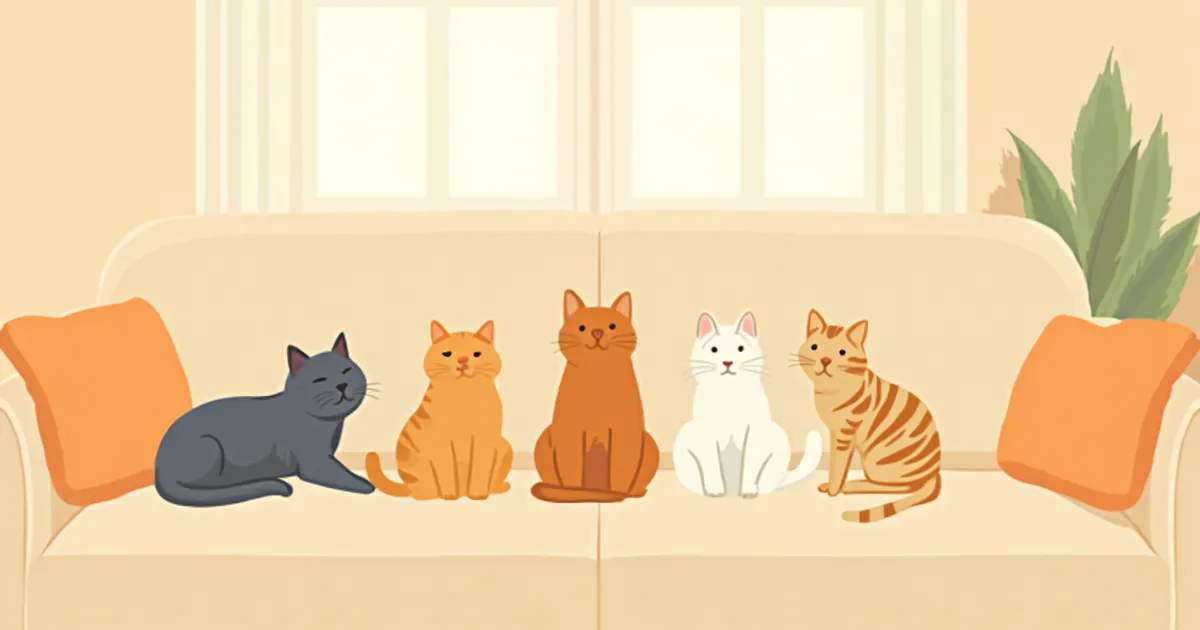
An 8-month-old kitten exploring the living room
The 6- to 12-month period is a phase of rapid growth for kittens, during which baby teeth are replaced by permanent teeth and sexual maturity (puberty) begins. Behaviorally, a cat’s puberty typically starts between 6 and 12 months of age, and socialization and daily habits are established during the kitten stage (from birth to one year old). The key management points at this stage are neutering, permanent teeth care, and transitioning to adult cat food. In particular, the first heat cycle can occur between 6 and 12 months of age; missing the optimal window for neutering may lead to unwanted pregnancies or the establishment of spraying behavior. Additionally, this is a critical period for maintaining consistency in feeding and litter box environments, yet it is also when care gaps most frequently occur because owners’ attention tends to wane.

Essential Checks Before Starting Care at 6 Months

Before creating a care plan, confirm that the primary vaccination series (three doses) and the rabies vaccine have all been completed. Scheduling neutering or outdoor activities before vaccinations are finished increases the risk of viral infection during the immunity gap. If vaccination records are unclear, antibody titers can be checked through a titer test.

① Neutering — The Most Important Decision
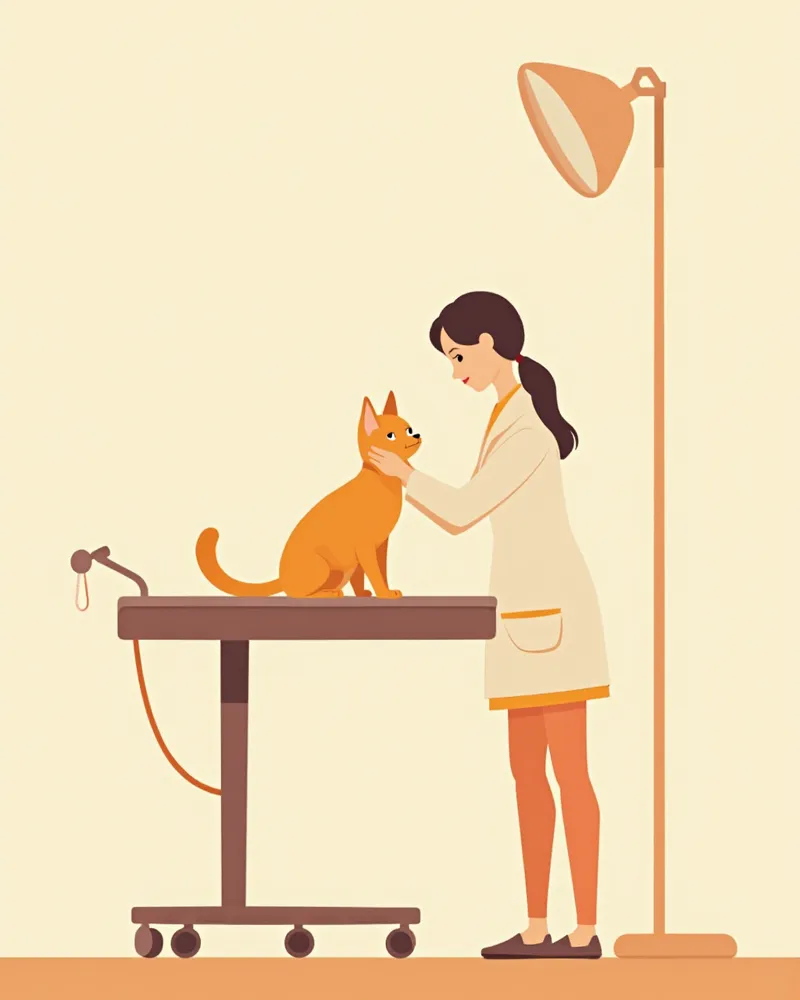
Spaying is typically performed before a female’s first heat cycle. The benefits of early spaying include: - Reduced risk of mammary tumors: Spaying before the first heat cycle (first estrous cycle) significantly lowers both the likelihood and severity of mammary tumors in females. - Prevention of spraying and vocalization: Since the animal hasn’t reached sexual maturity, behaviors like urine marking and yowling are less likely to become established habits. - Prevention of reproductive infections and tumors: Early spaying reduces the risk of reproductive tract infections, such as pyometra (uterine infection), and tumors. - Decreased roaming and fighting: It reduces attempts to escape during heat cycles and minimizes territorial fights between males. It’s worth noting that textbook guidelines consider early spaying safe starting at six weeks of age, and large-scale studies show that early spaying does not significantly cause medical or behavioral issues. However, since body size, breed, and health status vary among individuals, it’s best to consult with your veterinarian to determine the optimal timing for surgery.
A 7-month-old kitten receiving neutering consultation

② Permanent Teeth Eruption and Dental Care

Kittens begin losing their baby teeth around 3–4 months of age, with all 30 permanent teeth typically in place by about 6 months. According to standard veterinary guidelines, the permanent incisors erupt at 3–4 months, canines at 4–5 months, premolars at 4–6 months, and molars at 4–5 months. Here are the key care points for this stage: - Check for retained deciduous teeth: If a baby tooth doesn’t fall out and a permanent tooth grows beside it, consult your veterinarian. - Establish brushing habits: Starting at 6 months, gently introduce your cat to daily brushing using a soft-bristled toothbrush and cat-specific toothpaste. - Chew toys: Provide appropriate chew toys to stimulate the gums, aid in the shedding of baby teeth, and satisfy your cat’s urge to chew. - Dental treats for tartar prevention: Use VOHC-approved dental treats as a supplementary aid. Since the condition of the teeth right after the permanent set is complete serves as a baseline for lifelong oral health, it’s a good idea to document their state before any professional cleaning.

③ Transitioning from Kitten Food to Adult Cat Food

Between 6 and 12 months of age, growth slows down, so you should adjust food portions based on your cat’s weight and activity level. Generally, unless your cat is a large breed (such as a Maine Coon or Ragamuffin), you can switch to adult cat food around 10 to 12 months of age. For large breeds, it is recommended to continue feeding kitten food for more than a year. When transitioning, do not rush; instead, gradually mix the old and new foods over at least 7 to 10 days, slowly adjusting the ratio. If diarrhea or vomiting occurs, pause the adjustment for a day or two and proceed more slowly.

Nutritional Differences Between Kitten Food and Adult Cat Food

ItemKitten foodAdult cat food
Protein content30% or more (high content)26-30%
Fat content18-20% (growth energy)10-15%
Calcium-to-phosphorus ratio1.2:1 (skeletal formation)1.1:1 (maintenance)
DHAAdded (brain and vision development)Optionally added
Recommended feeding period0-12 months12 months or older

Based on AAFCO (Association of American Feed Control Officials) standards

Proper Feeding Amounts and Frequency

For kittens aged 6 to 9 months, feed three times a day, gradually reducing to twice daily between 9 and 12 months. Free-feeding is not recommended for indoor cats, who are at higher risk of obesity. Use the weight-based feeding guidelines on the packaging as a starting point, but adjust portions to maintain an ideal body condition score of 5/9, where the ribs can be felt but not seen. If you choose to free-feed, use an automatic feeder to dispense the total daily ration in three to four meals. Always provide fresh water; if your cat drinks little, try a water fountain or supplement with wet canned food to increase hydration.
A 10-month-old kitten eating food

Booster Vaccination and Health Checkup Schedule

Even after the initial vaccination series is complete, a booster shot is still required in the first year. Here are the key health management steps to keep in mind during this period: - One year after initial completion: Booster shots for the core vaccine and rabies - Quarterly weight records: Identify when growth slows after the rapid growth phase - Fecal exam at 6 months: Check for reinfection with intestinal parasites - Heartworm prevention: Indoor cats also need monthly preventive medication if exposed to mosquitoes - First blood and urine tests: Establish baseline values before entering adulthood Even for indoor cats, an annual health checkup is an investment in establishing lifelong baseline health metrics.

Breed-Specific Additional Precautions

For large and long-haired breeds such as Maine Coons, Ragdolls, and Persians, consider early screening for hypertrophic cardiomyopathy (HCM) via echocardiography between 6 and 12 months of age. Scottish Folds require monitoring for osteochondrodysplasia, while Persians and Himalayans benefit from tear duct care and genetic testing for polycystic kidney disease. Even for mixed-breed cats, if you know the parents’ breeds, you can proactively check for diseases commonly associated with those breeds.

Reviewed by a veterinarian

Dr. Tony — Punnawat Phongkittirak

Dr. Tony — Punnawat Phongkittirak

Veterinarian

A veterinarian who majored in veterinary medicine at Khon Kaen University, Thailand, and completed the IVSA program at North Carolina State University in the United States. Drawing on clinical experience at animal hospitals, he works in the pet healthcare field and is dedicated to building a digital care environment that connects pet parents with veterinarians.

Frequently Asked Questions

Does sterilization have to be done before the first heat cycle?
Spaying before the first heat cycle offers the greatest protection against mammary tumors. Early spaying, which can be performed as early as six weeks of age, is also considered safe according to veterinary textbooks. The ideal timing should be determined in consultation with your veterinarian, taking into account your pet’s size and breed.
Until what age should I feed my kitten kitten food?
For most breeds, continue feeding kitten food until 10–12 months of age; for large breeds like the Maine Coon, extend this period to 12–18 months. The right time to transition is when weight gain slows and activity levels stabilize.
My puppy’s baby teeth haven’t fallen out yet, but the adult teeth are already coming in. What should I do?
When a pet has retained baby teeth alongside adult teeth, the overlapping can increase the risk of malocclusion and tartar buildup. During spay or neuter surgery, it’s common to remove any remaining baby teeth while the animal is under anesthesia.
Even though my cat is an indoor cat, does it still need booster vaccinations?
Yes, even indoor cats can be exposed to viruses through their owners’ clothing and shoes. The first-year booster shot establishes the baseline for lifelong immunity, so it’s best not to skip it.
My 6-month-old kitten has suddenly lost its appetite. Is this normal?
As your pet finishes its rapid growth phase, it’s normal for their appetite to decrease naturally. However, if they barely eat for more than 48 hours or experience vomiting or diarrhea, it’s important to consult a veterinarian. There is a risk of fatty liver disease.

Share

Related Guides

References

[1] Peterson ME, Kutzler MA. Small Animal Pediatrics: The First 12 Months of Life. Elsevier Saunders, 2011.

[2] Hoskins JD. Veterinary Pediatrics: Dogs and Cats from Birth to Six Months, 3rd ed. Saunders, 2001.

[3] Little SE. The Cat: Clinical Medicine and Management. Elsevier Saunders, 2012.

[4] AAFP Feline Vaccination Advisory Panel Report, Journal of Feline Medicine and Surgery, 2020.

This information is based on veterinary literature and does not replace diagnosis or treatment. Please consult a veterinarian for specific health concerns.

Metapet Co., Ltd. | CEO: Park Sung-yong | Business Reg. No. 417-88-02562 | Seoul, South Korea | Customer Center

Complete Care Guide for Cats Aged 6-12 Months | Meongsiljang