Like
Share
멍실장
강아지 노령기 건강관리 완벽 가이드 — 보호자 체크리스트

The Ultimate Guide to Senior Dog Health Management — Owner Checklist

Lifestyle & Age CarePreventionMeongsiljang Veterinary Advisory Board

We’ve put together an easy-to-read guide covering regular check-up schedules, nutritional care, and an early-detection checklist for age-related conditions in dogs aged seven and older. From breed-specific timelines for entering senior years to tips for creating a senior-friendly home environment, this guide includes all the essential information every pet owner should know.

Why Start Senior Dog Health Management at Age 7?
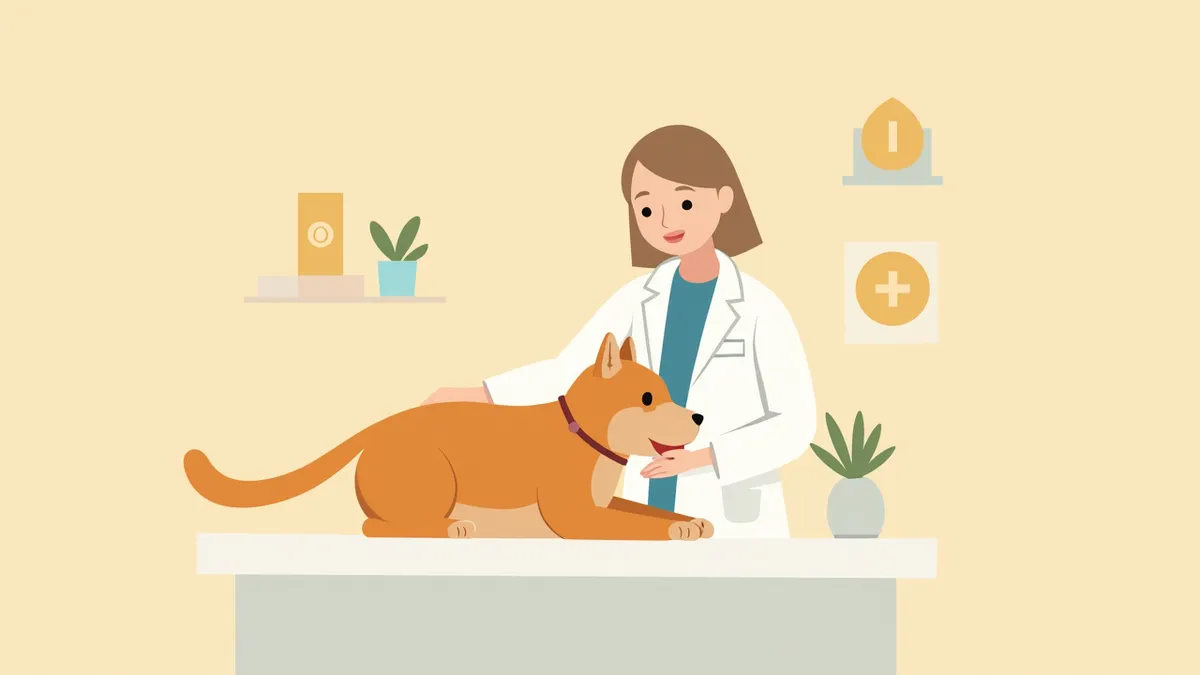
An elderly dog receiving a health check-up from a veterinarian
Health management for senior dogs is a preventive approach designed to detect diseases early and maintain quality of life by addressing physical changes that begin at age 7 or older for small and medium breeds, and even earlier for large breeds. The key management points are regular check-ups, switching to senior-specific dog food, and maintaining a healthy weight. According to veterinary nutritional standards, small and medium breeds are considered senior starting at age 7. As dogs age, their risk of organ dysfunction—such as in the kidneys and heart—and various diseases increases each year. Starting care before visible symptoms appear helps better prepare for aging and disease.

Check When Your Dog Enters Its Senior Years

The age at which a dog enters its senior years varies significantly depending on its size. According to veterinary nutritional guidelines, small and medium-sized dogs (roughly under 25 kg) are considered seniors from around 7 years of age, while large and giant breeds (25 kg and above) are classified as seniors earlier, around 5 years of age. Because larger dogs tend to age more quickly, it's important to start senior care sooner for them. The exact criteria for classifying a dog as a senior can vary based on weight and overall health, so if you're unsure about your dog's age or classification, consult your veterinarian.

Senior Dog Regular Check-up Schedule — Focus on These Every 6 Months
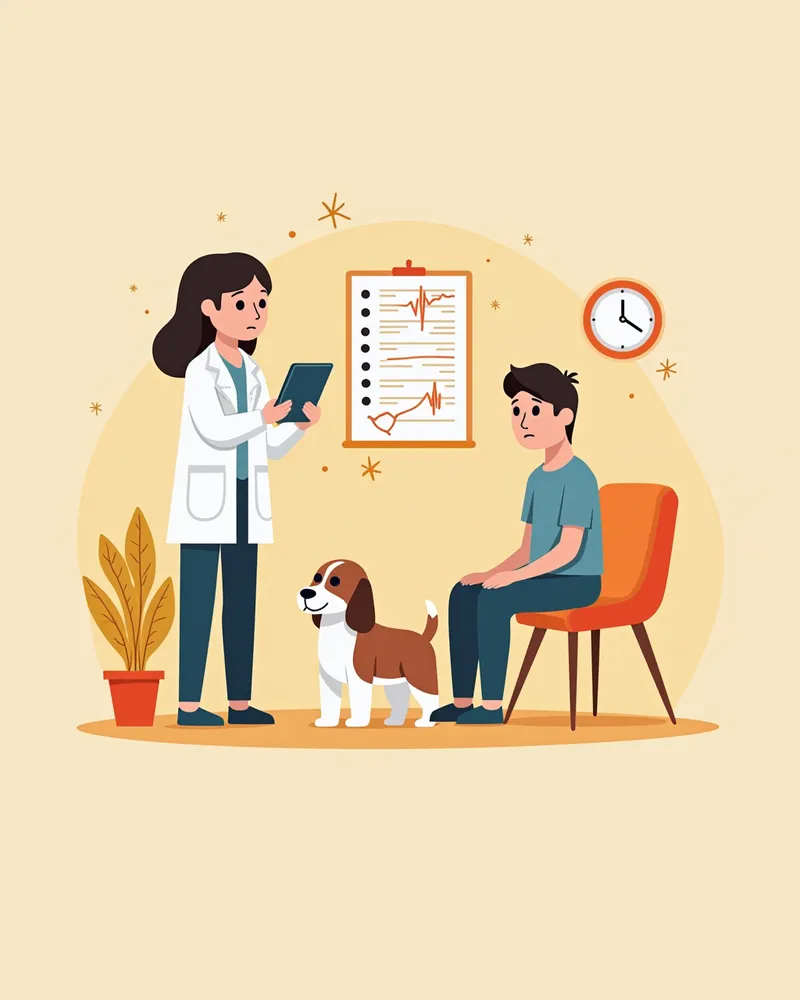
As your pet enters its senior years, it’s important to increase the frequency of check-ups from once a year to every six months. This is a time when diseases can progress rapidly, and significant changes can occur within just half a year.
Basic Check-up Items: Blood tests (complete blood count and biochemistry), urinalysis, chest and abdominal X-rays, heart auscultation
Additional Recommended Items: Blood pressure measurement, intraocular pressure test, dental examination, joint assessment
Check-up costs and available services vary by clinic, so it’s a good idea to inquire in advance before making an appointment.
A veterinarian and pet owner reviewing blood test results for a senior dog together

Senior Dog Nutrition Management — Criteria for Selecting Food and Supplements

The main goal of nutrition management for senior dogs is to maintain an ideal weight and overall health while slowing the progression of chronic diseases. Just like in other life stages, it’s best for senior dogs to maintain a lean body condition.
Protein: Important for maintaining muscle mass and body weight. However, there is ongoing debate among experts about whether protein should be restricted in senior dogs. Depending on underlying conditions such as kidney disease, consult your veterinarian to adjust the amount and quality of protein accordingly.
Omega-3 fatty acids and antioxidants: These are sometimes added to senior dog foods to support immune function and manage aging-related changes.
Joint supplements: Consider these if your dog has joint issues, after consulting with your veterinarian.
When switching foods, do so gradually over 7–10 days to prevent digestive upset.
A dog eating a senior-specific nutritional diet

Exercise Adjustment — Reduce, But Don’t Stop

Even senior dogs need daily, appropriate exercise. Maintaining muscle mass helps protect the joints, and regular walks also help stimulate cognitive function. Exercise guidelines: - Instead of long walks in one session, split them into shorter walks, two to three times a day. - Prefer grass or dirt paths over hard asphalt. - Stop immediately and consult your veterinarian if your dog becomes short of breath or starts limping. - Swimming (aquatic rehabilitation) is an excellent alternative for maintaining muscle without putting stress on the joints. Obesity significantly increases the risk of joint, heart, and diabetes issues in senior dogs, so weight management is just as important as exercise.

Common Conditions in Senior Dogs — Visit the Vet If You See These Signs
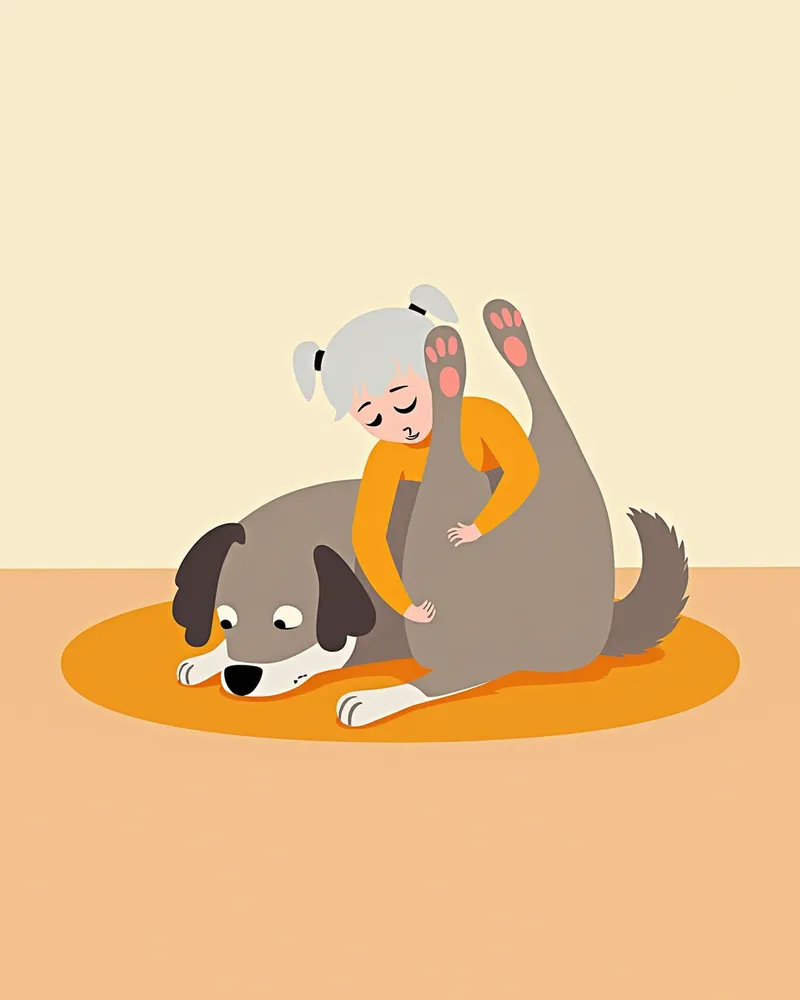
As your pet enters its senior years, certain conditions can progress rapidly. Recognizing early warning signs can help catch these issues sooner.
Arthritis: Difficulty climbing stairs, hesitation when standing up
Cognitive dysfunction: Unexplained nighttime barking, disorientation
Cushing’s disease: Excessive thirst, pot-bellied appearance, hair loss
Kidney disease: Sudden increase in water intake, vomiting, decreased appetite
Heart disease: Frequent coughing, quick fatigue after exercise
If any symptom persists for more than two weeks, please consult your veterinarian.
A pet owner checking their senior dog’s joint condition at home

Dental and Oral Care and Home Environment Setup

As senior dogs age, severe periodontal disease can allow bacteria to enter the bloodstream, potentially harming the heart and kidneys. Daily brushing is ideal, but if that’s not feasible, aim for at least three times a week.
Home Environment Checklist:
- Place mats on slippery floors (to prevent joint strain and falls) - Install ramps for beds and sofas (to reduce joint stress) - Adjust the height of water and food bowls (for neck and back comfort) - Maintain a warm, well-ventilated sleeping area Dental scaling is recommended at least once a year, and should be done sooner if bad breath becomes noticeable.

Large Breed and Brachycephalic Owners: Start Earlier and Check More Often

For large breeds such as Golden Retrievers and Labrador Retrievers, it is advisable to begin implementing senior care protocols around the age of five. In brachycephalic breeds like Pugs and French Bulldogs, respiratory issues such as Brachycephalic Airway Syndrome may worsen in their senior years. German Shepherds require enhanced monitoring of joint health, while small breeds such as Maltese and Shih Tzus are prone to severe periodontal disease, making diligent oral care especially important.

Reviewed by a veterinarian

Dr. Tony — Punnawat Phongkittirak

Dr. Tony — Punnawat Phongkittirak

Veterinarian

A veterinarian who majored in veterinary medicine at Khon Kaen University, Thailand, and completed the IVSA program at North Carolina State University in the United States. Drawing on clinical experience at animal hospitals, he works in the pet healthcare field and is dedicated to building a digital care environment that connects pet parents with veterinarians.

Frequently Asked Questions About Senior Dog Health Management

How often should senior dogs have regular check-ups?
Senior dogs should have a routine check-up every six months. If your dog has an underlying condition or is showing symptoms, your veterinarian may recommend more frequent visits.
When should I switch my dog to a senior-specific diet?
While the ideal timing varies by breed and weight, veterinary nutrition guidelines generally recommend considering a switch to senior dog food around age five for large breeds, and at age seven or older for small and medium breeds. If your dog has any underlying health conditions, a prescription diet may be necessary, so please consult your veterinarian before making a decision.
Are joint supplements really necessary for senior dogs?
Not every senior dog needs supplements. If your dog has arthritis, is a large breed, or is overweight, glucosamine and omega-3 supplements may be beneficial. Always consult your veterinarian before choosing any supplement.
How can you tell if your dog has cognitive dysfunction (dementia)?
Key signs include unprovoked nighttime barking or pacing, disorientation in familiar surroundings, seeming not to recognize family members, and lethargy or changes in appetite. Please consult your veterinarian if these symptoms persist for more than two weeks.
Should senior dogs continue to receive vaccinations?
Yes, vaccinations remain necessary even in senior years. However, the types and schedule of vaccines can be adjusted based on your pet’s health status. Review the vaccination plan with your veterinarian during check-ups.

Share

Related Guides

References

[1] Bellows, J., Colitz, C.M.H., Daristotole, L., et al. (2011) Defining healthy aging in older dogs and differentiating healthy aging from disease. Journal of the American Veterinary Medical Association 246, 77–89.

[2] Butterwick, R.F. (2015) Impact of nutrition on ageing the process. Bridging the Gap: The animal perspective. British Journal of Nutrition 113(Suppl), S23–S25.

[3] Guy, M.K., Page, R.L., Jensen, W.A., et al. (2015) The Golden Retriever lifetime study: Establishing an observational cohort study with translational relevance for human health. Philosophical Transactions of the Royal Society of London. Series B, Biological Sciences 370.

[4] Harper, E.J., Hackett, R.M., Wilkinson, J. et al. (2003). Age-related variations in hematologic and plasma biochemical test results in Beagles and Labrador retrievers. J. Am. Vet. Med. Assoc. 223: 1436.

[5] Hofman, J.M., Creevy, K.E. and Promislow, D.E.L. (2013) Reproductive capability is associated with lifespan and cancer incidence. Aging Cell 12, 412–421.

This information is based on veterinary literature and does not replace diagnosis or treatment. Please consult a veterinarian for specific health concerns.

Metapet Co., Ltd. | CEO: Park Sung-yong | Business Reg. No. 417-88-02562 | Seoul, South Korea | Customer Center

Senior Dog Health Care Guide — Owner Checklist | Meongsiljang