Like
Share
멍실장
고양이 목욕 방법과 주의사항

How to Bathe Your Cat and Precautions

Skin & CoatQ&AMeongsiljang Veterinary Advisory Board

Based on veterinary resources, we’ve compiled a guide covering when your cat actually needs a bath, safe step-by-step bathing techniques, and essential precautions you should know.

Do Cats Need Baths Too?

Illustration of a cat grooming itself
Bathing your cat is a coat and skin care method that involves cleansing with a hypoallergenic, cat-specific shampoo when there is a skin condition or severe soiling. Cats naturally have a very meticulous grooming habit. Thanks to this diligent self-care, they can keep their skin and coat relatively clean, so healthy cats rarely become greasy or dirty and do not need frequent baths. However, if your cat has a skin condition, is severely soiled, or is elderly and struggling to groom itself, you may need to step in and help. Here is a summary of safe bathing methods and essential precautions to keep in mind.

There Are Specific Situations When a Bath Is Needed

It’s best to bathe your cat only when necessary.
Skin disease treatment: This applies when a veterinarian prescribes medicated shampoo baths, which may be needed for conditions such as fungal infections or seborrheic dermatitis.
Severe contamination: Substances like oil, paint, or food stuck in the fur are difficult to remove through grooming alone. Harmful substances should be washed off before your cat can lick them.
Senior or overweight cats: Cats with joint pain or excess weight may struggle to groom themselves and may need assistance from their owners.
Long-haired breed care: Long-haired breeds such as Persians and Himalayans are prone to sebum buildup, so occasional bathing can be helpful.

Pre-Bath Preparation Checklist

Gather everything you’ll need before starting the bath. If you have to step away mid-bath, a wet cat may try to escape.
ItemDescription
Cat-specific shampooNever use human or dog shampoo
Non-slip matPlace it at the bottom of the tub or sink
Lukewarm waterWarm water around 36–38°C
2–3 towelsHave plenty of highly absorbent towels ready
Cotton swabs or cotton ballsUsed to prevent water from entering the ears
TreatsRewards to create a positive post-bath experience

Safe Bathing Method, Step by Step

Step 1 – Prepare the environment: Use a sink or a small basin. A bathtub may be too large and cause fear in cats. Place a non-slip mat on the floor and fill it with lukewarm water to a depth of about 5 cm.
Step 2 – Wetting the cat: Gently place the cat in the water and pour water over its body using a cup or your hands. Avoid using a showerhead, as the water pressure may startle the cat; if used, set it to a low pressure. Keep water away from the face and ears.
Step 3 – Shampooing: Take a small amount of cat-specific shampoo in your hands, lather it, and gently massage it into the cat’s body starting from the torso. Clean the face separately with a damp towel.
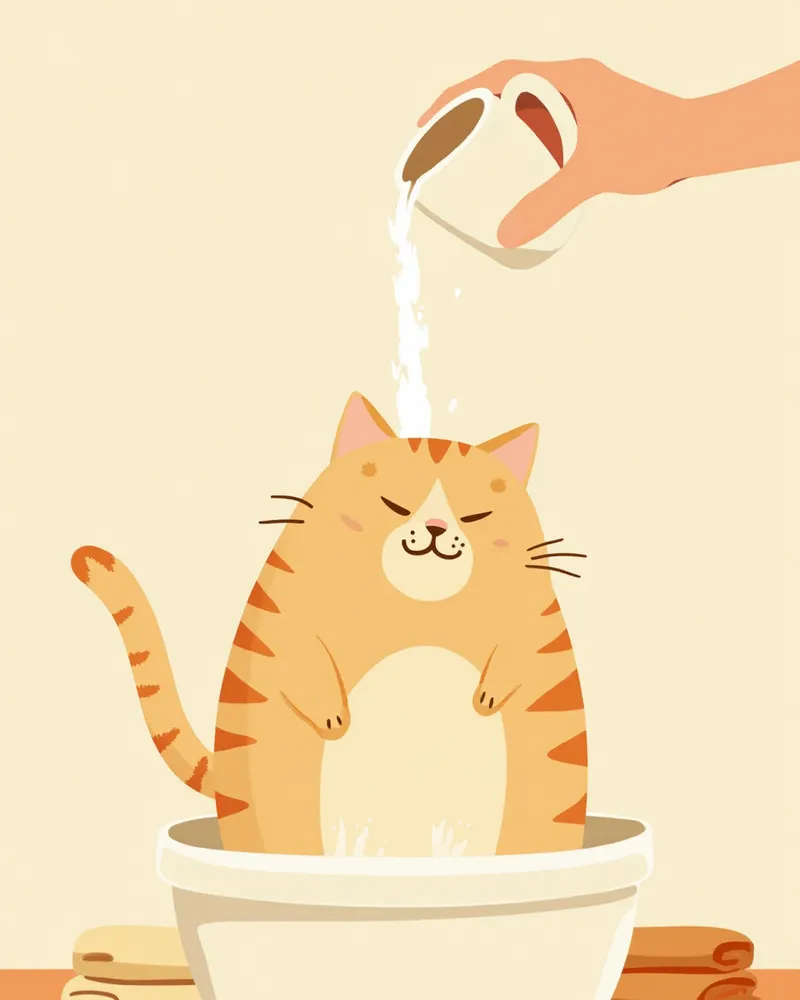
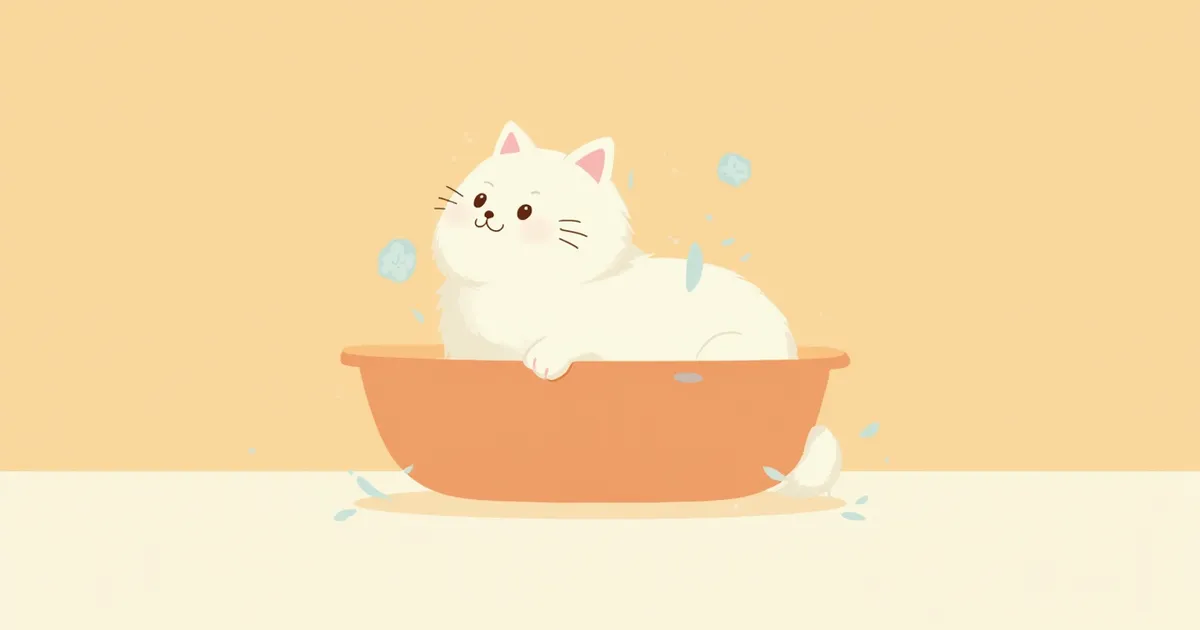
An illustration of a cat being carefully bathed in a sink.

Rinsing and Drying Are the Most Important
Step 4 — Rinsing: Thoroughly rinse with clean, lukewarm water to ensure no shampoo residue remains. Leftover shampoo can irritate the skin or cause issues if your cat licks it off. Rinsing is the most critical step in the bathing process.
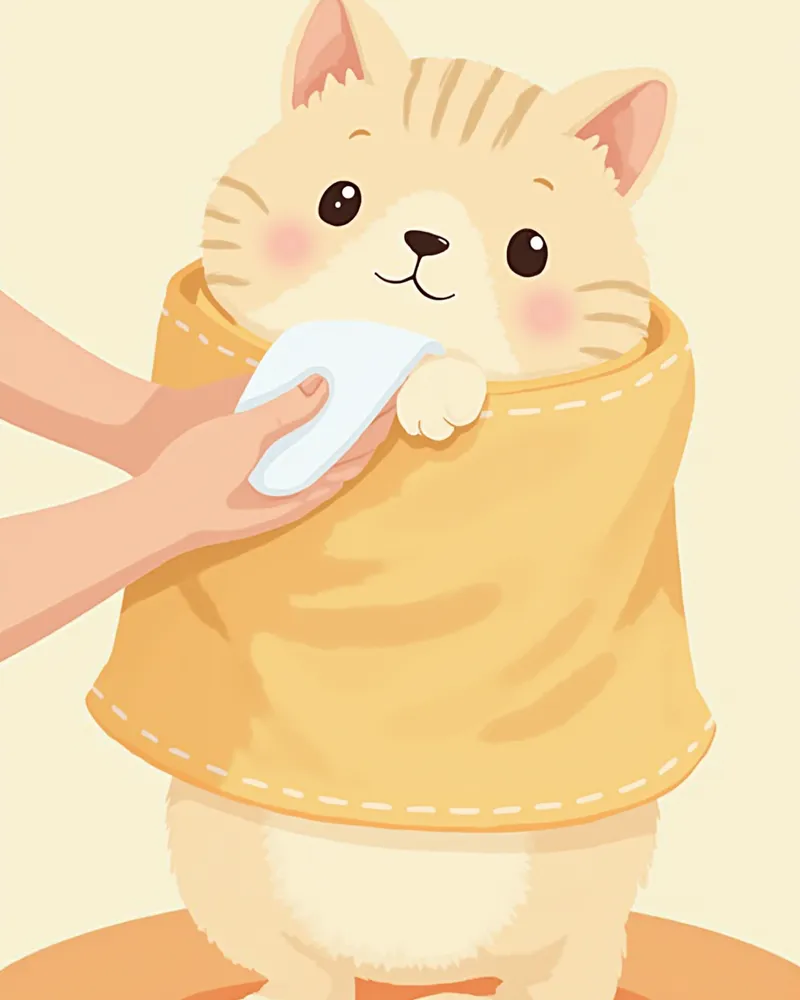
Step 5 — Drying: Gently absorb as much moisture as possible with a towel. If using a hairdryer, always set it to a low heat and gentle airflow, and keep it at least 30 cm away from your cat. For cats sensitive to noise, towel drying alone is sufficient. Allow your cat to air-dry in a warm room.
An illustration of a cat being dried while wrapped in a towel.

Things You Must Never Do When Bathing

Do not use human or dog shampoo: Cat skin has different characteristics from human or dog skin. According to veterinary dermatology, some topical ingredients like benzoyl peroxide can cause irritant contact dermatitis, and especially at high concentrations, they can easily irritate cats, so caution is needed when using them. Therefore, always use cat-specific shampoo instead of products designed for humans or dogs. Do not splash water on the face: Water getting into the eyes, nose, or ears can increase the risk of infection. Clean the face only with a damp cloth. Do not force restraint: Forcing a bath on a cat that resists strongly can leave a traumatic memory, making future care more difficult. Cats naturally tend to dislike water, and handling them forcefully can lead to stronger resistance. If this experience is repeated, it may result in more intense avoidance behaviors and damage the trust between the cat and its owner.

How Often Should You Bathe Your Cat?

Healthy cats groom themselves meticulously to keep their coat and skin clean, so they don’t need frequent baths. Some shampoo ingredients can cause dry skin due to their strong cleansing and degreasing effects, so it’s best to avoid bathing too often without a specific reason. However, the frequency may vary depending on the situation.
During treatment for skin diseases: Depending on your veterinarian’s prescription, medicated shampoo baths may be needed once or twice a week. Veterinary dermatology evidence shows that regular cleansing with shampoo helps remove irritants, allergens, and microbes, which can reduce skin lesions and itching.
Long-haired breeds: Since long-haired cats are more prone to buildup of sebum and secretions than short-haired cats, they may require slightly more frequent baths.
Indoor-only short-haired breeds: If there are no special issues, regular brushing alone is usually sufficient without the need for bathing.

Care Methods Instead of Bathing

If your cat strongly dislikes baths, there are several effective alternatives.
Regular brushing: Brushing alone can effectively remove dead hair and dust. For short-haired breeds, brush once or twice a week; for long-haired breeds, daily brushing is recommended.
Wiping with pet-safe wipes: Gently wiping your cat’s body with grooming wipes designed specifically for cats helps maintain cleanliness with minimal effort.
Dry shampoo: There are also dry shampoos formulated for cats that require no water. These are useful for removing light dirt and odors.
Spot cleaning: If only specific areas, such as the paws or hindquarters, are soiled, cleaning just those spots is a practical alternative to a full bath.
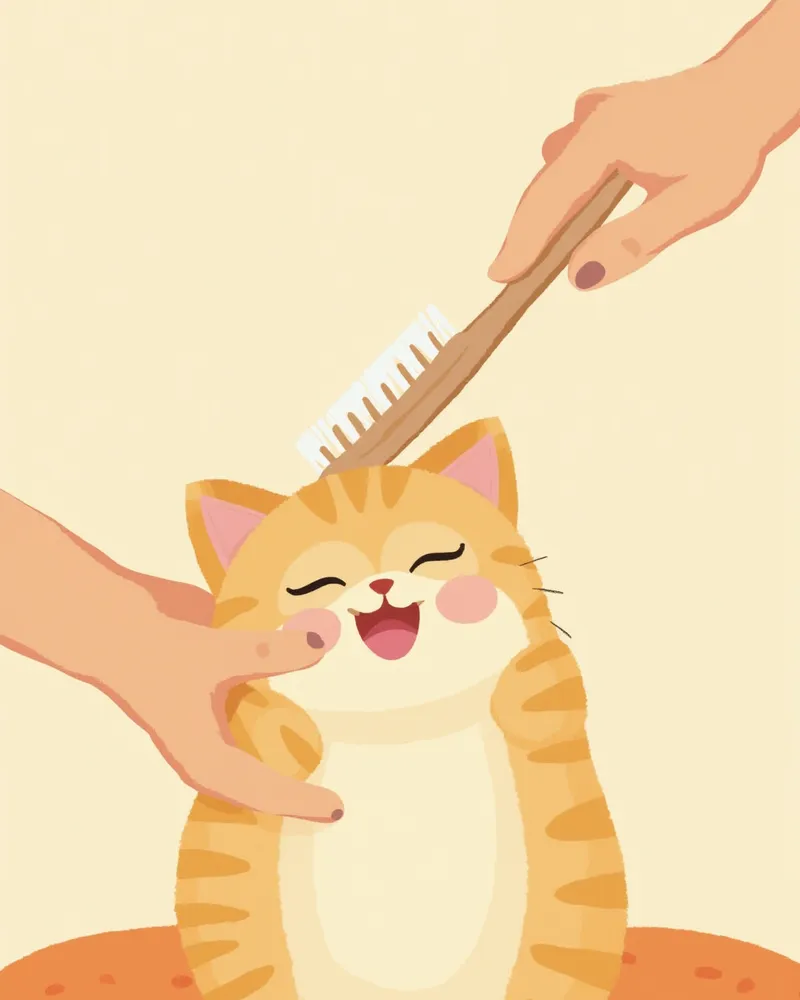
An illustration of a cat relaxing while being brushed

Reviewed by a veterinarian

Dr. Tony — Punnawat Phongkittirak

Dr. Tony — Punnawat Phongkittirak

Veterinarian

A veterinarian who majored in veterinary medicine at Khon Kaen University, Thailand, and completed the IVSA program at North Carolina State University in the United States. Drawing on clinical experience at animal hospitals, he works in the pet healthcare field and is dedicated to building a digital care environment that connects pet parents with veterinarians.

Frequently Asked Questions

Can I bathe a kitten?
Kittens can’t regulate their body temperature well, so they’re at risk of hypothermia during baths. It’s best to avoid bathing them altogether. If they get dirty, gently wipe the affected areas with a towel dampened with warm water. Once they’re fully grown, you can bathe them carefully if needed.
What should I do if my cat is extremely afraid of water?
Forcing a bath on a cat with severe water phobia can cause significant stress. Instead, use grooming wipes or dry shampoo, and maintain cleanliness through regular brushing. If a bath is medically necessary, please consult your veterinarian.
Is it okay to use human shampoo?
Absolutely not. Cats can be even more sensitive to certain topical products than dogs. Fragrances and chemicals found in human shampoos may cause irritant contact dermatitis or dry skin, so always use a shampoo specifically formulated for cats.
My cat is shivering after a bath. Is this normal?
Shivering after a bath may indicate a drop in body temperature or a stress response. Gently towel-dry your pet to remove as much moisture as possible, then allow them to dry completely in a warm room. If the shivering persists for an extended period or your pet appears lethargic, please contact your veterinarian.
What should I use if I don’t have cat-specific shampoo?
If you don’t have a cat-specific shampoo, it’s best to skip the bath altogether. In an emergency, simply rinse your cat gently with lukewarm water. Never use soap, dish detergent, or dog shampoo on cats, as these can be harmful.

Share

Related Guides

References

[1] The Cat, Clinical Medicine and Management, 2nd Edition — Chapter 25: Dermatologic Diseases

[2] A Professional's Guide to Feline Behaviour — Chapter: Self-maintenance and Grooming

[3] Assessing Essential Skills of Veterinary Technology Students, 4th Edition — Therapeutic Bathing and Grooming

This information is based on veterinary literature and does not replace diagnosis or treatment. Please consult a veterinarian for specific health concerns.

Metapet Co., Ltd. | CEO: Park Sung-yong | Business Reg. No. 417-88-02562 | Seoul, South Korea | Customer Center

How to Bathe a Cat: A Safe and Stress-Free Guide | Meongsiljang