Like
Share
멍실장
고양이 신장 기능 조기 선별(SDMA) 자주 묻는 질문 Q&A — 보호자가 꼭 알아야 할 핵심

What is SDMA for early kidney screening in cats? — A test to catch issues before symptoms, and when to get it

KidneyQ&AMeongsiljang Veterinary Advisory Board

Early screening for kidney function in cats using SDMA is a key test for detecting kidney disease in older cats at an early stage. We’ve summarized the essential information that pet owners should know.

What is early screening for kidney function (SDMA) in cats?
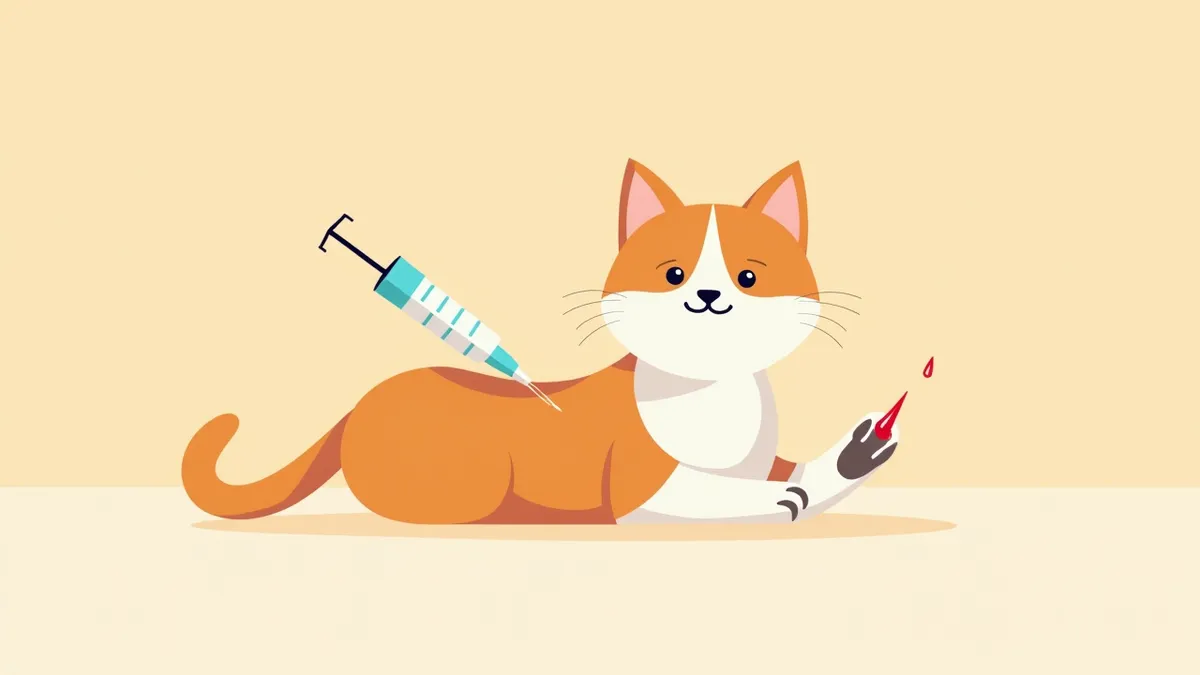
Blood collection for SDMA testing in cats
- SDMA Test: This blood test evaluates kidney function in cats and reflects a decline in glomerular filtration rate (GFR). Many textbooks report that SDMA indicates decreased kidney function earlier than creatinine. - Reflects Early Changes: SDMA can rise even when creatinine levels are still within the normal range, helping to detect early changes. - Regular Testing Recommended: Senior cats are advised to undergo regular kidney function tests, with SDMA evaluated alongside creatinine and urine tests. - Caution Against Sole Reliance: SDMA can also increase due to non-renal factors such as dehydration, so it should not be used alone to diagnose kidney disease. - Guardian of Senior Cat Health: While a useful tool for periodically checking kidney health, it is important to interpret the results comprehensively.

Why is the SDMA test more important than traditional tests?
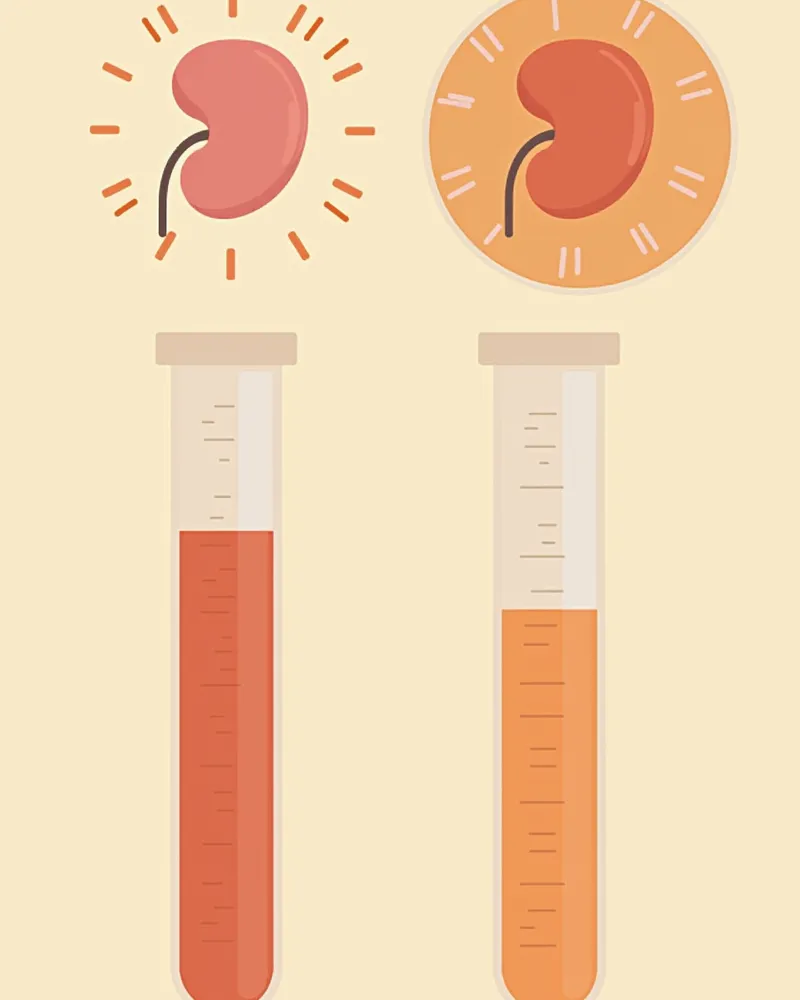
- Limitations of Creatinine: Traditional markers like creatinine often remain within normal ranges until kidney function has already declined significantly. - Advantages of SDMA: SDMA is reported to reflect declines in kidney function earlier than creatinine. - Detecting Early Changes: It is common in dogs and cats for SDMA levels to rise while creatinine levels are still within the normal range, highlighting this discrepancy. - Interpreting Together: However, SDMA should not be interpreted in isolation; it is recommended to evaluate it alongside creatinine and urine test results. - Management and Prognosis: Appropriate management, such as dietary adjustments, is known to improve both survival rates and quality of life in cats with chronic kidney disease. - Interpretation Considerations: SDMA levels can be influenced by non-renal factors and variations between laboratories, so results should be interpreted with care.
Comparison Chart of SDMA and Creatinine Tests

When is the best time to get an SDMA test?

- Cats aged 7 and older: Annual check-ups are essential. - Cats aged 10 and older: Check-ups every six months are recommended. - Early detection strategy: Regular check-ups starting at age 7 help ensure early signs of kidney disease are not missed. - Immediate testing if symptoms appear: If your cat shows sudden loss of appetite, frequent urination, or increased water intake, seek testing immediately. - Preparation before visiting the clinic: Keeping a record of your cat’s food and water intake before the exam helps the veterinarian make a more accurate assessment. - Foundation for long-term care: Regular check-ups are the first step toward managing your cat’s kidney health over the long term.
Calendar for Scheduling Your Cat’s SDMA Test

What should I do if my SDMA test results are high?
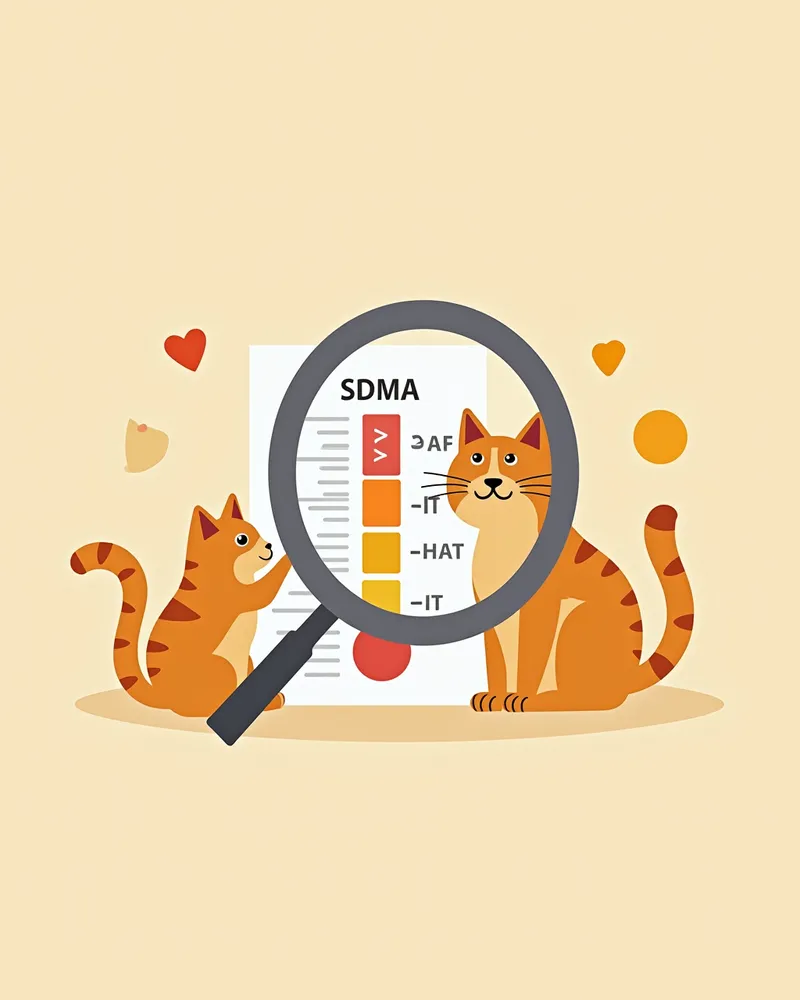
- Meaning of elevated results: An elevated SDMA level suggests a possible decline in glomerular filtration rate, but it can also rise due to non-renal causes such as dehydration. - Additional testing required: Consult your veterinarian to confirm the underlying cause through further tests, including creatinine levels, urinalysis, and ultrasound. - Importance of differential diagnosis: It is essential to determine whether the issue stems from intrinsic kidney disease or from pre-renal or post-renal causes. - Early management: If chronic kidney disease is diagnosed, begin management strategies early, such as dietary adjustments, to slow disease progression. - Survival and quality of life: Dietary management is known to help improve both survival rates and quality of life in cats with chronic kidney disease. - Regular monitoring: Ongoing regular check-ups are important to continuously track and manage your pet’s condition.
Consulting with a veterinarian when SDMA results are elevated

SDMA vs. Creatinine: Test Comparison Chart

ItemSDMACreatinine
Detection timingReported to rise earlier than creatinineRises after kidney function has significantly declined
GFR reflectionCorrelates well with GFR (use caution with sole judgment)Correlates with GFR but reflects it relatively late
Potential for early detectionRelatively earlyRelatively late
Support for decision-makingUseful when combined with creatinine and urinalysisLimited when used alone

SDMA may reflect a decline in kidney function earlier than creatinine, but it can also rise due to non-renal factors, so it is recommended to interpret it together with creatinine and urinalysis.

Signs that require an immediate vet visit

If your cat suddenly starts drinking excessive amounts of water, using the litter box more frequently, or experiencing a sharp decline in appetite, you should take them to the vet immediately. These could be early signs of kidney disease.

Management tips after an SDMA test

- Don’t worry even if the results are high: Early detection is possible, so there’s plenty of room for treatment. - Dietary management is key: Use special food recommended by your veterinarian to reduce the burden on the kidneys. - Manage water intake: Change the water frequently and place multiple water bowls around to encourage hydration. - Maintain regular check-ups: Monitor the condition through periodic follow-up tests based on the results. - Highlight the owner’s role: Observations and records at home greatly assist in veterinary treatment. - Long-term health management: Early response and consistent care can improve the quality of life for your cat.
Managing Water and Diet for Your Cat’s Kidney Health

Key SDMA points every pet owner should know
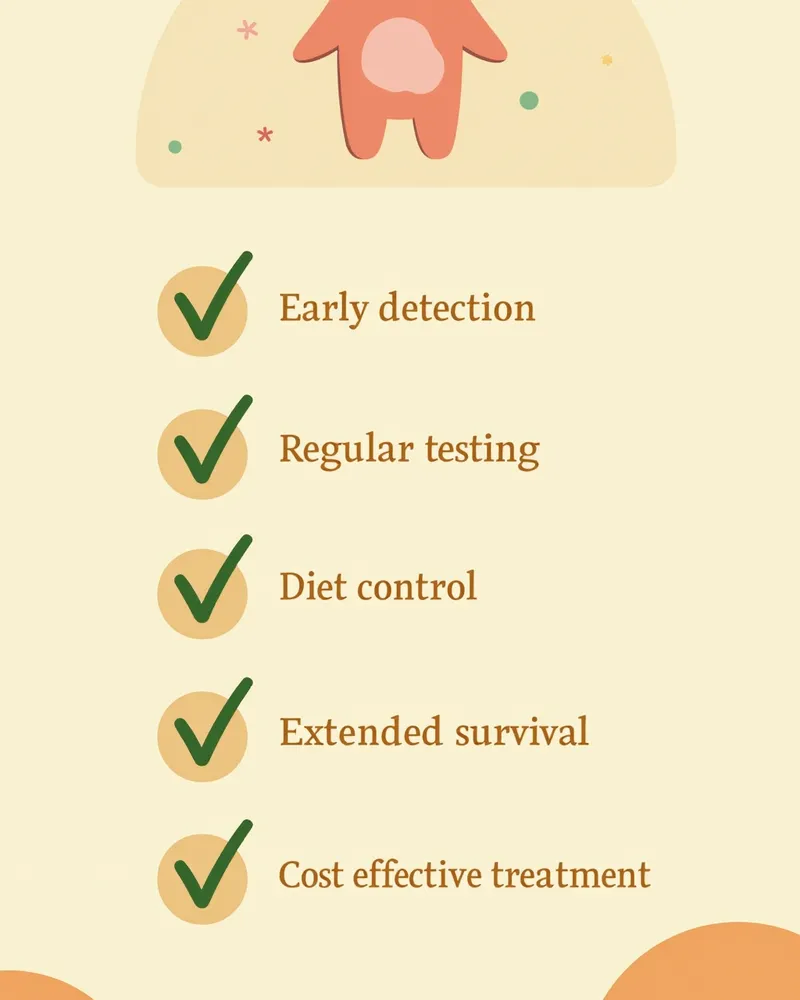
Reflects early changes: SDMA is reported to reflect declines in kidney function earlier than creatinine.
Regular testing recommended: Senior cats are advised to undergo regular kidney function tests.
Benefits of dietary management: Dietary management is known to help improve survival and quality of life in cats with chronic kidney disease.
Interpret together: SDMA should be evaluated alongside creatinine and urine tests for greater accuracy, and factors unrelated to the kidneys should also be considered.
Consistent care is key: Early intervention and regular monitoring can help maintain kidney health for longer.
Key Management Checklist After SDMA Testing

Reviewed by a veterinarian

Dr. Tony — Punnawat Phongkittirak

Dr. Tony — Punnawat Phongkittirak

Veterinarian

A veterinarian who majored in veterinary medicine at Khon Kaen University, Thailand, and completed the IVSA program at North Carolina State University in the United States. Drawing on clinical experience at animal hospitals, he works in the pet healthcare field and is dedicated to building a digital care environment that connects pet parents with veterinarians.

Frequently Asked Questions

Does the SDMA test hurt cats?
It involves only a small blood draw, so there’s virtually no pain. The procedure is quick, and your cat will behave normally afterward.
How much does the SDMA test cost?
The cost typically ranges from $20 to $40. Regular check-ups help reduce expenses and are significantly more affordable than treatment after a condition has progressed.
Can a high SDMA test result still be treated?
Yes, it is possible. Early detection allows us to begin management strategies such as dietary adjustments, which are known to improve both survival rates and quality of life in cats with chronic kidney disease. However, since SDMA levels can also rise due to non-renal causes like dehydration, additional tests are necessary to confirm the underlying cause.
How can I manage my cat’s kidney health at home?
Always provide fresh water, and offering canned (wet) food may help. Keep a close eye on any signs of frequent urination or decreased appetite.
When is the best time to have an SDMA test performed?
Regular check-ups are especially important for senior cats. If your cat is 12 years old or older, it's recommended to have them examined every six months.

Share

Related Guides

References

[1] Langston, C.E. et al. (2023) Small Animal Critical Care Medicine, 3rd Edition. Elsevier.

[2] The Cat, Clinical Medicine and Management, 2nd Edition (2022). Elsevier.

[3] Veterinary Workbook of Small Animal Clinical Cases (2021). Wiley-Blackwell.

This information is based on veterinary literature and does not replace diagnosis or treatment. Please consult a veterinarian for specific health concerns.

Metapet Co., Ltd. | CEO: Park Sung-yong | Business Reg. No. 417-88-02562 | Seoul, South Korea | Customer Center

What Is SDMA Kidney Screening for Cats? When to Get It | Meongsiljang