Like
Share
멍실장
강아지 인사 매너 (사람·반려견)

Does Your Dog Struggle with Greetings? — How to Teach Proper Etiquette for Meeting People and Other Dogs

Brain & CognitionQ&AMeongsiljang Veterinary Advisory Board

We’ve put together a guide on proper greeting etiquette for dogs when meeting other dogs, along with training tips that owners can use to help their pets.

What Are Good Greeting Manners for Dogs?
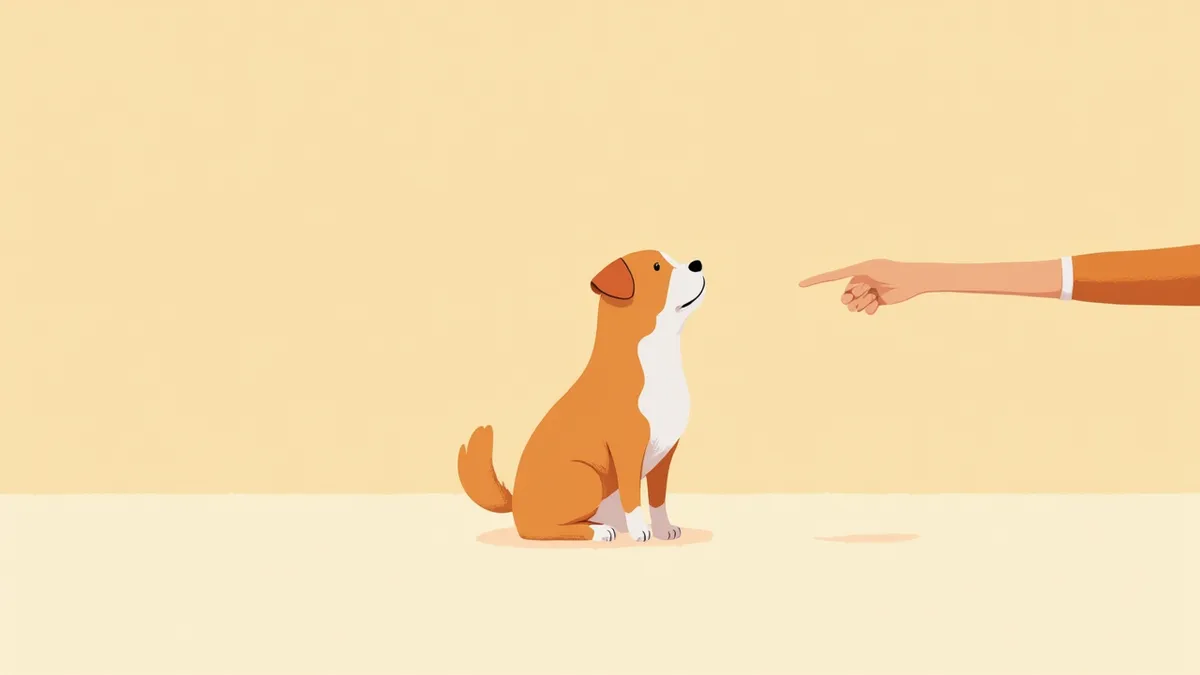
A dog that greets people calmly
Good greeting manners for dogs mean calmly approaching and maintaining a safe distance from people or other dogs without jumping, barking, or showing excessive excitement. The key is a calm, four-legged greeting. Jumping up or rushing forward in excitement can injure people and may be perceived as a threat by other dogs, potentially leading to fights. Building positive greeting experiences during the critical socialization period of 3 to 13 weeks of age lays the foundation for lifelong good manners.

Why Are Greeting Manners Important?

A dog’s lifelong social behavior is shaped by how it encounters other beings. According to veterinary behavioral medicine textbooks, accumulated negative early-life experiences can solidify into fear-based aggression or hyperexcitability. Conversely, positive greeting experiences help dogs remain calm even in unfamiliar situations. Good manners are not just about politeness; they serve as a safety mechanism to reduce stress, accidents, and conflicts for your dog.

Good Greetings vs. Bad Greetings: A Comparison

ItemGood GreetingGreeting to Avoid
Meeting peopleKeeping all four paws on the ground and sniffing calmlyJumping up, clinging, or barking
Meeting other dogsApproaching from the side, tail at mid-height, sniffing for 3 secondsCharging head-on, taut leash, staring fixedly
Meeting childrenGuardian controls the leash, keeps distanceLicking the face, climbing on
Tension/fear signalsImmediately create distance at lip licking/yawningIgnoring them and forcing continued approach

Every greeting should proceed only when both dogs/people appear comfortable

The Correct Way to Greet People
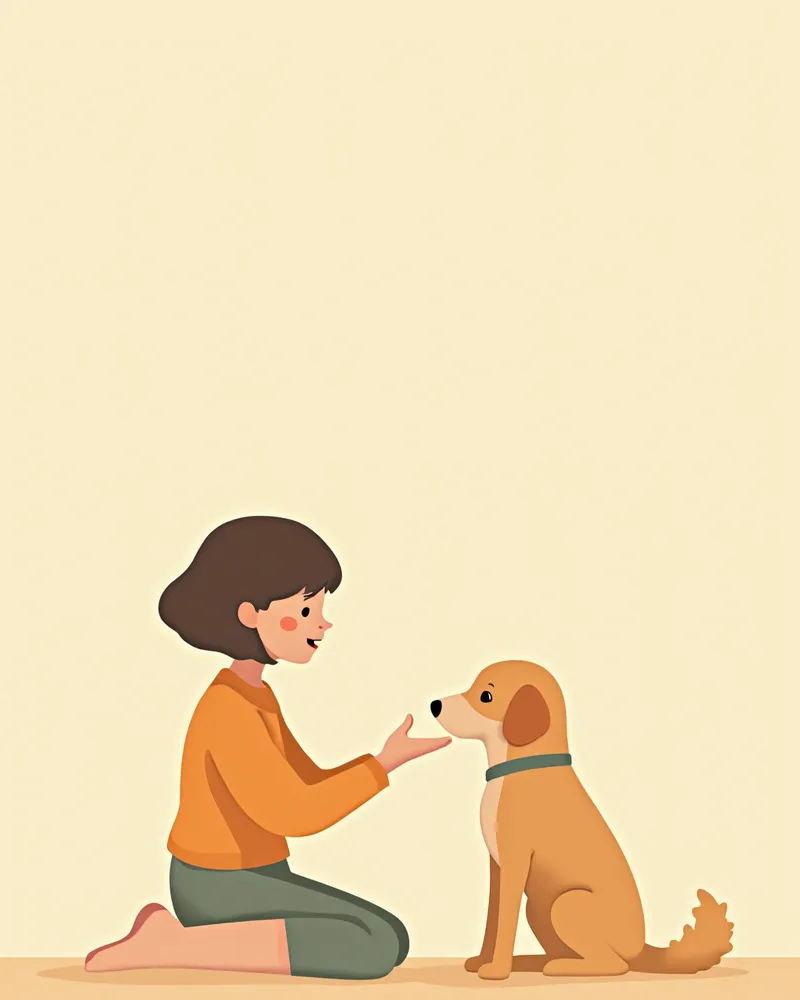
Here’s a checklist of essential manners to follow when meeting people. - Sit and wait: When someone approaches, keep your dog in a four-legged sitting position using the “sit” command. - Let the dog choose first: Suddenly thrusting your hand toward a dog for it to sniff can feel threatening or startling. Instead, wait with a gentle gaze and allow contact only when the dog approaches on its own. - Pet the chest and chin, not the top of the head: Reaching over a dog’s head to pat it can be perceived as a threat. - The three-second rule: After petting, remove your hand and observe whether the dog comes back for more. - No jumping: If your dog jumps up, immediately turn your back and ignore the behavior.
A person bending their knees to get down to the dog’s eye level.

Stop the Greeting If You See These Signals

When your dog shows calming signals like lip-licking, yawning, avoiding eye contact, lowering its body, or tucking its tail between its legs, it’s a sign of stress. Forcing further interaction at this point can escalate into fear-based defensive behaviors, such as growling or snapping. Immediately create distance and politely ask the other person to give your dog space. Especially with unfamiliar large dogs, facing each other head-on with taut leashes is a high-risk situation that can easily lead to a fight.

The Correct Sequence for Greeting Other Dogs
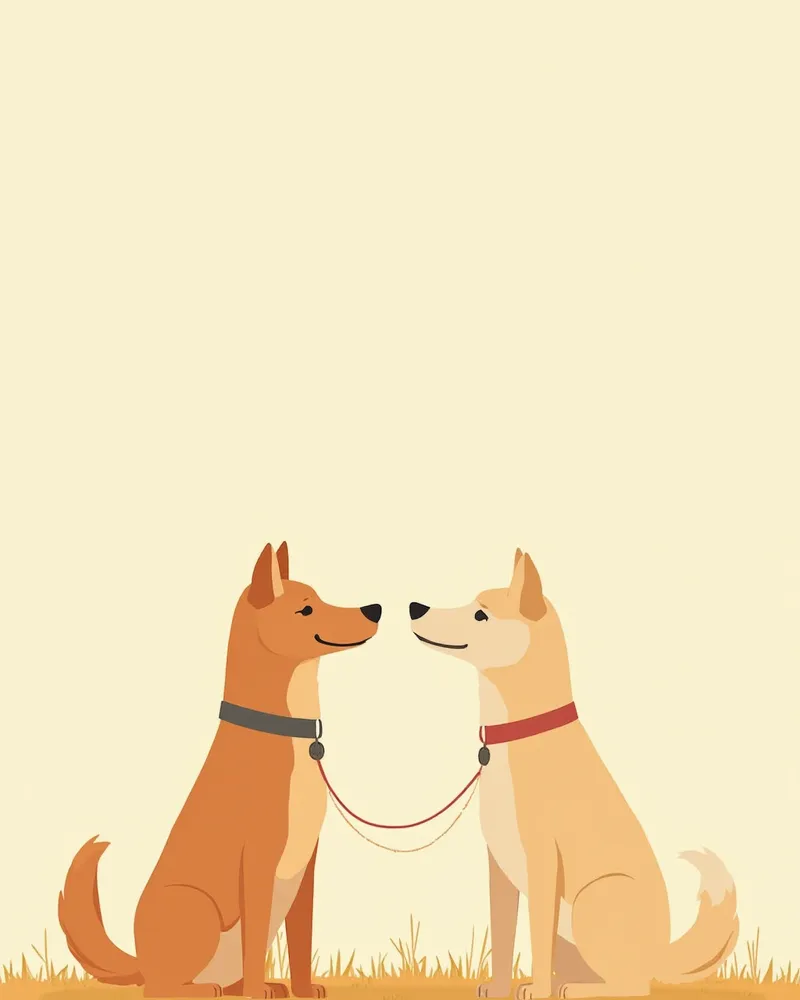
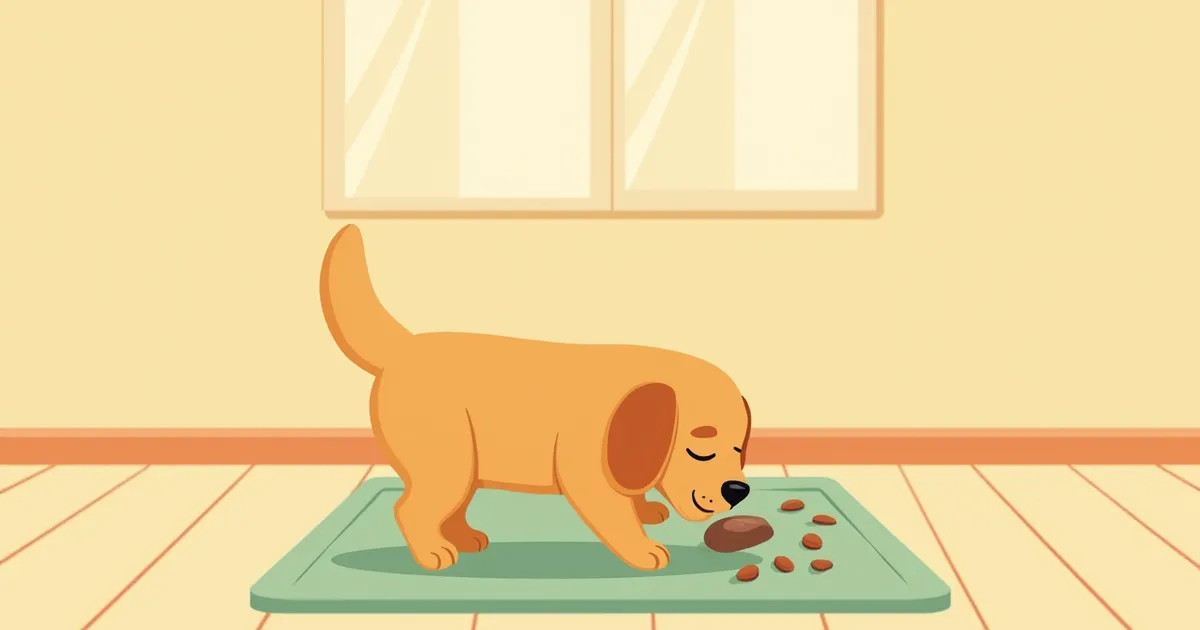
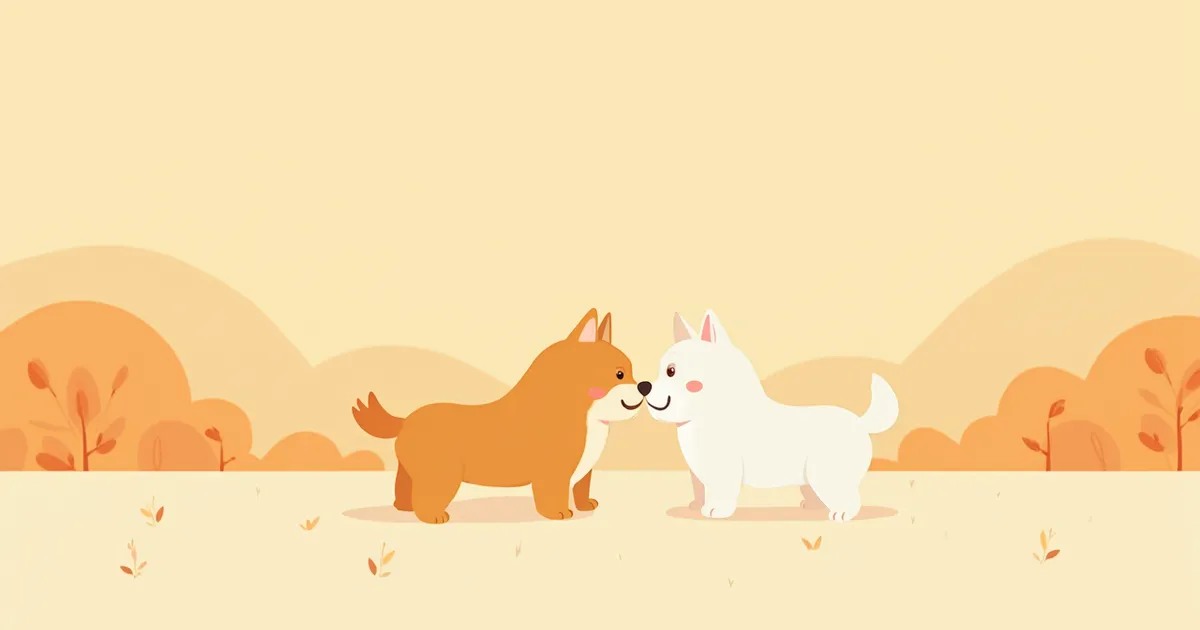
The basic greeting sequence between dogs is: approach from the side, sniff each other’s rear ends, explore for three seconds, then separate. Avoid letting them face each other head-on; instead, walk in the same direction or approach at a diagonal angle. Keep the leash loose. A tight leash sends a tension signal to your dog, which can increase aggression. After they’ve exchanged scents for three seconds, use a “come” cue to briefly separate them. If both dogs appear calm and comfortable, allow them to approach again.
Two dogs greeting each other from the side while on loose leashes

Step-by-Step Guide to Training Greeting Manners

Good manners aren’t innate—they’re learned. It takes slow, step-by-step practice for them to truly take root. - Step 1: Basic Obedience: Train your dog to reliably respond to “sit,” “stay,” and “come” at home. - Step 2: Distance Exposure: Let your dog observe people and other dogs from a distance, and reward calm behavior with treats. - Step 3: Family and Friends: Practice greeting familiar people while in a “sit” position. - Step 4: Walk Encounters: Keep the leash loose, allow a brief 3-second greeting, then gently redirect your dog away. Repeat this process. - Step 5: Diverse Environments: Maintain the same good manners in unfamiliar places like cafes and parks. If you have an adult dog with limited socialization, check out our Dog Socialization Training Guide for more detailed methods.

Owners Must Intervene When Meeting Children

Children often move quickly toward a dog’s face or try to hug them, which can startle the dog or be perceived as a threat. According to veterinary behavior textbooks, such sudden movements can trigger anxiety or fear responses in dogs. Recognizing early stress signals—such as lip-licking, yawning, or avoiding eye contact—is the first step in preventing problems. Therefore, it’s safest for a guardian to supervise and guide interactions between children and dogs. When a child approaches, the guardian should hold the leash, ask the dog “Is it okay to pet?” and, once the dog consents, guide the child’s hand to stroke under the dog’s chin. Please avoid approaching the dog’s face or top of the head directly.

Reviewed by a veterinarian

Dr. Tony — Punnawat Phongkittirak

Dr. Tony — Punnawat Phongkittirak

Veterinarian

A veterinarian who majored in veterinary medicine at Khon Kaen University, Thailand, and completed the IVSA program at North Carolina State University in the United States. Drawing on clinical experience at animal hospitals, he works in the pet healthcare field and is dedicated to building a digital care environment that connects pet parents with veterinarians.

Frequently Asked Questions

Is it possible to train greeting manners even after a dog has reached adulthood?
Yes, it is possible. Although it will take longer than during the socialization period (3 to 13 weeks), it can be sufficiently improved through positive reinforcement training. Practice consistently for 5 to 10 minutes a day, starting with distance control. If the aggression is severe, we recommend consulting a veterinary behavior specialist.
My dog barks whenever he sees another dog. What should I do?
Most cases are triggered by excitement or fear. Use counterconditioning: redirect your dog’s attention with a treat before it starts barking, and reward it when it’s calm. It’s important to keep a safe distance from other dogs at first and gradually decrease it over time.
Why is it bad to pull the leash tightly?
A taut leash sends tension to your dog’s neck and front legs, which they may interpret as a signal of an immediate threat. This can trigger aggressive or defensive reactions. Always keep the leash loose in a U-shape, and we recommend using a harness.
How can I stop my dog from jumping on people?
The key is to consistently ignore your dog by turning your back and avoiding eye contact when they jump up. As soon as all four paws are on the ground, reward them with a treat and praise. It’s important for everyone in the family to follow the same rules to correct the behavior quickly.
What should I do if another dog runs toward my dog first during a walk?
Turn your dog’s body to avoid facing the other dog directly, and redirect your dog’s attention with a “come” cue. It’s also a good idea to politely inform the other owner, “We’re going to skip the greeting.” Not every dog enjoys meeting others.

Share

Related Guides

References

[1] Englar RE. A guide to oral communication in veterinary medicine. 5M Publishing, 2020

[2] Introduction to Animal Behavior and Veterinary Behavioral Medicine (수의행동의학 교과서)

[3] The Veterinary Workbook of Small Animal Clinical Cases - Behavioral Cases

This information is based on veterinary literature and does not replace diagnosis or treatment. Please consult a veterinarian for specific health concerns.

Metapet Co., Ltd. | CEO: Park Sung-yong | Business Reg. No. 417-88-02562 | Seoul, South Korea | Customer Center

Does Your Dog Struggle with Greetings? Teaching Etiquette | Meongsiljang