Like
Share
멍실장
체중 감량 처방식 사료, 일반 다이어트 사료와 뭐가 다를까요?

How Do Weight-Loss Prescription Diets Differ from Regular Diets? Ingredient Differences and Selection Criteria

WeightQ&AMeongsiljang Veterinary Advisory Board

We’ll explain the definition of veterinary weight-loss prescription diets, how they differ from regular diet foods, and how to properly choose and feed them according to veterinary guidelines.

What Are Weight-Loss Prescription Diets?
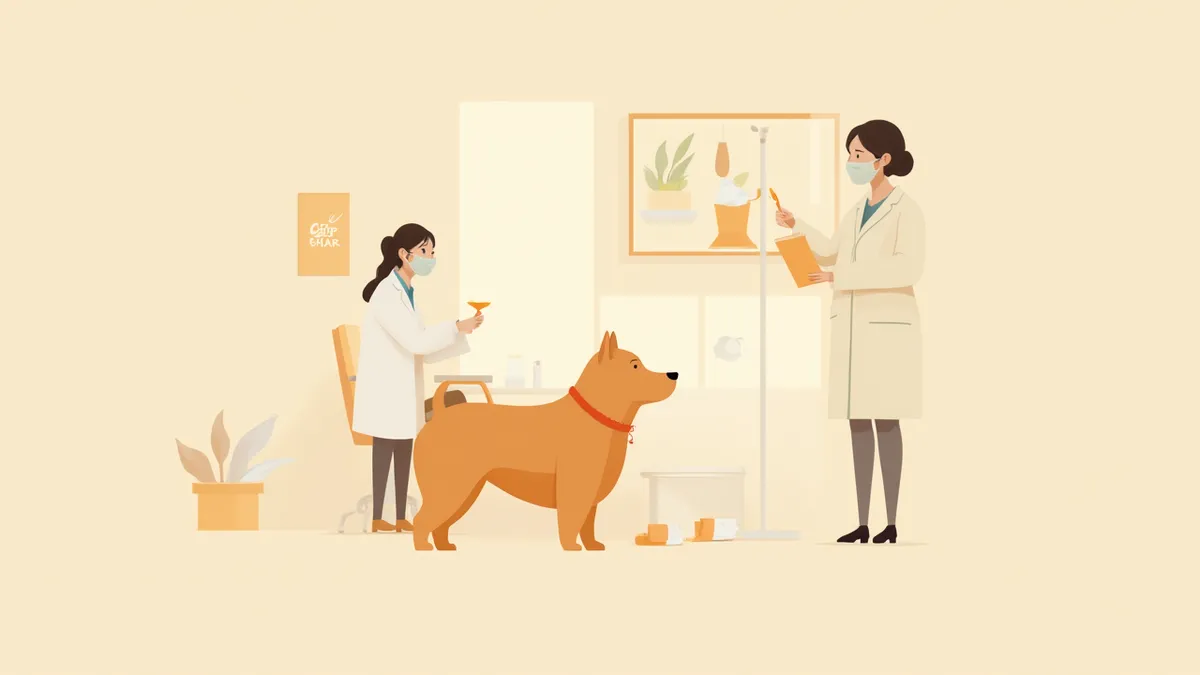
A veterinarian explaining weight-loss prescription diets to a pet owner.
Prescription weight-loss diets are therapeutic foods provided under veterinary guidance, featuring reduced calories and precisely balanced levels of protein, fiber, and essential nutrients. The key distinction from regular "diet" foods is that they are specifically designed to maintain muscle mass and prevent nutrient deficiencies during weight loss. We recommend consulting your veterinarian before feeding this diet to pets classified as obese based on their Body Condition Score (BCS) or those with underlying conditions such as joint, heart, or diabetes issues.

What’s the Difference Between Regular Diet Foods and Prescription Diets?

Many commercial diets labeled “diet,” “light,” or “low-calorie” simply contain slightly fewer calories than regular foods. In contrast, prescription diets are specifically formulated to significantly reduce caloric density while increasing protein to help prevent muscle loss, and they include added ingredients such as L-carnitine, fiber, and omega-3 fatty acids to support fat metabolism. Veterinary internal medicine textbooks emphasize that the key to treating obesity is not just simple calorie restriction, but rather calorie restriction that maintains proper nutritional balance.

Comparison of Regular Diet vs. Prescription Weight-Loss Diets

ItemRegular Diet FoodWeight-Loss Prescription Food
Calorie LevelSimilar to or slightly lower than regular adult dog foodDesigned with low energy density (varies by brand)
Protein ContentStandard levelKept relatively high (to prevent muscle loss)
L-Carnitine AddedFalseTrue
Fiber ContentRelatively lowHigh-fiber design (manages satiety and energy density)
Veterinary Prescription RequiredFalseTrue
Underlying Condition ManagementNoneSupports joints, diabetes, heart

Specific values may vary by brand. Before actually feeding, be sure to check the product label and consult your veterinarian.

When Should You Switch to a Prescription Diet?
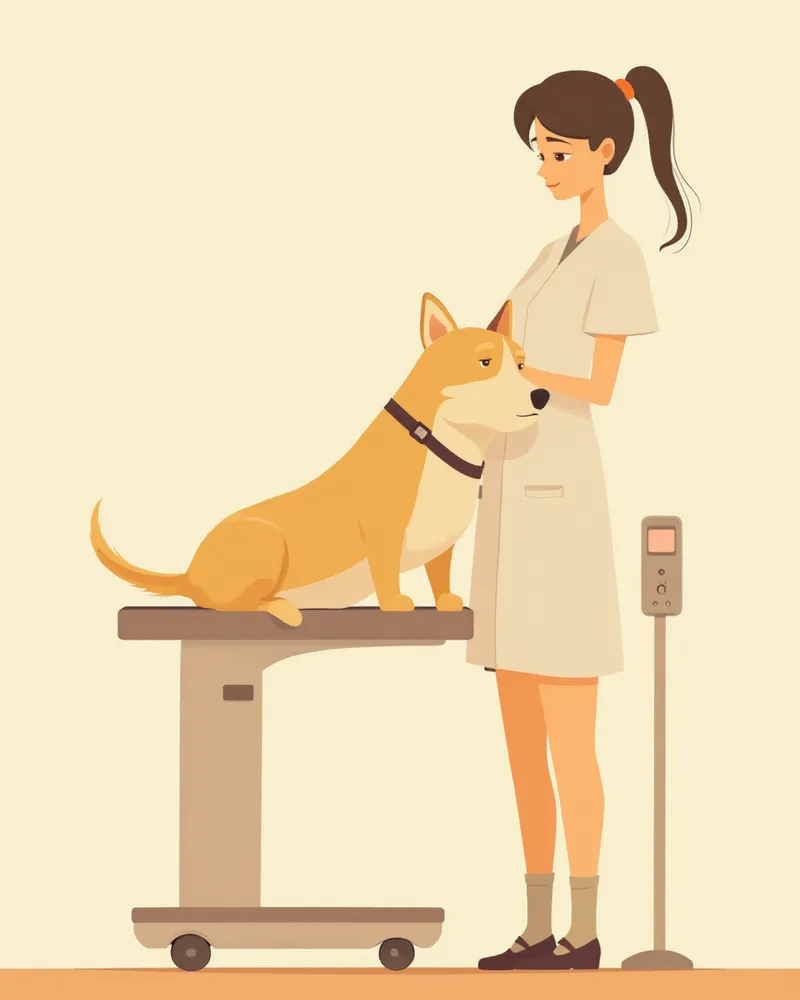
If your pet exhibits two or more of the following signs, consider transitioning to a prescription diet after consulting with your veterinarian: - Body Condition Score (BCS) of 7 or higher: Ribs cannot be felt, and the waistline is no longer visible. - Clear overweight status: Weighing 10–20% above ideal body weight is considered overweight, while exceeding 20% is classified as obesity. (Accurate assessment requires a veterinarian to evaluate both weight and body condition comprehensively.) - Failure to lose weight over a significant period despite feeding a standard weight-management diet. - Presence of underlying conditions such as arthritis, diabetes, or Cushing’s disease. - Difficulty breathing or a sudden drop in activity level: Panting heavily after minimal exercise. We do not recommend switching to a prescription diet solely because your pet appears to have gained weight. First, consult your veterinarian to evaluate your pet’s current body condition and any underlying health issues.
A veterinarian evaluating the weight and body condition of an overweight puppy.

Self-Diagnosed Feeding Can Be Risky

Prescription diets have specially formulated ingredient ratios, so feeding them long-term to healthy pets can lead to nutritional imbalances. They may not be suitable for pregnant or nursing animals, growing puppies, or pets with kidney failure or pancreatitis. A veterinarian must assess your pet’s weight, body condition, and any underlying health issues before recommending a specific product and determining the appropriate feeding amount.

How to Feed Prescription Diets

When it comes to prescription diets, *how* you feed is just as important as *how much*. Here are the basic principles: - Base portions on target weight: Calculate calories based on the ideal weight set by your veterinarian, not your pet’s current weight. - Transition over 7–10 days: Gradually increase the ratio of the new food by mixing it with the old food. - Keep treats under 10% of daily calories: This ensures the calorie restrictions of the prescription diet aren’t compromised. - Check weight every 2–4 weeks: Veterinary textbooks report that weight loss should occur at a steady rate of about 0.75% per week on average. Use this as a reference and work with your vet to adjust the pace as needed. Rapid weight loss can lead to muscle loss and nutritional imbalances, so it’s best not to rush the process.
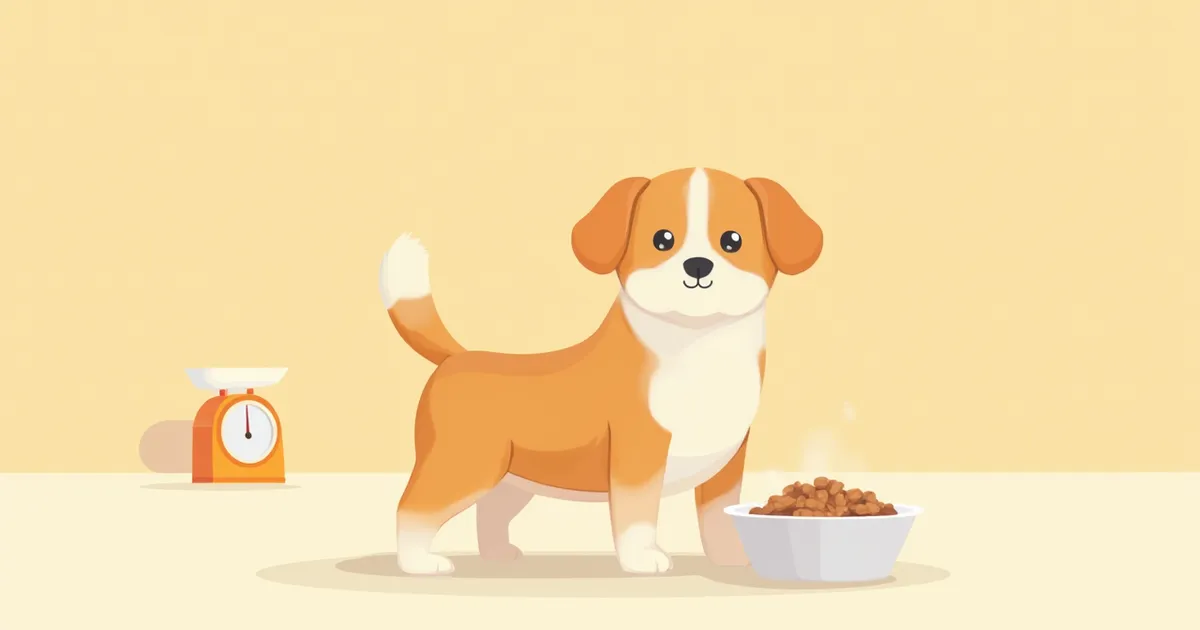
Accurately measuring prescription pet food using a digital scale

Management Points to Keep in Mind Alongside Prescription Diets

Simply switching to a prescription diet won’t cause rapid weight loss. To maximize the benefits of the therapeutic food, please also adopt these habits: - Walk time: At least 20–30 minutes per walk, twice daily - Increase meal frequency: Divide food into 2–3 meals per day to reduce fasting periods - Use a slow feeder: Helps increase satiety and control eating speed - Track weight: Measure and record weight once a week at the same time If your dog has joint issues, also refer to our Patellar Luxation Management Guide.

Consult Your Veterinarian Immediately If You Notice These Changes

If your pet loses its appetite entirely, experiences persistent diarrhea or vomiting, suffers from severe hair loss, or becomes lethargic while on a prescription diet, please visit the clinic immediately. This could indicate that the product is unsuitable or that another condition has developed. Additionally, once your pet reaches its target weight, be sure to consult with your veterinarian about when to transition to a regular maintenance diet.

Reviewed by a veterinarian

Dr. Tony — Punnawat Phongkittirak

Dr. Tony — Punnawat Phongkittirak

Veterinarian

A veterinarian who majored in veterinary medicine at Khon Kaen University, Thailand, and completed the IVSA program at North Carolina State University in the United States. Drawing on clinical experience at animal hospitals, he works in the pet healthcare field and is dedicated to building a digital care environment that connects pet parents with veterinarians.

Frequently Asked Questions

Can weight-loss prescription diets be fed to pets for life?
As a general rule, this food should only be fed until your pet reaches its target weight. Once that goal is achieved, switch to a standard maintenance diet or a maintenance prescription food. However, if your pet requires long-term weight management due to an underlying medical condition, you may continue feeding this formula under your veterinarian’s guidance.
Should I completely stop giving treats?
You don’t need to eliminate treats entirely. You can offer small amounts of low-calorie options—such as boiled chicken breast, cucumber, or carrot—as long as they make up no more than 10% of your pet’s total daily caloric intake. However, human food and high-fat dried meats should be strictly avoided.
The weight loss is progressing too slowly. Should I reduce the amount of food even further?
We don’t recommend cutting back on your pet’s food without guidance. Veterinary textbooks report that healthy weight loss occurs at a steady rate of about 0.75% per week on average. Losing weight too quickly can lead to muscle loss and nutritional imbalances. Your veterinarian will determine the appropriate weight loss rate and target based on a comprehensive assessment of your pet’s weight and body condition. If weight loss stalls, review your pet’s exercise routine, treat intake, and check for any underlying metabolic conditions.
I have multiple pets, but only one needs a prescription diet. What should I do?
Keep each dog’s eating area separate, offer meals only at set times, and remove the bowls afterward. Prescription diets can cause nutritional imbalances if healthy dogs consume them long-term, so managing feeding spaces is essential.
Which is better, wet or dry prescription food?
If your main goal is weight loss, dry food is a convenient and cost-effective option for managing calorie intake. However, wet food may be a better fit for dogs with a decreased appetite or senior dogs with dental issues. You can also mix both types, so be sure to discuss the best approach with your veterinarian.

Share

Related Guides

References

[1] Fascetti AJ, Delaney SJ. Applied Veterinary Clinical Nutrition, 2nd Ed. Chapter 8: Commercial and Home-Prepared Diets

[2] Ettinger SJ, Feldman EC. Textbook of Veterinary Internal Medicine, Obesity Management

[3] Little S. The Dog Care Handbook: Things I Wish My Vet Had Told Me

This information is based on veterinary literature and does not replace diagnosis or treatment. Please consult a veterinarian for specific health concerns.

Metapet Co., Ltd. | CEO: Park Sung-yong | Business Reg. No. 417-88-02562 | Seoul, South Korea | Customer Center

Weight-Loss Prescription Diets vs. Regular: What Differs? | Meongsiljang