Like
Share
멍실장
해외 비행 검역·서류 완벽 정리

Complete Guide to International Pet Travel Quarantine and Documents

ImmunityQ&AMeongsiljang Veterinary Advisory Board

We’ve put together a clear, step-by-step guide to the quarantine documents and preparations you’ll need when traveling abroad with your pet. We also cover country-specific requirements and the minimum lead time needed, so you can plan with confidence.

What Are International Quarantine Documents?

A dog and a cat sitting next to a passport and a health certificate
International quarantine documents are the official certificates you must submit during the departure and entry process when taking your pet to another country. The most critical factor is timing. Rabies antibody testing and microchip registration must begin at least 30 days to six months before departure, so booking your flight first will leave you too little time. The fundamental rule is to first check the destination country’s requirements and then work backward with your veterinarian to plan the schedule accordingly.

Four Essential Basic Documents

No matter which country you’re traveling to, there are four essential documents you’ll need: - Microchip Registration Certificate: The microchip must be ISO 11784/11785 compliant (15-digit) - Rabies Vaccination Certificate: An original document showing the vaccination date, manufacturer, and lot number - Rabies Antibody Test Result: A titer level of at least 0.5 IU/ml is required - Health Certificate: Must be issued within 10 days of departure and bear the official seal of the Animal and Plant Quarantine Agency If even one of these documents is missing, your pet will be turned away at the departure airport.

Comparison of Quarantine Requirements by Major Country

ItemKorea→USAKorea→JapanKorea→EU
MicrochipTrueTrueTrue
Waiting period after rabies vaccination30 days180 days21 days
Antibody titer testNot requiredRequired (180 days after blood draw)Required (90 days after blood draw)
Advance notificationNot requiredRequired 40 days in advanceNot required
Minimum preparation periodAbout 1 monthAbout 7 monthsAbout 4 months

Summary of key requirements as of 2024 — policies vary by country and change frequently, so check the latest information with the Animal and Plant Quarantine Agency or the relevant country's embassy

Preparation Timeline: Reverse Calculation Is Essential

Countries like Japan and those in the EU require a rabies antibody test, and they have a mandatory waiting period between the blood draw date and your departure. For example, Japan requires 180 days to pass after the blood test before entry is allowed, meaning you’ll need to visit the vet at least seven months before your trip. If the vaccination expires during this waiting period, you’ll have to start the entire process over from the beginning, so it’s safest to plan your schedule together with your veterinarian.

Rabies Antibody Titer Test: What You Need to Know
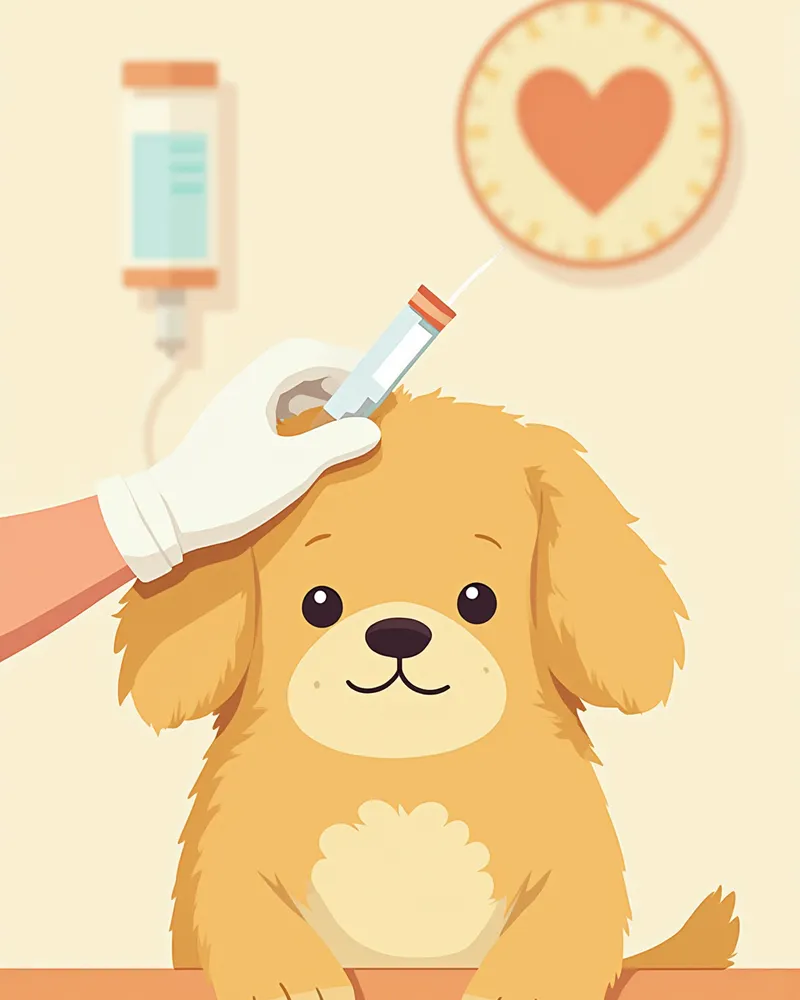
The rabies antibody titer test checks whether your pet has developed sufficient antibodies in their blood after vaccination. The internationally recognized standard threshold is 0.5 IU/mL or higher. - When to test: Blood must be drawn at least 30 days after the rabies vaccination. - Approved laboratories: In South Korea, only facilities designated by the Animal and Plant Quarantine Agency are accepted. - Validity period: This varies by country (for example, two years in Japan, and within the vaccine’s validity period in the EU). - Retesting: If the titer falls below the required level, a booster vaccination is needed, followed by another blood draw. Please factor in the 2–4 weeks required to receive the results after blood collection when planning your schedule.
A puppy quietly getting its blood drawn at the animal hospital.

Microchip: Order Matters

The microchip must be implanted before the rabies vaccination. Vaccination records obtained prior to microchip implantation may not be recognized in certain countries. If the microchip does not comply with ISO 11784/11785 standards, it may not be readable at international airports, requiring the pet owner to bring their own compatible scanner. In South Korea, the microchip number registered with the local city, county, or district office through the mandatory pet registration system is directly included on the veterinary health certificate.

Departure Day: Step-by-Step Process

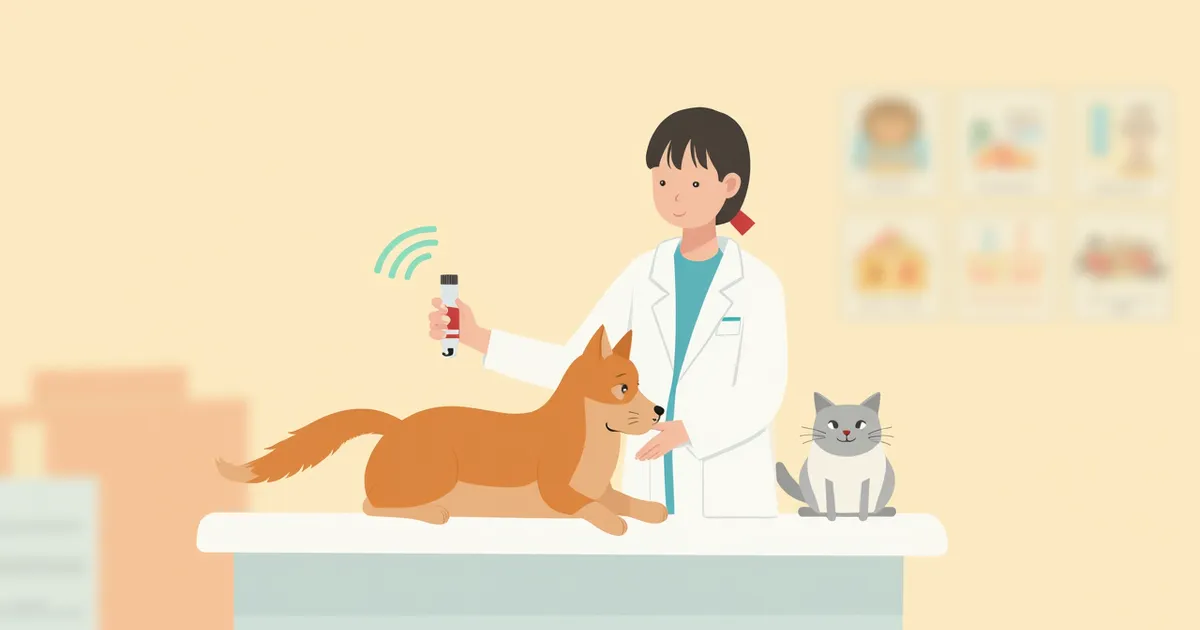
On the day of departure, you must first visit the animal quarantine office at the airport. - Arrival time: It is recommended to arrive at the airport 3 hours before your flight departs. - Required documents: Original quarantine certificate, vaccination certificate, antibody test results, passport, and boarding pass. - Quarantine officer inspection: Microchip scan → document verification → issuance of the exit quarantine certificate. - Boarding procedures: Submit the documents stamped with the quarantine seal to the airline counter. If even one document is not an original, you will not be cleared for travel. Copies, photos, or email files are not accepted.
A dog carrier being scanned for a microchip at an airport quarantine counter

Cats and Brachycephalic Breeds Require Additional Checks

While rabies vaccination is not mandatory for cats under domestic regulations, most countries require the same standards for cats as for dogs upon international entry. If your cat is unvaccinated, you should begin the vaccination process before finalizing your travel plans. Additionally, some airlines prohibit the transport of brachycephalic breeds such as Pekingese, Bulldogs, and Persians during the summer months, so it is advisable to verify the airline’s specific breed policies to ensure a safe journey.

Reviewed by a veterinarian

Dr. Tony — Punnawat Phongkittirak

Dr. Tony — Punnawat Phongkittirak

Veterinarian

A veterinarian who majored in veterinary medicine at Khon Kaen University, Thailand, and completed the IVSA program at North Carolina State University in the United States. Drawing on clinical experience at animal hospitals, he works in the pet healthcare field and is dedicated to building a digital care environment that connects pet parents with veterinarians.

Frequently Asked Questions

When should I obtain a quarantine certificate?
The certificate is only valid if issued within 10 days of departure. If you get it too early, it may expire before you travel, requiring you to obtain a new one. Typically, you’ll receive the certificate from a veterinary clinic 3–5 days before departure, then have it stamped and verified by the Animal and Plant Quarantine Agency.
What should I do if my pet’s rabies antibody titer is below the recommended level?
If the titer is below 0.5 IU/ml, a booster rabies vaccination is required, followed by a retest after 30 days. After the retest, you must complete another waiting period (90–180 days, depending on the country), which can effectively delay departure by several months.
Is there a service that can handle the paperwork for me?
Pet relocation agencies and some veterinary clinics can handle the paperwork for you. However, you must personally bring your pet for vaccinations, blood draws, and microchip implantation. The agency’s services are limited to administrative tasks such as document translation, visits to the Animal and Plant Quarantine Agency, and airline reservations.
Which is safer for pets: traveling in the cabin with you or being transported in the cargo hold?
The requirements vary depending on your pet’s weight and the airline’s specific regulations. Generally, small dogs and cats weighing 7–8 kg or less can travel in the cabin with you, while those exceeding this weight must be transported as cargo in the hold. Although the cargo hold is temperature- and pressure-controlled, pets are prone to stress, so it is advisable to consult your veterinarian about sedation options in advance, especially for long-distance flights.
Do I need paperwork when bringing my pet back into Korea?
Yes, you’ll need the quarantine certificate issued by the country of origin, along with proof of rabies vaccination and antibody titers, when returning to Korea. The process is relatively straightforward if you’re coming from a rabies-free country, but if you’re arriving from a non-rabies-free country, your pet may be subject to mandatory quarantine (isolation), so it’s essential to verify the requirements in advance.

Share

Related Guides

References

[1] 농림축산검역본부, 반려동물 검역 안내 지침, 2024

[2] World Organisation for Animal Health (WOAH), Terrestrial Animal Health Code — Chapter 8.14 Rabies, 2023

[3] Ettinger SJ, Feldman EC, Cote E, Textbook of Veterinary Internal Medicine, 8th Edition — Infectious Diseases, 2017

This information is based on veterinary literature and does not replace diagnosis or treatment. Please consult a veterinarian for specific health concerns.

Metapet Co., Ltd. | CEO: Park Sung-yong | Business Reg. No. 417-88-02562 | Seoul, South Korea | Customer Center

Pet Travel Abroad: Quarantine Documents & Prep Guide | Meongsiljang