Like
Share
멍실장
진정마취 약물 가이드 - 전마취제 종류와 안전한 사용법

Sedation and Anesthesia Medication Guide: Types of Pre-anesthetics and Safe Usage

ImmunityQ&AMeongsiljang Veterinary Advisory Board

Sedation and anesthesia are essential steps before pet surgeries and examinations to reduce anxiety and pain. I’ll explain the types of medications and safety guidelines in an easy-to-understand way.

What is Sedation and Anesthesia?
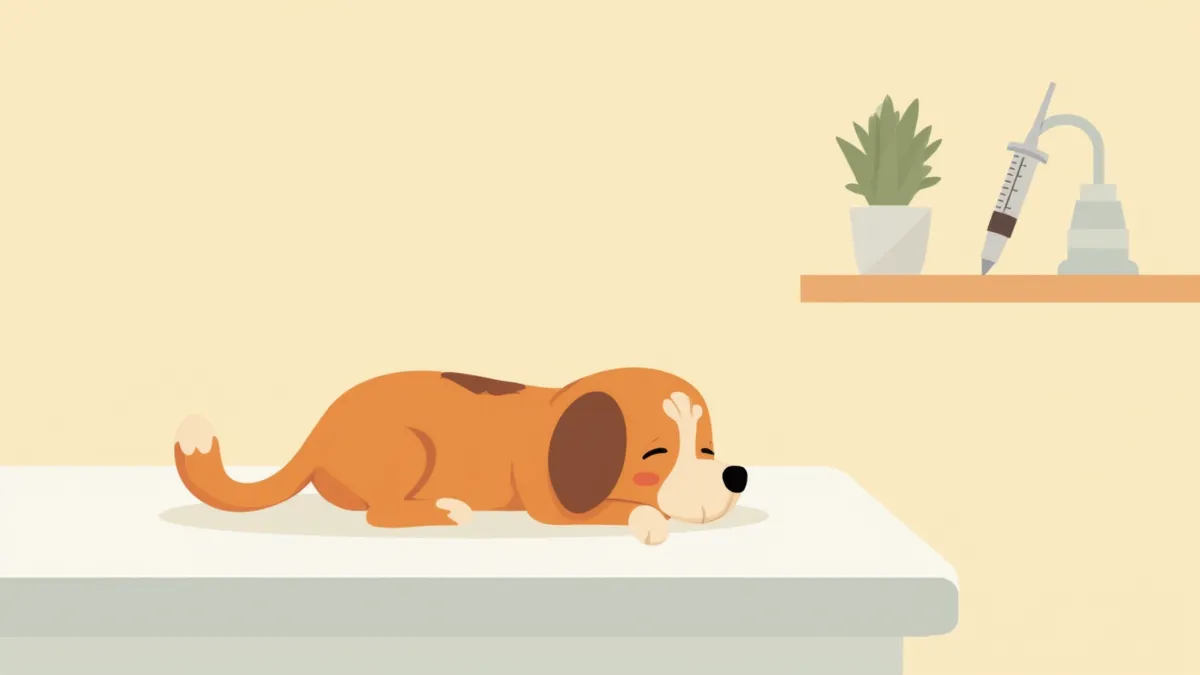
A dog lying calmly and stably during the preparation for sedation and anesthesia.
Sedation and anesthesia are drug-based procedures used to reduce anxiety, pain, and movement in pets before surgeries, imaging studies, or dental treatments. What truly matters is not the pet’s condition on the day of surgery, but rather the pre-anesthetic examinations and the selection of appropriate medications. Pre-anesthetic agents help reduce the required dose of the main anesthetic, thereby minimizing stress on the heart and respiratory system. According to veterinary anesthesia textbooks, anesthesia-related complications can occur at any stage of the process, including intraoperative hypotension and cardiac arrhythmias, as well as postoperative vomiting, aspiration pneumonia, and respiratory issues during recovery. Therefore, every step—from medication selection to post-anesthetic care—is crucial.

Why Are Pre-anesthetics Used Separately?

Administering the main anesthetic all at once can result in a high dose, causing a sudden drop in blood pressure and respiration. Therefore, veterinarians first administer a pre-anesthetic to reduce anxiety, then use the minimum effective dose of the main anesthetic. According to veterinary anesthesia textbooks, the five main purposes of pre-anesthesia (premedication) are: relieving anxiety (sedation), facilitating the placement of intravenous catheters, reducing the dose of induction agents, lowering the concentration of maintenance inhalant anesthetics, and blocking pain during and after surgery (analgesia). By administering these drugs in stages, the burden on the heart and lungs is reduced compared to giving a large single dose, and the risk of complications such as post-anesthetic vomiting and aspiration pneumonia is also minimized.

Comparison of Commonly Used Pre-anesthetic Medications

Veterinarians select and prescribe the following medications—either individually or in combination—based on your pet’s weight, age, and cardiac condition. While you won’t determine the dosage yourself, understanding which classes of drugs are being used can help you have more informed conversations with your veterinarian.

Characteristics of Sedative and Pre-anesthetic Drug Classes

ItemAcepromazine classDexmedetomidine classOpioid class
Primary effectSedation & anxiety reliefStrong sedation & analgesiaAnalgesia & cough suppression
Cardiac burdenPossible drop in blood pressureAccompanied by bradycardiaRelatively low
Target of useHealthy young petsShort procedures & X-raysPain management before & during surgery
Cautionary breeds & situationsBoxer & GreyhoundHeart diseaseElderly & respiratorily weak pets

Drug selection must always be decided by a veterinarian based on the individual's condition.

Essential Pre-anesthetic Examinations
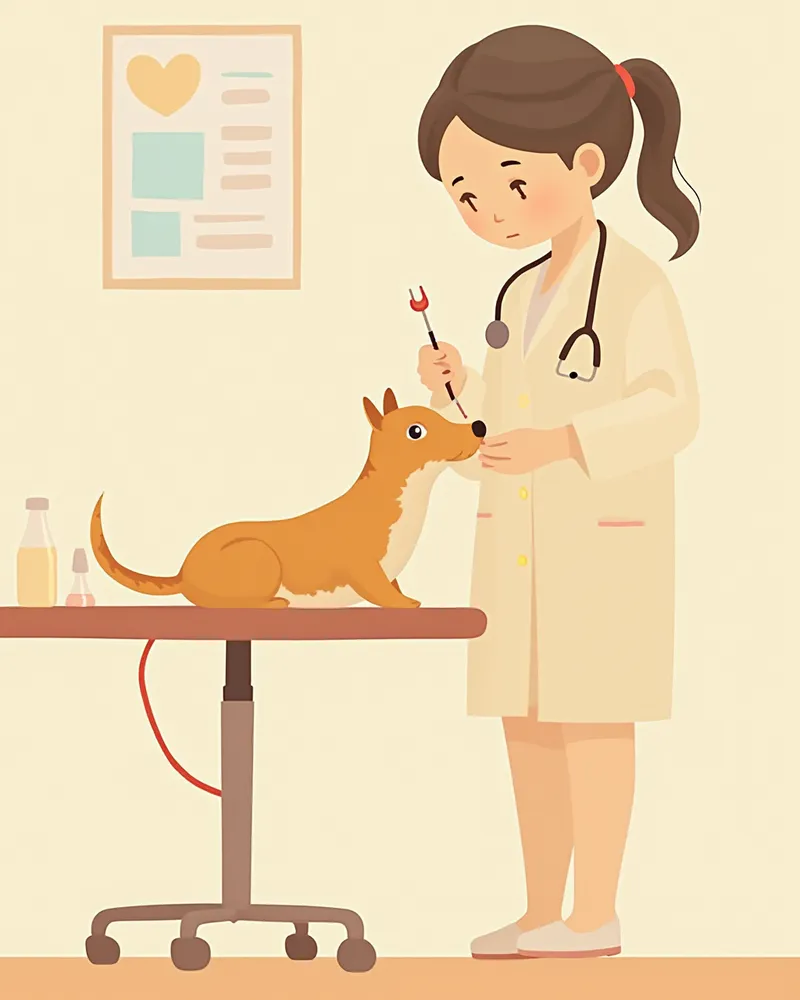
Even if your pet appears perfectly healthy to you, it’s essential to check their internal organ function before sedation or anesthesia. Here’s how the main pre-anesthetic tests are structured:
Physical Examination: Checking for heart murmurs, lung sounds, and body temperature
Blood Tests: Screening for anemia, liver function, and kidney values
Electrocardiogram (ECG): Detecting any arrhythmias
Chest X-ray: Recommended for middle-aged and older pets, or those with underlying health conditions
According to veterinary anesthesiology textbooks, the foundation of safe anesthesia is classifying risk levels (ASA grading) through pre-anesthetic testing, then tailoring the medications accordingly.
A dog undergoing a pre-anesthesia blood test

Conditions That Increase Anesthesia Risk

Senior pets, those with heart disease, brachycephalic breeds (such as Pugs, Bulldogs, and Persians), animals with hypothyroidism, and overweight pets are at higher risk for complications like breathing difficulties and aspiration pneumonia during anesthesia and recovery. Note that "senior" is not defined by a single age but varies by breed and life expectancy; veterinary guidelines generally consider a pet senior once it has reached about 75–80% of its expected lifespan. Consequently, large-breed dogs may be considered senior at 6 years or older, while small-breed dogs may be considered senior at 12 years or older. If your pet falls into any of these categories, please inform your veterinarian in advance and bring recent medical records related to any underlying conditions. Additionally, pre-anesthetic fasting from food and water is crucial to prevent vomiting and aspiration of stomach contents, so please strictly follow the specific timing instructions provided by your veterinarian.

Special Precautions by Breed and Condition
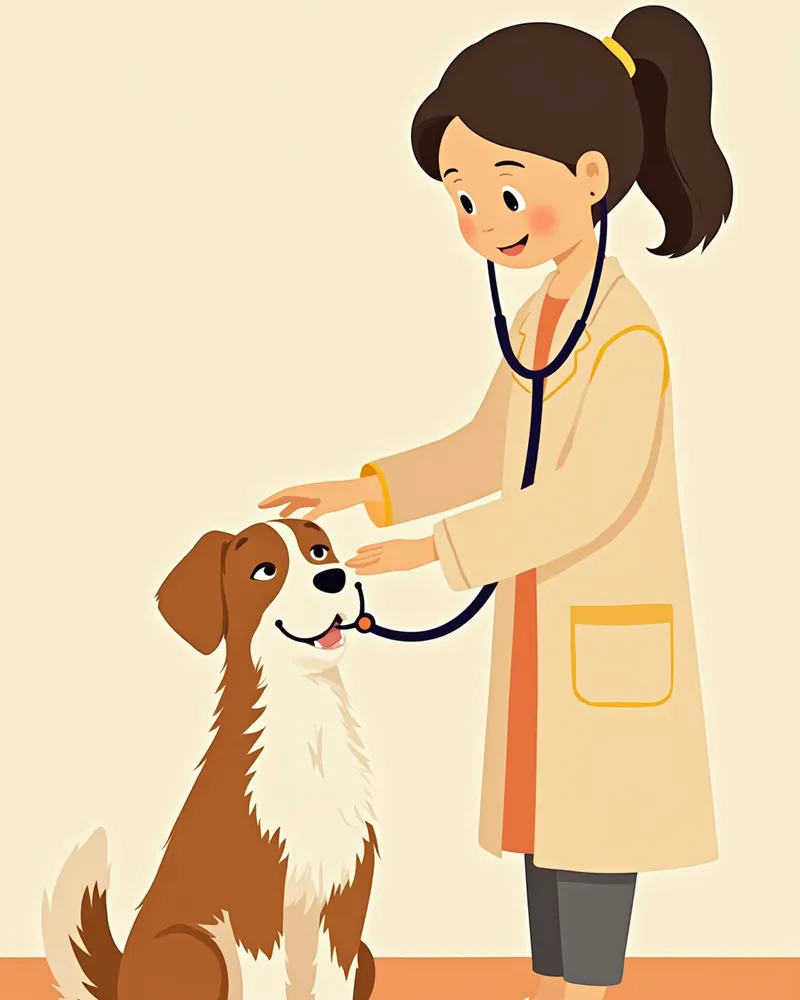
Certain breeds are more sensitive to specific medications.
Collies, Shetland Sheepdogs, and Border Collies: May have an exaggerated response to some sedatives due to a genetic mutation affecting drug metabolism.
Boxers: Can experience a drop in blood pressure when given drugs in the acepromazine class.
Persians and brachycephalic cats: Require endotracheal intubation and close monitoring during recovery due to their unique airway anatomy.
Pets with heart disease: Drugs in the dexmedetomidine class should be avoided, as they can worsen bradycardia (slow heart rate).
Sharing this information with your veterinarian beforehand helps ensure the safest possible medication choices for your pet.
A Border Collie undergoing a pre-anesthesia checkup

Key Points for Post-anesthesia Recovery Care

Complications related to anesthesia can occur not only during surgery but also during the recovery period after discharge, so careful observation at home is essential. Please monitor your pet for the following once you return home:
Respiration: Listen for snoring-like sounds and check for cyanosis (bluish discoloration of the skin or mucous membranes).
Body Temperature: If your pet feels cold to the touch, keep them warm with a blanket.
Water and Food: Wait until the time specified by your veterinarian before offering water or food.
Movement: Temporary unsteadiness may occur after anesthesia; however, if it persists or worsens, contact your clinic immediately.
If your pet experiences repeated vomiting or remains lethargic for more than 24 hours, there may be a risk of aspiration pneumonia, and a follow-up visit will be necessary.

Contact the Hospital Immediately for These Symptoms

After discharge, contact the hospital immediately if you notice any of the following symptoms: shallow and rapid breathing, pale or bluish gums, decreased consciousness or unresponsiveness, repeated vomiting or coughing, or bleeding from the surgical site. Emergency care during recovery is especially critical for brachycephalic breeds, senior pets, and those with underlying heart conditions.

Reviewed by a veterinarian

Dr. Tony — Punnawat Phongkittirak

Dr. Tony — Punnawat Phongkittirak

Veterinarian

A veterinarian who majored in veterinary medicine at Khon Kaen University, Thailand, and completed the IVSA program at North Carolina State University in the United States. Drawing on clinical experience at animal hospitals, he works in the pet healthcare field and is dedicated to building a digital care environment that connects pet parents with veterinarians.

Frequently Asked Questions

Are sedation and general anesthesia the same thing?
They’re different. Sedation is a light state where the animal remains conscious, whereas general anesthesia induces a complete loss of consciousness. Your veterinarian will choose the appropriate method based on the type of procedure and the level of pain involved.
Is anesthesia safe for senior dogs?
It is possible, but more thorough pre-anesthetic testing is essential. Veterinary research shows that senior pets have an increased risk of anesthesia-related complications, so it is important to evaluate heart, liver, and kidney function beforehand and adjust the type and dosage of medications according to each pet's individual condition.
Is fasting before anesthesia absolutely necessary?
Yes, it is absolutely necessary. If food remains in the stomach, the risk of vomiting and aspiration pneumonia during anesthesia increases significantly. The timing for starting fasting may vary depending on the type of procedure and your pet’s condition, so please be sure to follow the specific fasting and water-withholding instructions provided by your veterinarian.
Is anesthesia really necessary for such a quick test?
For procedures like X-rays, MRIs, and dental cleanings—where even slight movement can be dangerous or cause pain—keeping your pet awake can actually be riskier. Instead, we use short, light sedation to ensure their safety.
My child has never been under anesthesia before. Is it safe?
Even for a first-time anesthesia, it’s safe as long as pre-anesthetic testing and proper medication selection are done correctly. In fact, it’s even more important for pet owners to provide detailed information about their pet’s medical history, current medications, and any unusual reactions.

Share

Related Guides

References

[1] Pypendop BH, Ilkiw JE. Drugs and Techniques in Feline Anesthesia. The Cat: Clinical Medicine and Management, 2nd Edition

[2] Brodbelt D. Perioperative mortality in small animal anaesthesia. Vet J. 2009;182:152-161

[3] Ovbey DH et al. Prevalence and risk factors for canine post-anesthetic aspiration pneumonia (1999-2009). Vet Anaesth Analg. 2014;41(2):127-136

This information is based on veterinary literature and does not replace diagnosis or treatment. Please consult a veterinarian for specific health concerns.

Metapet Co., Ltd. | CEO: Park Sung-yong | Business Reg. No. 417-88-02562 | Seoul, South Korea | Customer Center

Pet Sedation & Anesthesia: Pre-Anesthetic Drug Guide | Meongsiljang