Like
Share
멍실장
고양이 갑상선 항진증 증상 — 식욕 폭발·체중감소 체크

Symptoms of Feline Hyperthyroidism — Check for Ravenous Appetite and Weight Loss

EndocrineQ&AMeongsiljang Veterinary Advisory Board

Here’s a summary of the key symptoms of feline hyperthyroidism and the checkpoints you can verify at home. If your cat is eating well but losing weight, this should be the first condition you suspect.

What Is Feline Hyperthyroidism?

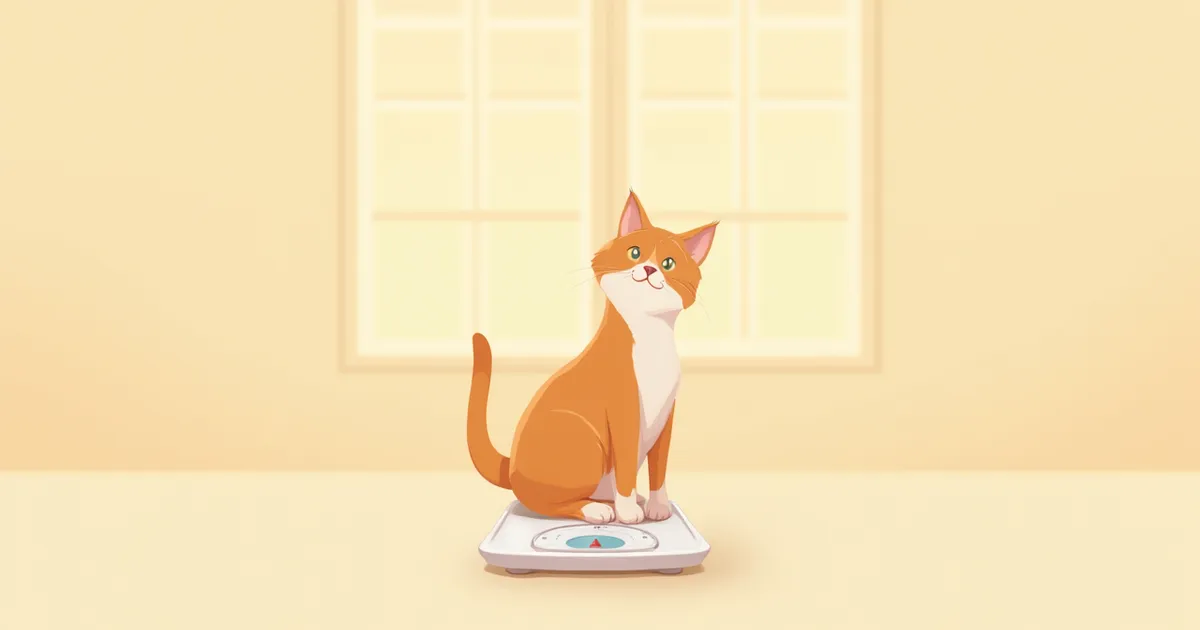
An elderly cat with a strong appetite but a thin body
Feline hyperthyroidism is an endocrine disorder in which the thyroid glands on either side of the neck secrete excessive hormones, causing abnormally accelerated metabolism throughout the body. The most critical sign to watch for is weight loss despite a good appetite. This condition primarily affects middle-aged and senior cats; the average age at diagnosis is approximately 13 years, and cases in cats under 10 years old are rare, accounting for about 6%. Therefore, it is a senior health concern that requires increased vigilance as cats age. In the early stages, only the appetite increases, leading owners to mistakenly assume their cat is doing well because it is eating well. If weight loss, polyphagia (overeating), and polyuria-polydipsia (increased urination and thirst) occur simultaneously, feline hyperthyroidism should be the primary suspected condition in senior cats.

Causes and Background of the Disease

Most cases of hyperthyroidism in cats are caused by benign nodular hyperplasia (adenomatous hyperplasia) of the thyroid gland. Approximately 98% of cases involve benign growths, while thyroid cancer accounts for only about 2%, making it rare. It is common for both thyroid lobes to enlarge simultaneously, and some cats may also have ectopic thyroid tissue located in the chest. Although the exact cause remains unclear, epidemiological studies have identified indoor living and consumption of canned food (particularly fish-flavored varieties) as risk factors. It is also important to understand that medication only suppresses hormone production and does not eliminate the tumor itself; over time, the nodules may continue to grow and produce even more hormones. Since this is a progressive age-related condition in senior cats, the best way to detect it early is for owners to regularly monitor and record changes in their cat’s weight and appetite.

Hyperthyroidism vs. Normal Aging Changes

ItemHyperthyroidismSimple AgingDiabetes
AppetiteExplosive increaseDecrease or maintainedIncreases then decreases in later stages
WeightRapid decreaseGradual decreaseDecrease
Activity LevelOverexcited, anxiousDecreased, increased sleepLethargic
Water IntakeIncreaseMaintainedGreatly increased
Heart RateTachycardia (faster than normal)NormalNormal to slightly increased
Coat ConditionMatted, rough, decreased groomingSlightly roughMaintained

Multiple diseases may be present simultaneously. Accurate differentiation must be done with blood tests (T4).

Checklist of 4 Key Symptoms to Monitor at Home

These are key signs you can monitor at home. If even one of these applies to your senior cat, we recommend having them checked. - Increased appetite: Eating noticeably more than usual without seeming satisfied - Weight loss: Losing noticeable weight despite eating well - Hyperactivity and restlessness: Increased nighttime vocalization, pacing, and inability to settle - Increased water intake and urination: Water bowl empties quickly and litter box visits increase - Coat changes: Reduced grooming leading to matted or dull fur on the back and sides - Vomiting and soft stools: Frequent vomiting and loose stools due to rapid intestinal motility The more signs overlap, the higher the likelihood of an underlying issue. Keep a log of any changes and share it with your veterinarian during the visit.
Symptoms of hyperthyroidism in cats that frequently drink water at night

Go to the Vet Within 24 Hours If You See These Signs

Excess thyroid hormone places the greatest strain on the heart. If you notice rapid breathing, panting with an open mouth, pale gums, or sudden weakness in the hind legs, suspect complications such as hypertrophic cardiomyopathy or aortic thromboembolism. Additionally, if your pet suddenly loses its appetite and becomes lethargic over the course of a few days, there may be a risk of a thyroid storm, so you should seek emergency veterinary care immediately, even at night.

How Is It Diagnosed at the Vet?
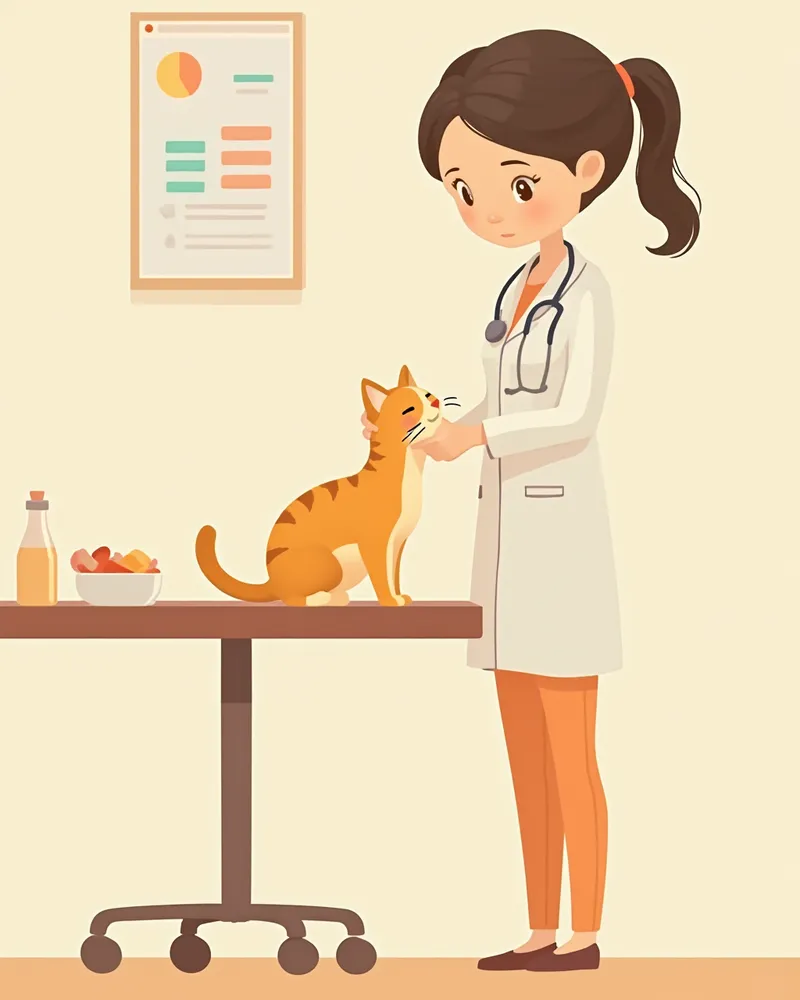
Diagnosis hinges on blood testing. Total T4 levels are elevated above the normal range in approximately 90% of cats with hyperthyroidism, and a confirmed elevation carries a high positive predictive value, making the diagnosis nearly certain. However, if results are borderline or near the upper limit of normal, it is standard to recheck total T4 in four weeks, measure free T4 and TSH, or perform a thyroid scintigraphy (scan). Concurrently, standard practice for senior cats includes assessing kidney function (BUN, creatinine, SDMA), blood pressure, and performing an echocardiogram. This comprehensive approach is essential because hyperthyroidism often masks underlying chronic kidney disease, which may only become apparent after treatment begins; thus, a full panel of tests is necessary to determine the correct treatment plan. A palpable thyroid nodule (goiter) also serves as a diagnostic clue.
Palpation of the feline cervical thyroid gland

4 Treatment Options — Which One to Choose?

There are four main treatment options available, and the best choice depends on your lifestyle and your cat’s specific condition. - Methimazole/Carbimazole: Daily oral antithyroid medication. It is the most common and cost-effective option, but it requires lifelong administration. - Radioactive Iodine Therapy: The standard curative treatment with a high success rate (>95%). It is curative and non-invasive, but requires isolation for a specific period due to radiation safety. - Thyroidectomy: Surgical removal of the thyroid gland, considered when the tumor is localized to one side. - Low-Iodine Prescription Diet: A supportive option for senior cats for whom medication or surgery may be difficult. Textbooks most strongly recommend radioactive iodine therapy because it is curative and non-invasive. The final decision is made after a thorough pre-treatment evaluation of overall health, including kidney function. Your veterinarian will determine the appropriate medication dosage and schedule based on your cat’s weight, liver values, and kidney values.

What Pet Owners Must Know During Medication Therapy

Methimazole works by inhibiting thyroid peroxidase, which blocks the production of thyroid hormones. Most side effects appear within the first six weeks (about one and a half months) after starting treatment, and may include loss of appetite, vomiting, or facial itching. If your pet gets through this initial period without issues, the likelihood of side effects decreases significantly afterward. For safety, we recommend rechecking total T4 levels every two to three weeks during the first two to three months. Hormone levels typically normalize within two to three weeks, but stopping the medication will cause them to rise again, so please do not discontinue it on your own. If your pet suddenly becomes lethargic, contact your veterinarian immediately.

Reviewed by a veterinarian

Dr. Tony — Punnawat Phongkittirak

Dr. Tony — Punnawat Phongkittirak

Veterinarian

A veterinarian who majored in veterinary medicine at Khon Kaen University, Thailand, and completed the IVSA program at North Carolina State University in the United States. Drawing on clinical experience at animal hospitals, he works in the pet healthcare field and is dedicated to building a digital care environment that connects pet parents with veterinarians.

Frequently Asked Questions

If a dog is eating well but losing weight, is it always a thyroid issue?
Not necessarily. Diabetes, chronic kidney disease, tumors, and parasitic infections can present with similar symptoms, so for senior cats, it’s best to combine the T4 test with comprehensive blood and urine tests for an accurate diagnosis.
At what age should I start being concerned?
This condition typically develops in middle-aged to older pets, with the average age at diagnosis being around 13 years. Cases occurring in pets under 10 years old are rare, accounting for only about 6%, so vigilance should increase with age. We recommend including a T4 test in annual senior health checkups for pets aged 7 and older.
Can it be managed with prescription medication alone?
Low-iodine prescription diets serve as a supportive measure when medications, surgery, or radioactive iodine therapy are not feasible. Their efficacy is limited when used alone, and mixing them with other foods can negate their benefits, so they should be fed exclusively.
I’ve heard that radioactive iodine therapy is beneficial, but are there any drawbacks?
After treatment, your cat will need to be hospitalized in isolation for one to two weeks, and the cost can be quite high all at once. Additionally, cats with severe kidney disease may develop kidney failure as their hormone levels return to normal, so a pre-treatment evaluation is essential.
When during treatment does the weight start to recover?
Once methimazole treatment begins, thyroid hormone levels typically normalize within 2–3 weeks, which helps stabilize your pet’s appetite. Weight gain usually follows gradually after that, so it’s a good idea to provide a senior-specific diet that is rich in protein during this period.

Share

Related Guides

References

[1] Little SE (ed.). The Cat, Clinical Medicine and Management, 2nd Edition. Saunders, 2024. Ch. Feline Hyperthyroidism

[2] Smith FWK, Tilley LP, Oyama MA, Sleeper MM. Textbook of Cardiovascular Medicine in Dogs and Cats. Wiley-Blackwell. Feline Hyperthyroidism Section

[3] Hill P, Warman S, Shawcross G. 100 Top Consultations in Small Animal General Practice. Blackwell Publishing, 2011. Ch. 75

[4] Peterson ME, Kintzer PP, Hurvitz AI. Methimazole treatment of 262 cats with hyperthyroidism. J Vet Intern Med. 1988;2:150

This information is based on veterinary literature and does not replace diagnosis or treatment. Please consult a veterinarian for specific health concerns.

Metapet Co., Ltd. | CEO: Park Sung-yong | Business Reg. No. 417-88-02562 | Seoul, South Korea | Customer Center

Feline Hyperthyroidism Symptoms: Ravenous Appetite & Weight Loss | Meongsiljang