
Frequently Asked Questions on Eliminating Fleas from Your Indoor Cat’s Environment — Key Information Every Pet Owner Should Know
Successfully eliminating fleas from your indoor cat’s environment requires more than just treating the cat—it means thoroughly cleaning and preventing infestations throughout your entire home. Here’s a summary of the essential information every pet owner should know.
Eliminating Fleas from Your Indoor Cat’s Environment Is Not Just Treatment, But a Comprehensive Strategy
Why Can Cat Fleas Occur Indoors?

5 Key Steps for Eliminating Indoor Fleas
If Fleas Spread in the Home, Both Cats and Humans Can Be Infected
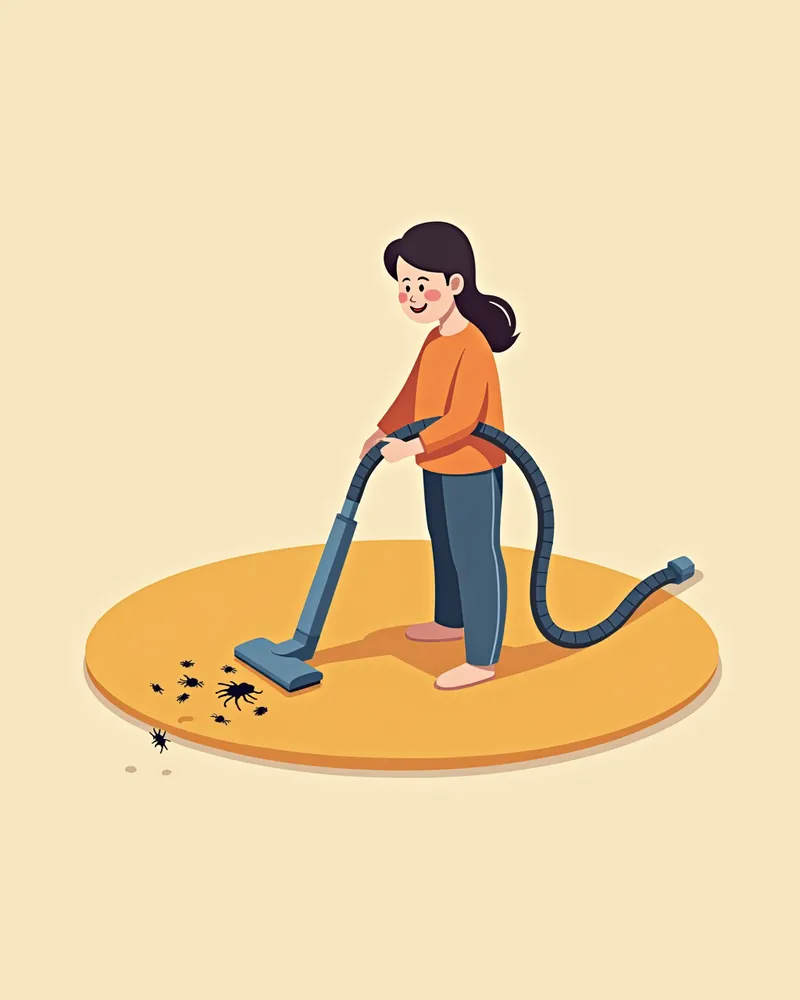
Cat fleas can bite a variety of hosts, including humans, causing itching and red spots. More importantly, fleas can transmit diseases. If accidentally ingested, they can cause infection with the tapeworm Dipylidium caninum, which is particularly concerning in children. Fleas can also carry various pathogens transmissible between animals and humans. Therefore, if fleas are found, immediate environmental cleaning, treatment of the cat, and treatment of any other cohabiting pets are essential. Since cat fleas can persist indoors for extended periods, neglecting the problem can increase the risk to human health.
Criteria for Selecting Flea Treatment Medications for Cats

Management Tips to Prevent Recurrence After Flea Elimination
Comparison Table of Flea Treatment Medications for Cats
| Item | Form of Use | Features | Precautions |
|---|---|---|---|
| Neck spot-on type | Applied by dropping onto the skin on the back of the neck | Used to eliminate adult fleas | Use according to body weight; frequent medicated shampoo baths can reduce effectiveness |
| Oral type | Form given by mouth | Used to eliminate adult fleas | Use a vet-recommended product according to body weight |
| Collar type | Fastened around the neck for continuous use | The active ingredient is released slowly | Effectiveness may decrease if it gets wet |
The duration varies by product, so choose a product recommended by your veterinarian and adjust the dosage according to body weight. To prevent reinfestation, it is best to manage consistently for at least 6 months.
Overdosing on Flea Treatment Medications for Cats Can Cause Side Effects
Flea medications for cats must be dosed according to your cat’s weight. Overdosing can cause side effects such as vomiting, diarrhea, and lethargy. Kittens and senior cats are especially sensitive, so it’s important to follow your veterinarian’s instructions carefully. If you notice any unusual symptoms after administering the medication, seek veterinary care immediately.
Reviewed by a veterinarian

Dr. Tony — Punnawat Phongkittirak
VeterinarianA veterinarian who majored in veterinary medicine at Khon Kaen University, Thailand, and completed the IVSA program at North Carolina State University in the United States. Drawing on clinical experience at animal hospitals, he works in the pet healthcare field and is dedicated to building a digital care environment that connects pet parents with veterinarians.
Reviewed 2026-06-29
Frequently Asked Questions
Can fleas on cats occur indoors as well?
Can a vacuum cleaner alone eliminate fleas?
When should I use flea treatment for my cat?
Can cat fleas affect humans too?
What should you do to prevent fleas from coming back after treatment?
Share
Related Guides

5 Flea and Tick Preventives for Cats Recommended by Veterinarians — Ingredient Safety Comparison

The Ultimate Guide to Differentiating Symptoms, Managing Internal Parasites in Dogs, and Choosing the Best Products

Best Practices and Selection Criteria for Dog Heartworm Antigen Testing
Cat Oral Rinse Product Comparison FAQ — Key Information Every Pet Owner Must Know

Feline Malocclusion FAQ — Key Information for Pet Owners

Cat Bad Breath (Halitosis) FAQ — Key Information Every Owner Must Know

Frequently Asked Questions About Feline Gingivitis — Key Points Pet Owners Must Know
Frequently Asked Questions About Canine Tumor Biopsy and Fine-Needle Aspiration — Key Points Every Pet Owner Should Know
Canine Transitional Cell Carcinoma (Bladder Cancer) FAQ — Key Information for Pet Owners

What Are Spleen Tumors in Dogs? — Differences Between Hemangiosarcoma and Nodular Types and Treatment Approaches
References
[1] BSAVA Manual of Canine and Feline Dermatology, 4th Ed, 2003
[2] Thiemann T, Fielden LJ, Kelrick MI (2003) Water uptake in the cat flea Ctenocephalides felis. Journal of Insect Physiology 49, 1085-1092
[3] Shaw SE, Kenny MJ, Tasker S et al. (2004) Pathogen carriage by the cat flea Ctenocephalides felis in the United Kingdom. Veterinary Microbiology 102, 183-186