Like
Share
멍실장
고양이 범백혈구감소증 증상과 예방

Symptoms and Prevention of Feline Panleukopenia

ImmunityQ&AMeongsiljang Veterinary Advisory Board

We’ve put together an easy-to-understand guide on the main symptoms, transmission routes, treatment options, and vaccination schedule for feline panleukopenia (also known as feline distemper).

What is Feline Panleukopenia?

A kitten looking at the camera at home
Feline panleukopenia is a life-threatening infectious disease caused by the feline parvovirus. It is most common and dangerous in young kittens, especially those that have not been vaccinated. In unvaccinated kittens, the mortality rate can exceed 90%, but proper vaccination can effectively prevent the disease. Common symptoms include sudden lethargy, depression, loss of appetite, vomiting, and high fever, with diarrhea sometimes present and sometimes absent. It is no exaggeration to say that vaccination status can determine whether our pet lives or dies.

Causes and Transmission Routes

Feline panleukopenia is caused by the feline parvovirus. Because this virus lacks an outer envelope, it is highly resistant to disinfection and can survive for extended periods in the environment. The virus is primarily shed in the feces and urine of infected cats and spreads via the fecal-oral route. Transmission can occur through direct contact, as well as indirectly through contaminated food and water bowls, litter boxes, bedding, and even on the hands or clothing of caregivers. Since standard disinfectants are often ineffective, surfaces should first be thoroughly cleaned with a detergent to remove organic matter, followed by disinfection with an oxidizing agent such as sodium hypochlorite (bleach). Kittens with immature immune systems and unvaccinated adult cats are at particularly high risk.

Checklist of Main Symptoms

Panleukopenia typically presents with acute symptoms within a few days of infection. If you notice any of the following signs, seek veterinary care immediately.
High fever: A fever often occurs initially, followed by a potential drop in body temperature.
Vomiting: Repeated vomiting, often containing foam, is common.
Diarrhea: While watery or bloody diarrhea may occur, not all cats will experience this symptom.
Loss of appetite: Cats may refuse both food and water.
Dehydration: Signs include reduced skin elasticity, dry gums, and sunken eyes.
Lethargy and depression: The cat may curl up in a corner, showing little movement and appearing listless.
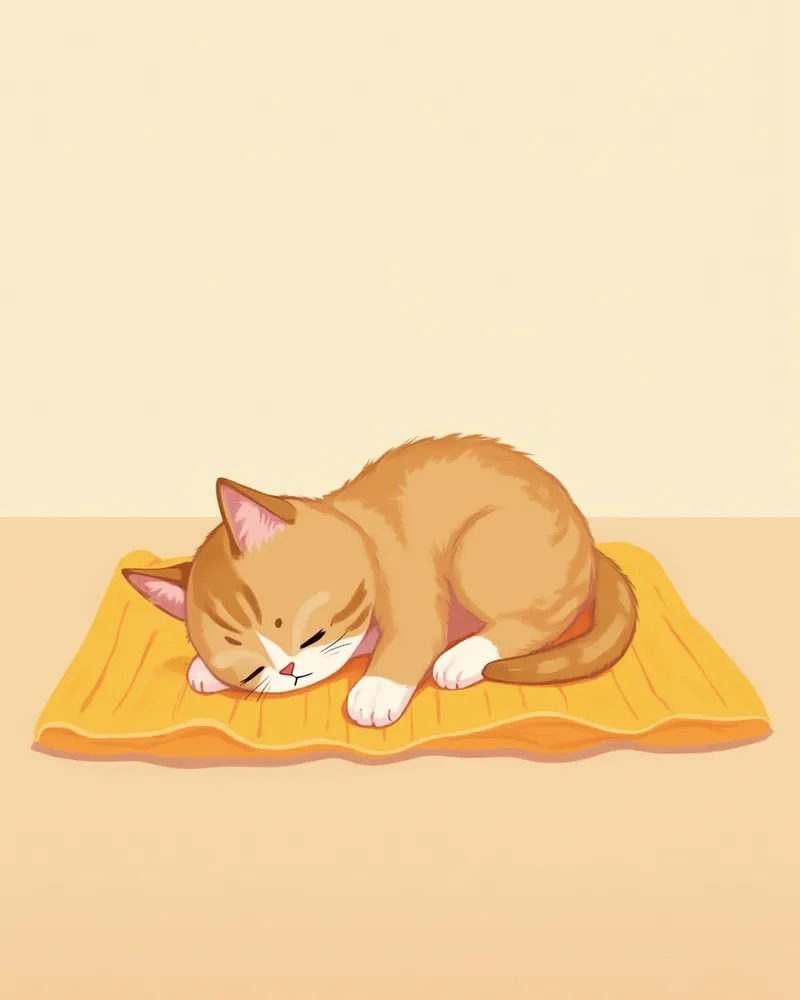
A cat lying listlessly on a blanket

Seek Veterinary Care Immediately for These Symptoms

If your kitten suddenly starts vomiting repeatedly or develops diarrhea, refuses to drink water, and appears lethargic, it could be an emergency. This is especially true if you notice an abnormally low body temperature or severe signs of dehydration—delaying treatment can be dangerous. Feline panleukopenia can deteriorate rapidly in young, unvaccinated kittens, with a mortality rate exceeding 90%; missing the critical window for treatment significantly reduces the chances of survival. Please visit an emergency veterinary clinic, even late at night.

Diagnosis and Treatment Methods
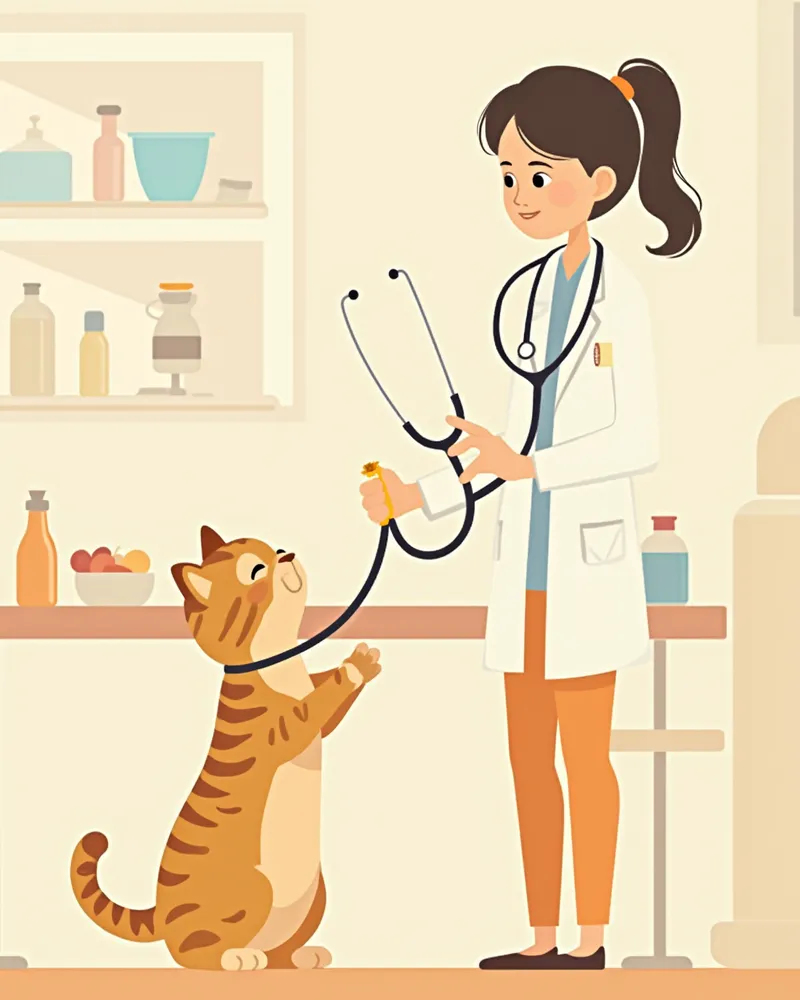
At the clinic, we check white blood cell counts through blood tests. As the name panleukopenia suggests, a sharp drop in white blood cells is the most prominent feature. We may also directly detect the virus using a fecal antigen test. Unfortunately, there is currently no treatment that directly kills the virus. The cornerstone of care is supportive therapy to help your pet’s immune system hold on until it can overcome the virus. This includes correcting dehydration with intravenous fluids, administering medications to control vomiting, and using antibiotics to prevent secondary bacterial infections.
A veterinarian examining a cat at the animal hospital.

Isolation and Environmental Disinfection During Treatment

Panleukopenia is highly contagious, so if you have multiple cats, it’s essential to isolate the infected cat. Keep them in a separate room with their own food and water bowls, litter box, and bedding, and wash your hands thoroughly before and after any contact. Maintaining strict hygiene is key to managing multi-cat households, and keeping cats in small, stable groups of three or fewer can also help reduce the risk of transmission. This virus is very resistant to disinfectants, so you must first clean away organic matter with a detergent, then disinfect with an oxidizing agent like sodium hypochlorite (bleach) to effectively kill the virus. Standard alcohol-based disinfectants are not effective against it. Even after recovery, cats can shed the virus for several weeks, so always consult your veterinarian before ending isolation.

Vaccination is the Most Effective Prevention
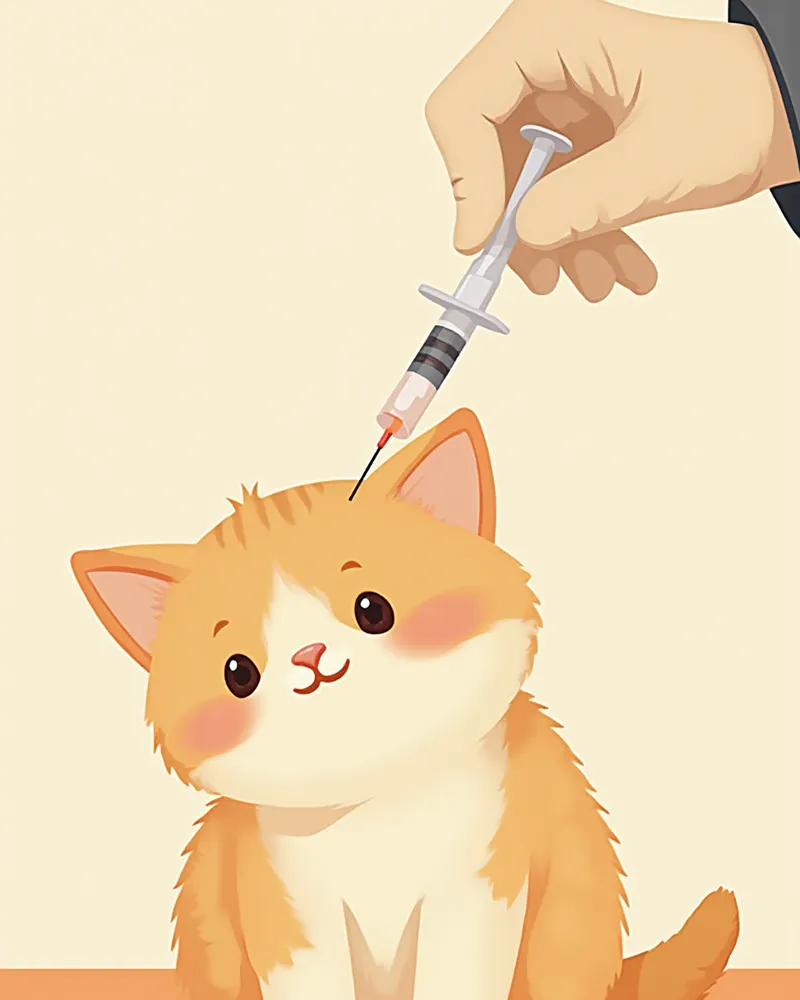
The panleukopenia vaccine is included in the core vaccination schedule for cats. However, because maternal antibodies passed from the mother can interfere with vaccine-induced immunity in young kittens, it is important to administer the vaccine in a series of doses at regular intervals, completing the final dose once the kitten has matured sufficiently.
Primary vaccination: Initiated at an early age
Booster vaccinations: Administered repeatedly at regular intervals
Final vaccination: Given once more after maternal antibodies have sufficiently waned
Revaccination: Administered thereafter according to the schedule recommended by your veterinarian
The exact timing and number of doses vary depending on your kitten’s individual health status and standard vaccination guidelines, so please consult your veterinarian to establish an appropriate schedule. It is particularly important for immune development that the final dose be administered after the kitten has grown sufficiently.
A kitten receiving vaccinations at a veterinary clinic

Important Checks Before Vaccination

Cats rescued from the streets or newly adopted should be kept away from other cats until their vaccinations are complete. If the home previously housed a cat that had feline panleukopenia, it must be thoroughly disinfected with bleach before bringing in a new cat. Live vaccines can cause problems in the fetus if given to pregnant queens, so please consult your veterinarian.

Reviewed by a veterinarian

Dr. Tony — Punnawat Phongkittirak

Dr. Tony — Punnawat Phongkittirak

Veterinarian

A veterinarian who majored in veterinary medicine at Khon Kaen University, Thailand, and completed the IVSA program at North Carolina State University in the United States. Drawing on clinical experience at animal hospitals, he works in the pet healthcare field and is dedicated to building a digital care environment that connects pet parents with veterinarians.

Frequently Asked Questions

Can pancytopenia be transmitted to humans?
No, feline parvovirus is not transmitted to humans. However, the virus can be carried on a caregiver’s hands or clothing and spread to other cats, so it’s essential to wash your hands and change your clothes after handling an infected cat.
Is it similar to canine parvovirus?
Canine parvovirus and feline panleukopenia virus are closely related members of the same parvovirus family. In fact, feline panleukopenia virus can sometimes be detected using the antigen test designed for canine parvovirus. However, they do affect different species. Both diseases share similar clinical signs and carry a high mortality rate.
Once your pet recovers, will they be immune and not get it again?
Cats that have recovered from panleukopenia develop strong immunity, making reinfection unlikely. However, they can still shed the virus for several weeks after recovery, so contact with other cats should be managed according to your veterinarian’s instructions.
If my pet stays indoors only, do they still need vaccinations?
No, indoor cats must also be vaccinated. Viruses can be tracked in on your shoes or clothing, and they are resistant to disinfectants and can survive in the environment for long periods. Keeping your cat indoors alone is not enough to provide complete protection.
Can adult cats also get feline panleukopenia?
Yes, adult cats that haven’t been vaccinated can still contract the disease. However, the severity of clinical signs depends on the age at infection, and adult cats often experience milder symptoms compared to kittens. Since this is a potentially serious illness, it’s essential to ensure your adult cat receives all necessary vaccinations.

Share

Related Guides

References

[1] Truyen U, Addie D, Belák S, et al. Feline Panleukopenia - ABCD Guidelines on Prevention and Management. Journal of Feline Medicine and Surgery, 2009;11(7):538-546

[2] Greene CE. Infectious Diseases of the Dog and Cat. 4th ed. Elsevier Saunders, 2012. Chapter 10: Feline Panleukopenia

[3] Day MJ, Horzinek MC, Schultz RD, Squires RA. WSAVA Guidelines for the Vaccination of Dogs and Cats. Journal of Small Animal Practice, 2016;57(1):E1-E45

[4] Sykes JE. Canine and Feline Infectious Diseases. Elsevier Saunders, 2014. Chapter 20: Feline Parvovirus Infection

This information is based on veterinary literature and does not replace diagnosis or treatment. Please consult a veterinarian for specific health concerns.

Metapet Co., Ltd. | CEO: Park Sung-yong | Business Reg. No. 417-88-02562 | Seoul, South Korea | Customer Center

Feline Panleukopenia: Symptoms and Vaccination Guide | Meongsiljang