

Environmental Stress in a New Home: Is My Pet Okay?
We’ve compiled a guide to the signs of environmental stress that can appear in new situations like moving, adoption, or travel, along with typical adjustment periods and step-by-step coping strategies for pet owners.
What Is Environmental Stress?
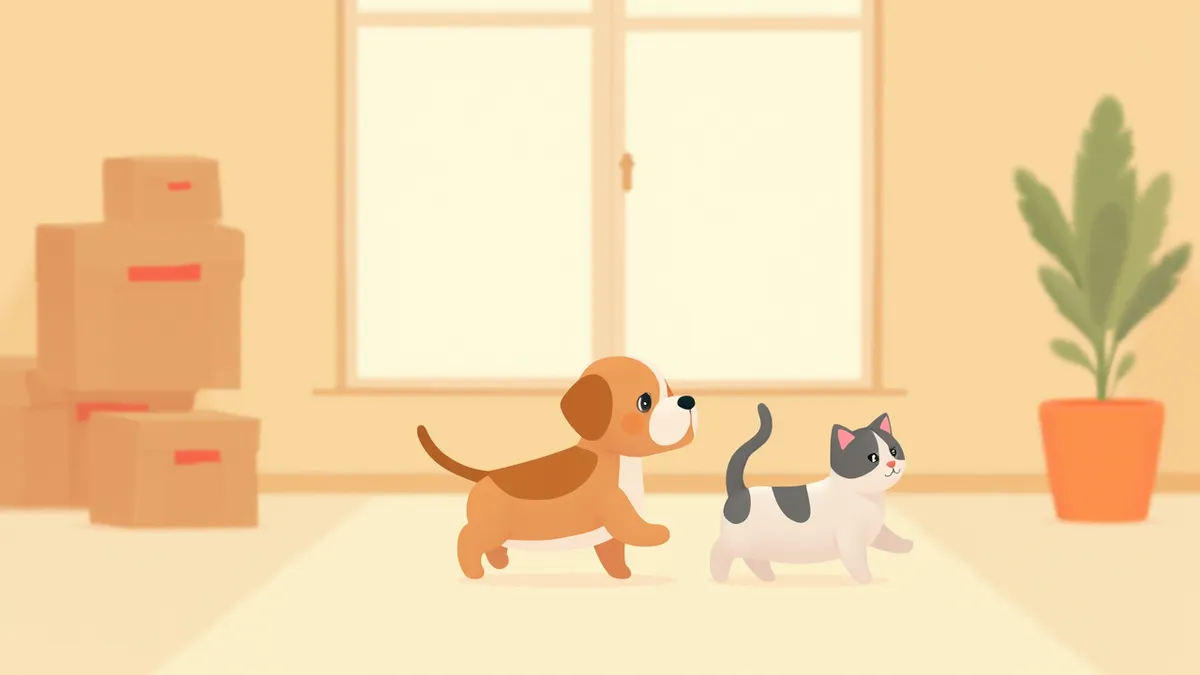
Why Does a New Environment Cause Stress?
Checklist of Key Signs of Environmental Stress

When to Visit the Vet Immediately
If you notice any of the following symptoms, it may indicate a medical condition rather than simple stress: refusal to eat for several days, repeated vomiting or bloody stools, straining to urinate with little or no urine output (especially in male cats), or seizures, decreased consciousness, or severe tremors. In such cases, seek veterinary care immediately. In cats, environmental and social factors can lead to lower urinary tract diseases, including feline idiopathic cystitis (FIC), so any urinary abnormalities should be treated as an urgent emergency and never ignored.
How Long Does the Adjustment Period Take?
Comparing Adjustment Traits: Dogs vs. Cats
| Item | Dog | Cat |
|---|---|---|
| Average adjustment period | Tends to get accustomed relatively quickly | Tends to take relatively longer |
| Main initial reactions | Whimpering, excessive clinginess | Hiding, refusing to eat |
| Most sensitive factor | Owner's absence | Unfamiliar smells and territorial changes |
| Complication risk | Nervous diarrhea, intensified separation anxiety | Feline idiopathic cystitis (FIC), excessive grooming |
| Most effective care | Consistent routine and walks | Providing hiding spots and pheromones |
There is a very large variation depending on individual temperament. A sensitive pet may take far longer than average.
Home Care for Environmental Stress
Actions to Absolutely Avoid
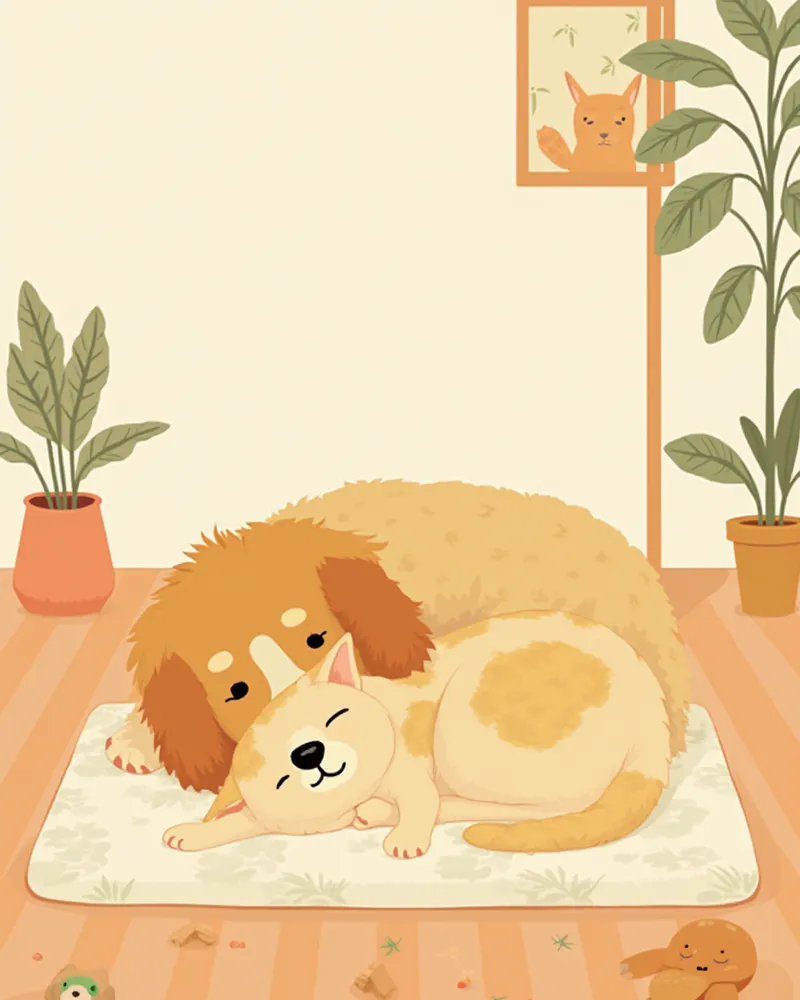
Avoid actions that can worsen stress. Do not force your cat out to hold it, take it around to explore its new home, invite guests over, bathe it, or rush introductions to other pets during the first week. In particular, if you think, "It's my cat, so it'll be fine," and repeatedly call or try to pull out a hiding cat, remember that hiding is a classic sign of feline stress. This can delay adaptation and deepen stress. Please wait patiently until your cat feels safe enough to come out on its own.
Preparation for Sensitive Pets
Reviewed by a veterinarian

Dr. Tony — Punnawat Phongkittirak
VeterinarianA veterinarian who majored in veterinary medicine at Khon Kaen University, Thailand, and completed the IVSA program at North Carolina State University in the United States. Drawing on clinical experience at animal hospitals, he works in the pet healthcare field and is dedicated to building a digital care environment that connects pet parents with veterinarians.
Reviewed 2026-04-29
Frequently Asked Questions
Is it okay if my pet doesn’t eat for a few days after moving?
My pet gets stressed every time we travel. Would it be better to board them at a hotel or hire a pet sitter?
Can introducing a new cat into a multi-cat household cause environmental stress?
Can nutritional supplements help with environmental stress?
How long should I wait before considering it a failure to adapt?
Share
Related Guides

7 Behavioral Enrichment Strategies for Mental Stimulation Recommended by Veterinarians
Top 5 Calming Supplements for Dogs and Cats in 2026

L-Theanine Effects and Calming Support

Should You Feed Prescription Renal Diets to Dogs? — Effects and Feeding Guidelines
What Are Kidney Tumors in Dogs? — How to Spot Early Symptoms
Is Even One Grape Dangerous for Dogs? — Q&A on Raisin Poisoning Symptoms and Emergency Response
Early Screening for Kidney Function in Dogs (SDMA) — Why It’s Needed and When to Get It
Is Your Dog’s Dehydration a Risk to the Kidneys? — Signs You Must Not Miss
Is EPO Deficiency the Cause of Anemia in Dogs with CKD? — From Symptoms to EPO Treatment
Can Canine Chronic Kidney Disease (CKD) Be Cured? — A Complete Guide from Diet to Lifespan
References
[1] Introduction to Animal Behavior and Veterinary Behavioral Medicine, Chapter 11 - Environmental Enrichment
[2] A Professional's Guide to Feline Behaviour - Understanding, Improving and Resolving Problems
[3] The Cat, Clinical Medicine and Management, 2nd Edition - Chronic Stress and FIC
[4] Applied Animal Endocrinology, 3rd Edition - Effects on Animal Behaviour, Health and Welfare