

The Complete Guide to Catnip Effects and Types
We’ve put together a clear overview of how catnip works, the percentage of cats that respond to it, how it differs from alternative plants like silver vine and valerian, and how to use it safely.
What is Catnip?

Why Does Only My Cat Get Excited?

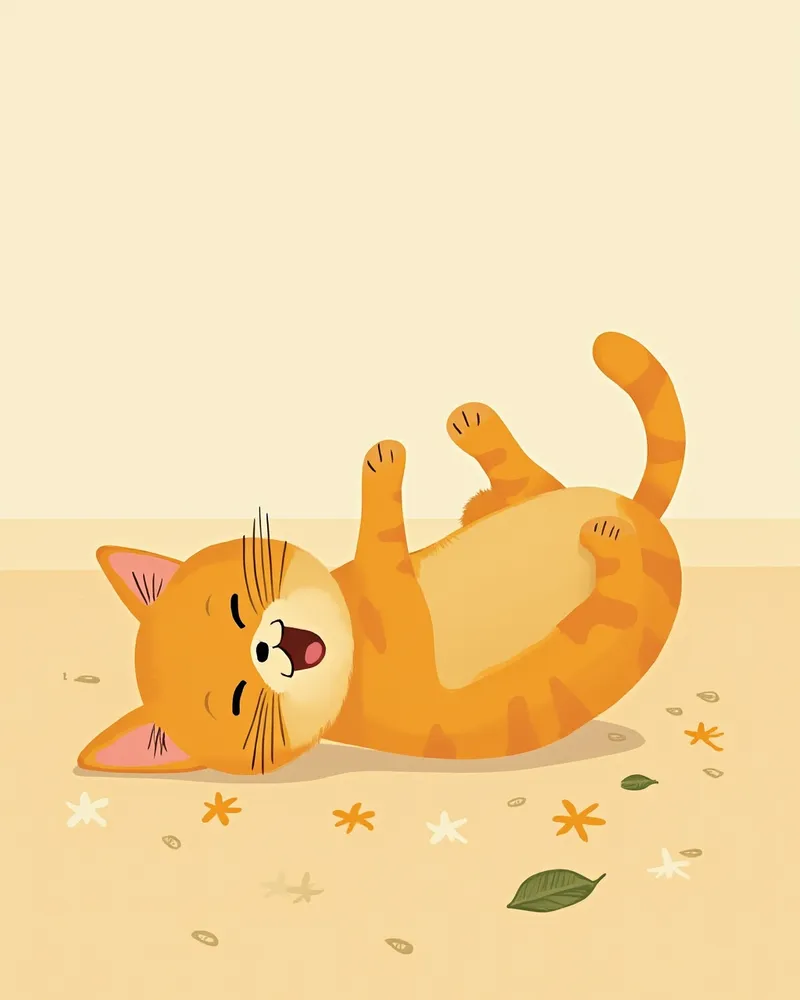
Typical Behaviors When Reacting to Catnip
Stop for a Moment If You See These Reactions
Catnip is generally a non-toxic and safe herb, but it can cause overexcitement or aggressive behavior in some cats. If you notice such reactions, remove the catnip immediately and help your cat calm down in a quiet space. For cats with underlying health conditions or specific medical concerns, it’s best to consult your veterinarian before introducing any new stimuli or plants.
There Are Other Plants That Trigger a Response
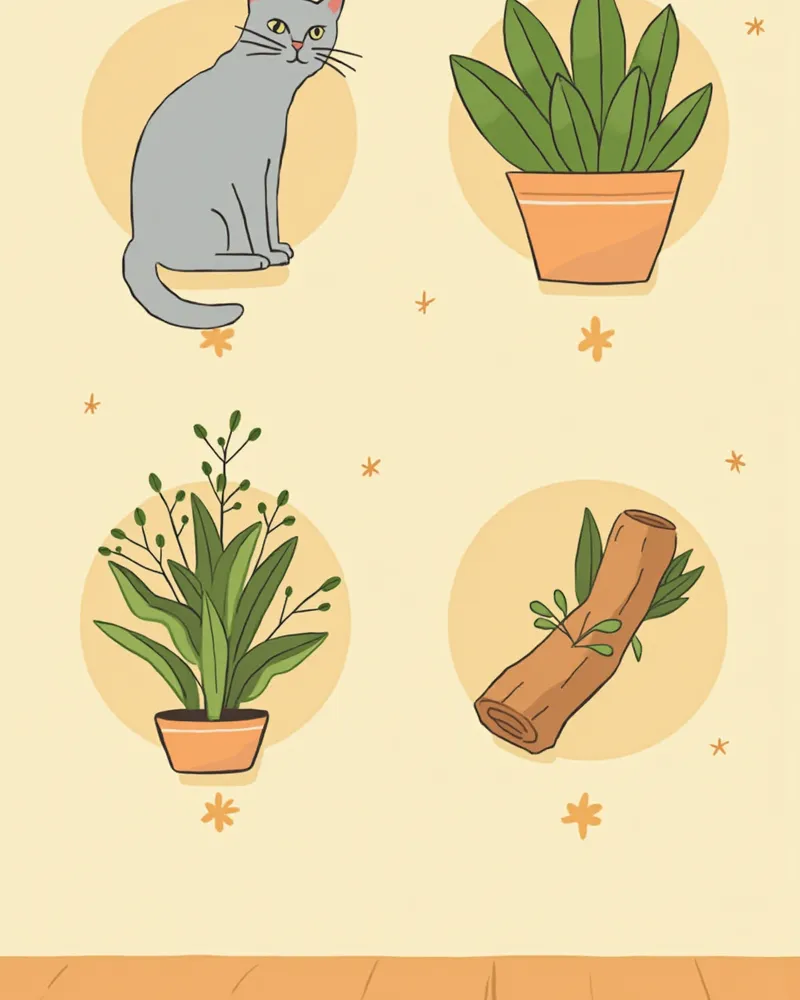
Comparison of Four Cat-Attracting Plants
| Item | Catnip | Silvervine (matatabi) | Valerian | Tatarian honeysuckle |
|---|---|---|---|---|
| Response rate | About 68% | About 80% | About 50% | About 50% |
| Main compound | Nepetalactone | Actinidine, dihydroactinidiolide | Actinidine | Nepetalactol |
| Duration | 5–15 min | 5–30 min | 5–15 min | 5–15 min |
| Main form | Dried leaves, spray | Sticks, powder | Root powder | Wood chips |
| Alternative for catnip-nonresponsive cats | False | True | True | True |
Based on the response rate of 100 cats in Bol et al., BMC Veterinary Research (2017)
How to Use Catnip Safely
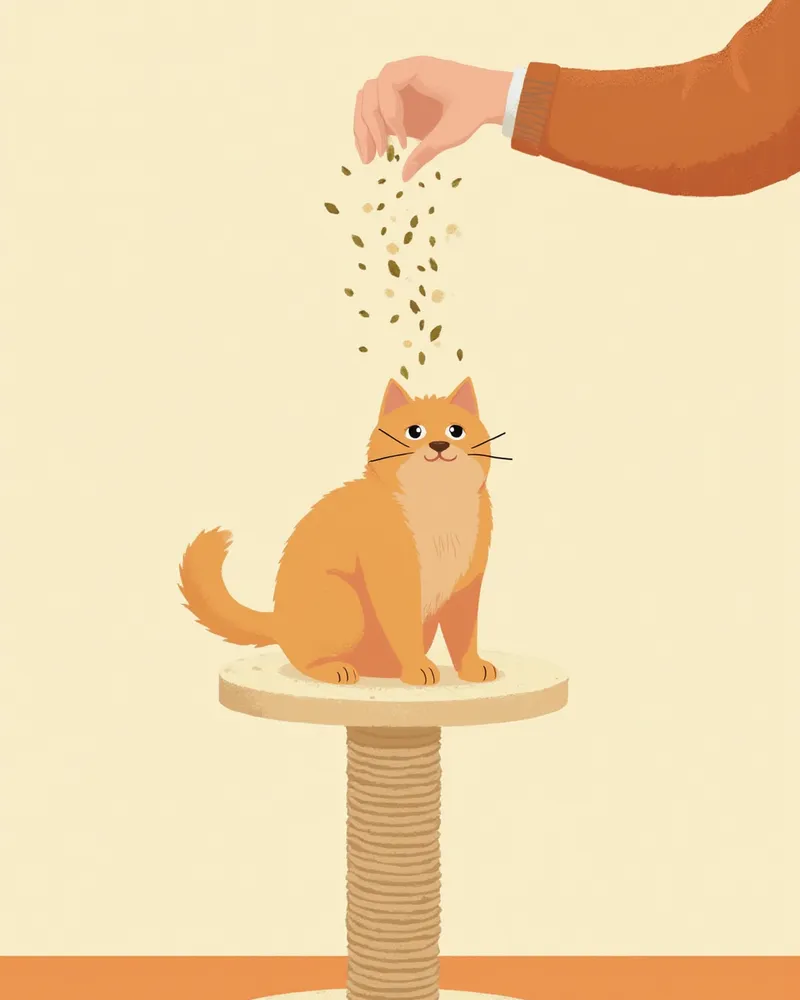
Checkpoints for Choosing Catnip Toys
When selecting catnip toys, choose ones with thick, durable fabric and strong stitching to prevent the filling from spilling out and posing a choking hazard if the toy tears. Products with 100% catnip content tend to retain their scent longer, while refillable toys that come with catnip powder refills offer a more economical option. As for maintenance, replace the toy immediately if it becomes severely worn or if the inner lining is exposed.
Reviewed by a veterinarian

Dr. Tony — Punnawat Phongkittirak
VeterinarianA veterinarian who majored in veterinary medicine at Khon Kaen University, Thailand, and completed the IVSA program at North Carolina State University in the United States. Drawing on clinical experience at animal hospitals, he works in the pet healthcare field and is dedicated to building a digital care environment that connects pet parents with veterinarians.
Reviewed 2026-04-26
Frequently Asked Questions
Can I give catnip to kittens too?
Is it safe for my cat to eat catnip?
My cat doesn’t seem to react to catnip. Why is that?
Are catnip and catmint the same thing?
Does catnip have an effect on dogs too?
Share
Related Guides

Primary vs. Secondary Veterinary Hospitals: A Comparison
5 Easy-to-Raise Cat Breeds for First-Time Owners — Grooming Difficulty Comparison

Top 7 Short-Legged Dog Breeds

Frequently Asked Questions About Feline Nebulizer Therapy — Key Information Every Cat Owner Should Know
Frequently Asked Questions About Feline Leukemia Virus (FeLV) Vaccination — Key Information Pet Owners Must Know

Canine Anaplasmosis FAQ — Key Information Every Owner Must Know

What Is Hepatic Enlargement in Dogs? — From Causes to Diagnosis and Treatment
How to Administer Subcutaneous Fluids to Cats at Home: Key Steps and Precautions for Self-Administration

How to Clean Your Dog’s Eyes: The Correct Way to Safely Clean at Home

What is Canine Hypothyroidism? — Do They Need Lifelong Medication? Key Q&A
References
[1] Rodan I., Heath S., Feline Behavioral Health and Welfare, Elsevier, 2016
[2] Bol S. et al., Responsiveness of cats to silver vine, Tatarian honeysuckle, valerian and catnip, BMC Veterinary Research, 2017
[3] Little S.E., The Cat: Clinical Medicine and Management, 2nd Edition, Elsevier, 2020