
What is Feline Hypoparathyroidism? — Hypocalcemia Symptoms and Management
Feline hypoparathyroidism is an endocrine disorder that causes seizures, weakness, and other symptoms due to impaired calcium regulation. Here’s a summary of the key information pet owners should know.
What is Feline Hypoparathyroidism?

Why Does This Condition Occur in Cats?

What Are the Main Symptoms?

Signs Requiring Immediate Veterinary Care
If your cat suddenly starts seizing, trembling as if having a seizure, or remains immobile for an extended period, seek veterinary care immediately. Severe hypocalcemia accompanied by these symptoms constitutes a life-threatening emergency requiring prompt treatment, such as intravenous calcium administration. Because this is an emergency, contact your veterinarian right away and transport your cat to the clinic as quickly as possible.
How Is an Accurate Diagnosis Made?
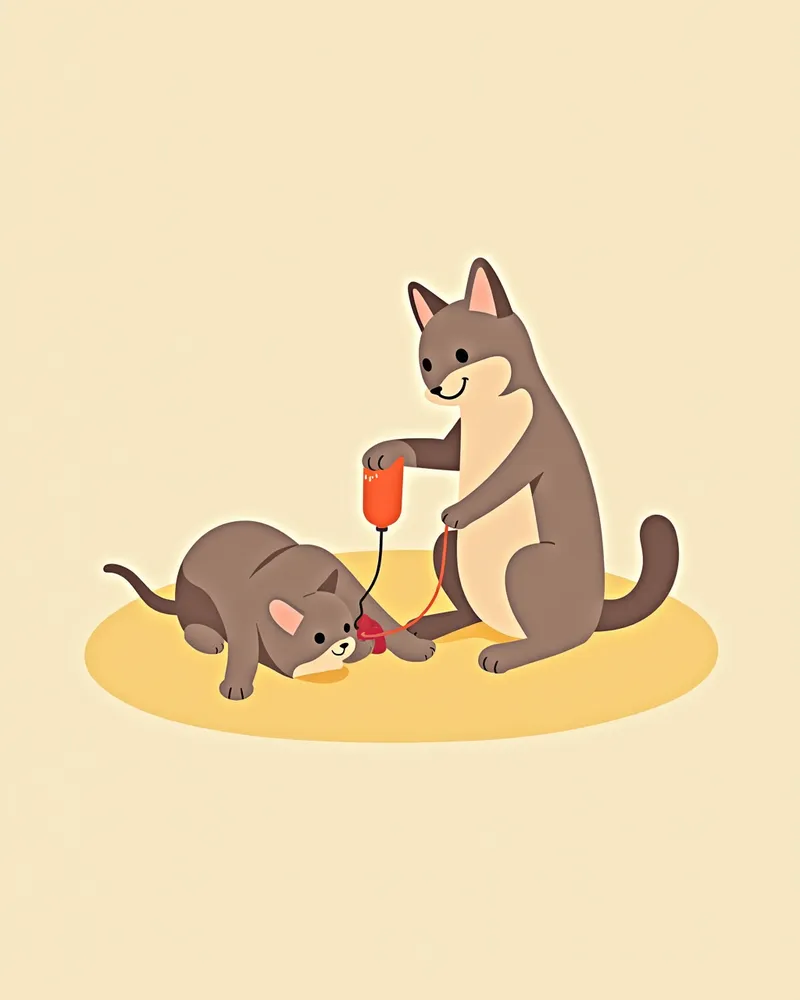
What Are the Treatment Options?
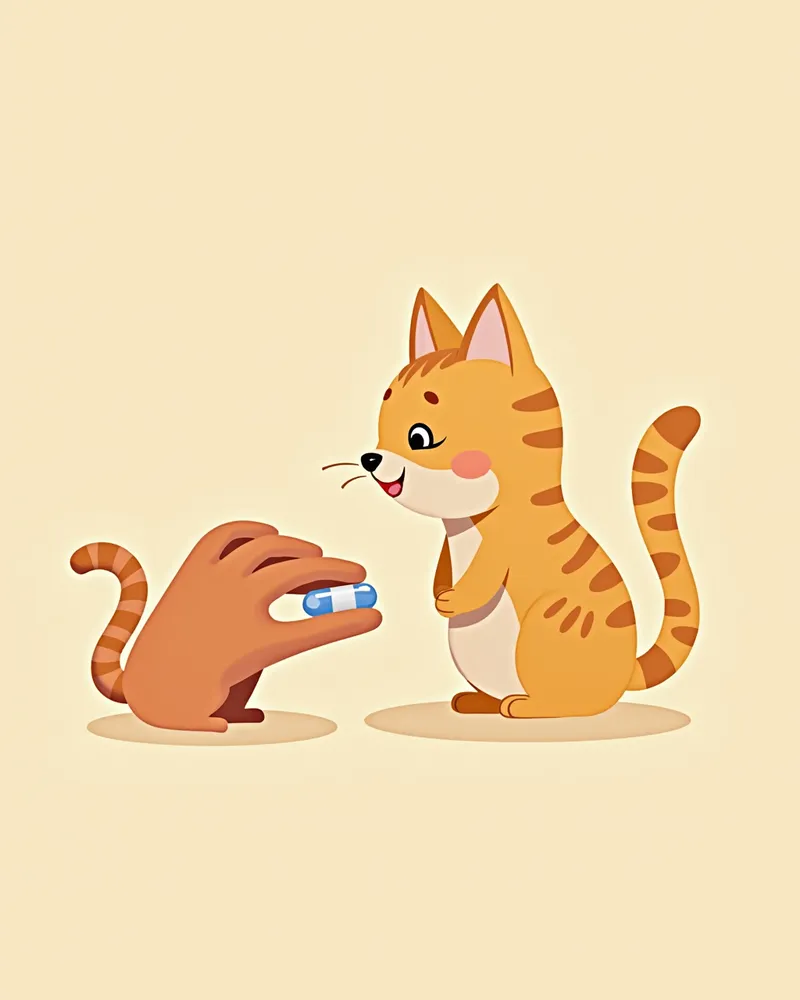
Key Points for Home Management
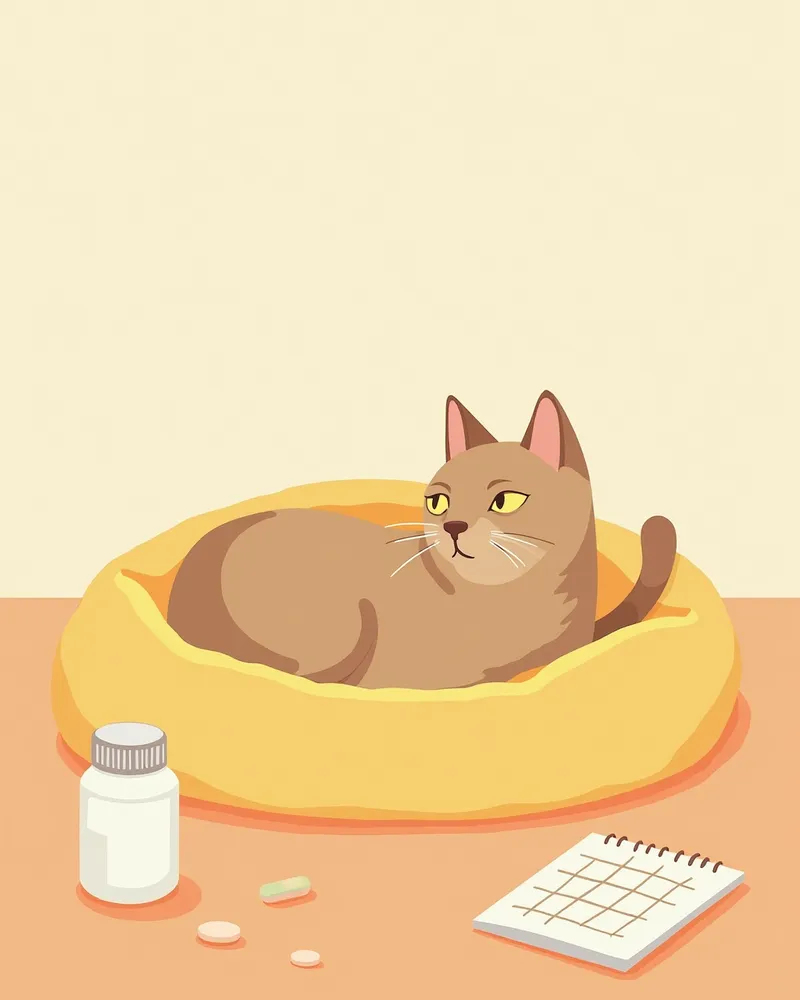
Comparison of Treatment Methods: Types of Calcium Supplements
| Item | Route of administration | Advantages | Precautions |
|---|---|---|---|
| Calcium syrup | Liquid | Easy to administer | Dose easily adjustable |
| Calcium tablet | Oral | Can be stored long-term | May be difficult to give |
| Vitamin D preparation | Tablet or liquid | Promotes absorption | Risk of toxicity if overdosed |
The veterinarian selects the appropriate formulation according to body weight and blood values.
Reviewed by a veterinarian

Dr. Tony — Punnawat Phongkittirak
VeterinarianA veterinarian who majored in veterinary medicine at Khon Kaen University, Thailand, and completed the IVSA program at North Carolina State University in the United States. Drawing on clinical experience at animal hospitals, he works in the pet healthcare field and is dedicated to building a digital care environment that connects pet parents with veterinarians.
Reviewed 2026-06-01
Frequently Asked Questions
Can feline hypoparathyroidism be cured?
Will the symptoms return if I stop the medication?
What should I keep in mind when feeding my pet?
How often should I have my pet undergo a regular health checkup?
My cat hates taking medicine. What should I do?
Share
Related Guides

Top 5 Prescription Dog Foods for Diabetes Recommended by Veterinarians — Blood Sugar-Stabilizing Food Comparison
7 Key Products for Managing Feline Hypercalcemia Recommended by Veterinarians and Selection Criteria

7 Key Points for Canine Thyroid T4 Testing by Veterinarians — From Timing to Result Interpretation
My Dog’s Heart Is Beating Too Slowly — Signs of Bradycardia, AV Block, and Syncope
Fluid in a Dog’s Abdomen — Cardiac Ascites and Abdominocentesis, When to Visit the Vet

Inflammation in Our Cat’s Heart? — Causes of Myocarditis and Emergency Signs You Must Not Miss

What is Canine Uveitis? — Can It Lead to Red Eyes and Blindness?

My Dog’s Pupils Are Different Sizes — Is This a Dangerous Warning Sign?

What Is Corneal Pigmentation in Dogs? — Causes of Dark Film on the Eyes and Management

If a White Film Covers Your Cat’s Eye — Causes of Third Eyelid Prolapse and When to Visit the Vet
References
[1] Peterson ME, et al. (2005). Feline Hypoparathyroidism: Clinical Features and Management. Journal of Feline Medicine and Surgery, 7(3), 189–196.
[2] Lloyd DH, et al. (2010). Parathyroid hormone deficiency in cats: A retrospective study of 28 cases. Veterinary Record, 166(15), 456–460.
[3] Plumb's Veterinary Drug Handbook, 8th Edition. (2017). Wiley-Blackwell. Calcium supplementation and monitoring in hypoparathyroid cats.