Like
Share
멍실장
고양이 식이 알러지 증상과 제한식 완벽 가이드

The Complete Guide to Feline Food Allergy Symptoms and Restricted Diets

DigestiveQ&AMeongsiljang Veterinary Advisory Board

We’ve put together everything pet owners need to know about feline food allergies, from the main symptoms to how to properly feed restricted diets (such as hydrolyzed or single-protein diets).

What Are Feline Food Allergies?
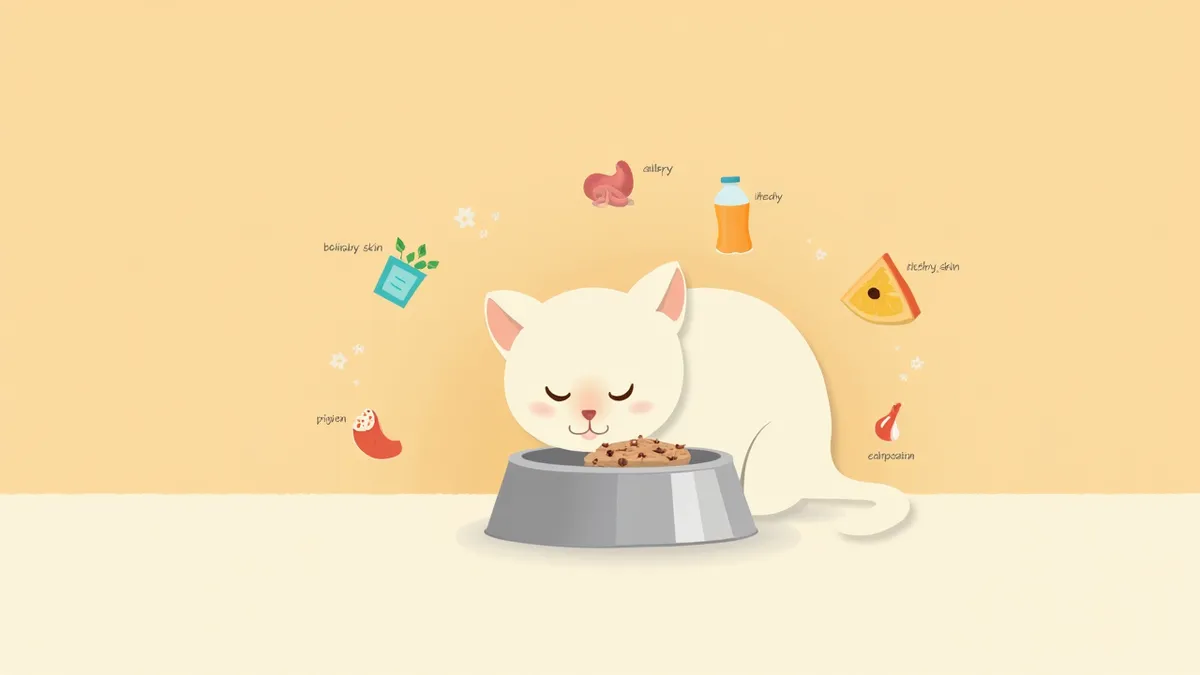
Illustration of a cat eating food and symptoms of food allergies
Feline food allergies occur when a cat’s immune system overreacts to specific proteins in their food, leading to symptoms like itchy skin, vomiting, or diarrhea. The most critical aspect is elimination diet diagnosis. Blood, saliva, or hair tests are not reliable for accurate diagnosis; the standard approach involves feeding only a single-protein or hydrolyzed diet under veterinary supervision for 8–12 weeks to see if symptoms resolve. This condition can develop in cats under one year old and is not seasonal.

What Are the Main Causative Proteins?

The primary cause of food allergies in cats is protein. As obligate carnivores, cats are known to develop immune hypersensitivity reactions mainly to animal-based proteins in their diet. Common culprits include beef, fish, chicken, and dairy, although the ranking of specific offending proteins can vary between studies. Some cats react to only one protein, while others may react to two or three simultaneously. Notably, food allergies are more likely to develop against proteins the cat has been eating repeatedly over time, rather than newly introduced ones. This is because allergic reactions occur upon re-exposure to an antigen that has already sensitized the immune system. Consequently, a cat may suddenly develop an unexpected reaction to a protein in a food it has tolerated without issue for a long time.

Symptom Checklist — Look for These Signs
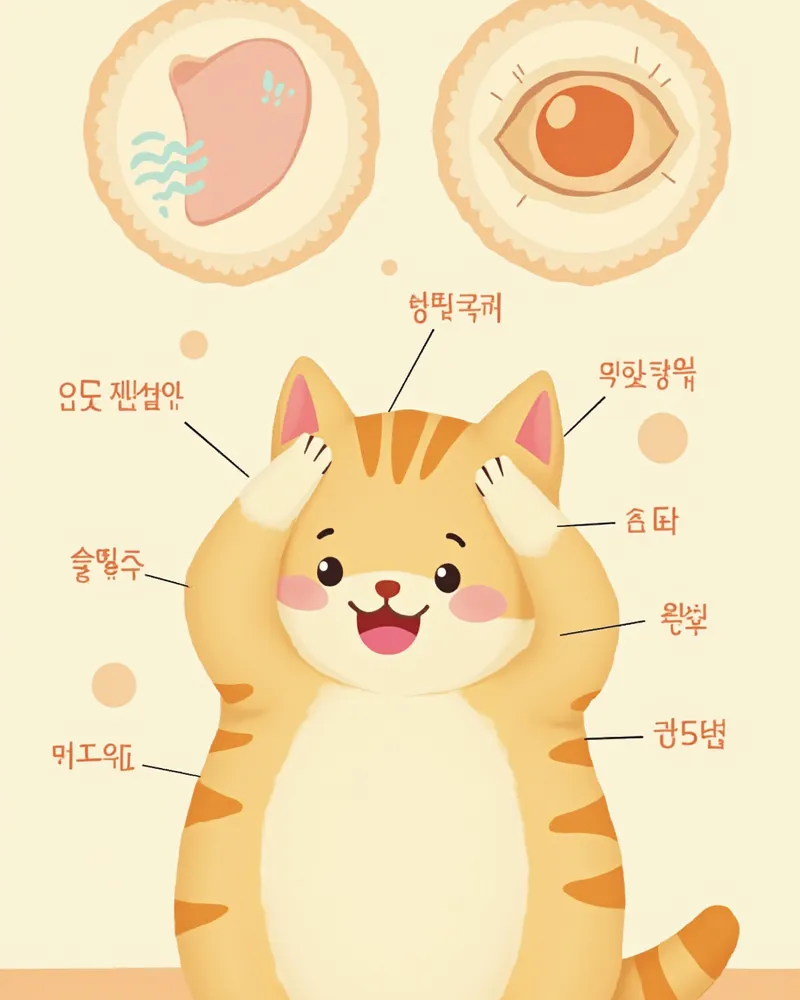
Food allergies can cause symptoms in both the skin and the digestive tract. - Itching on the face and neck: Frequent scratching or rubbing of the head, ears, and neck - Symmetrical hair loss: Hair loss on the belly and inner thighs due to excessive licking - Chronic diarrhea: Loose or mucous-filled stools lasting more than two weeks - Recurrent vomiting: Vomiting food one to two times or more per week - Chronic otitis externa: Recurrent inflammation in one or both ears - Itching around the anus: Scooting the hindquarters on the floor If symptoms persist regardless of the season, there is a high likelihood of a food allergy.
Illustration of the main symptoms of feline food allergies

Food Allergies vs. Atopy vs. Parasitic Dermatitis

ItemFood allergyAtopyParasitic dermatitis
Onset timingRegardless of season, year-roundWorsens in spring · fallPeriod of flea exposure
Main affected areasFace · ears · abdomenFace · paws · armpitsBase of tail · lower back
Digestive symptomsFrequently accompaniedRareNone
Diagnostic methodElimination diet for 8–12 weeksSkin testing · exclusion diagnosisSkin scraping test
Treatment key pointRemove the causative proteinImmune modulation · steroidsAdminister antiparasitics

Accurate differentiation requires examination by a veterinarian

When to Seek Immediate Veterinary Care

Seek immediate veterinary care if your pet’s face and neck skin becomes raw and bleeds from scratching, if diarrhea persists for more than three days accompanied by signs of dehydration such as dry gums and reduced skin elasticity, or if they lose more than 5% of their body weight within two weeks. These symptoms may indicate a secondary infection or progression to inflammatory bowel disease (IBD).

Elimination Diet Diagnosis — How to Proceed
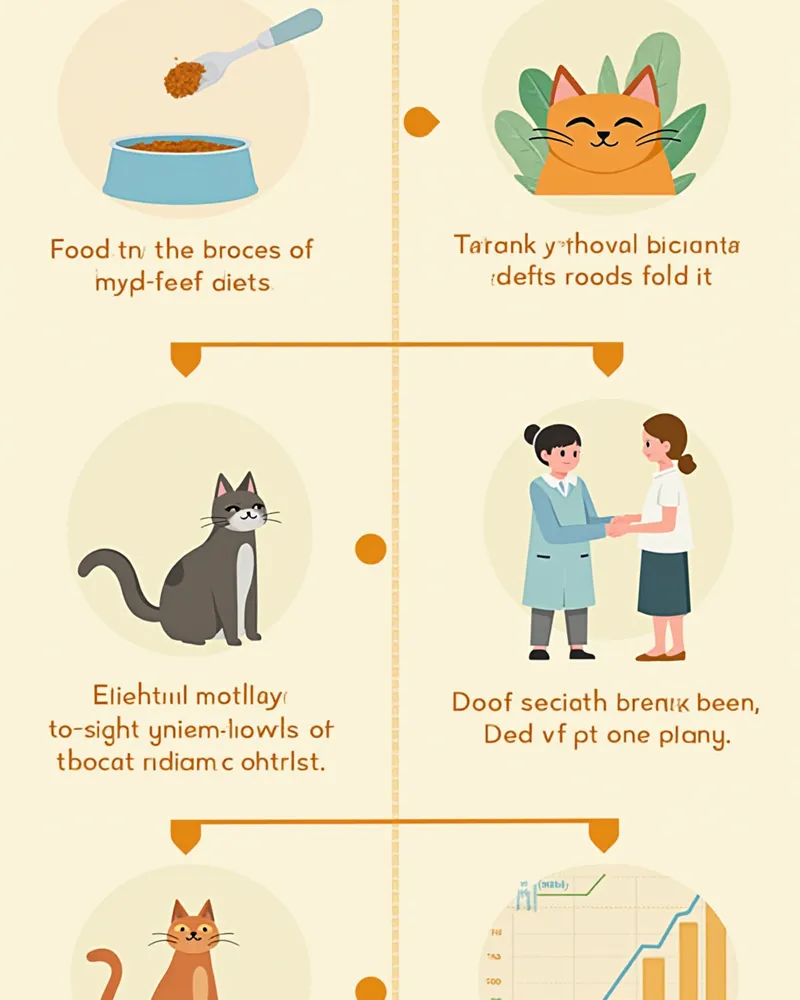
An elimination diet involves feeding your pet only a novel protein (one they’ve never eaten before) or a hydrolyzed protein for 8 to 12 weeks. - Step 1: Consult with your veterinarian to select an elimination diet food (prescription diets are recommended). - Step 2: Discontinue all treats, supplements, and dental chews; feed only the elimination diet. - Step 3: Monitor and record symptom progression over 8 to 12 weeks (e.g., frequency of itching, stool quality). - Step 4: Once symptoms resolve, reintroduce small amounts of the previous diet (food challenge) to confirm the allergy. Introducing any other foods during this period will invalidate the diagnosis. The key is to provide nothing except water alongside the elimination diet.
Four-Step Diagnostic Process for Feline Restricted Diets

Main Types of Restricted Diet Foods

Safe

가수분해 단백질 사료 (Hydrolyzed Protein)

단백질을 작게 쪼개 면역이 인식 못 하게 함

Dosage: 수의사 처방 기준

수의영양학 교과서 1차 권장

Safe

신규 단백질 사료 (Novel Protein)

토끼·오리·캥거루 등 생소한 단백질로 반응 회피

Dosage: 수의사 처방 기준

임상 연구 다수

Caution

아미노산 기반 사료

단백질 대신 아미노산 단위로 구성, 중증용

Dosage: 수의사 처방 기준

난치성 케이스 한정

Common Mistakes During Restricted Diet Feeding
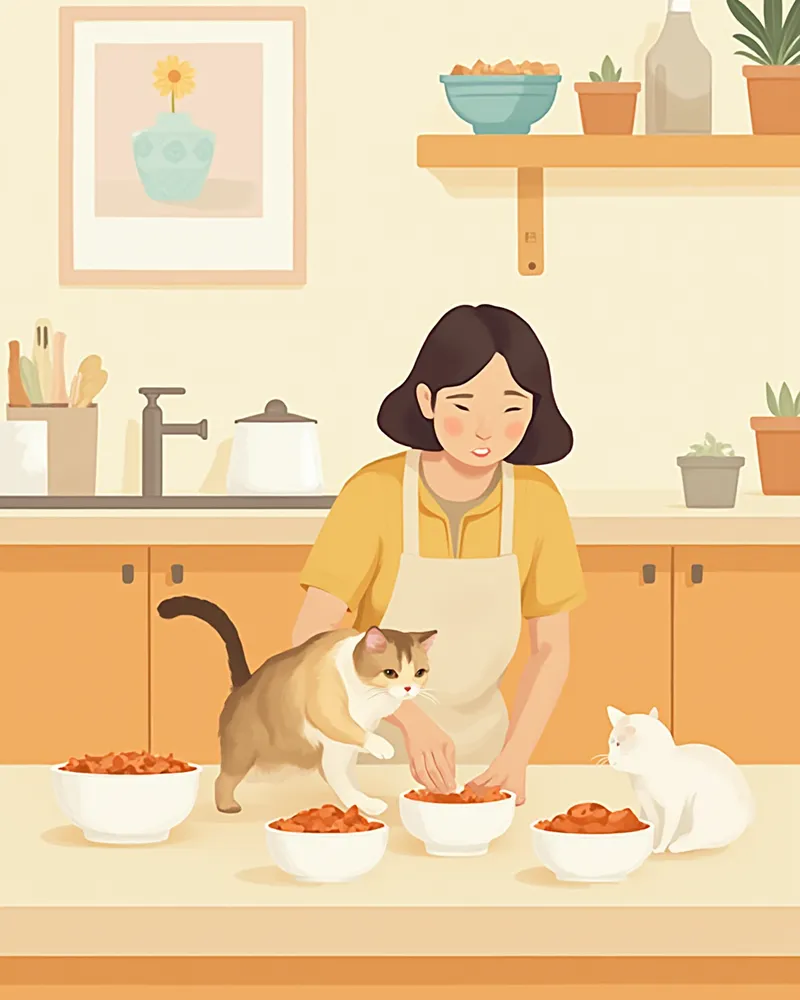
There are several common pitfalls that pet owners often overlook. - Secretly giving treats: Even a small amount of regular treats can invalidate the diagnostic results. - Using supplements concurrently: Supplements such as omega-3 fatty acids or joint health products must be discontinued if they contain protein. - Cross-feeding in multi-cat households: Cats must be fed separately to prevent them from eating each other’s food. - Transitioning food too quickly: The diet should be transitioned gradually over 7–10 days to minimize digestive stress. - Shortening the trial period: Even if symptoms improve quickly, the diet must be maintained for at least 8 weeks to confirm a diagnosis. Elimination diets are not inherently less successful, but strict adherence to management is the key to their effectiveness.
Cat owners who are feeding restricted diets

Can You Trust Allergy Test Kits?

Commercially available saliva and hair allergy test kits have no clinical diagnostic value. Veterinary dermatology textbooks do not recommend these tests. Serum IgE testing also has low reliability for diagnosing food allergies. The only accurate method for diagnosis is an elimination diet trial. Relying solely on test kit results to restrict your pet’s diet can lead to nutritional imbalances.

Long-Term Management Points

Once the offending protein has been identified, your cat should be fed a diet that excludes it for life. Fortunately, many cats can live symptom-free by avoiding just one or two specific proteins. Regularly consult with your veterinarian to check your cat’s nutritional status every six to twelve months, and always review ingredient labels before introducing new treats or supplements. If gastrointestinal symptoms recur, also consider reviewing the causes of chronic diarrhea in cats.

Reviewed by a veterinarian

Dr. Tony — Punnawat Phongkittirak

Dr. Tony — Punnawat Phongkittirak

Veterinarian

A veterinarian who majored in veterinary medicine at Khon Kaen University, Thailand, and completed the IVSA program at North Carolina State University in the United States. Drawing on clinical experience at animal hospitals, he works in the pet healthcare field and is dedicated to building a digital care environment that connects pet parents with veterinarians.

Frequently Asked Questions

Do I need to feed my pet prescription diet food for the rest of its life?
Diets that avoid specific proteins require long-term feeding. However, if a food challenge test identifies the exact trigger, you can choose a standard commercial food that does not contain that particular protein.
Can I make a homemade restricted diet at home?
While it’s theoretically possible, achieving proper nutritional balance is extremely challenging. Deficiencies in taurine and arginine can lead to heart and eye diseases, so we don’t recommend feeding a homemade diet alone without a prescription from a veterinary nutritionist.
I’ve heard that grain-free diets are good for allergies. Is that true?
The main cause of allergies in cats is not grains, but protein. It’s more important to know which protein is in the food than whether it’s grain-free.
Can allergies develop suddenly?
Yes, it is possible for allergies to develop even when a pet has been eating the same food for a long time. Allergic reactions occur when the immune system responds to a protein it has already been exposed to and become sensitized to. Therefore, even if a pet has been eating a particular protein without any issues, unexpected allergic reactions can occur at some point.
My cat isn’t eating its prescription diet.
Prescription diets may have lower palatability. To help your cat adjust, gradually mix the new food with their current diet over 7–10 days, and consider warming it slightly to enhance appeal. If your cat refuses to eat for an extended period, it can pose serious health risks, so please consult your veterinarian if the refusal persists.

Share

Related Guides

References

[1] BSAVA Manual of Canine and Feline Dermatology, 4th Edition, Chapter: Adverse Food Reactions

[2] Plumb's Veterinary Drug Handbook, Hydrolyzed Protein Diets Section

[3] Small Animal Clinical Nutrition, 5th Edition, Adverse Reactions to Food

[4] Veterinary Immunology, 11th Edition, Food Allergy Chapter

This information is based on veterinary literature and does not replace diagnosis or treatment. Please consult a veterinarian for specific health concerns.

Metapet Co., Ltd. | CEO: Park Sung-yong | Business Reg. No. 417-88-02562 | Seoul, South Korea | Customer Center

Feline Food Allergy: Symptoms & Restricted Diet Guide | Meongsiljang