Like
Share
멍실장
강아지 안구건조증(KCS) 원인과 관리 방법

Causes and Management of Canine Keratoconjunctivitis Sicca (KCS)

Eye HealthQ&AMeongsiljang Veterinary Advisory Board

Keratoconjunctivitis sicca (KCS), commonly known as dry eye in dogs, is a condition in which insufficient tear production leads to chronic inflammation of the cornea and conjunctiva. We’ve put together an easy-to-understand overview of the causes, symptoms, treatment, and at-home care for pet parents.

What is Canine Keratoconjunctivitis Sicca (KCS)?
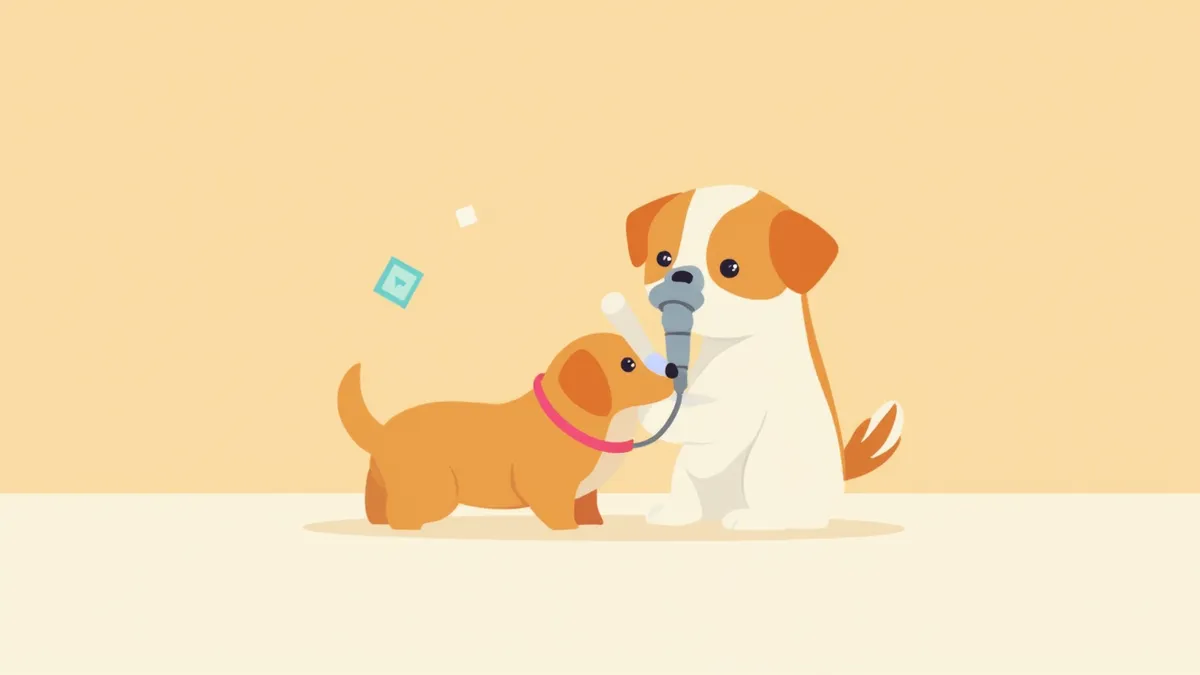
A veterinarian examining a puppy's eyes.
Keratoconjunctivitis sicca (KCS), commonly known as dry eye in dogs, is an ophthalmic condition characterized by reduced tear production, leading to chronic dryness and recurrent inflammation of the cornea and conjunctiva. Early detection and consistent topical treatment are crucial. If your dog has persistent, sticky eye discharge daily and red, inflamed conjunctiva, it may not be simple conjunctivitis; please have your veterinarian perform a Schirmer tear test to measure tear production.

Why Does Tear Production Decrease? — Main Causes

The most common cause of canine keratoconjunctivitis sicca (KCS) is an immune-mediated disease, in which the body’s immune cells mistakenly attack the tear glands, leading to a gradual decline in tear production. Other causes include congenital or genetic abnormalities in tear gland development, trauma, adverse drug reactions (such as sulfonamides, etodolac, and atropine), complications following third eyelid gland removal surgery, and neurogenic factors. Rarely, KCS may occur alongside systemic immune disorders like Sjögren’s syndrome, which affects not only the tear glands but also other exocrine glands such as the salivary glands. Breeds known to have a higher risk of KCS include the Cocker Spaniel, Springer Spaniel, West Highland White Terrier, English Bulldog, Toy Poodle, and Lhasa Apso.

Suspect KCS If You Notice These Symptoms
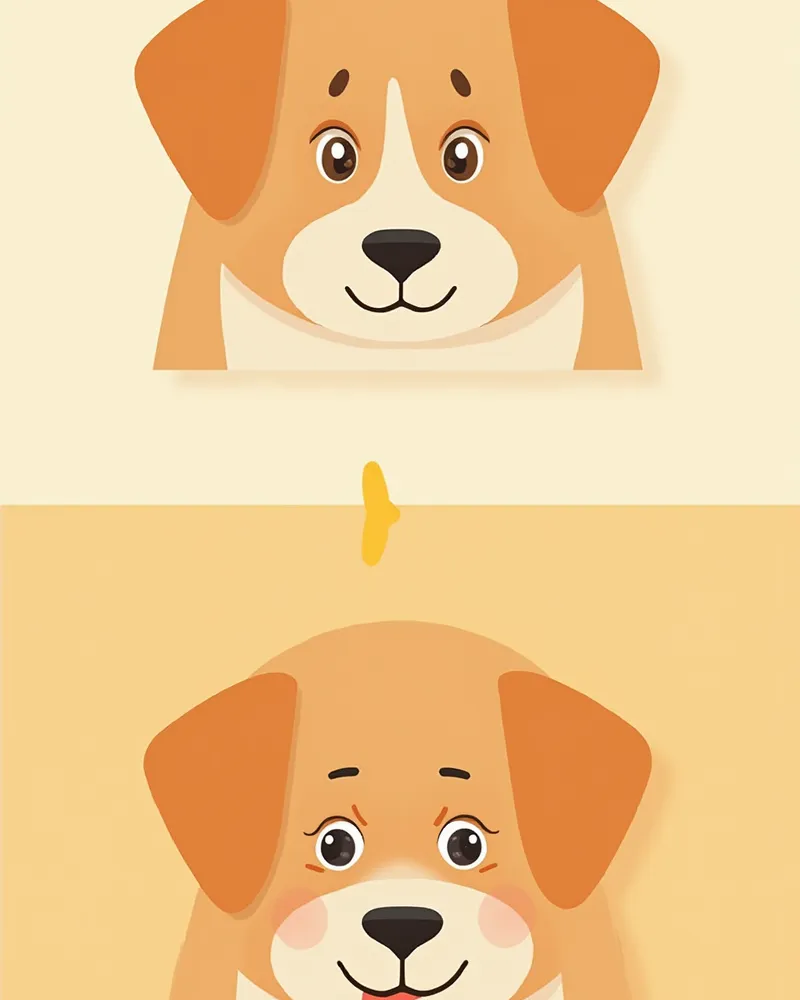
The early signs of dry eye can resemble conjunctivitis, making them easy to overlook. If two or more of the following symptoms persist for over two weeks, a veterinary examination is recommended.
Sticky eye discharge: Yellowish or grayish mucous discharge continuously accumulates in the inner corners of the eyes.
Persistent redness: The conjunctiva appears red with prominent blood vessels.
Loss of corneal luster: The dark cornea becomes cloudy or takes on a matte appearance.
Eye rubbing or squinting: Due to dryness and irritation, the pet frequently rubs its eyes with its front paws or squints one eye.
Corneal pigmentation: In chronic cases, brown pigmentation spreads across the cornea.
A comparison between healthy eyes and eyes affected by dry eye disease

Severity Based on Schirmer Tear Test Values

ItemNormalMildModerateSevere
Tear production (mm/min)15 or more10–145–9Under 5
Main symptomsNoneIntermittent eye dischargeDaily sticky discharge & rednessCorneal ulcer & pigmentation
Management approachAnnual check-upArtificial tear supportImmunosuppressive eye drops essentialImmediate referral to veterinary ophthalmology

Based on Schirmer Tear Test result criteria. Refer to veterinary internal medicine textbooks.

How Is Diagnosis Performed?
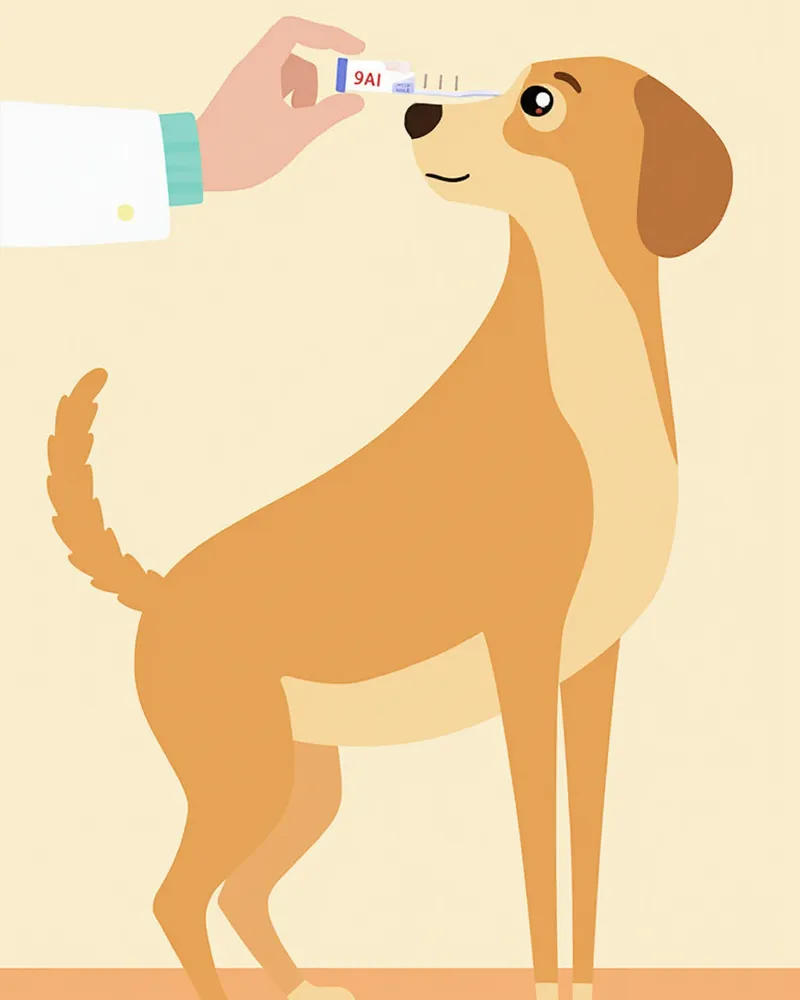
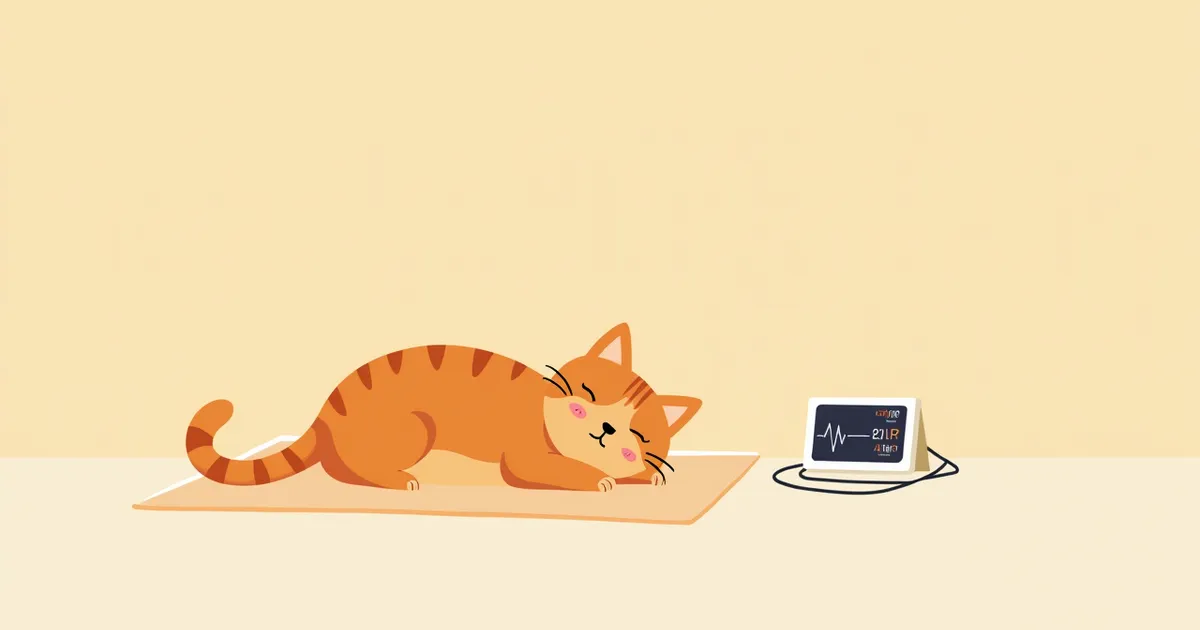
Diagnosis of dry eye begins with the Schirmer tear test, a simple procedure that measures tear production by placing a small test strip in the lower eyelid for one minute. This is combined with fluorescein staining to check for corneal ulcers, and if needed, bacterial culture or thyroid hormone testing. Haeussler (2019) emphasizes that the Schirmer test must always be included, even in cases with ambiguous symptoms, to avoid missing early-stage keratoconjunctivitis sicca (KCS).
A scene of a dog undergoing a Schirmer tear test

Go to the Vet Immediately in These Situations

If you notice white scratches or pitted lesions on the cornea, or if your pet keeps its eyes closed and cannot open them, there may be a complication such as a corneal ulcer. If keratoconjunctivitis sicca (dry eye) progresses, it can lead to corneal perforation and result in vision loss, so veterinary ophthalmic care should be sought within 24 hours. Yellow or green pus, sudden pain, and changes in eye size are also emergency signs.

The Core of Treatment — Immunosuppressive Eye Drops

The standard treatment for immune-mediated KCS is cyclosporine or tacrolimus eye drops. These medications suppress the immune response attacking the tear glands while simultaneously restoring tear production. According to a 2011 study by Hendrix and colleagues, both drugs are effective in restoring tear volume, with tacrolimus showing additional benefits in dogs that did not respond adequately to cyclosporine. Because therapeutic effects may not appear immediately, adjunctive therapies such as artificial tears and lubricants are often used initially while the medication takes effect. Once started, this treatment is typically required for life. Your veterinarian will determine the appropriate concentration (e.g., 0.2% cyclosporine ointment, 0.03% tacrolimus, etc.) and dosing frequency based on the severity of the condition and the individual dog’s response.

Essential Home Care Points to Follow

Proper home care is just as important as administering eye drops. Please make sure to follow these five daily steps:
Gently wipe away eye discharge: Use a clean gauze pad moistened with lukewarm water to wipe from the inner corner of the eye outward.
Supplement with artificial tears: In addition to immunosuppressive medication, apply human-grade artificial tears 3 to 6 times a day.
Maintain intervals between eye drops: When using two different medications, wait at least 5 minutes between applications to ensure proper absorption.
Avoid irritants: Keep your pet away from dusty walking environments, direct airflow from air conditioners, and hair dryers.
Schedule Schirmer tear tests every 3 to 6 months: Regular monitoring of tear production levels is essential for adjusting medication as needed.
A pet owner gently wiping eye discharge from their puppy’s eyes.

Breed and Medication Precautions

Cocker Spaniels, Springer Spaniels, West Highland White Terriers, English Bulldogs, Toy Poodles, and Lhasa Apsos are breeds known to have a higher risk of developing keratoconjunctivitis sicca (KCS). For these breeds, it is advisable to undergo regular Schirmer tear tests to monitor tear production, even in the absence of symptoms. Additionally, caution is warranted when administering medications such as sulfonamide antibiotics (trimethoprim-sulfamethoxazole), atropine, and etodolac, as they can suppress tear secretion or exacerbate KCS. Always inform your veterinarian of your dog’s history of keratoconjunctivitis sicca before any prescription is issued.

Reviewed by a veterinarian

Dr. Tony — Punnawat Phongkittirak

Dr. Tony — Punnawat Phongkittirak

Veterinarian

A veterinarian who majored in veterinary medicine at Khon Kaen University, Thailand, and completed the IVSA program at North Carolina State University in the United States. Drawing on clinical experience at animal hospitals, he works in the pet healthcare field and is dedicated to building a digital care environment that connects pet parents with veterinarians.

Frequently Asked Questions

Can I use human artificial tears on my dog?
Preservative-free single-use artificial tears can be used temporarily, but products containing preservatives may irritate the eyes. These are for supportive purposes only, not as a treatment, and must always be used alongside veterinarian-prescribed eye drops.
Can dry eye disease be cured?
Immune-mediated KCS is a chronic condition, so the focus is on management rather than a cure. While cyclosporine and tacrolimus can help maintain tear production at near-normal levels, stopping the medication on your own usually leads to a relapse. Lifelong eye drop therapy is typically necessary.
Can I stop the medication once the symptoms improve?
No, that’s not advisable. Improvement in symptoms means the medication is working well, but it doesn’t mean the tear ducts have fully recovered. If you stop the treatment, tear production may decrease again, so it’s essential to consult with your veterinarian before adjusting the dosage.
Does it affect both eyes, or just one?
Immune-mediated KCS typically affects both eyes, although the severity may differ. In contrast, Horner’s syndrome-related KCS, traumatic KCS, and KCS following third eyelid gland removal often present unilaterally. Even if symptoms appear in only one eye, both eyes should be examined.
Can omega-3s or supplements help?
Omega-3 fatty acids and nutritional supplements alone cannot treat keratoconjunctivitis sicca (KCS). The standard treatment for KCS involves topical medications such as cyclosporine and tacrolimus, while supplements should only be considered as an adjunctive measure. Since there are established, effective treatments available, please always consult with your veterinarian before deciding whether to use any supplements.

Share

Related Guides

References

[1] Esson DW, Calvarese S. Clinical Atlas of Canine and Feline Ophthalmic Disease, 2nd Ed. Wiley, 2022. Chapter 60: Keratoconjunctivitis Sicca

[2] Dodi PL. Immune-mediated keratoconjunctivitis sicca in dogs: current perspectives on management. Vet Med (Auckl). 2015;6:341-347

[3] Hendrix DV, Adkins EA, Ward DA, et al. An investigation comparing the efficacy of topical ocular application of tacrolimus and cyclosporine in dogs. Vet Med Int. 2011;2011:487592

[4] Haeussler DJ Jr. Improving the diagnosis of canine keratoconjunctivitis sicca. Vet Rec. 2019;184(22):676-677

This information is based on veterinary literature and does not replace diagnosis or treatment. Please consult a veterinarian for specific health concerns.

Metapet Co., Ltd. | CEO: Park Sung-yong | Business Reg. No. 417-88-02562 | Seoul, South Korea | Customer Center

Canine Dry Eye (KCS): Causes and Management Guide | Meongsiljang