
Like
Share
멍실장
고양이 톡소플라스마증 가이드 - 감염 경로부터 예방까지

What is Feline Toxoplasmosis? — Risk of Human Infection and Prevention Guidelines

DigestiveQ&AMeongsiljang Veterinary Advisory Board

Here’s a veterinary-evidence-based overview of feline toxoplasmosis, covering transmission routes, clinical signs, precautions for pregnant women, and diagnosis, treatment, and prevention methods.

What is Feline Toxoplasmosis?
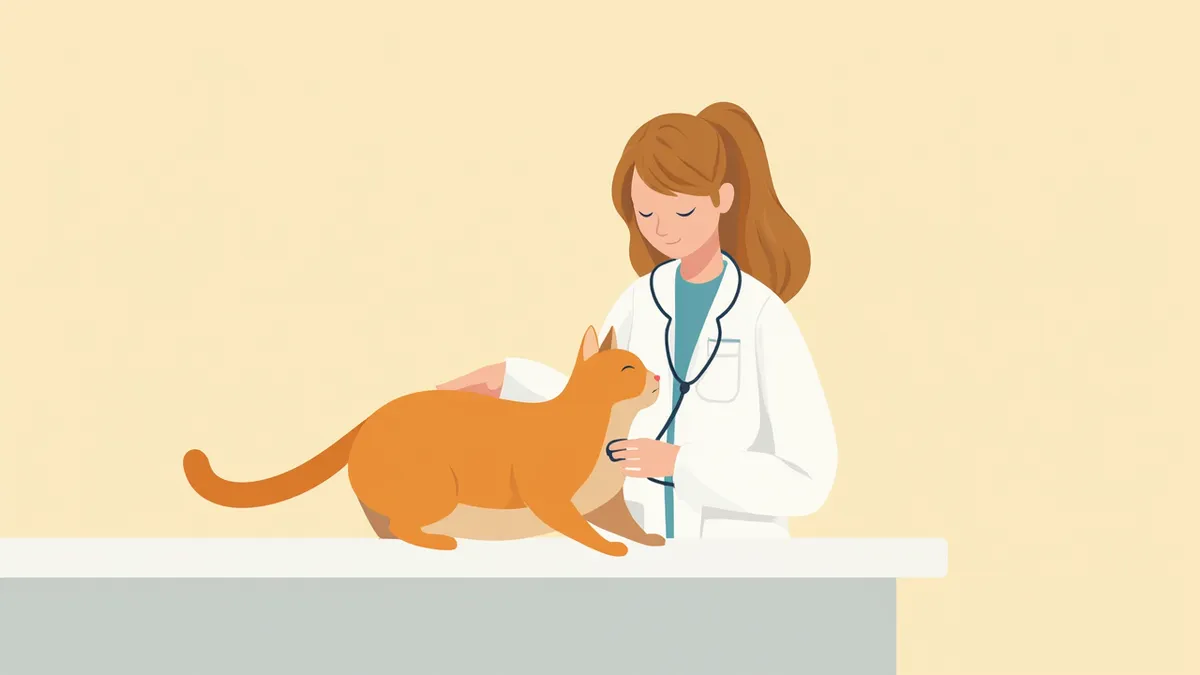
A cat undergoing a check-up at the animal hospital
Feline toxoplasmosis is an infectious disease caused by the protozoan parasite Toxoplasma gondii, which invades the body and triggers inflammation in the digestive tract, nervous system, and muscles. The most important thing to know is that most healthy cats experience no symptoms at all. However, managing exposure routes is crucial for kittens, immunocompromised cats, and households with pregnant women. If diarrhea, fever, or difficulty breathing occurs, prompt testing and treatment are necessary.

How Do Cats Get Infected?

Cats are the definitive hosts for Toxoplasma, meaning that only in a cat’s body can Toxoplasma form its oocysts (eggs). There are three main routes of infection. First, by hunting and eating infected outdoor prey such as mice or birds. Second, by consuming raw or undercooked meat. Third, by coming into contact with environments contaminated by oocysts in the feces of other infected cats. For cats that live exclusively indoors and eat only cooked food or commercial pet food, the risk of infection is extremely low.

Comparison of Infection Risk by Living Environment

ItemIndoor living + kibbleMixed indoor/outdoorOutdoor free-roaming
Infection likelihoodVery lowMediumHigh
Main infection sourceRaw meat treatsHunting·other catsRodents·birds·fecal contamination
Regular health checkup recommendedFalseTrueTrue
Caution when living with a pregnant womanLowMediumHigh

This is a relative risk level based on the degree of hunting·raw food exposure. Actual risk may vary depending on the individual's living environment and health condition.

What Symptoms May Appear?

While most healthy adult cats show no symptoms, there are certain warning signs you should never overlook if they do appear: - Gastrointestinal symptoms: Diarrhea, decreased appetite, weight loss - Respiratory symptoms: Coughing, rapid and shallow breathing, difficulty breathing (pneumonia type) - Neurological symptoms: Seizures, stumbling, vision abnormalities, behavioral changes - Ophthalmic symptoms: Uveitis, eye redness and cloudiness - Systemic symptoms: Fever, lethargy, jaundice Symptoms tend to be particularly severe in kittens and cats undergoing immunosuppressive therapy.
Examples of abnormal eye symptoms in cats

When to Seek Immediate Veterinary Care

If you notice any of the following signs, your cat may have a serious condition other than toxoplasmosis, and immediate veterinary care is essential. These include seizures, difficulty breathing lasting more than 24 hours, sudden vision loss, jaundice, and high fever with lethargy in kittens. If there is a pregnant person in the household, it’s also important for them to undergo prenatal checkups, regardless of the cat’s symptoms.

How Is It Diagnosed?

Diagnosing toxoplasmosis isn’t a one-test process. According to veterinary internal medicine textbooks, we typically evaluate three key factors together: - Blood antibody testing (IgM and IgG): To determine whether the infection is recent or past. - PCR testing: To directly detect the parasite’s genetic material in blood or body fluids. - Imaging and ophthalmic exams: To check for organ involvement, such as pneumonia or uveitis. Fecal testing has limited sensitivity because oocysts are only shed for a short period. Therefore, combining clinical symptoms with blood tests provides the most accurate diagnosis.

How Is Treatment Conducted?

For symptomatic toxoplasmosis, veterinary internal medicine textbooks most commonly recommend clindamycin or trimethoprim-sulfonamide antiprotozoal medications. Both are standard treatment options, and your veterinarian will select the most appropriate drug based on your cat’s condition. Treatment typically lasts about four weeks, though the duration may be adjusted depending on symptom improvement. The specific dosage and treatment period are determined by your veterinarian, taking into account your cat’s weight, symptoms, and any comorbidities. If uveitis is present, topical eye medications are used concurrently, and if pneumonia occurs, supportive care such as oxygen therapy and fluid therapy is administered alongside the primary treatment. Discontinuing treatment prematurely can lead to relapse.
A veterinarian preparing to administer medication to a cat

Essential Information for Households with Pregnant Women

Many people mistakenly believe that “cats = toxoplasmosis = pregnancy is impossible,” but this is not true. Most human infections occur from undercooked meat or unwashed vegetables, and indoor cats are rarely the source. However, during pregnancy, please follow these basic precautions: have another family member clean the litter box, clean it daily to remove oocysts before they become infectious, wash your hands after handling raw meat, and thoroughly wash all vegetables.

Prevention Points — How to Manage

You can significantly reduce the risk of toxoplasmosis by simply following these preventive guidelines. - Keep your cat indoors: Preventing outdoor hunting is the most effective measure. - Avoid feeding raw meat: Serve only cooked meat or commercially prepared pet food. - Clean the litter box daily: Oocysts shed in feces require at least 24 hours to become infectious, so daily cleaning is key to removing them before they pose a risk. - Wear gloves: Use disposable gloves when cleaning the litter box, and wash your hands thoroughly afterward. - Minimize sharing bowls with other cats: This is especially important when introducing a newly adopted cat; keep them separated initially. - Schedule regular health check-ups: We recommend consulting your veterinarian to determine an appropriate examination schedule based on your cat’s health status and living environment.
A clean and well-maintained cat litter box and cleaning tools

Reviewed by a veterinarian

Dr. Tony — Punnawat Phongkittirak

Dr. Tony — Punnawat Phongkittirak

Veterinarian

A veterinarian who majored in veterinary medicine at Khon Kaen University, Thailand, and completed the IVSA program at North Carolina State University in the United States. Drawing on clinical experience at animal hospitals, he works in the pet healthcare field and is dedicated to building a digital care environment that connects pet parents with veterinarians.

Frequently Asked Questions

Can indoor-only cats get toxoplasmosis?
If your pet lives exclusively indoors and eats only commercial dry or wet food, the risk of infection is very low. However, the risk increases if they are given raw meat treats or have opportunities to hunt on a balcony.
Does having a cat mean you can’t get pregnant?
Not at all. Human toxoplasmosis is primarily contracted through undercooked meat or contaminated vegetables. With a pre-pregnancy antibody test and basic hygiene practices, you can absolutely enjoy living with your pet.
Once infected, does the animal suffer from it for life?
Toxoplasma can lie dormant in tissues. While it typically causes no issues in healthy cats, it may reactivate when the immune system is compromised—such as during long-term steroid use or cancer treatment—making regular check-ups essential.
When does a follicular cyst become contagious?
Cat feces are not infectious immediately after being passed; they need at least 24 hours in the environment to become contagious. That's why cleaning the litter box daily is key to prevention.
Is there no vaccine available?
There is currently no commercially available vaccine for toxoplasmosis in cats in Korea. Prevention is managed through daily care and regular check-ups.

Share

Related Guides

References

[1] Small Animal Critical Care Medicine, 3rd Edition - Toxoplasmosis and Immunocompromised Patients

[2] Ettinger's Textbook of Veterinary Internal Medicine, 8th Edition - Protozoal Infections

[3] Dubey JP, Toxoplasmosis of Animals and Humans, 2nd Edition, 2010

[4] CDC, Parasites - Toxoplasmosis (Toxoplasma infection) Clinical Guidelines

This information is based on veterinary literature and does not replace diagnosis or treatment. Please consult a veterinarian for specific health concerns.

Metapet Co., Ltd. | CEO: Park Sung-yong | Business Reg. No. 417-88-02562 | Seoul, South Korea | Customer Center

Feline Toxoplasmosis: Human Infection Risk & Prevention | Meongsiljang