
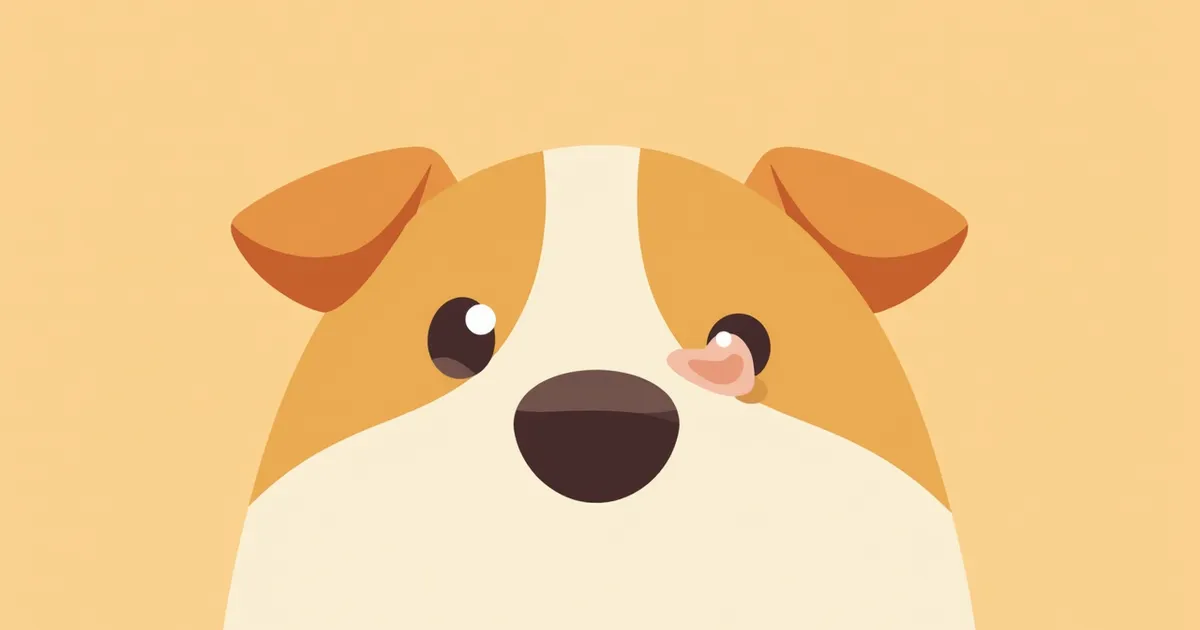
If a Red Mass Protrudes from Your Dog’s Eye — Causes of Cherry Eye and When to Visit the Vet
Cherry eye in dogs, or third eyelid prolapse, is a condition where a red, fleshy mass protrudes from the lower part of the eye. While it’s easy for pet owners to spot, the timing and method of treatment are crucial. Here are answers to some of the most common questions.
Cherry Eye in Dogs Is a Condition Where Red Flesh Protrudes from the Lower Part of the Eye

The Main Causes of Cherry Eye Are Genetic Predisposition and Weakness of the Eyelid Muscle

4 Signs Owners Should Check for When Cherry Eye Is Suspected

Signs Requiring Immediate Veterinary Care
If your pet’s eyes become severely red, tear excessively, or if they have trouble opening or closing their eyes, seek veterinary care immediately. These symptoms may indicate an infection or corneal damage, which require prompt treatment.
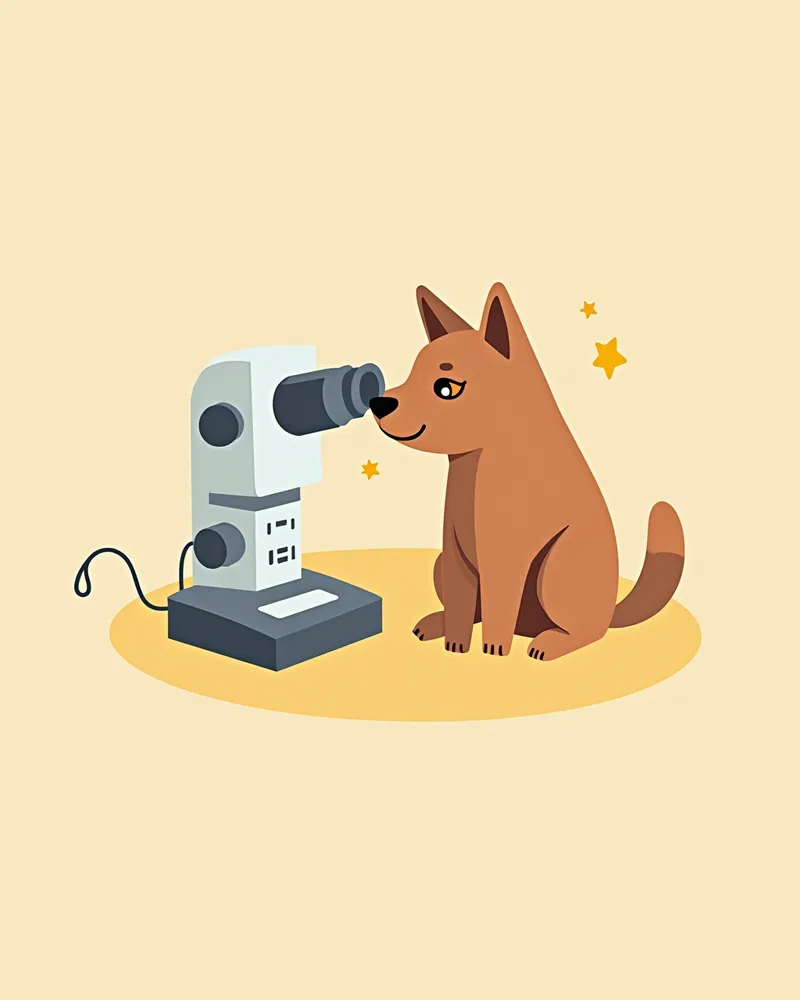
Cherry Eye Is Diagnosed Through a Veterinary Eye Examination and Ophthalmic Instruments
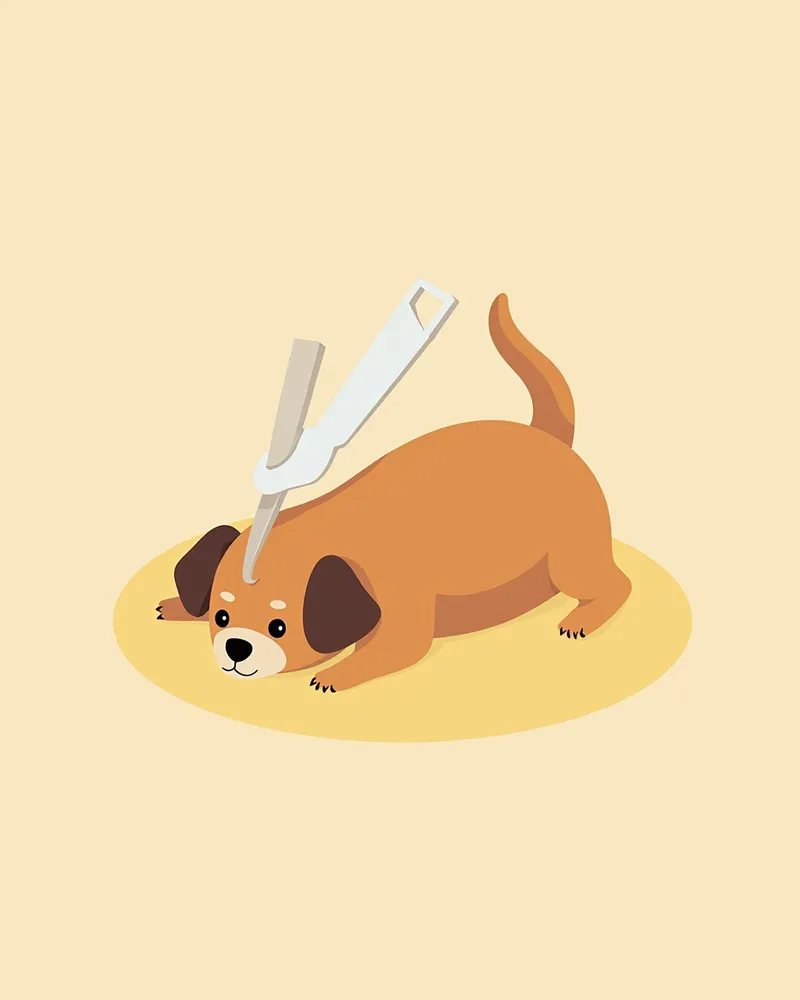
Cherry Eye Treatment Options: Choosing Between Conservative Management and Surgery
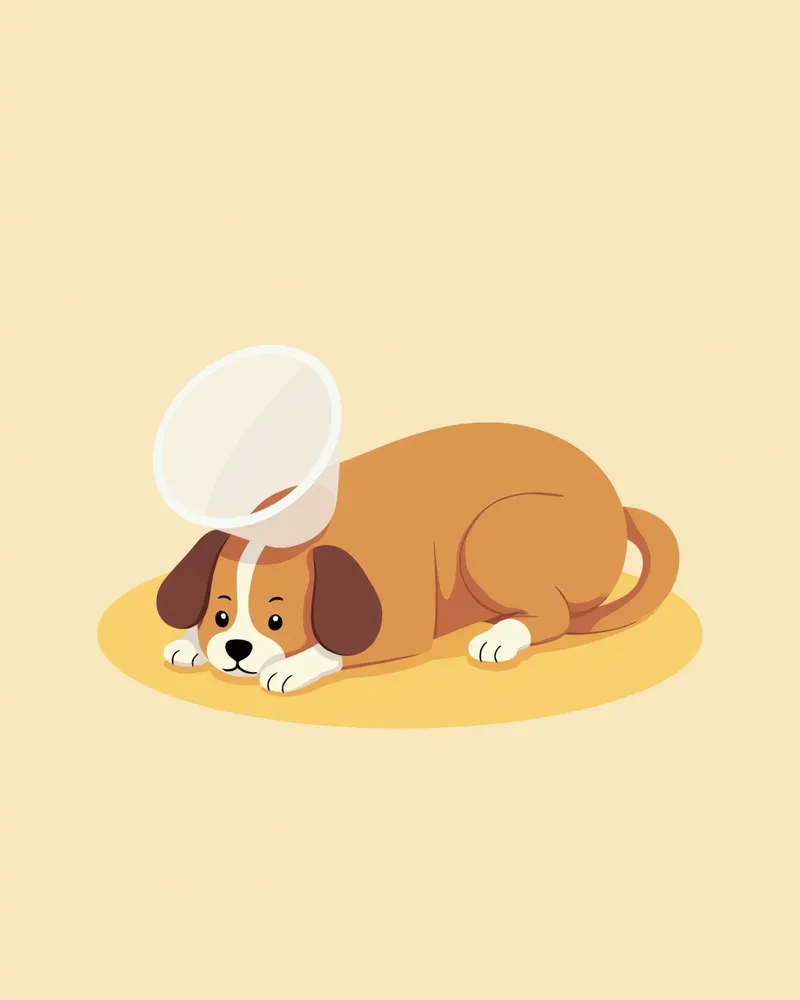
4 Post-Operative Care Points
Caution Is Needed Due to the Possibility of Recurrence
The third eyelid can prolapse again even after surgery, especially in breeds with a strong genetic predisposition, where the risk of recurrence is higher. Continue to monitor your pet’s eye condition closely after the procedure, and return to the clinic if any abnormalities are noticed.
Reviewed by a veterinarian

Dr. Tony — Punnawat Phongkittirak
VeterinarianA veterinarian who majored in veterinary medicine at Khon Kaen University, Thailand, and completed the IVSA program at North Carolina State University in the United States. Drawing on clinical experience at animal hospitals, he works in the pet healthcare field and is dedicated to building a digital care environment that connects pet parents with veterinarians.
Reviewed 2026-06-03
Frequently Asked Questions
What causes cherry eye?
Can cherry eye be treated at home?
How painful is cataract surgery?
Can cherry eye recur after surgery?
Does every dog with a cherry eye need surgery?
Comparison of Cherry Eye Treatments: Conservative Management vs. Surgery
| Item | Conservative Management | Surgical Treatment |
|---|---|---|
| When applied | Mild symptoms, first occurrence | Recurrent, causing pain, affecting vision |
| Duration of effect | Temporary, high chance of recurrence | Long-term, low recurrence rate |
| Cost | Low (eye drops, etc.) | High (including surgery fees) |
| Possibility of side effects | Eye drop irritation, excessive tearing | Post-surgical infection, recurrence |
Surgery has a low recurrence rate and long-term effect, but requires cost and a recovery period. Conservative management has a temporary effect but is low-cost and low-burden.
Share
Related Guides
Top 5 Dog Tear Supplements Recommended for 2026
What is Lutein? Effects on Dog Eye Health

The Best Canine Uveitis Management Products and Selection Criteria: A Comprehensive Guide
What is an ultrasound exam? — How are abdominal and cardiac conditions diagnosed?
How to Interpret Thyroid Hormone Test Results for Dogs and Cats: Meanings and Diagnosis by Value

Understanding Kidney Values (BUN, Creatinine, SDMA)

Cat Pregnancy Symptoms and Care

Symptoms and Treatment of Cushing’s Disease in Dogs

Puppy Socialization: Timing and Methods
How to Correct Puppy Mouthing
References
[1] Coté E. Clinical veterinary advisor. Dogs and cats. 3rd ed. St. Louis, MO: Elsevier Mosby; 2015.
[2] Ettinger SJ, Feldman EC, Côté E. Textbook of veterinary internal medicine: diseases of the dog and the cat. 8th ed. St. Louis, MO: Elsevier; 2017.
[3] Maggs DJ. Third eyelid. In: Maggs DJ, Miller PE, Ofri R, Slat... Clinical Atlas of Canine and Feline Ophthalmic Disease, 2nd Ed.