
Like
Share
멍실장
리드줄 길이별 선택 가이드

Dog Leash Length: Recommended Lengths for Different Walking Situations

ImmunityQ&AMeongsiljang Veterinary Advisory Board

The length of a dog leash affects walking conditions and control. Here’s a guide to choosing the right leash for different situations, ranging from 1.2 meters to over 5 meters.

How Does Leash Length Affect Use?
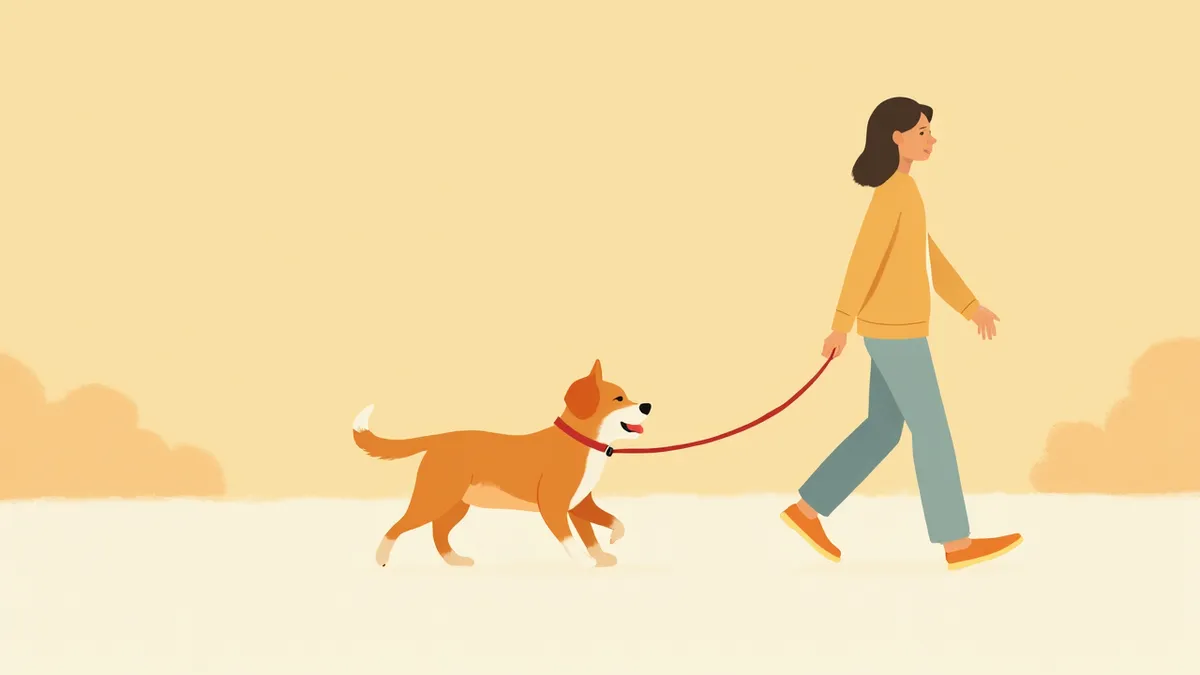
A dog strolling through the city with its owner holding the leash
A dog leash is a safety device in the form of a cord that physically connects you and your dog during walks. The most important factor is choosing the right length. To minimize accidents, adjust the leash length according to the situation: use a shorter leash in urban areas for better control, and a slightly longer one in spacious parks to allow more freedom of movement. In Korea, there is a mandatory regulation requiring dog leashes to be kept within 2 meters in length, so be sure to adhere to this standard when going out.

Why Is Length Important?

Leash length determines control, safety distance, and freedom of movement all at once. If the leash is too long, it becomes difficult to quickly pull your dog back if they dart toward the road or suddenly encounter another dog. According to animal behavior textbooks, using a standard fixed-length leash (approximately 1.2–1.8 meters) for training and daily walks provides better control and consistency than retractable leashes. Additionally, if your dog frequently pulls hard or chokes on their collar, direct pressure on the neck can be harmful; using a front-clip harness helps reduce pulling and allows you to safely guide your dog’s body. Therefore, choosing the appropriate leash length and equipment based on your dog’s condition and walking environment is essential.

Features by Length at a Glance

ItemUnder 1.2m1.5-2m3-5mRetractable Leash
ControlVery highHighLowVariable
Recommended SituationHospital, elevatorUrban walksLarge parks, trainingQuiet trails
Accident RiskLowLowMediumHigh
Novice OwnerSuitableSuitableCautionNot recommended

In Korean urban areas and apartment complexes, use within 2m is the standard.

Which Length to Use for Each Situation?
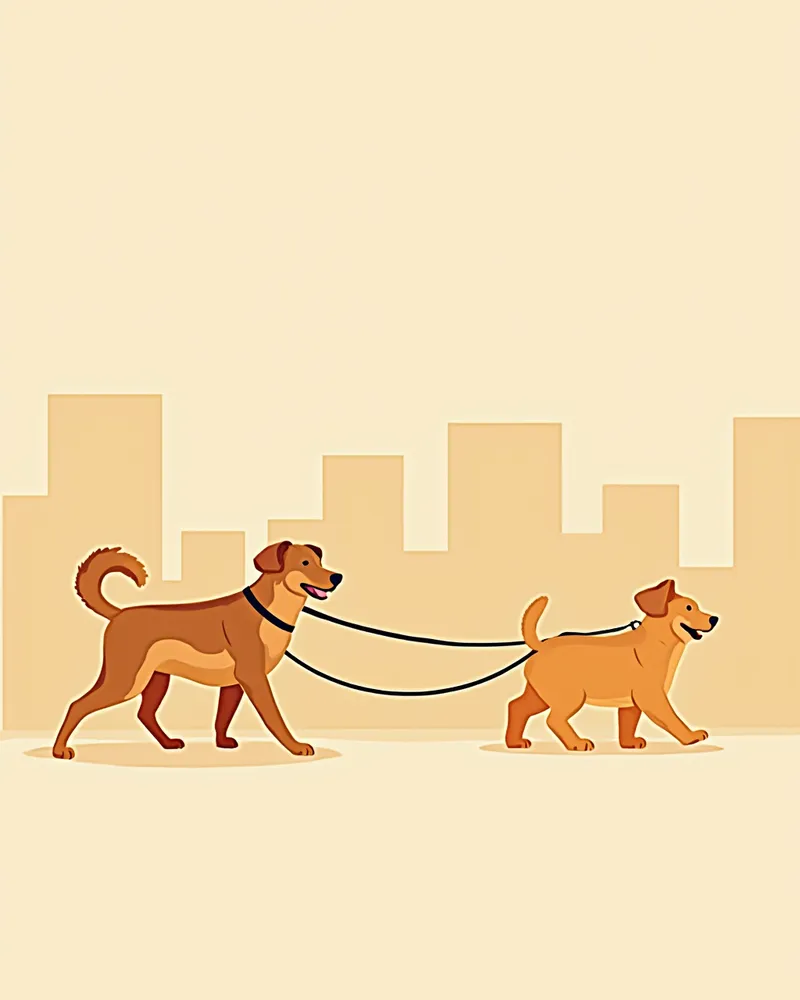
- Under 1.2m: Ideal for tight, crowded spaces like vet clinics, elevators, and cafés. You can keep your pet right by your side. - 1.5–2m: The standard choice. Perfect for city sidewalks and neighborhood walks, and it complies with Korea’s leash regulations (within 2m). - 3–5m: Best for quiet parks or training exercises like recall and “sit-stay.” Use only in areas free of people and bicycles. Behavioral textbooks recommend long lines for scent-sniffing walks and recall training. - Retractable leashes: Though they seem convenient for adjusting length, behavioral textbooks note they offer less control and training consistency than fixed-length standard leashes. Novice pet owners are advised to avoid them.
Using leashes of different lengths for various walking scenarios

When to Always Switch to a Short Leash

In the following situations, always keep the leash short—between 1.2 and 1.5 meters: - On roads adjacent to crosswalks or sidewalks - When encountering other dogs or young children - Inside elevators, shared building entrances, or cafés - During nighttime walks when visibility is poor If an accident occurs while using a long leash, the owner may face greater liability for negligence.

Tips for Choosing Length by Size and Temperament

Small dogs (under 5 kg): Keep the leash at 2 meters or shorter for safety. A longer leash can create excessive force relative to their body weight if they pull. Medium dogs (5–20 kg): Use a standard 1.5–2 meter leash, and only use one up to 3 meters during training. Large dogs (over 20 kg): We recommend a 1.2–1.5 meter leash that allows you to maintain full control. Longer leashes increase the risk of injury to you if the dog suddenly lunges. Anxious or timid dogs: Use a shorter leash to keep your dog close and help them feel secure. High-energy dogs: Let them get plenty of exercise with a training leash of 3 meters or longer in the park.
Dogs of different sizes walking on leashes

Are Retractable Leashes Okay to Use?

Although retractable leashes may seem convenient because their length can be adjusted with the push of a button, veterinary behavior textbooks recommend using a standard fixed-length leash, as it offers superior training consistency and handler control. In emergency situations, such as when a pet suddenly bolts, the delayed locking mechanism and variable leash length can make it difficult to respond effectively. If you do choose to use a retractable leash, limit its use to quiet rural paths or grassy areas, always pair it with a harness, and hold it with both hands. For urban walks, stick to a fixed-length leash as your standard.

When a Harness Is Recommended Over a Collar

For dogs that pull hard on their leash or have weak respiratory systems, such as short-nosed breeds (Pugs, Bulldogs), using a front-clip harness and lead instead of a collar can reduce pulling and allow for safer control of the dog’s body. Pulling hard on a collar can put direct pressure on the neck, leading to coughing or breathing discomfort. Please consult with your veterinarian to determine the most suitable equipment for your dog.

Reviewed by a veterinarian

Dr. Tony — Punnawat Phongkittirak

Dr. Tony — Punnawat Phongkittirak

Veterinarian

A veterinarian who majored in veterinary medicine at Khon Kaen University, Thailand, and completed the IVSA program at North Carolina State University in the United States. Drawing on clinical experience at animal hospitals, he works in the pet healthcare field and is dedicated to building a digital care environment that connects pet parents with veterinarians.

Frequently Asked Questions

Do I really have to stick to a 2-meter leash?
Yes. According to the Enforcement Decree of the Animal Protection Act in Korea, leashes must be kept at 2 meters or shorter in public places. Violations may result in fines.
When is the best time to use a long training leash (3–5 meters)?
Use this during recall training, such as calling your dog with "Come here," in wide open spaces free from people, bicycles, and cars. It is not suitable for urban walks.
I’ve heard that automatic retractable leashes can be dangerous. Why is that?
Veterinary behavior textbooks note that retractable leashes offer less training consistency and control compared to fixed-length leashes. In sudden situations, a delayed locking mechanism can put your dog at risk of darting into traffic, and the variable leash length may confuse them. For these reasons, we do not recommend retractable leashes for first-time pet owners.
What kind of leash material is best?
Nylon and polyester webbing are the most common materials. Large breeds do best with thicker webbing, while small breeds are more comfortable with lightweight, soft materials. Leather is durable but not water-resistant.
Which is better, a collar or a harness?
For dogs that pull heavily, have short muzzles, or suffer from tracheal collapse, a harness is the safer choice. While most typical dogs can comfortably use either a harness or a collar, a harness places less strain on the body during long walks.

Share

Related Guides

References

[1] AAHA Canine Life Stage Guidelines, 2019

[2] Shih HY et al., Exploring the Effects of Leash Pulling on Dogs, Animals, 2020

[3] Grainger J et al., The Behavioural Effects of Walking on a Collar and Harness in Domestic Dogs, Veterinary Record, 2016

This information is based on veterinary literature and does not replace diagnosis or treatment. Please consult a veterinarian for specific health concerns.

Metapet Co., Ltd. | CEO: Park Sung-yong | Business Reg. No. 417-88-02562 | Seoul, South Korea | Customer Center

Dog Leash Length: Recommended Sizes for Every Walk | Meongsiljang