Like
Share
멍실장
다른 강아지 공포 교정

Correcting Fear of Other Dogs

Brain & CognitionQ&AMeongsiljang Veterinary Advisory Board

We’ve outlined the causes and step-by-step correction methods for fear responses—such as barking, trembling, or hiding—when dogs encounter other dogs. We also cover contributing factors like insufficient socialization, negative experiences, and genetic predispositions.

Why Does Fear of Other Dogs Develop?
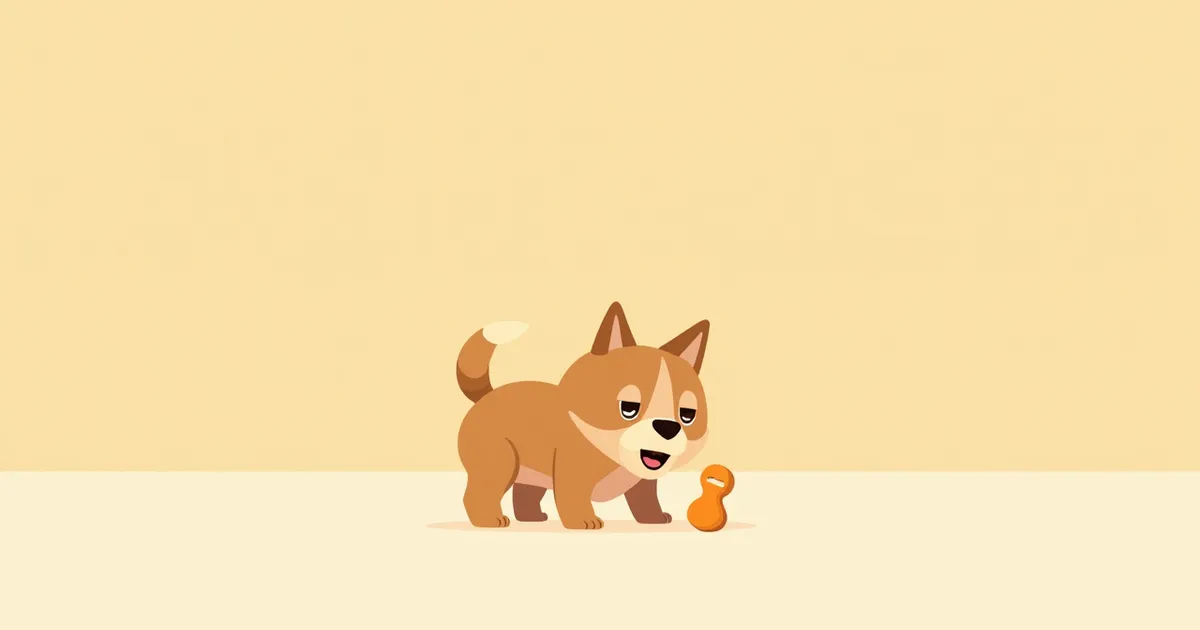
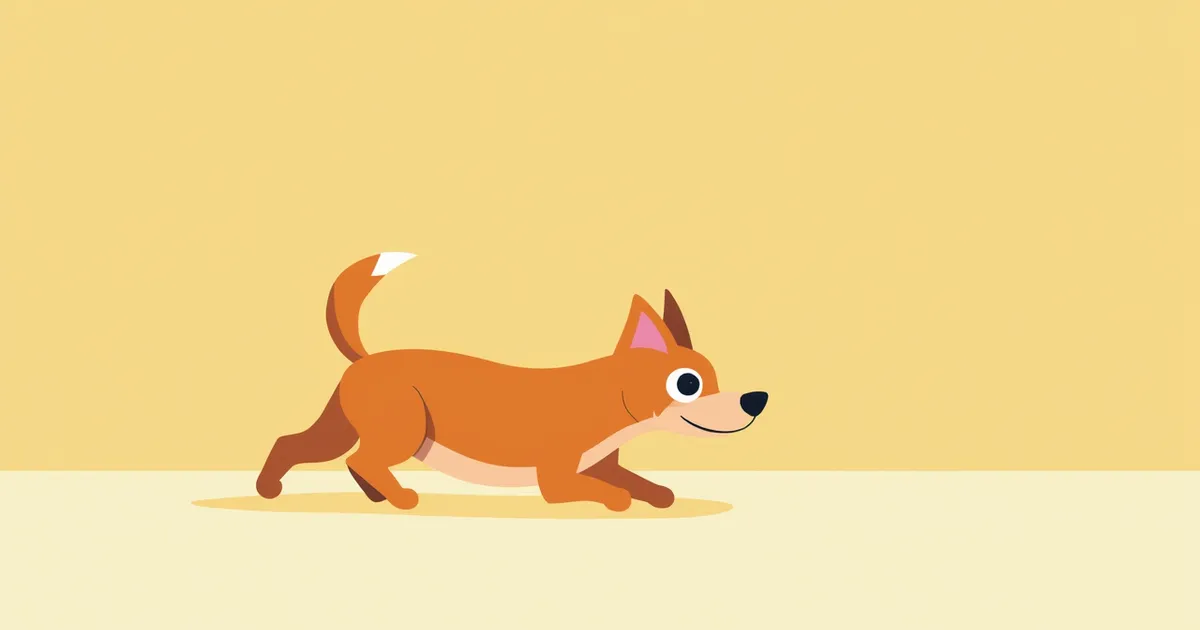
A puppy hiding behind its owner and warily eyeing another dog
Canine fear of other dogs is a behavioral issue characterized by recurring fear and avoidance responses, such as barking, trembling, or trying to hide when encountering other dogs. The most important thing is to avoid forcing your dog to become friendly with them. Correction is only possible once you help your dog regain a sense of safety by maintaining distance. Scolding or forcing eye contact will only deepen the fear. Even if your dog missed out on adequate socialization opportunities during puppyhood, you can still gradually improve the situation starting from now.

Three Main Causes of Fear Responses

The causes can be broadly divided into three categories.
Lack of socialization: If a dog did not have positive interactions with various other dogs during the critical socialization period in puppyhood, it may develop a fear of unfamiliar dogs.
Negative experiences: If a dog was attacked by a larger dog while walking or repeatedly exposed to threatening situations, it may develop a strong fear association.
Genetics and temperament: Some breeds and individual dogs may have a natural tendency toward strong fear responses. According to veterinary behavioral medicine textbooks, temperament and genetic factors should not be overlooked.
Understanding the cause is essential because it determines the appropriate approach.

Checklist for Your Dog’s Fear Signals

If your dog shows any of the following signs when encountering another dog, it’s a fear response.
Tail tucked: Tucked between the legs.
Ears pinned back: Flattened tightly against the head.
Shivering: Trembling without being cold.
Avoidance behavior: Hiding behind you or between your legs.
Excessive barking: Defensive barking, not aggressive.
Panting and drooling: Signs of stress-related breathing.
If two or more of these signs appear at the same time, behavioral correction is needed.
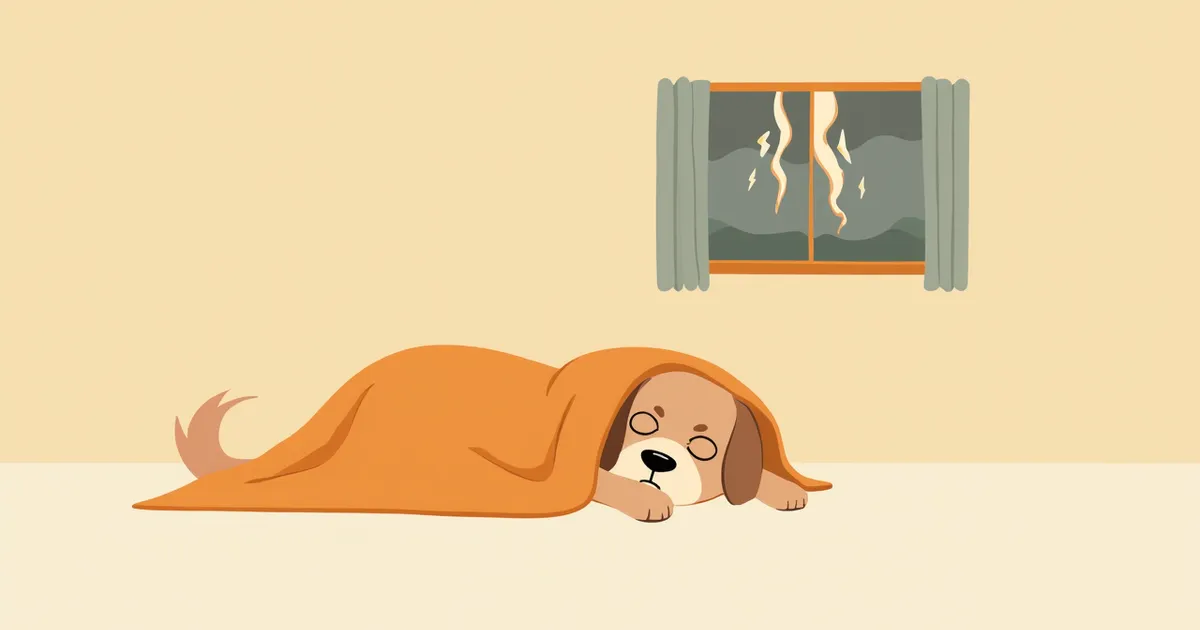
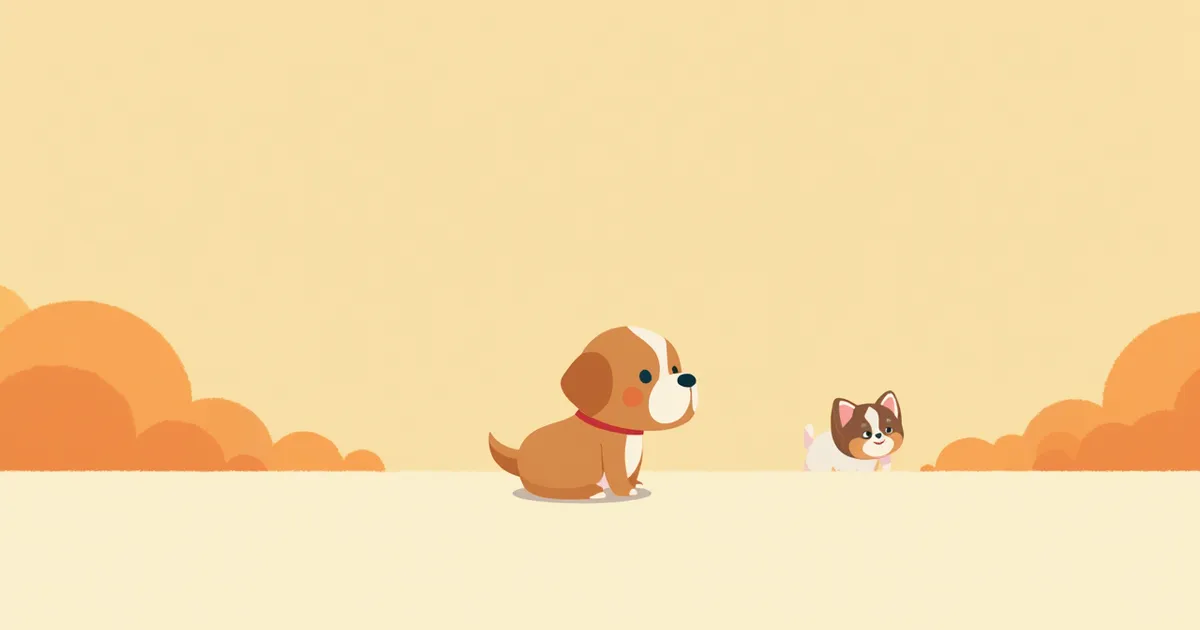
A dog showing fear signals by folding its ears and lowering its tail

When to Immediately Consult a Vet or Behavior Professional

If your dog’s fear has escalated into aggression or is making daily life difficult, don’t try to correct it alone—seek professional help. Specifically, consult a professional if: 1) your dog lunges or attempts to bite upon seeing other dogs, 2) they refuse to go for walks and tremble at the door, 3) they overreact to outside noises even indoors, or 4) they experience persistent loss of appetite or lethargy. After evaluation by a veterinarian or veterinary behaviorist, medication may be prescribed as part of the treatment plan if necessary.

Correction Approaches by Fear Stage

ItemMildModerateSevere
Reaction DistanceOn alert at 5–10 mAvoidance at 10–20 mPanics even when it comes into view
Physical SignsTail tucked, tensionTrembling, hidingInvoluntary elimination, panic
Correction MethodDistancing + treat rewardDesensitization & counterconditioningProfessional help + concurrent medication
Expected Duration4–6 weeksSeveral months or more (varies by individual)Requires long-term professional treatment

All corrective training must begin outside the 'fear threshold distance' to be effective

Core Correction Method: Desensitization and Counter-Conditioning

The most effective, evidence-based approach combines desensitization and counter-conditioning. Desensitization involves exposing your dog to other dogs from a distance where they feel no fear, then gradually decreasing that distance. Counter-conditioning works by changing the association from "other dogs = scary" to "other dogs = a cue that treats are coming." The key is finding the distance at which your dog feels comfortable. Start at the threshold just before they begin barking or trembling.
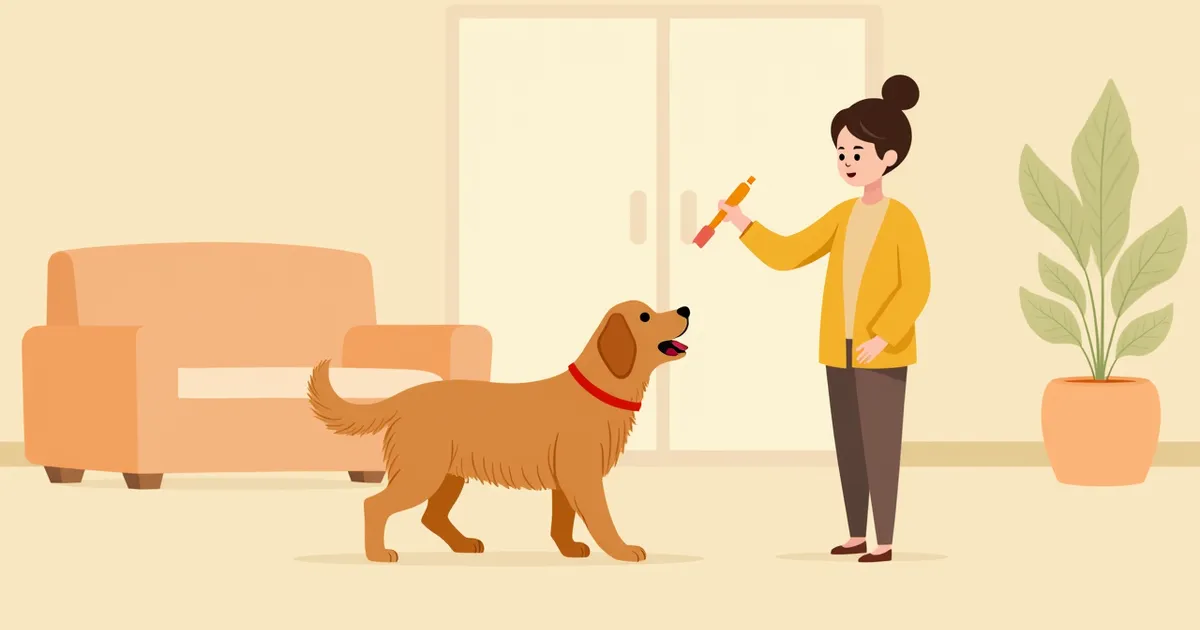
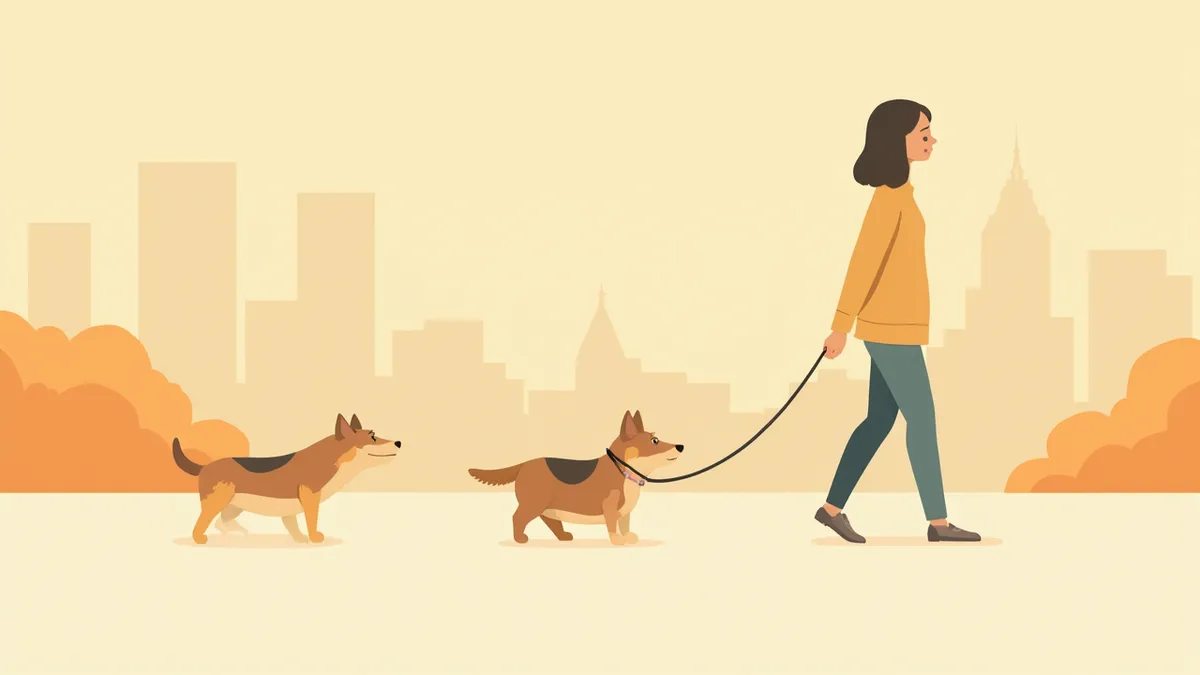
A puppy being trained to receive treat rewards at a safe distance

5-Step Training to Practice at Home

Step 1: Find the Safe Distance: Determine the minimum distance at which your dog remains relaxed when seeing other dogs.
Step 2: Reward on Sight: Immediately give your dog a favorite treat the moment they notice another dog.
Step 3: Redirect Attention: Use commands like "Come here" or "Look at me" to shift your dog’s focus back to you.
Step 4: Gradually Decrease Distance: Once you’ve confirmed your dog is consistently calm, slowly reduce the distance between them and the other dog.
Step 5: Encourage Positive Encounters: Begin with parallel walks alongside a calm, friendly dog. Direct face-to-face meetings should be the final step.

Correction Methods to Absolutely Avoid

There are well-intentioned actions that can actually worsen your dog’s fear. Avoid: ① forcing your dog toward what scares them, ② scolding them for barking or yanking their leash, and ③ excessively hugging them while saying “It’s okay,” which restricts their movement. When dogs are frightened, their instinct is to back away and create distance; restraining them tightly blocks their escape route and can increase stress. ④ Also, avoid simply taking them to dog parks. Exposure to multiple dogs at once can reinforce their fear. Punishment-based training is not recommended, as it can lead to defensive biting when the dog feels threatened. Please avoid these approaches.

Key Points by Breed and Age
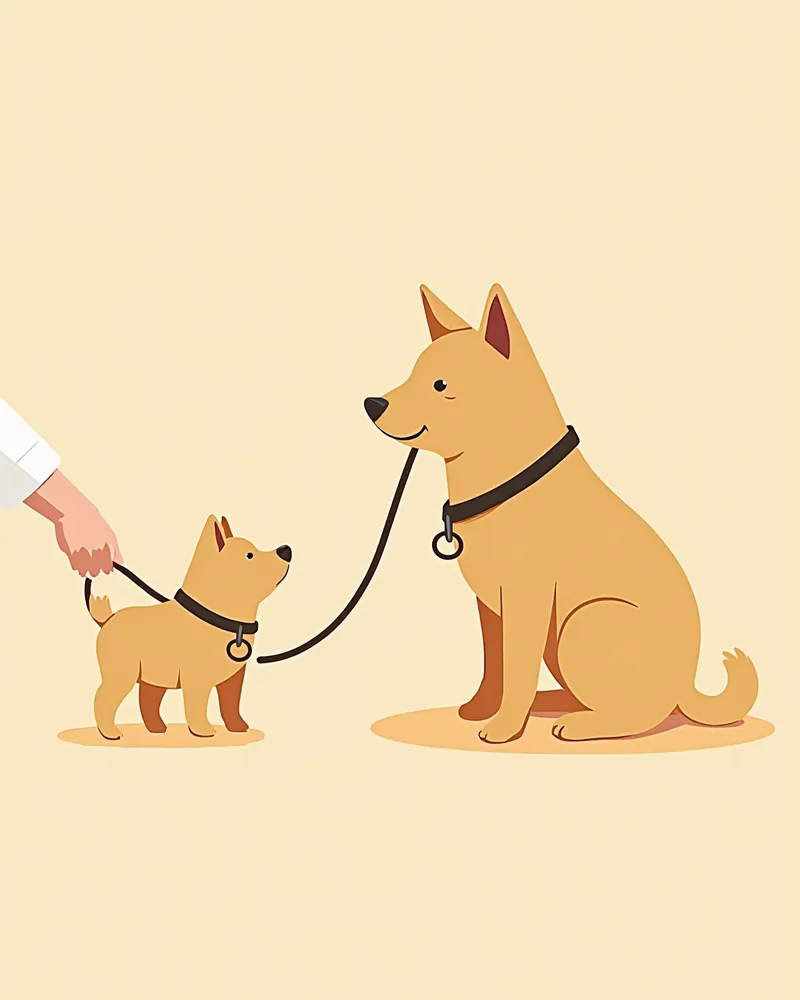
A dog’s fear response is shaped more by its individual learning experiences and genetic temperament than by its breed. Therefore, even among small-breed dogs, those with negative past encounters with larger dogs may feel more threatened during size-disparate meetings; in such cases, please maintain a safe distance in advance. Senior dogs can be more easily startled by sudden encounters, so it’s best to change direction from a distance. Dogs coming from shelters or newly adopted into a home may exhibit fear later as they adjust to their new environment, so please observe them closely during the initial period. Adult dogs that lacked adequate socialization opportunities in puppyhood can still improve significantly with consistent behavior modification, so please don’t give up.
Small dogs and their owners keeping a safe distance from larger dogs while walking

Reviewed by a veterinarian

Dr. Tony — Punnawat Phongkittirak

Dr. Tony — Punnawat Phongkittirak

Veterinarian

A veterinarian who majored in veterinary medicine at Khon Kaen University, Thailand, and completed the IVSA program at North Carolina State University in the United States. Drawing on clinical experience at animal hospitals, he works in the pet healthcare field and is dedicated to building a digital care environment that connects pet parents with veterinarians.

Frequently Asked Questions

Is fear correction possible for adult dogs?
Yes, it’s possible. However, it will require more repetition and patience compared to dogs that had ample socialization experiences during their early years. Consistent daily behavior modification training is essential, and in severe cases, an evaluation by a veterinary behavior specialist is recommended.
Won't taking my dog to a dog park help it adjust more quickly?
In fact, it can backfire. When multiple unfamiliar dogs approach at once, fear can solidify into trauma. Start with parallel walks in a quiet space with just one or two calm, friendly dogs.
Do they receive medication for fear?
In severe or critical cases, a veterinarian may prescribe anti-anxiety or behavior-modifying medications. These medications serve as an adjunct to enhance the effectiveness of training, and the veterinarian will determine the appropriate dosage based on the pet’s weight and overall condition.
Can fear turn into aggression?
Yes, it’s called fear-based aggression. If a pet feels trapped or has nowhere to hide, it may bite defensively. It’s important to recognize early warning signs and create some distance right away.
When will I start seeing results from the training?
For mild cases, consistent daily behavioral therapy can lead to noticeable changes within 4 to 6 weeks. More severe symptoms require longer, repeated sessions, and professional evaluation is recommended. Short, frequent sessions of 10 to 15 minutes each day are more effective than longer, less frequent ones.

Share

Related Guides

References

[1] Horwitz, D.F., Mills, D.S., BSAVA Manual of Canine and Feline Behavioural Medicine, 2nd ed., 2009

[2] Landsberg, G., Hunthausen, W., Ackerman, L., Behavior Problems of the Dog and Cat, 3rd ed., 2013

[3] Overall, K.L., Manual of Clinical Behavioral Medicine for Dogs and Cats, 2013

[4] Morrow, M. et al., Breed-dependent differences in the onset of fear-related avoidance behavior in puppies, Journal of Veterinary Behavior, 2015

This information is based on veterinary literature and does not replace diagnosis or treatment. Please consult a veterinarian for specific health concerns.

Metapet Co., Ltd. | CEO: Park Sung-yong | Business Reg. No. 417-88-02562 | Seoul, South Korea | Customer Center

Dog Fear Correction: How to Stop Barking and Trembling at Other Dogs | Meongsiljang