Like
Share
멍실장
고양이 심장사상충 예방약 선택·비교 자주 묻는 질문 Q&A — 보호자가 꼭 알아야 할 핵심

Frequently Asked Questions on Choosing and Comparing Feline Heartworm Preventives — Key Information Every Pet Owner Should Know

Lifestyle & Age CareQ&AMeongsiljang Veterinary Advisory Board

The effectiveness of feline heartworm preventives varies depending on the type, dosing schedule, and active ingredients. Here’s a summary of the key information every pet owner should know.

Why Are Feline Heartworm Preventives Essential?

A medical illustration showing heartworms in a cat's pulmonary artery
Heartworm is a deadly parasite transmitted through mosquito bites. In cats, early infection often shows few or no symptoms, making it difficult to detect. As the disease progresses, inflammatory damage to the pulmonary blood vessels and lung tissue can lead to respiratory illness. Although cats rarely develop adult heartworms and most infections remain at immature stages, the resulting lung inflammation and embolisms caused by dying worms can still be life-threatening. Even indoor cats are at risk of mosquito exposure; one study found that approximately 25% of cats with adult heartworm infections lived indoors, underscoring the necessity of prevention. Preventive medications work by gradually killing heartworm larvae before they mature, thereby reducing the risk of severe disease. In areas where heartworm is endemic, year-round prevention is recommended for all cats. Consistent administration is key to protecting your cat’s long-term health and quality of life. Therefore, prevention is not just about giving medication—it is a vital choice that saves lives.

What Are the Key Active Ingredients in Preventives?

Feline heartworm preventives commonly contain active ingredients such as selamectin, milbemycin oxime, and moxidectin. - Selamectin: Administered monthly, this ingredient prevents heartworm larvae and also helps manage external parasites like fleas. - Milbemycin oxime: Effective against heartworms as well as intestinal parasites, its spectrum of action differs from ingredients targeting only external parasites (such as ticks and fleas). - Moxidectin: The dosing schedule and administration method vary depending on the product formulation, providing long-term protective effects. Because dosing intervals and forms differ by ingredient and product, selecting the right option based on your cat’s lifestyle and health status is crucial. Heartworm prevention can typically begin at 8 weeks of age and is recommended for year-round, consistent administration. Therefore, consulting with your veterinarian to choose the appropriate ingredient and dosing schedule is key to safe and effective prevention.
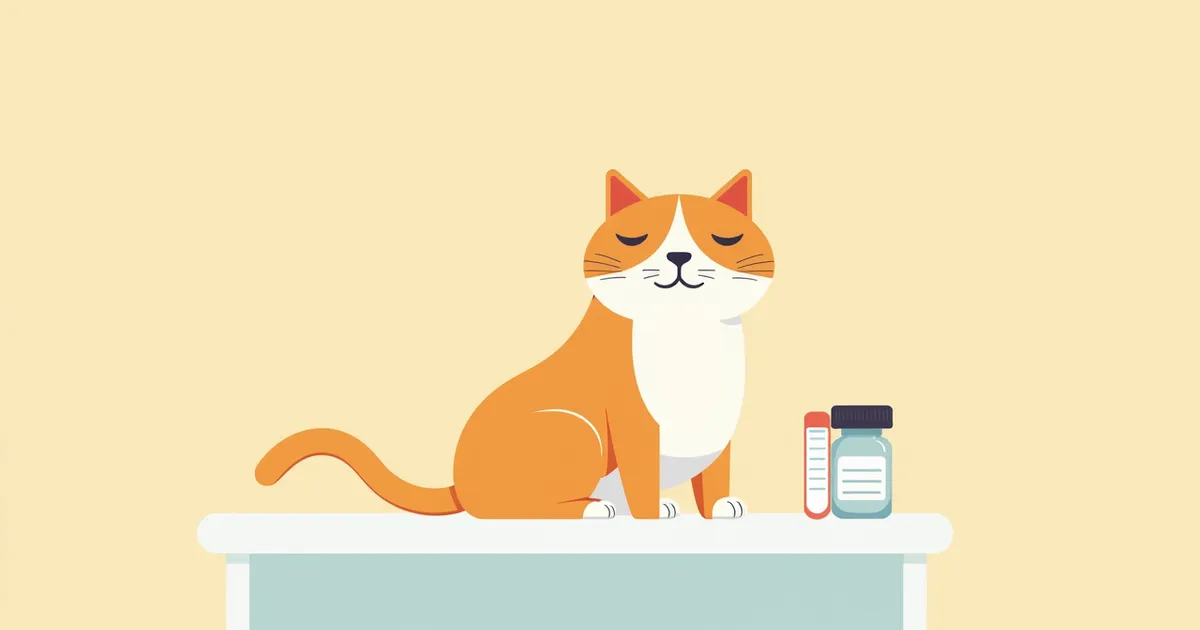
A tablet form of heartworm preventive for cats containing three key active ingredients

Key Criteria to Consider When Choosing a Preventive

When choosing a heartworm preventive for your cat, it’s important to consider the active ingredient’s spectrum of activity, dosing frequency, risk of side effects, and your cat’s weight and overall health. - Active ingredient: Products that protect against heartworms as well as external parasites like ticks and fleas are more efficient. - Dosing frequency: Options vary by schedule—monthly, quarterly, etc.—so choose one that fits your daily routine. - Side effects: Some cats may experience nausea, lethargy, or decreased appetite, so monitor them closely when starting a new product. - Health status: Cats with underlying conditions or weakened immune systems may react differently depending on the active ingredient, so veterinary consultation is essential. Consistent care and regular check-ups are key to effective prevention.
A scene where a veterinarian discusses preventive medication options with a cat owner.

Comparison Table of Major Feline Heartworm Preventives

ItemIngredientDosing CycleMain AdvantagesPrecautions
Selamectin (Revolution)SelamectinOnce a monthCan prevent both heartworm and external parasites (ticks, fleas)Possibility of mild nausea
Milbemycin oxime (Interceptor)Milbemycin oximeOnce a monthPrevents not only heartworm but also intestinal parasitesCaution needed if liver function is impaired
Moxidectin (ProHeart 6)MoxidectinOnce every 6 monthsInjectable form offers high convenience of administrationPre-testing is essential, risk of side effects exists

Choose according to the veterinarian's diagnosis and recommendation. Decide by considering the cat's body weight and health status.

Possible Side Effects After Administering Preventives
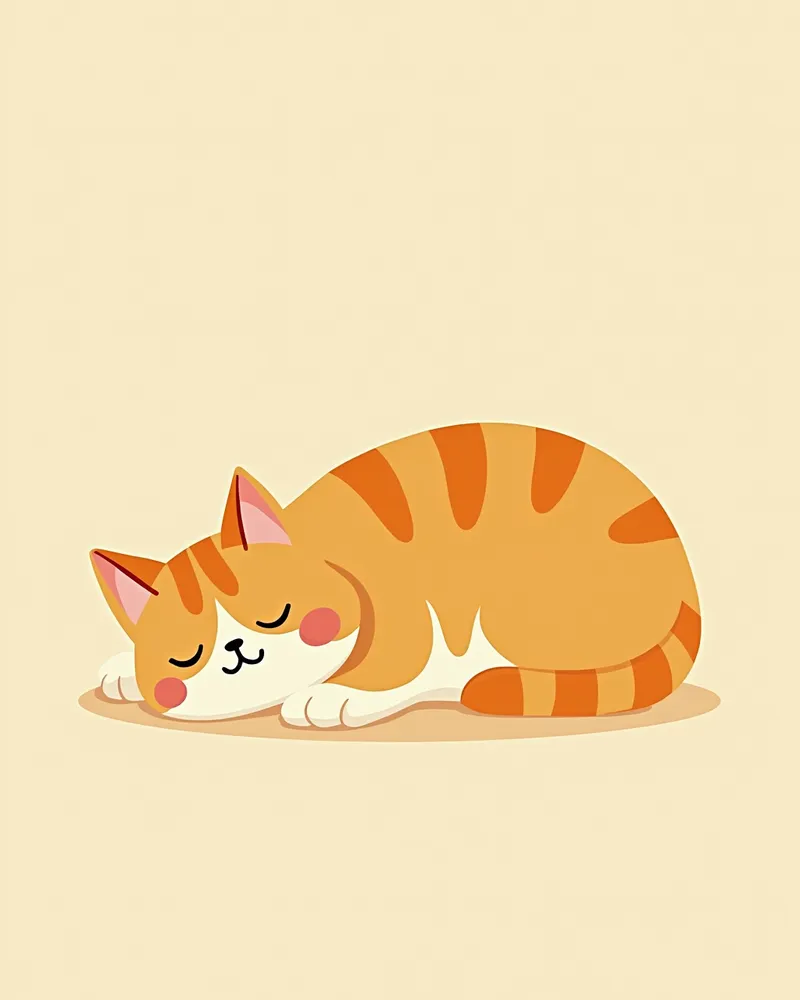
After administering preventive medication, mild side effects such as nausea, decreased appetite, drowsiness, and reduced activity may occur. These typically resolve on their own within one to two days, but if they persist or worsen, veterinary attention is advised. Difficulty breathing, seizures, or decreased consciousness may indicate serious adverse reactions and require immediate veterinary care. Side effects can vary depending on the active ingredients and your cat’s individual constitution, so it is important to closely monitor your pet for 24 hours after the first dose. Additionally, reactions may differ based on the administration method (e.g., oral, subcutaneous injection), so always follow your veterinarian’s instructions. For safe use of preventive medications, proper management and careful attention are essential.
A cat that appears slightly uncomfortable after taking medication

Signs Requiring Immediate Veterinary Attention

If your cat experiences difficulty breathing, seizures, severe vomiting, or decreased consciousness after taking medication, seek immediate veterinary care. These could be signs of serious side effects, so closely monitor your cat for 24 hours after administering preventive medication.

Key Points Pet Owners Must Check When Selecting a Preventive

When selecting a preventive medication, always consult your veterinarian and confirm your cat’s weight, overall health status, and any underlying conditions. - Weight-based selection: Each product has a specific approved weight range, so accurate weighing is essential. - Administration method: Options include oral tablets, topical spot-on solutions, and subcutaneous injections. Choose the form that best suits your cat’s temperament and your ease of administration. - Consistent scheduling: Missing a dose can sharply increase the risk of infection, so use reminders or a calendar to maintain a consistent routine. - Ingredient review: Products that protect against heartworm as well as other parasites like fleas and ticks offer greater efficiency. Your responsible choice is the first step in safeguarding your cat’s health.
Cat Heartworm Preventive Medication Administration Checklist

Reviewed by a veterinarian

Dr. Tony — Punnawat Phongkittirak

Dr. Tony — Punnawat Phongkittirak

Veterinarian

A veterinarian who majored in veterinary medicine at Khon Kaen University, Thailand, and completed the IVSA program at North Carolina State University in the United States. Drawing on clinical experience at animal hospitals, he works in the pet healthcare field and is dedicated to building a digital care environment that connects pet parents with veterinarians.

Frequently Asked Questions

Can cats get heartworm disease too?
Yes, cats can also become infected with heartworms through mosquito bites. Because the symptoms are often mild, early detection can be difficult, but in severe cases, it can lead to impaired lung function.
Should preventive medications be administered every month?
Most preventive medications should be administered once a month. Missing a dose can sharply increase the risk of infection, so it’s important to maintain a consistent schedule.
What are the advantages of injectable vaccines?
Injectable formulations are administered once every six months, offering great convenience. However, they require pre-treatment testing and carry a higher risk of side effects, so a veterinarian’s professional judgment is essential.
My cat has no appetite after taking preventive medication. Is this normal?
A mild decrease in appetite is a common reaction. If your pet recovers within 1–2 days, there’s no cause for concern, but if the loss of appetite persists or is accompanied by severe vomiting, a veterinary visit is necessary.
My cat is sleepy after taking the preventive medication. I’m worried.
Drowsiness is a common side effect of some ingredients. It usually resolves within 1–2 days, but if it persists or is accompanied by other symptoms, please consult your veterinarian.

Share

Related Guides

References

[1] American Heartworm Society. (2023). Feline Heartworm Disease: Prevention, Diagnosis, and Management. Retrieved from https://www.heartwormsociety.org/feline-heartworm-disease

[2] Plumb's Veterinary Drug Handbook, 9th Edition. (2022). Wiley-Blackwell. Chapter on Heartworm Preventives.

[3] Veterinary Clinics of North America: Small Animal Practice. (2021). Heartworm Disease in Cats: A Comprehensive Review. Vol. 51, Issue 4.

This information is based on veterinary literature and does not replace diagnosis or treatment. Please consult a veterinarian for specific health concerns.

Metapet Co., Ltd. | CEO: Park Sung-yong | Business Reg. No. 417-88-02562 | Seoul, South Korea | Customer Center

Cat Heartworm Preventive: Key Q&A for Choosing and Comparing Options | Meongsiljang