Like
Share
멍실장
강아지 폐동맥 협착 자주 묻는 질문 Q&A — 보호자가 꼭 알아야 할 핵심

Complete Guide to Pulmonary Artery Stenosis in Dogs — From Symptoms to Surgical Treatment Timing

HeartQ&AMeongsiljang Veterinary Advisory Board

Pulmonary artery stenosis in dogs is a condition in which blood flow to the lungs is restricted due to an abnormality in heart structure. Early detection and proper management are essential.

What Is Pulmonary Artery Stenosis in Dogs?

A diagram showing the narrowed structure of a puppy's pulmonary artery in the heart.
Pulmonary artery stenosis in dogs is a congenital heart disease where blood flow from the right ventricle to the pulmonary artery is obstructed by a narrowed section. This forces the right ventricle to work harder to pump blood, increasing cardiac burden and eventually leading to thickening of the right ventricular wall. As the narrowed area thickens, it can create a vicious cycle that worsens the stenosis. This condition is relatively common in certain breeds, particularly Bulldogs (French and English) and Boxers. While symptoms may not be obvious in the early stages, dogs may gradually develop rapid breathing or become easily fatigued after exercise. Early diagnosis and appropriate management are key to determining the prognosis. Close attention is necessary, as severe stenosis can lead to worsening heart function.

Why Does Pulmonary Artery Stenosis Occur?

Pulmonary stenosis is a congenital heart defect present at birth, characterized by narrowing or thickening of the pulmonary valve or surrounding structures that obstruct blood flow. Valvular stenosis is the most common form, but subvalvular (infundibular) stenosis is also observed. The condition tends to occur more frequently in specific breeds and family lines, highlighting the importance of breed predisposition. It has been reported to be particularly prevalent in certain Boxer bloodlines that have not undergone breeding screening. For early detection, regular cardiac examinations are recommended for puppies of predisposed breeds. Early management plays a crucial role in monitoring disease progression.
A diagram explaining the genetic causes of congenital heart disease in dogs

What Are the Main Symptoms?

The main symptoms of pulmonic stenosis in dogs include difficulty breathing, easy fatigue after exercise, an increased heart rate, and bluish discoloration of the lips or inside of the mouth. These are signs that the heart is unable to pump blood effectively. While symptoms may appear mild in the early stages, they can progressively worsen, leading to shortness of breath or even collapse. Symptoms often become more severe after excitement or physical activity. It is important to closely monitor for these changes to ensure early detection. If any symptoms appear, immediate veterinary care is necessary.
A dog panting and looking exhausted after exercise

How Is It Diagnosed?

Pulmonary artery stenosis is initially screened by listening for abnormal heart sounds, such as murmurs, during cardiac auscultation, and then accurately diagnosed using an echocardiogram (heart ultrasound). Echocardiography plays a crucial role in classifying and assessing the severity of the stenosis by measuring blood flow velocity through the narrowed area and the resulting pressure difference (transvalvular pressure gradient). It also allows visualization of the pulmonary valve bulging in a dome-like shape during systole. If necessary, selective angiography can help more precisely evaluate the condition of the pulmonary artery branches and the location of the stenosis. If you suspect your pet is showing symptoms, it is important to seek examination at a specialized veterinary hospital right away, as an accurate diagnosis forms the foundation for developing an appropriate treatment plan.
A veterinarian performing an echocardiogram on a puppy.

What Are the Treatment Options?

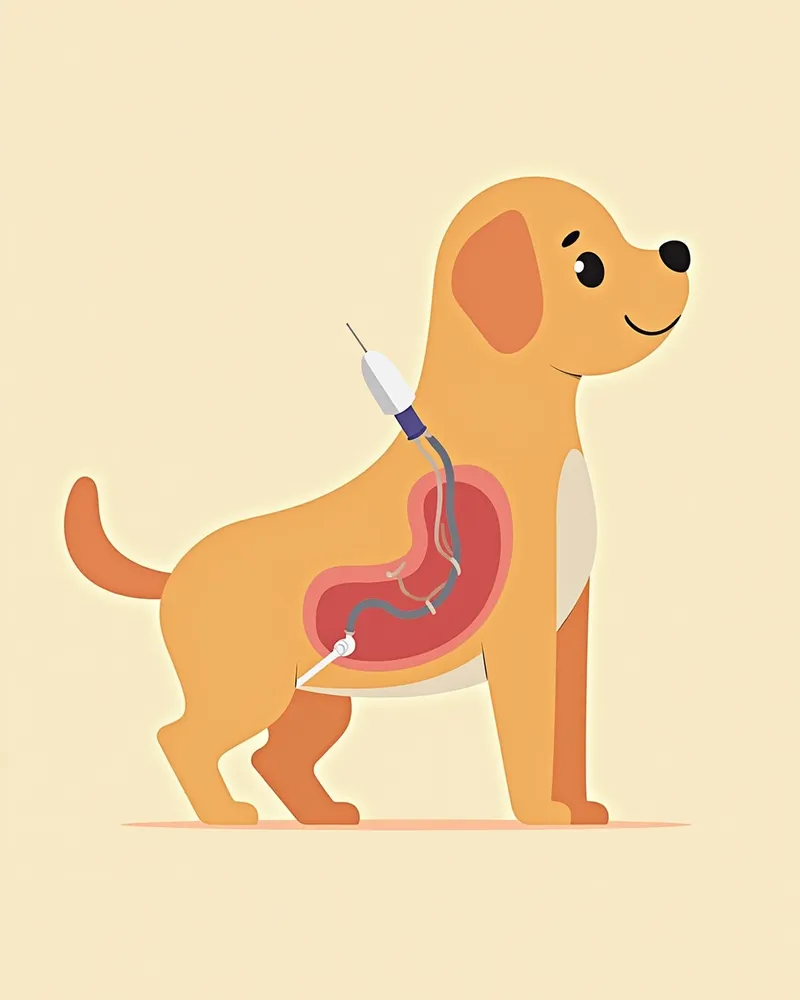
Treatment depends on the severity of the stenosis. In mild cases, regular monitoring alone may be sufficient. For moderate to severe cases, balloon valvuloplasty—a catheter-based procedure that uses a balloon catheter to widen the narrowed pulmonary valve—is effective. The balloon size is determined based on the diameter of the valve annulus. If there is hypoplasia of the pulmonary artery branches or segmental stenosis, placement of an intravascular stent may be considered. Regular follow-up examinations are essential after any procedure or treatment. It is safest to determine the treatment plan in consultation with a cardiologist.
Medical image showing the process of balloon pulmonary valvuloplasty in a puppy

Signs Requiring Immediate Veterinary Visit

If your dog suddenly starts breathing heavily, has blue gums, or collapses, you should go to the vet immediately. This is a sign that heart function has deteriorated rapidly. Delaying treatment can be life-threatening.

Daily Management Tips

Puppies with pulmonary artery stenosis should avoid strenuous exercise. Limit them to short walks each day and keep them away from situations that cause excitement or stress. Maintaining a healthy weight is crucial for reducing the burden on the heart. It’s helpful to create a low-stress environment and provide a quiet space for your pet. Ensure their diet is well-balanced and avoid excessive salt intake. Regular veterinary check-ups and close monitoring of their condition are essential. Daily care is the key to managing this condition effectively.
A dog resting comfortably in a quiet environment.

Comparison of Management Strategies by Severity of Symptoms

ItemMain SymptomsRecommended Response
MildSlightly short of breath after a walkNormal walks possible, avoid excessive exercise
ModerateTires after exercise and lips turn blueLimit walks, decide treatment after veterinary consultation
SevereShort of breath even at rest, collapseVisit hospital immediately, treatment required

If symptoms worsen, consult a veterinarian immediately.

Reviewed by a veterinarian

Dr. Tony — Punnawat Phongkittirak

Dr. Tony — Punnawat Phongkittirak

Veterinarian

A veterinarian who majored in veterinary medicine at Khon Kaen University, Thailand, and completed the IVSA program at North Carolina State University in the United States. Drawing on clinical experience at animal hospitals, he works in the pet healthcare field and is dedicated to building a digital care environment that connects pet parents with veterinarians.

Frequently Asked Questions

Can pulmonary artery stenosis in dogs be treated?
Yes, it can be treated. In mild cases, observation alone is sufficient, while moderate to severe cases can be improved by widening the narrowed area through balloon valvuloplasty (a catheter-based procedure).
Is this condition hereditary?
Yes, breed-specific hereditary predispositions play a role. It is relatively commonly reported in predisposed breeds such as Bulldogs and Boxers, so considering cardiac screening before breeding is advisable for these lines.
How much walking should my pet get?
It's best to limit physical activity. Stick to short, gentle walks and avoid activities that could cause excitement or intense running, as these are safer for your pet.
Do I need to make any special adjustments to my pet’s diet?
There’s no need for special dietary restrictions, but to manage your pet’s weight, it’s important to avoid excessive calorie intake. Please follow your veterinarian’s advice.
How long do they live?
With proper treatment and care, many dogs can live for a relatively long time. However, if the stenosis is severe or accompanied by heart failure, the prognosis may worsen, making early management crucial.

Share

Related Guides

References

[1] Ettinger, S.J. et al. (2023). Textbook of Veterinary Internal Medicine, 9th ed. Elsevier.

[2] Bauer, T. (2019). Congenital Heart Disease in Dogs. Veterinary Clinics of North America: Small Animal Practice, 49(3), 477–495.

[3] Kienle, S. et al. (2021). Echocardiographic Findings in Dogs with Pulmonic Stenosis: A Retrospective Study. Journal of Veterinary Internal Medicine, 35(4), 1892–1900.

This information is based on veterinary literature and does not replace diagnosis or treatment. Please consult a veterinarian for specific health concerns.

Metapet Co., Ltd. | CEO: Park Sung-yong | Business Reg. No. 417-88-02562 | Seoul, South Korea | Customer Center

Pulmonary Artery Stenosis in Dogs: Symptoms to Surgery Timing | Meongsiljang