
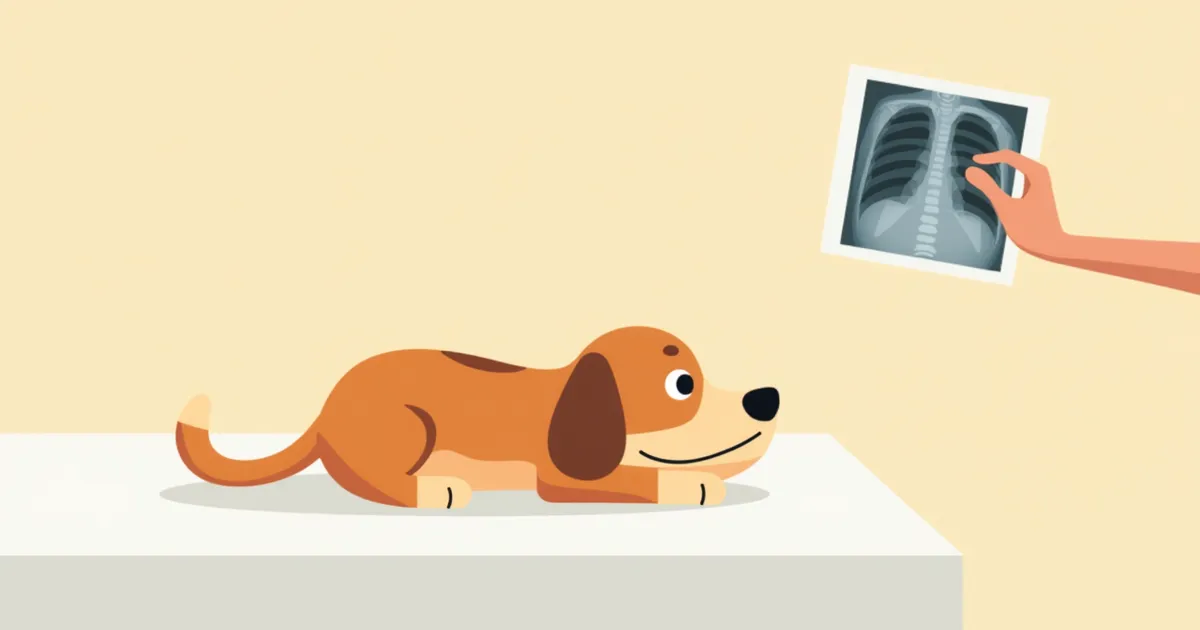
How to Assess Heart Size on a Dog’s Chest X-ray — Key Q&A on Reading VHS Scores
We’ve compiled the essential information every pet owner should know about how to assess heart size using a dog’s chest X-ray and what those findings mean.
What Is Heart Size Assessment on a Dog’s Chest X-ray?
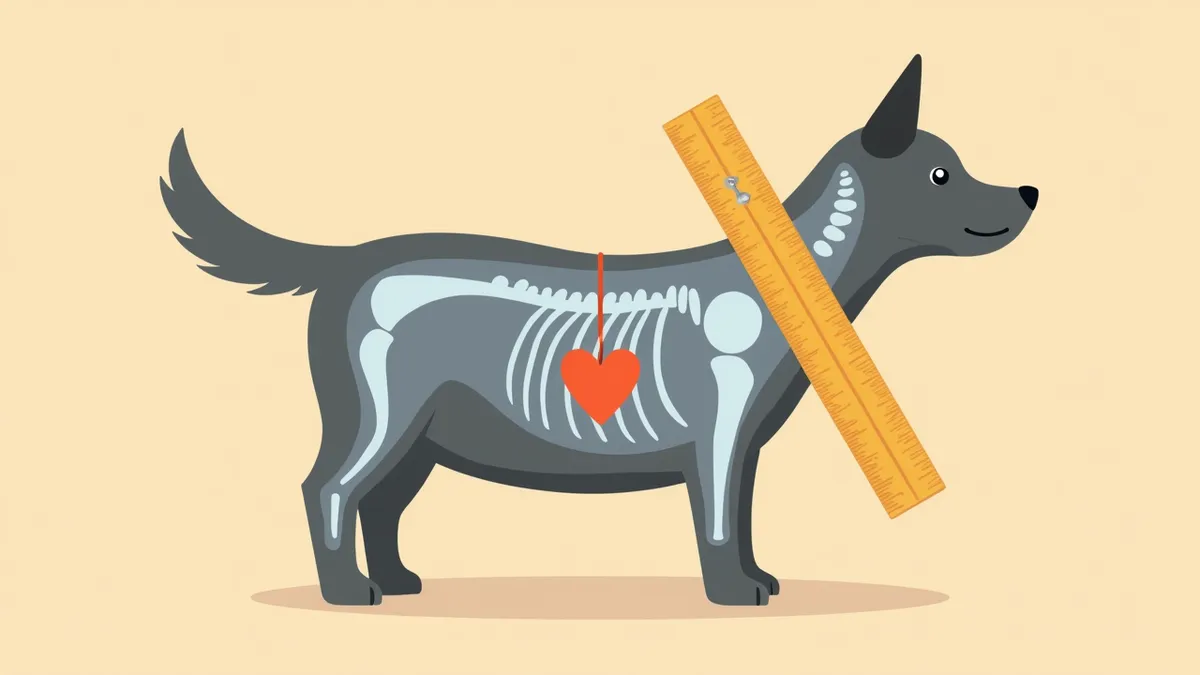
What Are the Key Criteria for Assessing Heart Size?
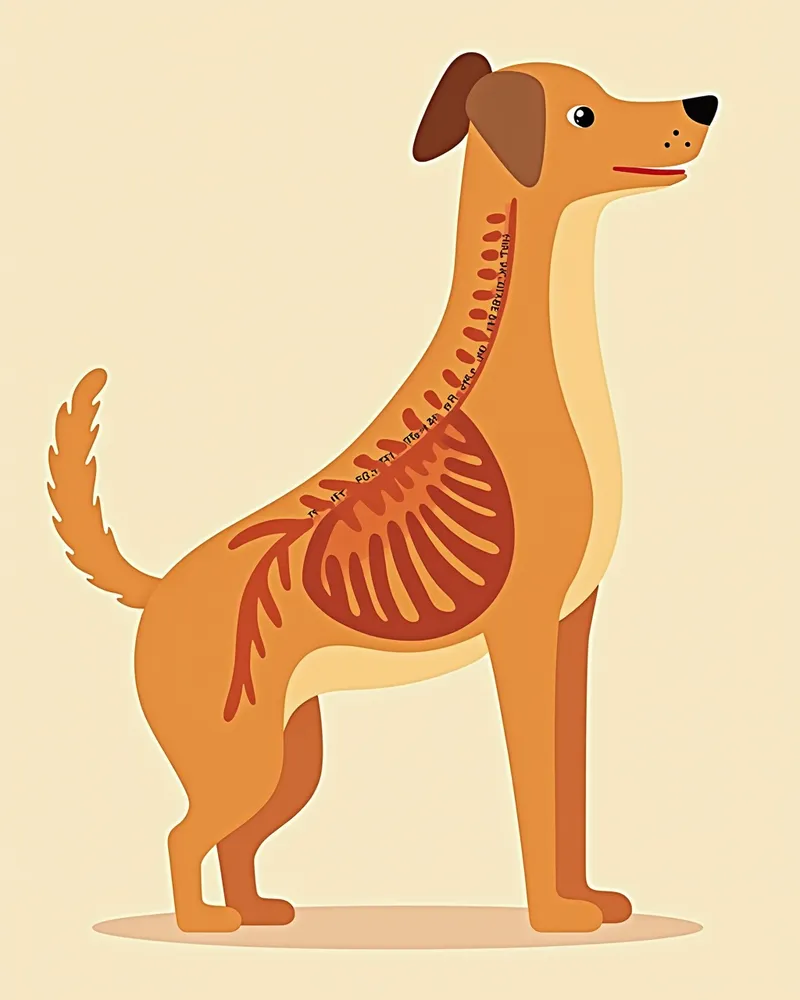
What Is the Difference Between Normal and Abnormal Heart Size?
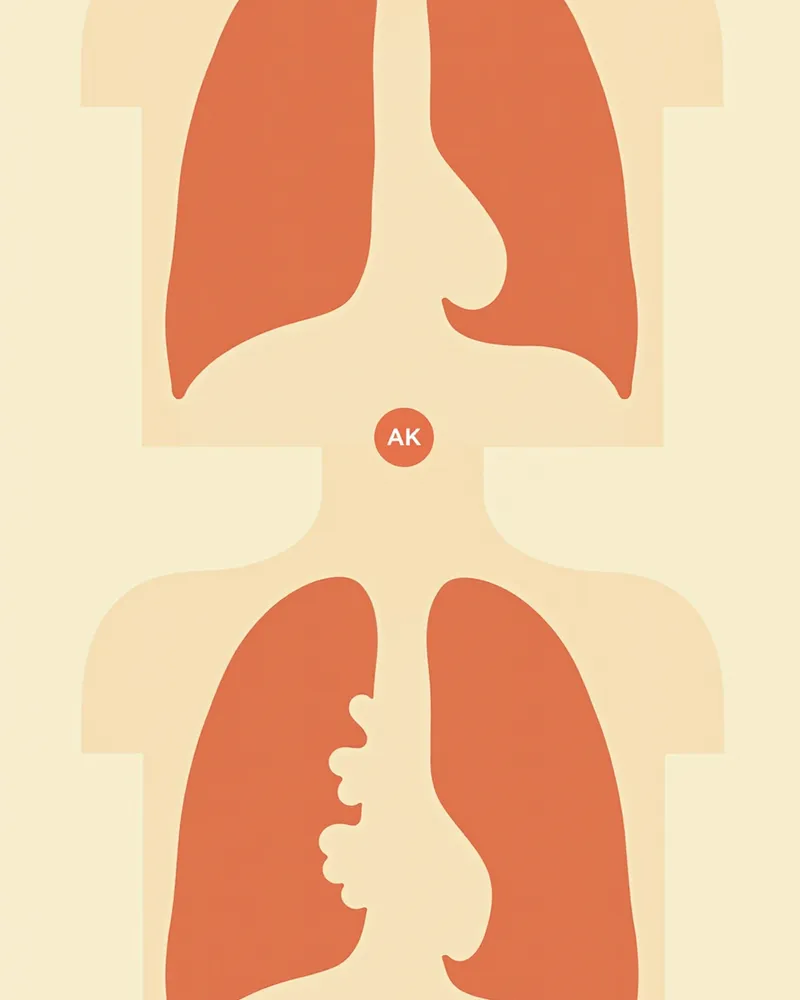
What Causes an Enlarged Heart?

Comparison Table of Heart Size Assessment Criteria
| Item | Normal Range | Suspected Enlargement | Marked Enlargement |
|---|---|---|---|
| VHS (Vertebral Heart Size) | 10.5 or below | Above 10.5 | Markedly increased |
| Heart-to-thorax ratio | 60% or below | Above 60% | Far exceeding 60% (3 or more rib spaces) |
| Change in heart shape | Normal | Slight change | Distinct change or atypical |
| Clinical symptoms | None | Mild respiratory distress | Severe respiratory distress, coughing, shock |
VHS (Vertebral Heart Size) is a value that quantifies heart size based on the number of vertebral bodies starting from the 4th thoracic vertebra; in many dogs, exceeding 10.5 suggests enlargement, with variations by breed.
What Signs Should You Watch For After Heart Size Assessment?

When to Visit the Vet Immediately After Heart Size Assessment
An enlarged heart doesn’t always mean you need to visit the vet right away, but if you notice any of the following symptoms, contact your veterinarian immediately. In particular, difficulty breathing or signs of shock can be life-threatening.
How to Conduct Regular Checkups for Heart Size Assessment

Reviewed by a veterinarian

Dr. Tony — Punnawat Phongkittirak
VeterinarianA veterinarian who majored in veterinary medicine at Khon Kaen University, Thailand, and completed the IVSA program at North Carolina State University in the United States. Drawing on clinical experience at animal hospitals, he works in the pet healthcare field and is dedicated to building a digital care environment that connects pet parents with veterinarians.
Reviewed 2026-06-05
Frequently Asked Questions
Does evaluating a dog’s heart size on a chest X-ray cause pain?
Is VHS measurement accurate?
Can a dog have an enlarged heart without showing any symptoms?
Do I need to prepare my pet in any special way for a heart size assessment?
Does an enlarged heart always require medication?
Share
Related Guides

Coenzyme Q10 Benefits and Administration Guide

7 Best Prescription Diets for Feline Heart Disease Recommended by Veterinarians — Criteria for Choosing Low-Sodium Food

Top Prescription Heart Disease Diets for Dogs: Best Picks and Selection Criteria

When to Welcome a New Family Member After Losing a Pet — Signs You’re Emotionally Ready

After Saying Goodbye to a Companion — Do Surviving Pets Feel Grief Too?

How to Choose Cat Puzzle Toys — Which One Is Right for Stimulating Your Cat’s Brain?

Can I Send My Dog to a Pet Hotel? — When and How to Start Manners Training

The Complete Guide to Multi-Dog Park Etiquette — From Dog Socialization to Accident Prevention

Why Are Dogs and Cats Afraid of Grooming? — A Complete Step-by-Step Adaptation Guide

Why Start Body Handling Training for Puppies at an Early Age?
References
[1] Textbook of Cardiovascular Medicine in Dogs and Cats, 2020, Elsevier
[2] Notes on Canine Internal Medicine, 4th Edition, 2018, Wiley-Blackwell
[3] Clinical Medicine of the Dog and Cat, 4th Edition, 2019, Elsevier