Like
Share
멍실장
척추 디스크 수술 (반편궁절제)

What Is Canine Disc Surgery? — From Hemilaminectomy Procedure to Recovery

Brain & CognitionQ&AMeongsiljang Veterinary Advisory Board

We’ve put together an easy-to-understand guide for pet owners on the timing, procedure, recovery, and prognosis of hemilaminectomy—the most commonly performed surgery for canine intervertebral disc disease.

What Is Spinal Disc Surgery (Hemilaminectomy)?
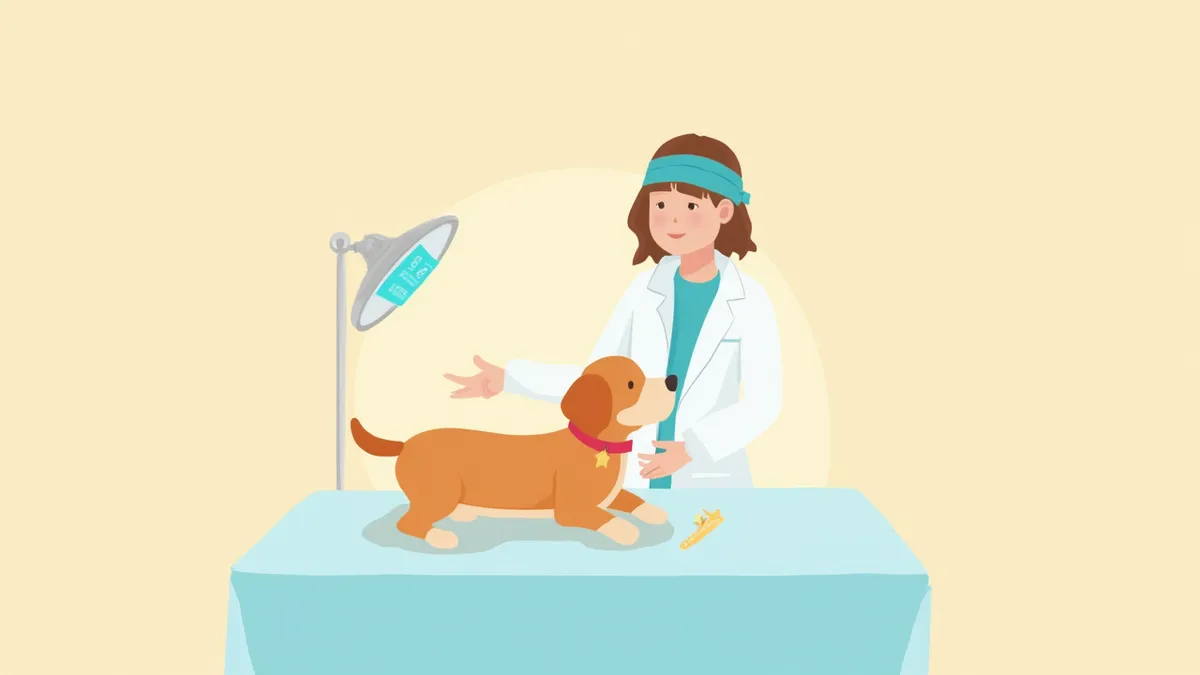
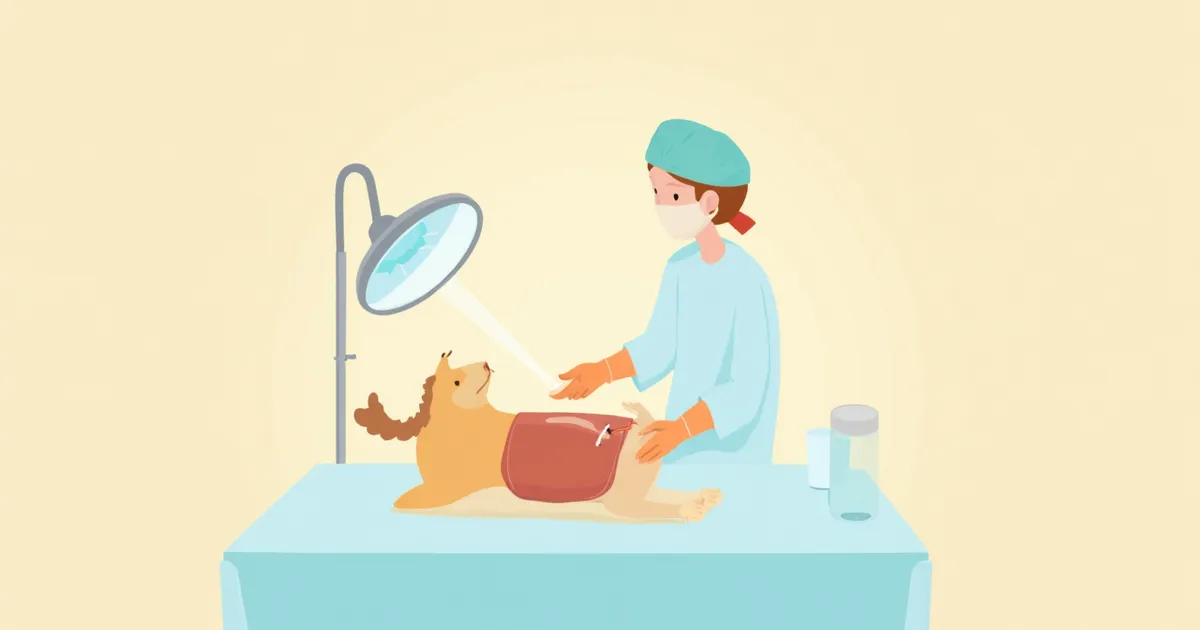
A veterinarian preparing for spinal disc surgery
Hemilaminectomy is a surgical procedure in which part of the side of the vertebra is opened to remove herniated disc fragments that are compressing the spinal cord. The most critical factor is timing. If your pet has completely lost the use of its hind legs or has lost pain sensation, surgery should be performed as soon as possible to improve the chances of recovery. This is a condition in which the prognosis changes significantly depending on how quickly surgery is performed.

Why Is Hemilaminectomy Performed?

Intervertebral disc disease (IVDD) in dogs occurs when the cushion-like discs between the vertebrae bulge out and compress the spinal cord. In mild cases with only pain, medication and strict rest may be sufficient for recovery. However, once paralysis or an inability to walk sets in, medication alone has its limits. At this stage, decompression surgery is necessary to relieve pressure on the affected nerves, and hemilaminectomy is the most commonly used surgical approach.

Comparison of Disc Surgery Methods

ItemHemilaminectomyDorsal laminectomyVentral slot
Approach siteLateralDorsal (top)Under the neck
Applicable regionBack/lower back, mid-neck (C2–C6)Thoracolumbar junction (interscapular and interiliac-wing segments)Neck
Decompression effectHighModerateHigh
Impact on spinal stabilityLowModerateLow

Based on veterinary surgery textbooks; the surgical method varies with lesion location and direction

How Is the Surgery Performed?
Pre-anesthetic testing: Blood tests, X-rays, and MRI scans are used to precisely identify the location of the lesion.
Anesthesia induction: Pre-anesthetic medication, including pain relief, is administered before surgery. For hemilaminectomy procedures, local anesthesia techniques such as epaxial muscle infiltration or erector spinae plane block are recommended to reduce opioid use during and after surgery and support recovery.
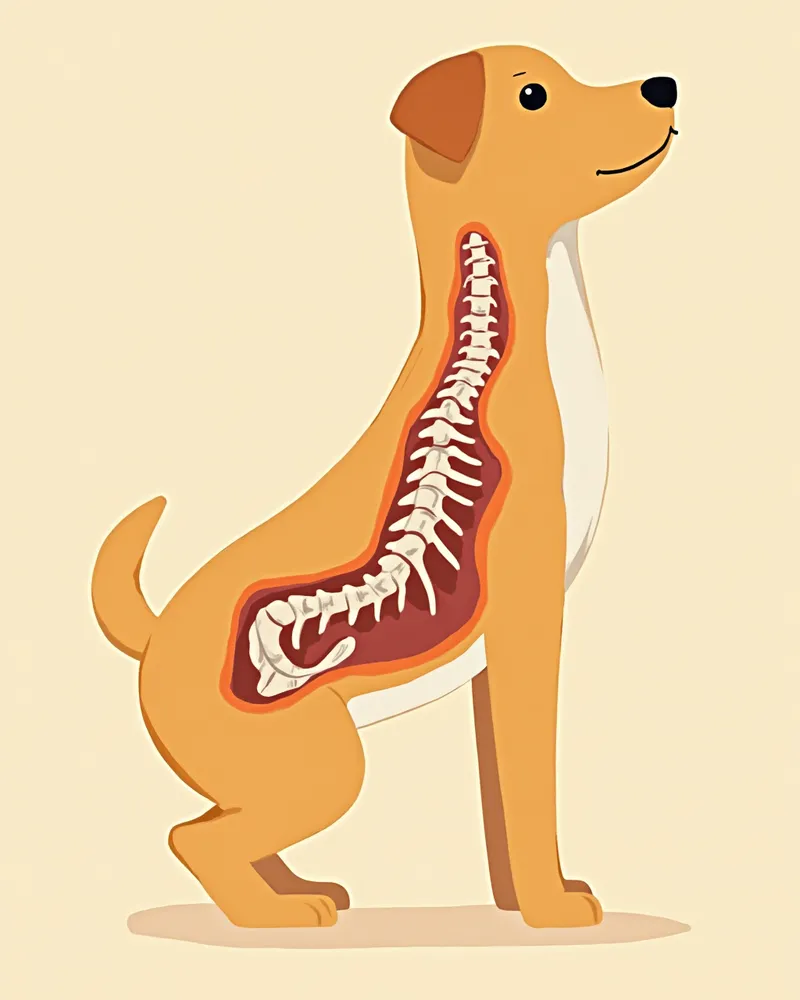
Decompression surgery: An incision is made along the side, a small window is created on the side of the vertebra, and the protruding disc is removed.
Suturing and recovery: The muscles and skin are sutured layer by layer, and pain medication and fluids are continued during the emergence from anesthesia.
Cross-sectional anatomical illustration of a unilateral hemilaminectomy

Situations Requiring Immediate Surgery

If you notice any of the following signs, emergency surgery should be considered immediately: - Complete paralysis of the hind legs - Loss of pain sensation, such that the toes do not react even to a firm pinch - Inability to control urination or defecation - Rapid, progressive worsening of symptoms within a few hours While the prognosis is guarded when deep pain sensation is lost, this does not mean recovery is impossible. According to reports, up to 70% of dogs can regain the ability to walk if surgery is performed within 48 hours of symptom onset. Therefore, if you observe critical signs such as loss of deep pain sensation, it is crucial to visit a specialized veterinary hospital immediately upon symptom onset to make a prompt decision about surgery.

Postoperative Recovery and Rehabilitation
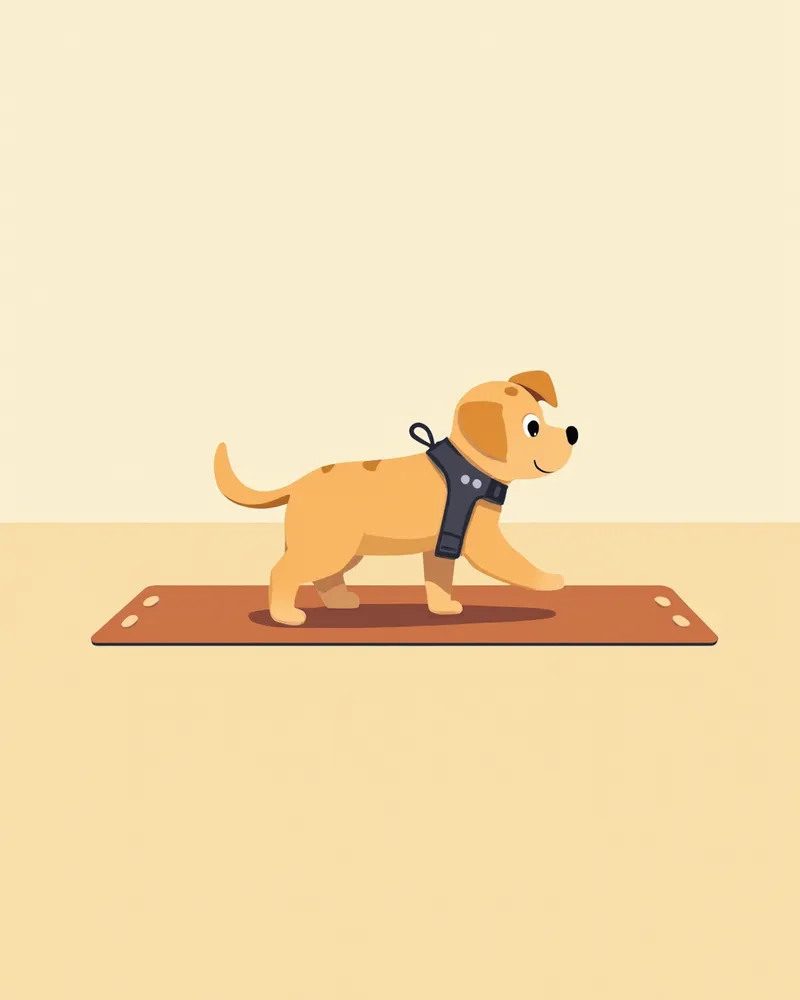
For the first 2–3 days after surgery, your pet will stay hospitalized for pain and inflammation management, as well as bladder care. After discharge, strict rest for 4–6 weeks is essential. During this period, jumping, climbing stairs, and excessive movement are strictly prohibited. Once the rest period is over, rehabilitation exercises such as underwater treadmill sessions and passive stretching can be gradually introduced following a re-evaluation by your veterinarian. Rushing recovery by forcing your pet to walk too soon can hinder healing, so it’s important to be patient.
A puppy undergoing rehabilitation exercises after surgery

What Is the Prognosis?

The prognosis for hemilaminectomy varies significantly depending on the neurological status at the time of surgery. - Able to walk but experiencing pain: With intact conscious pain perception, early surgery yields a fair to good prognosis. - Unable to walk but with intact pain perception: Recovery is possible with surgery, though the success rate is lower and the recovery period longer compared to dogs that can still walk. - Loss of deep pain sensation, early surgery: The prognosis should be considered guarded, but studies report that up to 70% of dogs can regain the ability to walk if surgery is performed within 48 hours of symptom onset. - Loss of deep pain sensation, delayed surgery: The prognosis worsens and the likelihood of recovery decreases as time passes, necessitating careful prognostic counseling with your veterinarian. Therefore, in disc disease, how quickly you get to the clinic directly determines the prognosis.

Lifestyle Habits to Prevent Recurrence

Even after surgery, disc disease can recur in other spinal segments. - Restrict jumping on stairs and sofas; use ramps instead. - Maintain a healthy weight (obesity is a major cause of spinal stress). - Use a harness instead of a collar. - Place mats on slippery floors. Breeds with chondrodystrophic traits are genetically predisposed to disc disease and require more careful management.

Reviewed by a veterinarian

Dr. Tony — Punnawat Phongkittirak

Dr. Tony — Punnawat Phongkittirak

Veterinarian

A veterinarian who majored in veterinary medicine at Khon Kaen University, Thailand, and completed the IVSA program at North Carolina State University in the United States. Drawing on clinical experience at animal hospitals, he works in the pet healthcare field and is dedicated to building a digital care environment that connects pet parents with veterinarians.

Frequently Asked Questions

How much does the surgery cost?
When you factor in MRI scans, surgery, hospitalization, and rehabilitation, costs can vary significantly depending on the clinic and location, so it’s best to consult directly with your veterinarian for an accurate estimate. But please keep in mind that timing the surgery is just as critical as the cost.
Can it be treated with medication alone, without surgery?
In the early stages of pain, anti-inflammatory medication and strict rest can lead to improvement. However, if paralysis has set in, medication alone has its limits, and surgery is the best option.
How long after surgery can my pet go for walks?
After at least 4 to 6 weeks of strict rest, consult your veterinarian and begin gradually. Start with short indoor walks, then transition to using a harness instead of a collar, focusing on flat terrain as you increase activity.
Do cats undergo the same surgery?
Cats can also develop intervertebral disc disease, and the same decompression surgery principle applies. However, due to differences in anatomical structure, the surgical approach is slightly different.
What is the likelihood of recurrence?
The likelihood of recurrence in other joints after surgery varies depending on breed, weight, and the level of care. Breeds predisposed to chondrodysplasia require lifelong weight and jump management to reduce the risk of recurrence.

Share

Related Guides

References

[1] Fossum TW, Small Animal Surgery, 3rd ed., Elsevier, 2007

[2] Small Animal Anesthesia and Pain Management: A Color Handbook, 3rd Edition

[3] Hosgood G, Scholl DT., Evaluation of age as a risk factor for perianesthetic morbidity and mortality in the dog, J Vet Emerg Crit Care, 1998

This information is based on veterinary literature and does not replace diagnosis or treatment. Please consult a veterinarian for specific health concerns.

Metapet Co., Ltd. | CEO: Park Sung-yong | Business Reg. No. 417-88-02562 | Seoul, South Korea | Customer Center

What Is Dog Disc Surgery? A Guide to Hemilaminectomy and Recovery | Meongsiljang