
How to Assist with Grooming Deficits in Senior Cats
As senior cats age, their self-grooming habits decline sharply due to arthritis and dental issues. To prevent skin problems, owners should assist with regular brushing, spot cleaning, and skin checks.
What Is Grooming in Senior Cats? Why Is Assistance Needed?
Main Reasons for Decreased Grooming in Senior Cats
Comparison of Grooming Status by Age Group
| Item | Adult cat (1–10 years) | Early senior cat (11–14 years) | Late senior cat (15+ years) |
|---|---|---|---|
| Daily grooming time | About 1 hour | Gradually decreasing | Markedly reduced and inefficient |
| Back and hindquarters care | Able to do on its own | Partially unable | Almost entirely unable |
| Coat condition | Glossy | Slightly rough | Matting and dandruff common |
| Guardian intervention | Brushing once a week | Brushing 2–3 times a week | Daily brushing + spot cleaning |
Signs That Owner Intervention Is Needed
When Immediate Veterinary Care Is Required
If your pet isn’t just grooming less, but is excessively licking or scratching a specific area to the point of hair loss, it could be due to allergies, dermatitis, or pain. Additionally, if they seem reluctant to open their mouth or only clean around the mouth, periodontal disease is a likely cause. If these symptoms persist for more than three days, please have your pet examined for skin and oral health at a veterinary clinic.
Basic Brushing Techniques for Owners
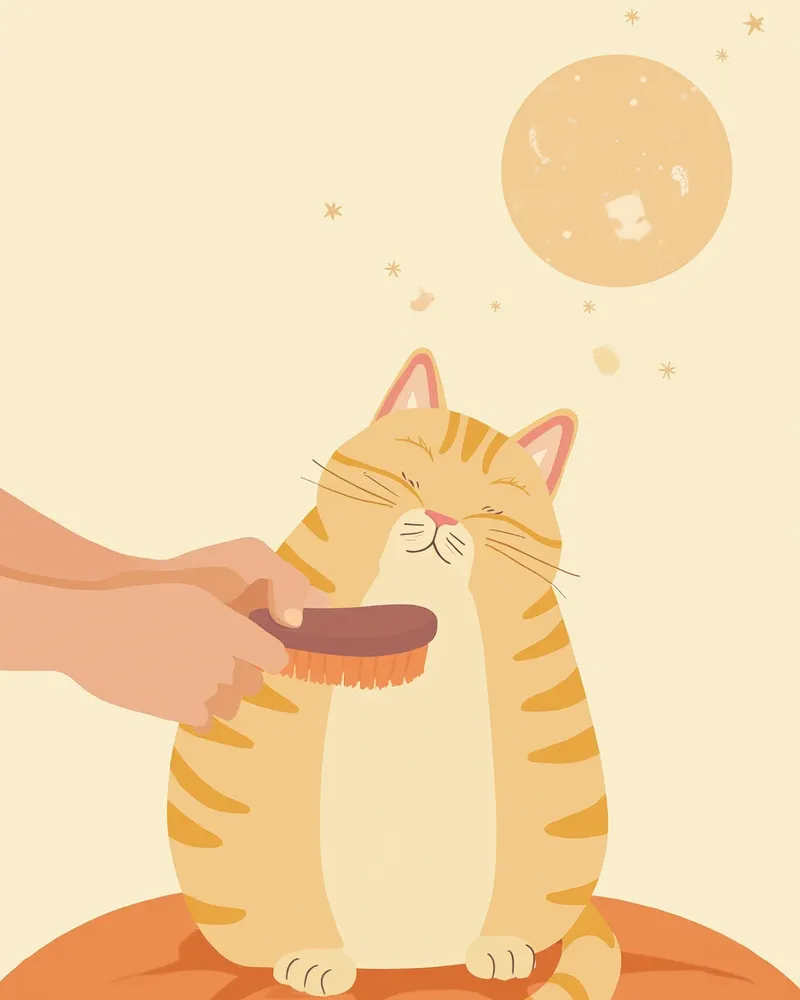
Maintaining Hygiene with Spot Cleaning Instead of Baths
What to Avoid When Caring for Senior Cats
Human shampoos and wet wipes contain strong fragrances and surfactants that can damage the skin barrier of senior cats. Never use wet wipes containing alcohol. When trimming fur, use blunt-tipped scissors designed for pets instead of regular scissors to prevent skin injuries. If the fur is severely matted, do not attempt to cut it yourself; instead, have a veterinarian or professional groomer handle it.
Daily Care Tips to Support Skin and Coat Health
Reviewed by a veterinarian

Dr. Tony — Punnawat Phongkittirak
VeterinarianA veterinarian who majored in veterinary medicine at Khon Kaen University, Thailand, and completed the IVSA program at North Carolina State University in the United States. Drawing on clinical experience at animal hospitals, he works in the pet healthcare field and is dedicated to building a digital care environment that connects pet parents with veterinarians.
Reviewed 2026-04-23
Frequently Asked Questions
How often should you brush an older cat?
My senior cat hates being brushed. What should I do?
If the fur is severely matted, is it okay to cut it?
Is it safe to use dry shampoo on an older cat every day?
What tests are performed at the clinic for senior cats that have reduced their grooming?
Share
Related Guides
Top 5 Medicated Dog Shampoos — For Pyoderma and Bacterial Infections

Veterinarian-Recommended Top 5 Medicated Shampoos for Canine Yeast Dermatitis — Relieves Itching and Greasiness
Top 5 Medicated Cat Shampoos Recommended by Veterinarians — Fungal Dermatitis and Fungal Care
Feline Urethral Obstruction FAQ — Key Information Every Pet Owner Should Know
Frequently Asked Questions (FAQ) on Cat Urethral Catheter Care — Key Points Every Pet Owner Must Know
Feline Ureteral Stones: Frequently Asked Questions — Key Information for Pet Owners
Frequently Asked Questions About Feline Pyelonephritis — Key Information for Pet Owners
Frequently Asked Questions About Feline Frequent and Urgent Urination — Key Points for Pet Owners
Feline Neurogenic Bladder FAQ — Key Information Every Pet Owner Should Know
Frequently Asked Questions About Feline Bladder Ultrasound — Key Information Every Pet Owner Should Know
References
[1] Ettinger SJ, Feldman EC, Côté E. Textbook of Veterinary Internal Medicine: Diseases of the Dog and the Cat, 8th ed., Elsevier, 2017
[2] Côté E. Clinical Veterinary Advisor: Dogs and Cats, 3rd ed., Elsevier Mosby, 2015
[3] Little SE. The Cat: Clinical Medicine and Management, Elsevier Saunders, 2012 — Chapter on Geriatric Feline Care