Like
Share
멍실장
정맥 카테터 시술과 가정 케어 완벽 가이드

The Complete Guide to Intravenous Catheter Procedures and Home Care

ImmunityQ&AMeongsiljang Veterinary Advisory Board

An intravenous catheter is a medical device inserted into a blood vessel to rapidly administer medications and fluids directly into the vein. Here’s a comprehensive overview, from the purpose of the procedure to home care.

What Is an Intravenous Catheter?
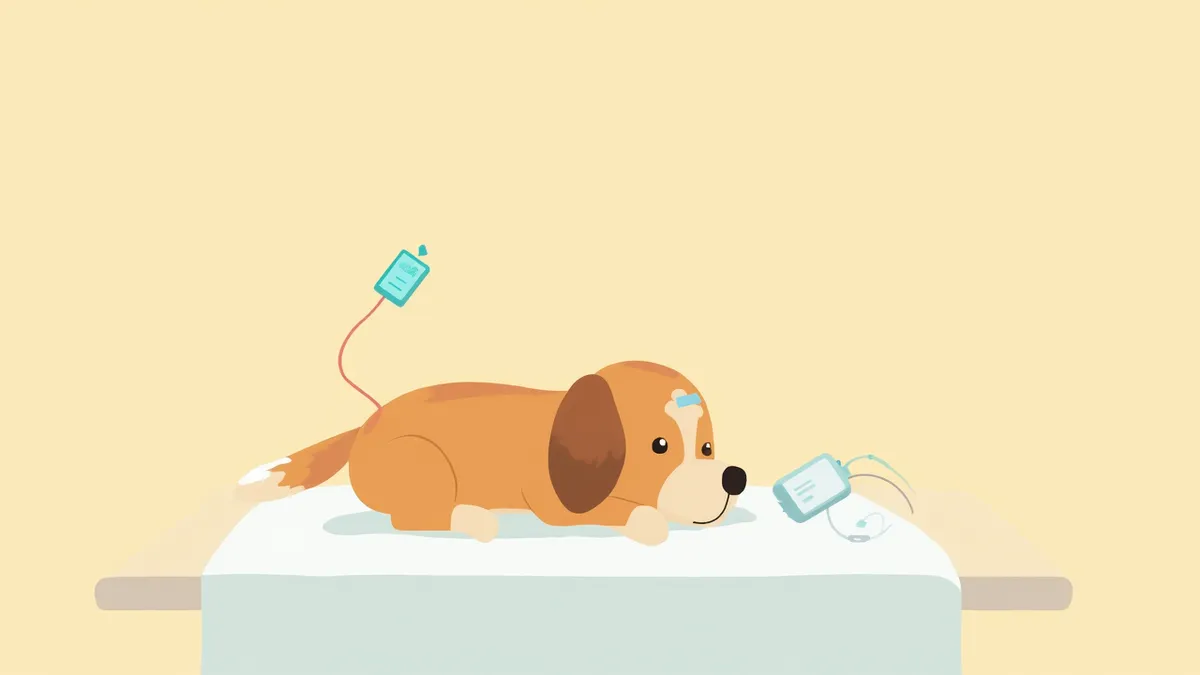
Illustration of a dog with a venous catheter placed in its front leg
An intravenous catheter is a thin plastic tube inserted into a blood vessel to allow for the rapid administration of medications or fluids directly into the vein. During the entire period the catheter is in place, it is essential to carefully check for swelling, redness, or bleeding every day, as this is key to early detection of infection and complications. In hospitalization, surgical, or emergency situations, it enables stable drug delivery without repeated injections and facilitates easy blood sample collection. It is typically placed in the cephalic vein of the front leg or the saphenous vein of the hind leg.

Why Is an Intravenous Catheter Placed?

We use it to minimize the stress of repeated injections and to administer medication as quickly as possible in emergencies. There are four main purposes:
Fluid therapy: Essential for managing dehydration, shock, and kidney disease
Medication administration: Delivers antibiotics, pain relievers, and anesthetics at a steady rate
Blood transfusion: Safely provides blood to patients with anemia or bleeding
Emergency preparedness: Allows immediate drug delivery during critical moments such as cardiac arrest
Even if your pet isn’t hospitalized, it’s always placed before anesthesia as part of pre-anesthetic preparation.

Characteristics of Catheter Insertion Sites

The attachment site is selected based on the animal’s condition and the timing of the procedure. Here’s a comparison of the characteristics of each site.

Comparison of Intravenous Catheter Insertion Sites

ItemCephalic vein (foreleg)Saphenous vein (hindleg)Jugular vein (neck)
Access difficultyEasyModerateDifficult
Activity restrictionModerateLowHigh
Possible retention periodShort-term retentionShort-term retentionMore suitable for long-term retention
Central venous pressure measurementFalseFalseTrue
Main use situationGeneral hospitalizationShort-term fluidsCritical care/long-term hospitalization

The retention period is not a fixed number of days but depends on the patient's condition and aseptic/antiseptic management, and a jugular (central venous) catheter is more suitable for long-term retention

How Is the Procedure Performed?
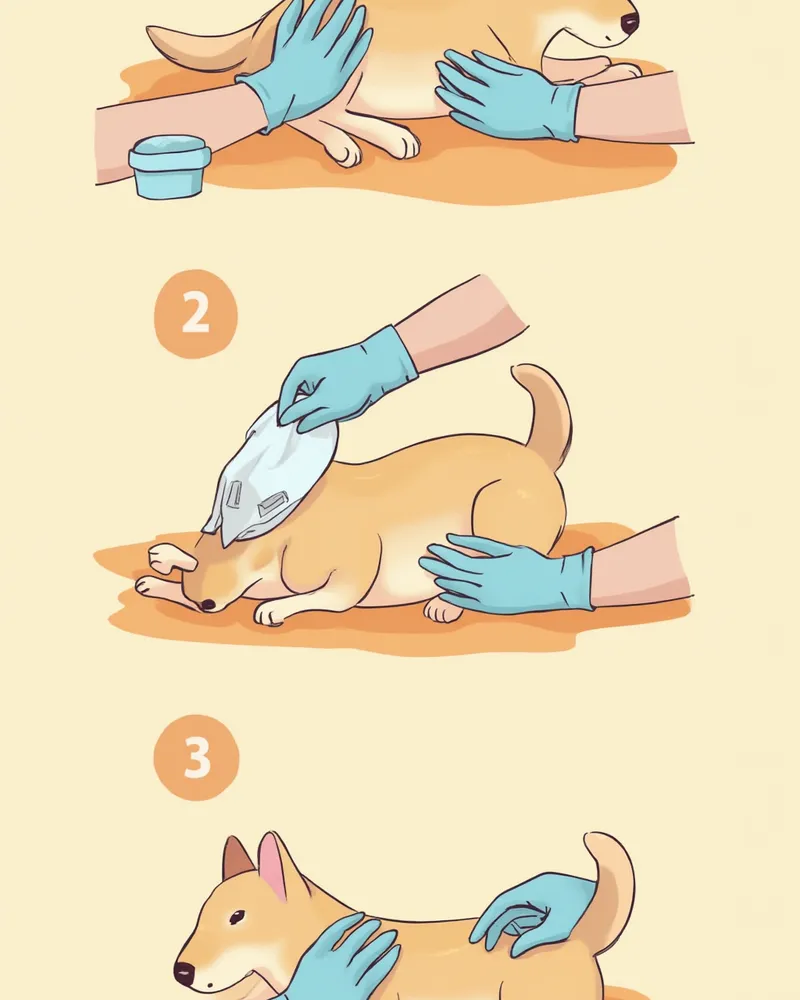
Most of these procedures are simple and completed in a short amount of time. Here’s how the process unfolds: Step 1: Positioning – The owner or a nurse gently but securely holds the pet in place. Step 2: Hair Removal – The hair at the insertion site is carefully shaved using clippers. Step 3: Disinfection – The area is thoroughly cleaned with a chlorhexidine solution. Step 4: Insertion – A needle is inserted into the vein, the catheter is left in place, and the needle is removed. Step 5: Securing – The catheter is firmly taped and bandaged to prevent it from slipping out. While your pet may feel a brief moment of discomfort during insertion, they typically won’t notice it once the catheter is in place.
Illustration of the intravenous catheter placement procedure

Go to the Vet Immediately If You See These Symptoms

If the area around the catheter becomes severely swollen or soft and puffy, it may indicate that the IV fluid is leaking outside the blood vessel. Additionally, persistent bleeding or the presence of pus or discharge at the catheter insertion site signals infection or vascular damage. If your pet suddenly starts excessively licking or biting at the leg, if the bandage is soaked, or if the paw tip feels cold and appears bluish, blood circulation may be compromised. If you notice any of these three signs, do not attempt to remove the bandage at home; contact your veterinary clinic immediately.

How to Manage the Catheter at Home

If your pet is discharged with a catheter in place, proper home care is essential. Here are the key points to keep in mind:
Keep it dry: Wrap the bandage in plastic during walks or baths to prevent it from getting wet.
Prevent licking: Always use an Elizabethan collar to stop your pet from contacting the catheter site.
Daily checks: Inspect the area at least twice a day for swelling, redness, bleeding, or odor.
Check toe temperature: Ensure the toes below the catheter are warm and pink.
Secure fixation: Make sure the tape isn’t loosening and the catheter isn’t slipping out.
For sterile management, it’s best to check the insertion site and change the bandage at least every 24 hours. Rather than relying on a fixed number of days, the catheter should be safely removed at the clinic when your veterinarian determines it’s appropriate.
A dog resting at home with a catheter and wearing an Elizabethan collar.

Essential Principles for Catheter Care

According to veterinary textbooks, the key to preventing infection is to strictly adhere to aseptic technique, check the insertion site at least every 24 hours, disinfect it with chlorhexidine, and replace the sterile dressing and bandage. Never remove the bandage or catheter at home, as this can cause blood vessel damage and bleeding; the catheter must always be removed by a veterinarian. It is also important to disinfect the medication port (cap) before each use and keep it clean. If you have any questions, please get into the habit of calling your veterinarian first for guidance.

Care After Catheter Removal

After the catheter is removed, a small puncture site remains, but it typically closes on its own within minutes. Immediately after removal, apply firm pressure with gauze until any bleeding stops completely, and keep the area dry for a short while. In rare cases, bruising may appear at the insertion site; this is due to a small hematoma formed around the blood vessel during catheter placement and will resolve naturally over time. However, if the limb becomes significantly swollen or your pet starts limping after removal, it could indicate phlebitis, so please return to the clinic for evaluation. Hair regrowth varies by individual, but it generally takes a few weeks.

Reviewed by a veterinarian

Dr. Tony — Punnawat Phongkittirak

Dr. Tony — Punnawat Phongkittirak

Veterinarian

A veterinarian who majored in veterinary medicine at Khon Kaen University, Thailand, and completed the IVSA program at North Carolina State University in the United States. Drawing on clinical experience at animal hospitals, he works in the pet healthcare field and is dedicated to building a digital care environment that connects pet parents with veterinarians.

Frequently Asked Questions

Can I walk my pet with the catheter still in place?
Short bathroom breaks are fine, but avoid letting your pet run or step into puddles. To prevent the bandage from getting wet or the catheter from slipping out, keep these outings brief—ideally under 5 to 10 minutes.
What happens if my pet licks around the catheter?
Bacteria from saliva can enter through the insertion site, leading to infection or phlebitis. Be sure to keep an Elizabethan collar on your pet to prevent them from touching or licking the catheter site.
The bandage seems to have changed color a little. Is that okay?
A small amount of blood spotting is normal, but if red or yellow discharge spreads or there’s a foul odor, it could be a sign of bleeding or infection. Don’t try to clean it—contact your vet right away.
Is catheter care the same for cats?
While the basic principles are the same, cats often find bandages themselves stressful. It’s important to keep them in a quiet space, ensure they wear an Elizabethan collar consistently, and monitor for any changes in appetite or urination.
Can I give other medications while the catheter is still in place?
You can continue taking your oral medications as usual. However, since there may be interactions with medications administered through the catheter, please share your current medication list with your veterinarian in advance.

Share

Related Guides

References

[1] Small Animal Critical Care Medicine, 3rd Ed, Chapter on Vascular Access

[2] Advanced Monitoring for Small Animal Emergency and Critical Care, 2nd Ed

[3] Textbook of Veterinary Internal Medicine, 8th Ed, Fluid Therapy Chapter

This information is based on veterinary literature and does not replace diagnosis or treatment. Please consult a veterinarian for specific health concerns.

Metapet Co., Ltd. | CEO: Park Sung-yong | Business Reg. No. 417-88-02562 | Seoul, South Korea | Customer Center

IV Catheter Care After Placement: A Complete Home Guide | Meongsiljang