Like
Share
멍실장
고양이 신장 기능 혈액검사(BUN·Cr·SDMA) 자주 묻는 질문 Q&A — 보호자가 꼭 알아야 할 핵심

What Are Cat Kidney Markers BUN, Creatinine, and SDMA? — Interpretation and When to Visit the Vet

KidneyQ&AMeongsiljang Veterinary Advisory Board

Blood tests for kidney function in cats (BUN, Cr, SDMA) are key tools for detecting early-stage kidney disease. Here’s a summary of essential questions and answers that pet owners should know.

What Is a Cat Kidney Function Blood Test (BUN, Cr, SDMA)?
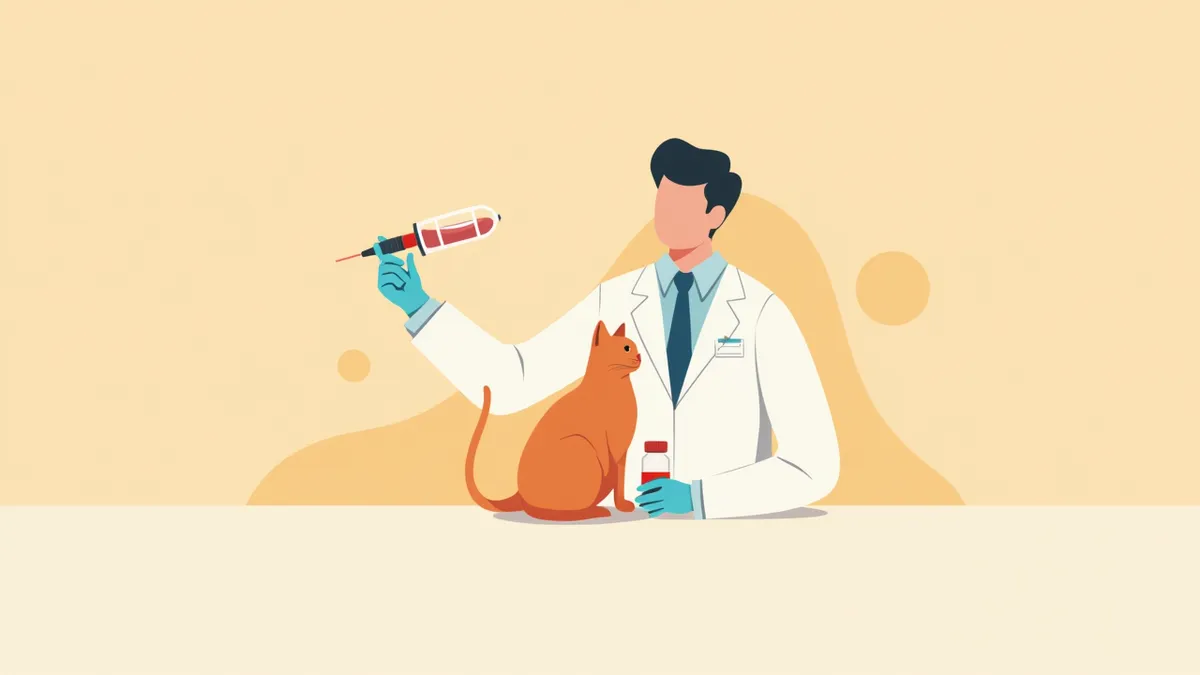
A veterinarian drawing a blood sample from a cat.
A kidney function blood test is a key diagnostic tool for evaluating your cat’s kidney filtration capacity. By measuring BUN, creatinine (Cr), and SDMA levels, we can assess how well the kidneys are functioning. This test is crucial for detecting early signs of kidney dysfunction. Cats often show few symptoms even when their kidneys are damaged, making regular testing essential. Recommended by veterinarians, early detection significantly improves treatment success rates. This test allows us to proactively assess the risk of kidney disease.

Core Purpose and Necessity of the Test
This test aims to detect kidney disease at an early stage. Since cats rarely show symptoms until kidney damage has already occurred, it’s essential to monitor for declining function through regular blood tests. Annual testing is especially recommended for cats aged seven years and older. Early detection is key to effective treatment and can significantly extend your cat’s lifespan. Regular testing allows for ongoing monitoring of changes in kidney function, making it a vital part of maintaining long-term feline health.
An elderly cat having its blood test results reviewed during a veterinary checkup.

Meaning and Normal Ranges of Key Indicators
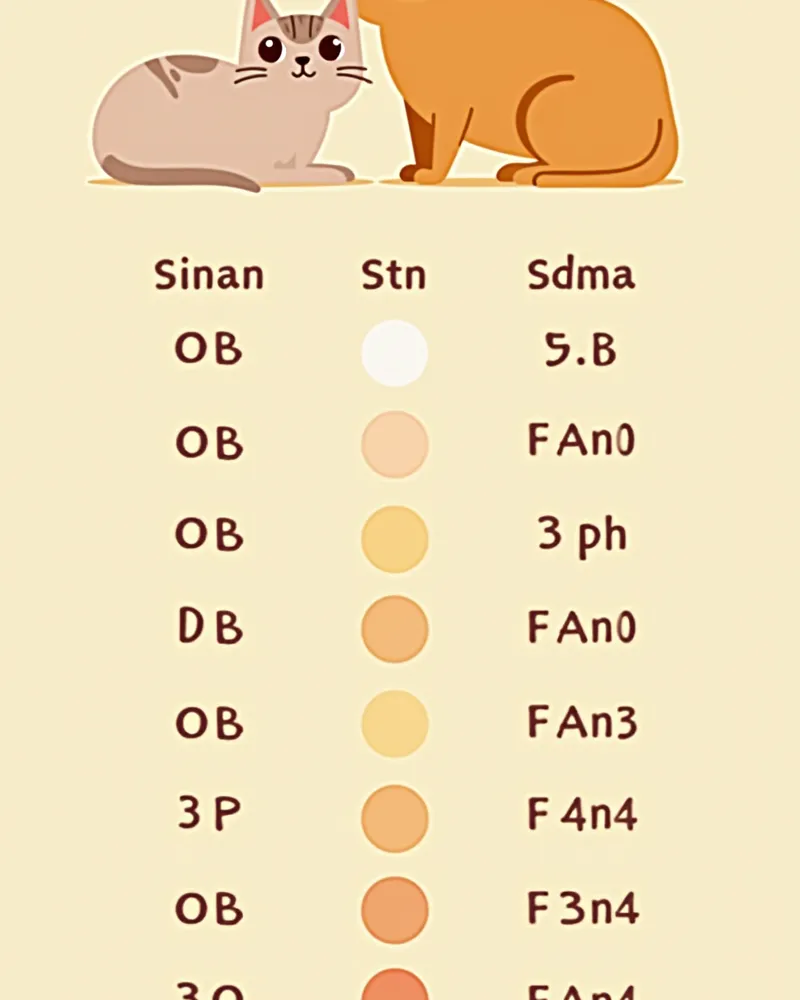
BUN (Blood Urea Nitrogen): This is a byproduct of protein metabolism. While levels rise when kidney function declines, it is a nonspecific marker that can also be significantly influenced by non-renal factors such as dehydration or a high-protein diet. Since normal reference ranges vary by laboratory, comprehensive interpretation by a veterinarian is essential. Creatinine (Cr): This substance, produced by muscle metabolism, indicates how effectively the kidneys are filtering waste. In cats, using a lower upper-limit threshold of approximately 1.6 mg/dL can help detect kidney disease earlier. SDMA (Symmetric Dimethylarginine): This is a sensitive marker that rises earlier than creatinine. However, values near the reference range can be difficult to interpret due to analytical and biological variability. Evaluating all three markers together provides a more accurate assessment of kidney function, so please monitor changes in these values closely.
Chart of normal reference ranges for feline kidney function test indicators

Comparison Table of BUN, Cr, and SDMA — Characteristics of Each Marker

ItemMeaningDetection TimingCharacteristics
BUNByproduct of protein metabolismRises with severe functional declineNonspecific, greatly affected by dehydration and diet
Creatinine (Cr)Product of muscle metabolismRises after considerable functional declineLow sensitivity as a screening test
SDMASensitive marker of kidney damageRises earlier than creatinineUseful for early detection

SDMA rises earlier than creatinine, making it a useful marker for detecting early kidney disease.

How to Handle Abnormal Test Results
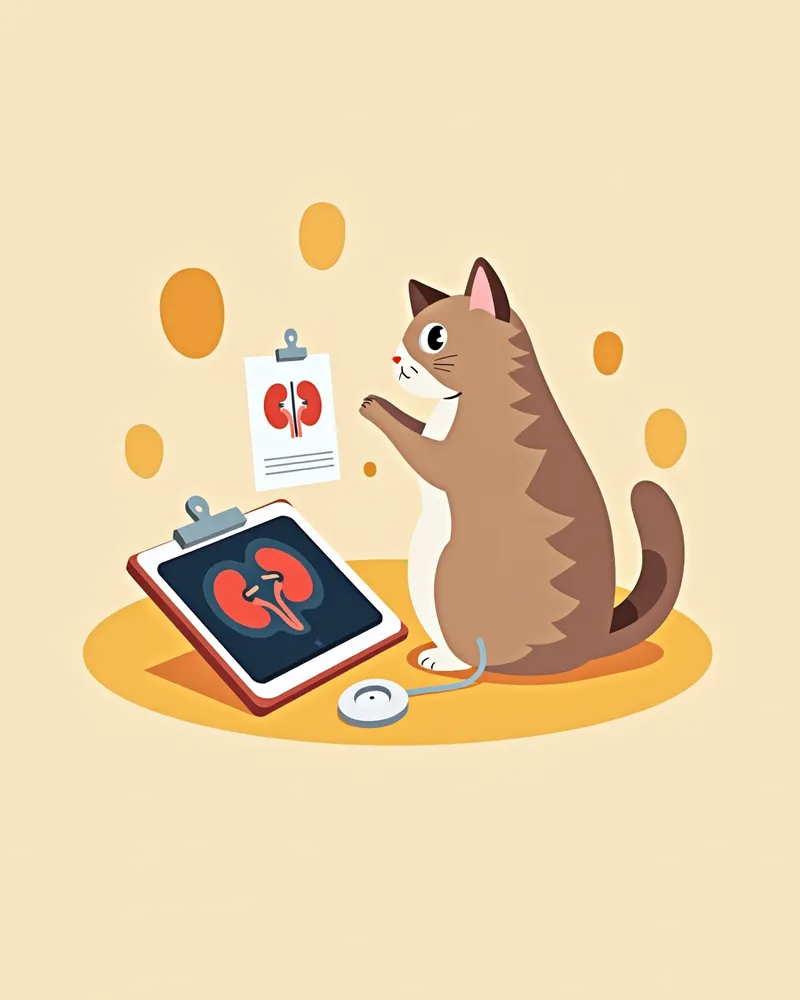
If BUN, creatinine, or SDMA levels are elevated, your veterinarian will recommend additional tests. An ultrasound of the kidneys, urinalysis, and electrolyte testing help identify the underlying cause and guide the development of a treatment plan. Stabilizing your pet’s condition may involve dietary management, medication, and fluid therapy. Early intervention plays a crucial role in slowing the progression of kidney dysfunction. It’s important to maintain regular communication with your veterinarian throughout the treatment process. If abnormal results are observed, prompt veterinary care is essential.
A veterinarian reviewing a cat’s kidney ultrasound and blood test results together.

Signs Requiring Immediate Veterinary Care

Persistent loss of appetite, vomiting, dehydration, reduced urination, and lethargy are signs of worsening kidney function. In such cases, immediate veterinary care is essential. Early treatment is key to improving survival rates.

Regular Testing and Management Tips

For cats aged seven and older, regular blood tests to monitor kidney function are recommended. In cases of advanced age or the presence of risk factors, your veterinarian may advise more frequent testing. Adequate hydration supports kidney health, so please change the water frequently and place multiple bowls around the home to encourage regular drinking. The most suitable diet depends on your cat’s weight and health status, so it is best to consult your veterinarian when selecting food. It is important to consistently monitor changes in kidney function based on test results. Early detection and consistent management are key to preserving your cat’s long-term health.
A cat drinking from a water fountain and a table with canned food

Key Checkpoints Pet Owners Must Know

- Regular check-ups are essential: Cats aged 7 and older need regular blood tests to monitor kidney function. - Hydration management: Change the water frequently and place multiple bowls around the house to encourage drinking. - Dietary adjustments: Consult your veterinarian to determine the most appropriate food for your cat. - Symptom monitoring: Carefully observe any changes in appetite, urination, and activity levels. - When to visit the clinic: Seek veterinary care immediately if you notice any abnormal signs. - Communication with your vet: Keep your veterinarian updated on test results and treatment plans.
Checklist for Managing Your Cat’s Kidney Health

Reviewed by a veterinarian

Dr. Tony — Punnawat Phongkittirak

Dr. Tony — Punnawat Phongkittirak

Veterinarian

A veterinarian who majored in veterinary medicine at Khon Kaen University, Thailand, and completed the IVSA program at North Carolina State University in the United States. Drawing on clinical experience at animal hospitals, he works in the pet healthcare field and is dedicated to building a digital care environment that connects pet parents with veterinarians.

Frequently Asked Questions

My cat is 7 years old. Does it need a blood test?
Yes, regular kidney function blood tests are recommended for cats aged seven and older. This screening is crucial for early detection of disease in this high-risk age group.
Why is the SDMA test important?
SDMA tends to rise earlier than creatinine, making it a sensitive marker for detecting early-stage kidney disease. It can increase even when creatinine levels are still within the normal range.
What causes elevated BUN levels?
Dehydration, loss of appetite, high-protein intake, and decreased kidney function can all contribute to this issue. Since it might be simple dehydration, a veterinarian should evaluate your pet’s overall condition.
My pet’s blood test results are slightly elevated—should I be concerned?
It could be due to a temporary factor, such as dehydration, so please consult with your veterinarian. It’s important to monitor trends through repeated tests.
Can dietary management alone prevent kidney disease?
Dietary management is very important, but it must be combined with early detection and treatment to be effective. It should be managed alongside regular check-ups.

Share

Related Guides

References

[1] Catherine E. Langston et al. (2023) Small Animal Critical Care Medicine, 3rd Edition. Elsevier.

[2] The Cat, Clinical Medicine and Management, 2nd Edition (2022). Wiley-Blackwell.

[3] American Association of Feline Practitioners (AAFP) Guidelines on Chronic Kidney Disease in Cats (2021). Journal of Feline Medicine and Surgery.

This information is based on veterinary literature and does not replace diagnosis or treatment. Please consult a veterinarian for specific health concerns.

Metapet Co., Ltd. | CEO: Park Sung-yong | Business Reg. No. 417-88-02562 | Seoul, South Korea | Customer Center

Cat Kidney Values BUN, Creatinine & SDMA: Reading & Vet Timing | Meongsiljang