
My Cat Is Drinking Too Much Water — Causes of PU/PD and When to Visit the Vet
Feline polyuria and polydipsia (PU/PD), characterized by excessive drinking and frequent urination, can be an early sign of diabetes or kidney disease. It is important for pet owners to recognize these symptoms quickly and consult with a veterinarian.
What Is Feline Polyuria and Polydipsia (PU/PD)?
What Are the Main Causes of PU/PD?
What Are the Main Symptoms of PU/PD?
Signs That Require Immediate Veterinary Care
If your cat drinks more than 45 mL/kg of water per day or experiences a sudden increase in urine output, seek veterinary care immediately. These symptoms could indicate diabetes or kidney dysfunction.
Comparison of PU/PD Symptoms by Severity and Management Strategies
| Item | Mild | Moderate | Severe |
|---|---|---|---|
| Water intake | 45 mL/kg/day or less (normal range) | Approaching 45 mL/kg/day | Exceeding 45 mL/kg/day (polydipsia criterion) |
| Urination frequency | 2–3 times a day | 4–6 times a day | 7 or more times a day |
| Management | Observe and record | Consult a veterinarian | Immediate testing and treatment |
In cats, water intake exceeding 45 mL/kg/day and urine output exceeding 40 mL/kg/day is considered polydipsia/polyuria (PU/PD) (normal urine output is 20–45 mL/kg/day). Water intake exceeding 45 mL/kg/day requires urgent veterinary care.
PU/PD Management Tips and Care Guidelines

Precautions Related to PU/PD
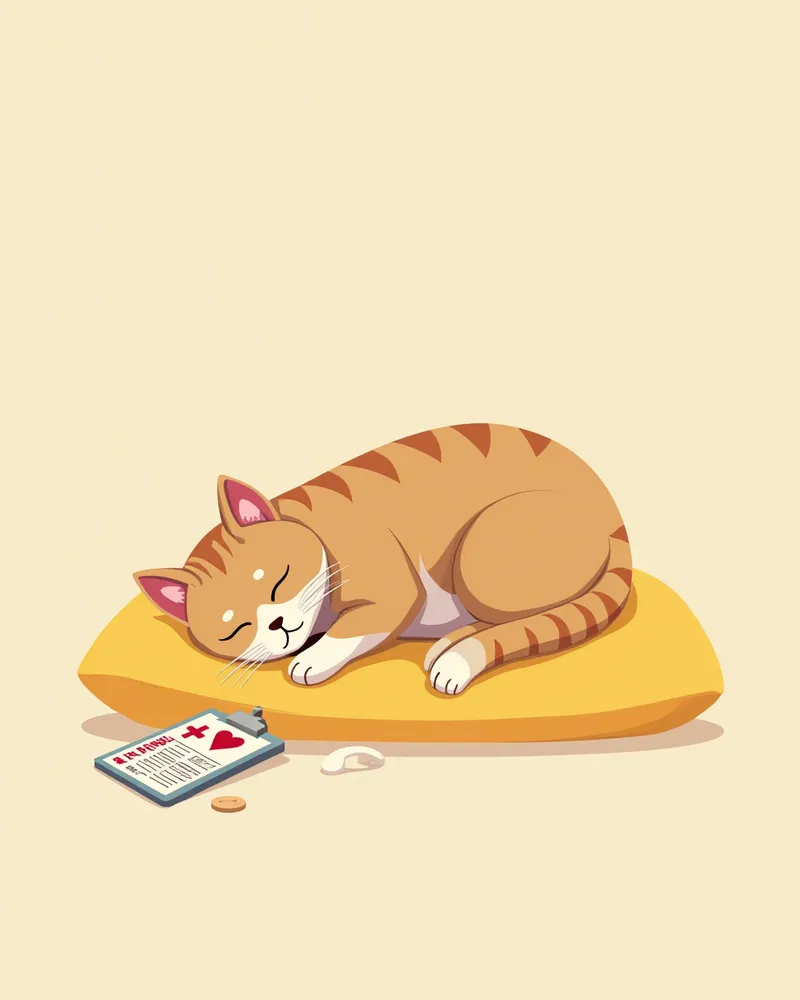
Caution: Risk of Worsening Due to Improper Management
Ignoring excessive urination or attempting self-treatment without consulting a veterinarian can worsen diabetes or kidney disease. Accurate diagnosis and proper treatment are essential.
Reviewed by a veterinarian

Dr. Tony — Punnawat Phongkittirak
VeterinarianA veterinarian who majored in veterinary medicine at Khon Kaen University, Thailand, and completed the IVSA program at North Carolina State University in the United States. Drawing on clinical experience at animal hospitals, he works in the pet healthcare field and is dedicated to building a digital care environment that connects pet parents with veterinarians.
Reviewed 2026-06-05
Frequently Asked Questions
Is it normal for a cat to drink a lot of water?
Is polydipsia related to a cat's age?
What tests are needed to diagnose diabetes insipidus?
Can polydipsia-polyuria be treated?
What should I do at home if my pet develops polyuria?
Share
Related Guides
Top 5 Prescription Diets for Cats with Chronic Kidney Disease — Stage-Specific Protein Adjustment
7 Emergency Signs and Causes of Acute Kidney Failure in Dogs You Must Not Miss
Comparing Cat Renal Prescription Diets — Hill’s k/d vs Royal Canin Renal vs Purina NF
Guide to Telemedicine (Remote Veterinary Care)
Guide to Safe Storage of Pet Food and Treats
When Your Dog Growls, Is It Fear or Aggression? — How to Tell by the Signals

How Many Days for a Food Transition? Step-by-Step Ratios and Schedules for 5, 7, and 10 Days
Cat Fur Types: How to Identify and Care for Them?
Is My Dog Anemic? — Checking Iron Levels with Ferritin and Transferrin
What is the Pancreatitis SNAP Test? How to Interpret Results and Accuracy
References
[1] The Veterinary Workbook of Small Animal Clinical Cases, Case 21, 2020
[2] The Cat, Clinical Medicine and Management, 2nd Edition, 2019
[3] Urinalysis in the Dog and Cat, 2021