
Like
Share
멍실장
강아지 심낭삼출·심낭압전 자주 묻는 질문 Q&A — 보호자가 꼭 알아야 할 핵심

Fluid in Your Dog’s Pericardial Sac — Is This an Emergency? A Complete Guide to Cardiac Tamponade Warning Signs

HeartQ&AMeongsiljang Veterinary Advisory Board

Pericardial effusion and cardiac tamponade are serious conditions that can severely impact your dog’s heart function. Early recognition and appropriate treatment are key to saving their life.

Pericardial Effusion and Cardiac Tamponade Are Emergency Conditions That Pose a Serious Threat to Heart Function
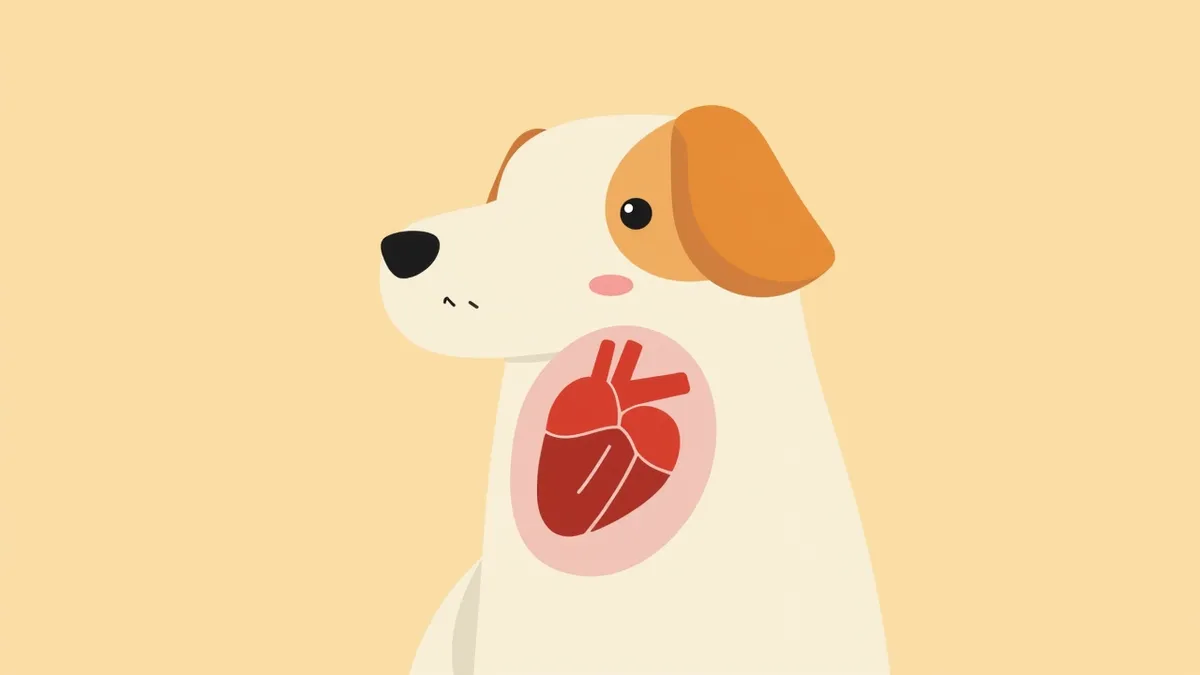
An anatomical illustration of the pericardium, the sac surrounding the heart, filled with fluid
Pericardial effusion and cardiac tamponade are emergency conditions that pose a serious threat to heart function. Pericardial effusion is a condition in which an abnormal amount of fluid accumulates in the pericardial sac surrounding the heart. When fluid accumulates suddenly or excessively, it interferes with the heart’s ability to fill with blood during relaxation (diastole), leading to cardiac tamponade. Cardiac tamponade disrupts normal hemodynamics, causing a drop in blood pressure, difficulty breathing, and shock, and can even progress to cardiac arrest, making it life-threatening. Pericardial effusion is known as the most common pericardial disease in dogs. Therefore, immediate veterinary care and treatment are essential, and rapid diagnosis along with appropriate intervention are key to improving treatment success rates.

The Causes of Pericardial Effusion Are Varied, and Early Detection Is Key to Treatment
The causes of pericardial effusion are varied. The most common causes are tumors (especially hemangiosarcoma) and idiopathic cases with no identifiable cause, while other potential causes include trauma, coagulation disorders, and left atrial rupture. Purulent pericardial effusion due to infection is relatively rare. The condition may be more prevalent in certain breeds or middle-aged to senior dogs, and effusive constrictive pericarditis has been reported particularly in older brachycephalic breeds. Early symptoms are often subtle and easily overlooked, but if this window is missed, the condition can progress to cardiac tamponade. Early diagnosis allows for prompt fluid drainage and treatment of the underlying cause. Regular cardiac check-ups and careful monitoring are essential, so please visit a veterinary clinic immediately if you notice any symptoms.
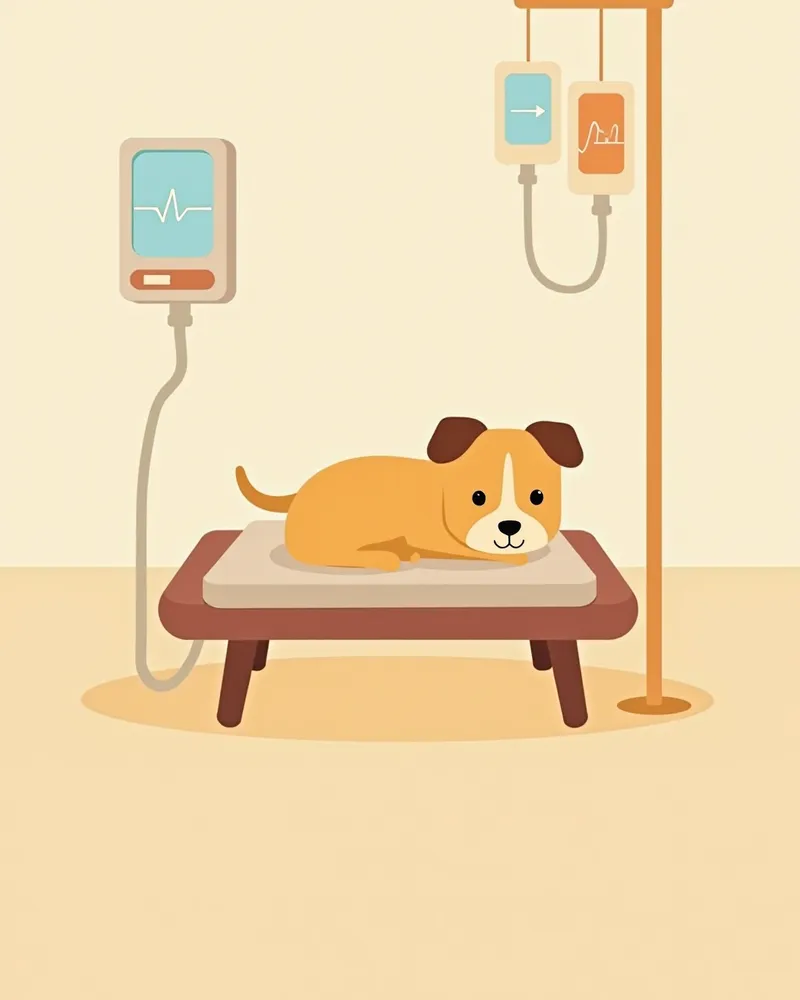
A puppy undergoing electrocardiogram monitoring at the hospital

The Main Symptoms of Cardiac Tamponade Include Severe Difficulty Breathing and Signs of Shock

Cardiac tamponade occurs when fluid buildup compresses the heart, impairing its ability to pump blood effectively. This can lead to rapid breathing, panting, and pale gums or mucous membranes. Blood pressure may drop suddenly, causing collapse or loss of consciousness. These symptoms indicate a life-threatening emergency requiring immediate veterinary care. Delaying treatment carries a high risk of death. Pet owners should closely monitor for these signs and seek urgent medical attention if they appear.
A puppy experiencing severe respiratory distress

Cardiac Tamponade Is an Emergency Situation That Requires Immediate Veterinary Attention

If your pet is experiencing difficulty breathing, signs of shock, or a weakening heartbeat, transport them to a veterinary hospital immediately. Pericardial tamponade is a life-threatening emergency that requires immediate pericardiocentesis to drain the fluid accumulating in the pericardial sac. Because fluid often reaccumulates after drainage, surgery to prevent recurrence may be considered based on the patient’s subsequent condition. Delaying treatment carries a high risk of death.

Diagnosis Is Accurately Confirmed Using Ultrasound and Cardiac Examinations

Pericardial effusion can be accurately assessed in terms of the volume and location of fluid within the pericardial sac using cardiac ultrasound (echocardiography). Ultrasound is a sensitive, non-invasive test for detecting pericardial effusion and cardiac masses, allowing for real-time evaluation of heart function. Electrocardiography (ECG) and thoracic radiographs are also performed to check heart rhythm and the condition of the thoracic cavity, although chest X-rays may appear normal in the acute phase. The presence of cardiac tamponade is determined by characteristic ultrasound findings such as right atrial collapse, where the right atrium is compressed and flattened. Accurate diagnosis enables the development of an appropriate treatment plan, and early diagnosis is key to successful treatment.
A dog undergoing an echocardiogram

Treatment Involves Pericardiocentesis and Addressing the Underlying Cause

Treatment for cardiac tamponade begins with pericardiocentesis, a procedure to drain the fluid accumulated in the pericardial sac. This step is critical for saving lives by immediately restoring blood flow, and you may see improvement during the procedure as the heart rate decreases and blood pressure improves. After drainage, additional tests are performed to identify the underlying cause, such as tumors, infections, or clotting disorders, so that targeted treatment can begin. However, because fluid often reaccumulates after drainage, surgical intervention may be necessary for long-term management to avoid repeated procedures. Unlike other conditions involving fluid retention, diuretics and vasodilators are not recommended. Regular veterinary check-ups are essential throughout the treatment period.
A veterinarian performing pericardiocentesis

At-Home Care Requires Careful Observation of Early Warning Signs

For dogs with pericardial effusion, it’s important to reduce their activity level and ensure they get plenty of rest. Minimize stress and maintain a calm environment to lessen the burden on the heart. Since their cardiac function is compromised, avoid sudden movements or excitement. Regularly monitor their breathing, level of consciousness, and gum color. If symptoms worsen, seek veterinary care immediately. Be sure to keep up with regular check-ups and veterinary visits.
A dog resting

Certain Breeds Are at Higher Risk for Pericardial Effusion

Pericardial effusion is more common in certain breeds and in middle-aged to senior dogs. Idiopathic pericardial effusion, where the cause is unknown, is the most frequent form, while effusive constrictive pericarditis has been reported in older brachycephalic breeds. Since symptoms tend to appear in adult and senior dogs, regular cardiac check-ups are important.

Reviewed by a veterinarian

Dr. Tony — Punnawat Phongkittirak

Dr. Tony — Punnawat Phongkittirak

Veterinarian

A veterinarian who majored in veterinary medicine at Khon Kaen University, Thailand, and completed the IVSA program at North Carolina State University in the United States. Drawing on clinical experience at animal hospitals, he works in the pet healthcare field and is dedicated to building a digital care environment that connects pet parents with veterinarians.

Frequently Asked Questions

Can cardiac tamponade be completely cured?
It depends on the underlying cause. If the cause is a tumor or infection, ongoing management is required after treatment, and recurrence with fluid re-accumulating after drainage is common. However, in some cases such as idiopathic causes, long-term management may be possible through surgery (e.g., pericardiectomy). Regular check-ups are essential after treatment.
Can pericardial effusion be prevented?
While direct prevention is challenging, early detection is possible through regular heart screenings and maintaining a healthy lifestyle. Extra vigilance is especially important for middle-aged and senior dogs, or those suspected of being at high risk.
Is pericardiocentesis very painful?
We typically use local anesthesia and, if needed, a mild sedative. In many cases, pets tolerate the procedure well without heavy sedation. There may be some temporary discomfort after the procedure, but most pets stabilize quickly.
Can pericardial effusion recur?
Yes, recurrence of fluid accumulation after thoracentesis is common in both neoplastic and idiopathic cases. Therefore, regular check-ups and close monitoring are essential, and surgical management may be considered if the condition recurs.
What should I do at home if my pet develops pericardial tamponade?
Transport your dog to a veterinary clinic immediately. If your dog is experiencing difficulty breathing or showing signs of shock, lay them down in a stable, comfortable position and ensure they have plenty of fresh air. Keep your dog calm and still during transport.

Share

Related Guides

References

[1] Clinical Medicine of the Dog and Cat, 4th Ed. 2020, Elsevier

[2] Small Animal Critical Care Medicine, 3rd Ed. 2018, Elsevier

[3] Textbook of Cardiovascular Medicine in Dogs and Cats. 2019, Wiley-Blackwell

This information is based on veterinary literature and does not replace diagnosis or treatment. Please consult a veterinarian for specific health concerns.

Metapet Co., Ltd. | CEO: Park Sung-yong | Business Reg. No. 417-88-02562 | Seoul, South Korea | Customer Center

Pericardial Effusion in Dogs: Cardiac Tamponade Warning Signs | Meongsiljang