

Is Pacemaker Implantation Necessary for Dogs? — Key Points Before Arrhythmia Surgery
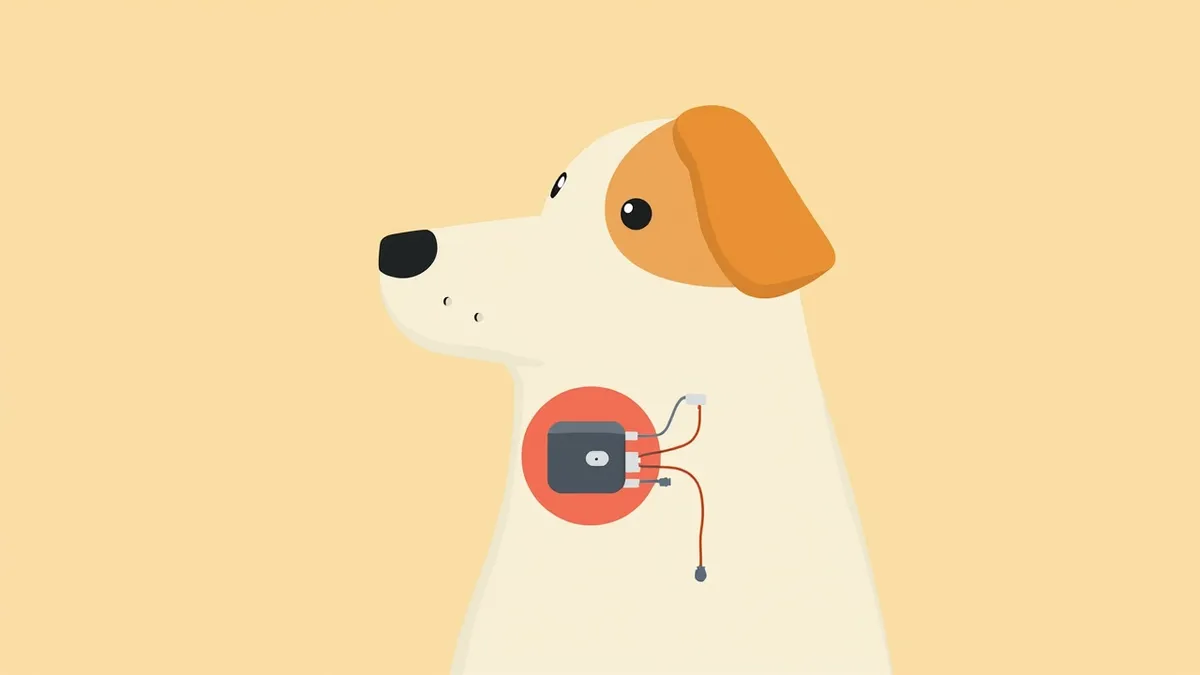
Pacemaker implantation in dogs is a surgical procedure performed when the heart rate is dangerously slow and poses a threat to life. Here’s a summary of the key information that pet owners need to know.
What Is Pacemaker Implantation in Dogs?
Why Is a Pacemaker Needed?

How Is the Pacemaker Implantation Procedure Performed?

How Is Post-Surgical Recovery Managed?

Symptoms Requiring Immediate Veterinary Attention
If your pet collapses, has difficulty breathing, or experiences an abnormally fast or slow heart rate after surgery, contact your veterinarian immediately. These symptoms could indicate a problem with medical equipment or an underlying heart condition.
Pacemaker Lifespan and Maintenance

Comparison Before and After Pacemaker Implantation
| Item | Before Surgery | After Surgery |
|---|---|---|
| Heart Rate | 20–60 beats/min (bradycardia) | Around 60–70 beats/min |
| Activity Capacity | Fainting, lethargy | Normal activity possible |
| Life Threat | High (risk of fainting and sudden death) | Low (favorable prognosis) |
| Need for Regular Checkups | None | Required regularly |
Once a pacemaker is successfully in place, quality of life and prognosis improve greatly.
Precautions for Pet Owners

Reviewed by a veterinarian

Dr. Tony — Punnawat Phongkittirak
VeterinarianA veterinarian who majored in veterinary medicine at Khon Kaen University, Thailand, and completed the IVSA program at North Carolina State University in the United States. Drawing on clinical experience at animal hospitals, he works in the pet healthcare field and is dedicated to building a digital care environment that connects pet parents with veterinarians.
Reviewed 2026-06-05
Frequently Asked Questions
Is pacemaker implantation painful for dogs?
Can my dog live a normal life after having a pacemaker implanted?
How much does pacemaker surgery cost?
Is it possible to perform other surgeries after pacemaker implantation?
Can my dog live a long, healthy life after getting a pacemaker?
Share
Related Guides

Coenzyme Q10 Benefits and Administration Guide

Dog Pulmonary Edema Warning — 7 Best Diuretics (Furosemide) for Heart Management

7 Best Prescription Diets for Feline Heart Disease Recommended by Veterinarians — Criteria for Choosing Low-Sodium Food

How to Clean Your Dog’s Eyes: The Correct Way to Safely Clean at Home

What is Canine Hypothyroidism? — Do They Need Lifelong Medication? Key Q&A

Feline Lymphoma Treatment and Prognosis — Chemotherapy vs. Conservative Management

How to Read Your Dog’s Liver Enzyme Levels (ALT & ALP) and Normal Range Guide

Canine Osteosarcoma: Should You Amputate the Leg? — Essential Guide Before Making a Decision

Is it okay if my dog eats xylitol? — Emergency signs of hypoglycemia and liver damage

Dictionary of 100 Essential Veterinary Terms
References
[1] Zoll, P.M. (1952). Resuscitation of the heart in ventricular standstill by external electric stimulation. N. Engl. J. Med. 247: 768–771.
[2] DeFrancesco, T.C., Hansen, B.D., Atkins, C.E. et al. (2003). Noninvasive transthoracic temporary cardiac pacing in dogs. J. Vet. Intern. Med. 17: 663–667.
[3] Small Animal Critical Care Medicine, 3rd Ed. (2020). Chapter on Pacemaker Therapy in Canine Arrhythmias.