Like
Share
멍실장
고양이 첫 동물병원 방문 자주 묻는 질문 Q&A — 보호자가 꼭 알아야 할 핵심

Frequently Asked Questions About Your Cat’s First Vet Visit — Key Information Every Owner Must Know

Lifestyle & Age CareQ&AMeongsiljang Veterinary Advisory Board

A cat’s first visit to the vet is an important milestone for checking its health and starting vaccinations. Here’s a summary of the key information every pet owner should know.

When Should You Bring Your Cat to the Vet for the First Time?

A cat sitting quietly inside a carrier
It’s best to bring your kitten to the vet for the first time early in life. Because kittens are small and their physiology differs from adult cats, their condition can deteriorate rapidly, so a systematic approach—including a thorough medical history review and a complete physical exam—is essential. Vaccinations typically begin around 8 weeks of age, so scheduling the first visit at this time allows you to combine vaccination with a general health checkup. Before the visit, prepare a carrier in advance and leave it open frequently so your cat can become familiar with it. Whether fasting is required before the examination depends on the specific tests planned, so it’s safest to discuss this with your veterinarian beforehand. Through consultation with your vet, you can develop a personalized health care plan. This first visit is an important step in laying the foundation for your cat’s long-term health.

What Examinations Are Performed During the First Visit?
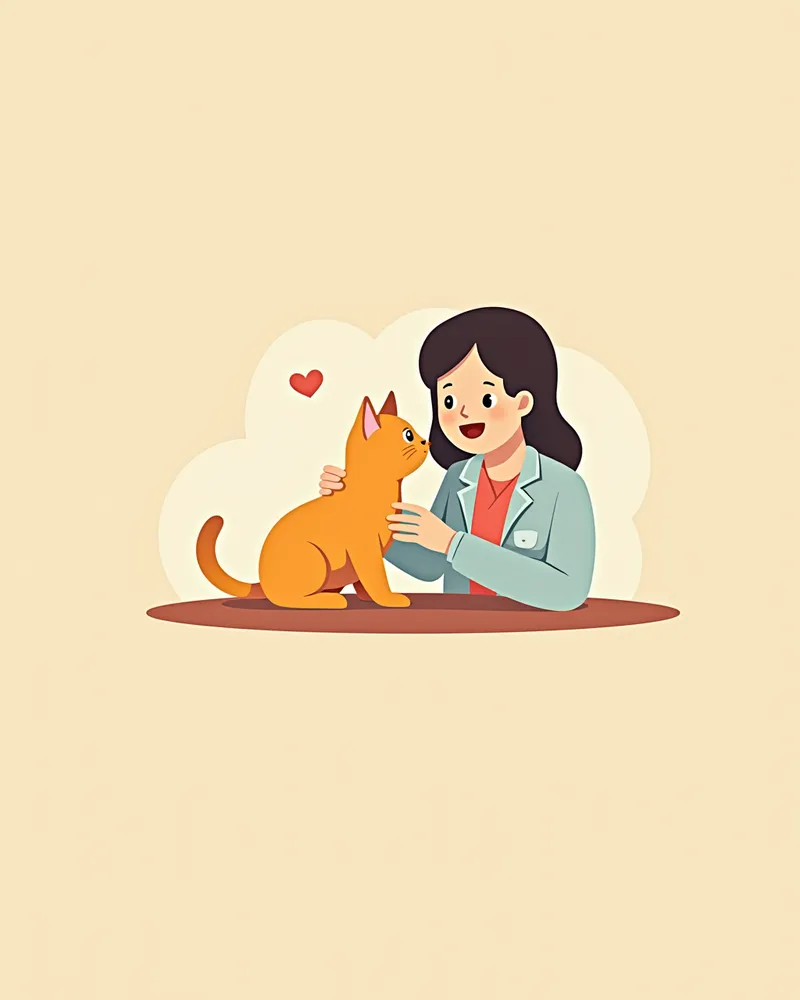
During the first visit, we conduct a comprehensive check-up of your cat’s overall health. - General Physical Examination: We directly examine your cat’s mucous membranes, oral cavity, external ear canals, and skin condition. - Weight Measurement: This is essential for assessing growth rate and nutritional status. - Cardiac and Pulmonary Auscultation: We listen to the chest to evaluate heart rate and respiratory patterns, helping us identify any abnormalities. - Lymph Node and Abdominal Palpation: We gently palpate the lymph nodes and abdomen to check for abnormal organ size or pain, and we also measure body temperature. - FeLV/FIV Testing: We especially recommend testing for Feline Leukemia Virus (FeLV) and Feline Immunodeficiency Virus (FIV) in kittens. All these examinations play a crucial role in comprehensively evaluating your cat’s health.
A veterinarian carefully examining a cat's ears and eyes.

When Do Vaccinations Begin?

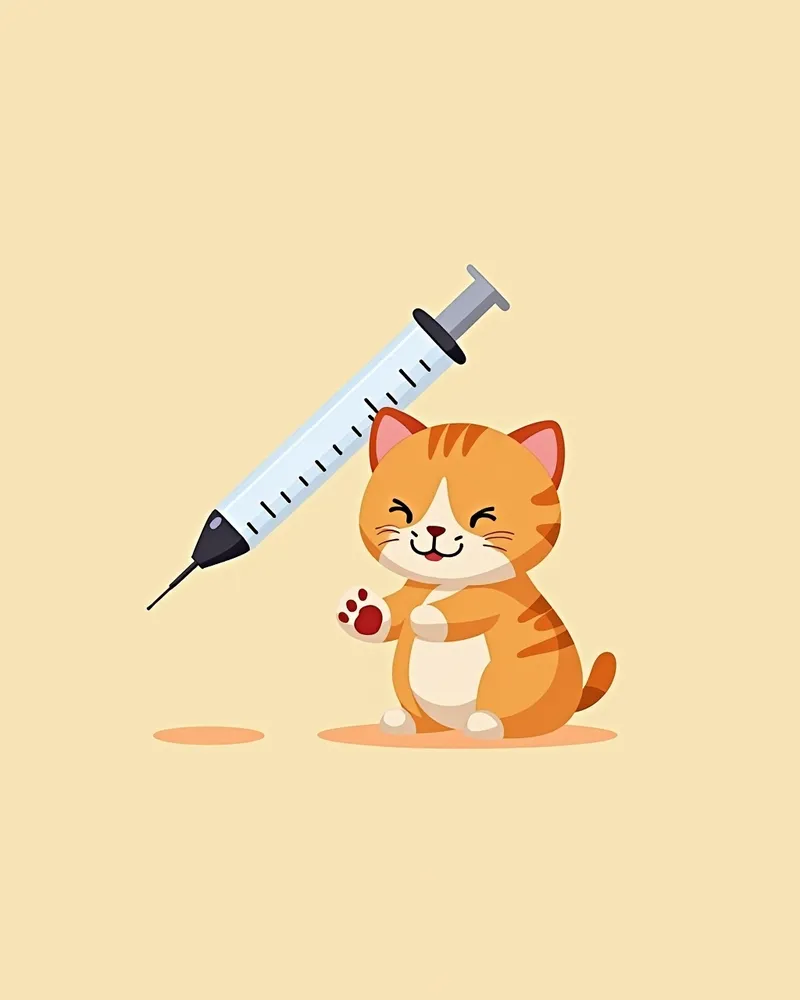
Feline vaccinations typically begin at 8 weeks of age, and it is recommended not to vaccinate earlier than 6 weeks. - Core vaccines: These include feline panleukopenia virus (FPV), feline herpesvirus (FHV), and feline calicivirus (FCV). In endemic areas, the rabies vaccine is also included. These vaccines boost your cat’s immunity to prevent major infectious diseases. - Vaccination schedule: Your veterinarian will determine the appropriate vaccination schedule based on your cat’s weight, health status, and environment. Kittens usually receive booster shots every 3 to 4 weeks until they are 16 to 20 weeks old, meaning they receive multiple doses over time. During the first visit, your veterinarian will help you decide the right timing for each shot. Vaccination is the most fundamental measure to protect your cat’s health.
A close-up shot of a syringe and a cat's paw pad.

How to Reduce Stress Before a Vet Visit?

To reduce your cat’s stress before a vet visit, it’s important to help them get comfortable with their carrier. - Carrier acclimation: Leave the carrier open frequently and place a blanket or familiar-smelling item inside. - Maintain a quiet environment: Before the visit, keep your cat in a calm, quiet space and avoid contact with other animals or people. - Confirm fasting requirements: Whether fasting is necessary depends on the specific tests being performed, so discuss this with your veterinarian beforehand. - Create a calm atmosphere: Speak to your cat in a gentle, soothing voice to help them feel at ease. These stress-reducing preparations lower fear and anxiety, improving cooperation during the exam and aiding recovery. Ultimately, these steps ensure a more positive experience for your cat at the clinic.
A cat carrier that comes with a cozy blanket.

Immediate Vet Visit Required in These Cases

If your cat has been lethargic and not eating for several days, or if they are experiencing repeated vomiting or diarrhea, or if their breathing is rapid or labored, you should take them to the vet immediately. These could be signs of a serious illness.

Management Points After the First Visit
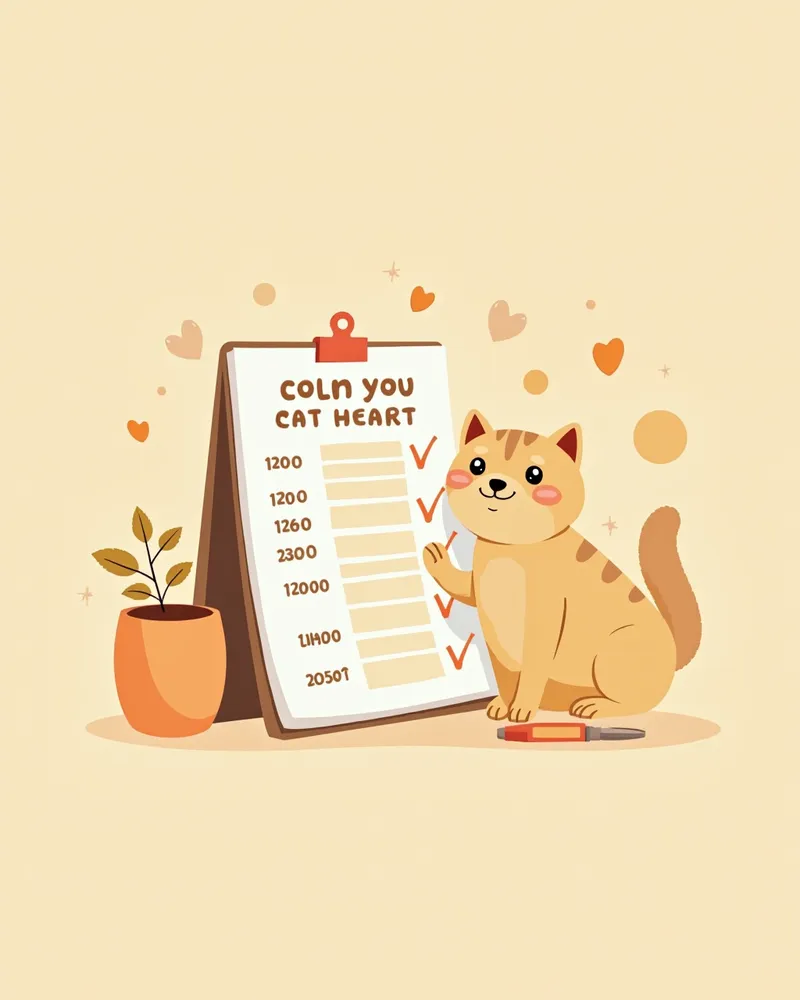
After your first visit, it’s important to follow the vaccination schedule provided by your veterinarian. - Vaccination Schedule Management: Vaccines should be administered at precise 3- to 4-week intervals to ensure effectiveness. - Health Record Keeping: Try to keep a daily record of your cat’s food intake, bowel movements, and activity levels. Contact us immediately if you notice any unusual signs. - Environmental Stability: Help your cat maintain a calm and comfortable environment even after visiting the clinic. - Planning for the Next Visit: Discuss the timing of your next visit and what will be checked with your veterinarian. The first visit is not just a routine checkup—it’s the beginning of long-term health care.
A notebook with a cat health record form

Comparison of Key Check-up Items by Timing for a Cat’s First Visit

Item8–12 weeks of age12–16 weeks16–20 weeks
VaccinationFPV, FHV, FCV (core vaccines)FPV, FHV, FCV (core vaccines)FPV, FHV, FCV (core vaccines, repeated until 16–20 weeks of age)
Basic CheckupGeneral examination, weight measurementHeart/lung auscultation, lymph node/abdominal palpationBlood test (CBC), FeLV/FIV testing
Behavioral ObservationBegin socializationCheck stress responsesAssess activity level

The schedule may be adjusted according to the veterinarian's judgment.

Common Mistakes Made by Owners?

It’s best to avoid feeding your cat a large meal right before bringing them to the clinic. Whether fasting or dietary adjustments are needed depends on the specific tests being performed, so please discuss this with your veterinarian in advance. - Handling too roughly: Grabbing or pulling your cat forcefully can significantly increase their stress. Fear and anxiety may make it harder for them to cooperate during the examination. - Expecting too much too soon: It’s a common mistake to expect your cat to fully adapt during their first visit. Cats need time to adjust. - Over-checking: Continuously checking on or talking to your cat after arriving at the clinic can actually heighten their anxiety. Avoiding these pitfalls and prioritizing your cat’s comfort and natural rhythm is key.
A person quietly holding a cat inside a carrier

Reviewed by a veterinarian

Dr. Tony — Punnawat Phongkittirak

Dr. Tony — Punnawat Phongkittirak

Veterinarian

A veterinarian who majored in veterinary medicine at Khon Kaen University, Thailand, and completed the IVSA program at North Carolina State University in the United States. Drawing on clinical experience at animal hospitals, he works in the pet healthcare field and is dedicated to building a digital care environment that connects pet parents with veterinarians.

Frequently Asked Questions

How many times should I take my cat to the vet for their first visit?
The first visit is for a basic health check-up and the initial vaccination. After that, kittens will need to return every 3 to 4 weeks for additional vaccinations until they are 16 to 20 weeks old. The number of visits may be adjusted based on the veterinarian's assessment.
Is vaccination absolutely necessary?
Yes, vaccinations are the most important preventive measure to protect your cat’s life. Core vaccines against feline panleukopenia virus (FPV), feline herpesvirus (FHV), and feline calicivirus (FCV) help prevent life-threatening diseases. Your veterinarian will create a vaccination schedule tailored to your cat’s individual health status.
Can I feed my pet before going to the vet?
Whether fasting is required before the check-up depends on the type of tests being performed. For your pet’s safety, it’s best to consult with your veterinarian in advance to confirm whether feeding before the visit is allowed or if fasting is necessary.
My cat hates going to the vet. What should I do?
Help your pet get used to the carrier in advance, and keep them in a quiet environment while waiting. Maintain a calm atmosphere inside the vehicle, and if your pet is experiencing significant stress, consult your veterinarian about using prescribed medication to help.
What should I watch out for at home after the first visit?
Keep a record of your cat’s food intake, bowel movements, and activity level, and contact your veterinarian immediately if you notice any unusual signs. After vaccination, provide a quiet, comfortable space where your cat can rest undisturbed. It’s important to follow your veterinarian’s instructions carefully.

Share

Related Guides

References

This information is based on veterinary literature and does not replace diagnosis or treatment. Please consult a veterinarian for specific health concerns.

Metapet Co., Ltd. | CEO: Park Sung-yong | Business Reg. No. 417-88-02562 | Seoul, South Korea | Customer Center

First Cat Vet Visit: 5 Frequently Asked Questions | Meongsiljang