Like
Share
멍실장
강아지 승모판 폐쇄부전증(MVD) 자주 묻는 질문 Q&A — 보호자가 꼭 알아야 할 핵심

Dog Mitral Valve Disease (MVD) FAQ — Key Information Every Pet Owner Should Know

HeartQ&AMeongsiljang Veterinary Advisory Board

Mitral valve disease (MVD) is a common heart condition in small-breed dogs, and early detection and management can significantly extend their lifespan. Here’s a summary of the key information every pet owner should know.

What is Mitral Valve Disease (MVD) in Dogs?
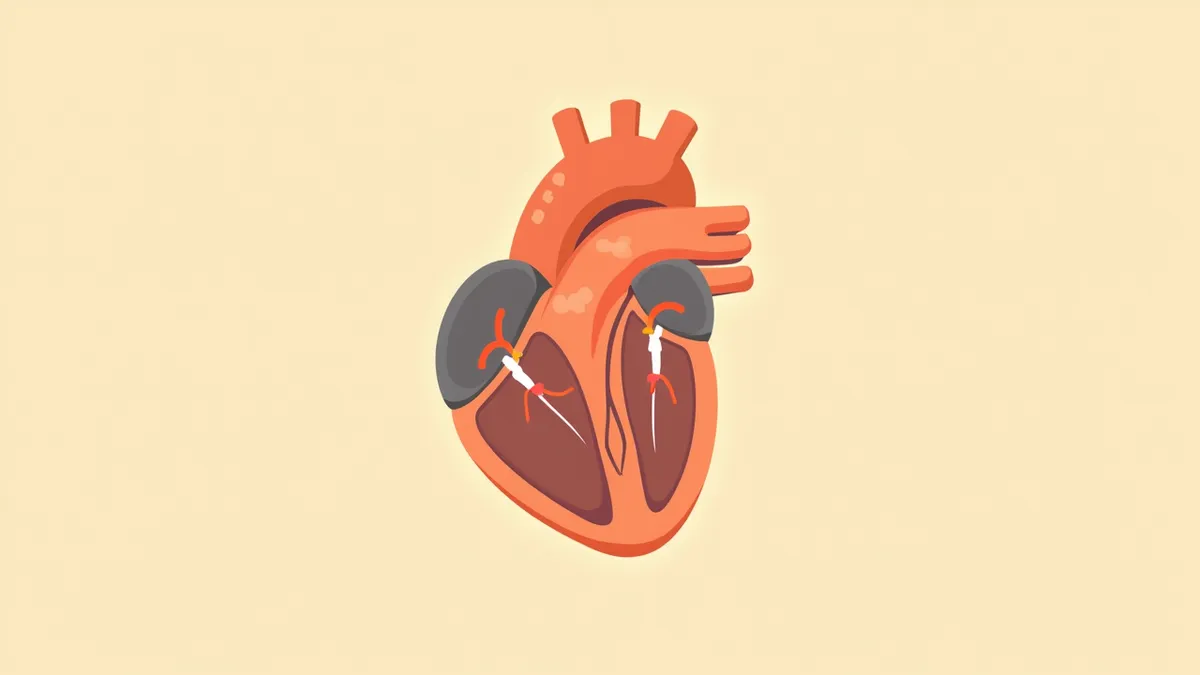
A canine heart anatomy diagram showing the mitral valve in both normal and regurgitant states
Mitral valve disease (MVD) in dogs is a condition where the mitral valve fails to close properly, causing blood to leak backward into the heart. This condition is common in small breeds, particularly toy breeds, and the risk increases with age. In the early stages, symptoms are often minimal, making early detection challenging. However, early management is crucial for significantly extending life expectancy. The backward flow of blood places continuous strain on the heart, leading to enlargement and progressive decline in function over time. Regular check-ups can help detect the disease early, and medication along with lifestyle management can slow its progression. Early intervention is the most important factor in prolonging your dog’s life.

What are the Main Causes and Pathogenesis of MVD?
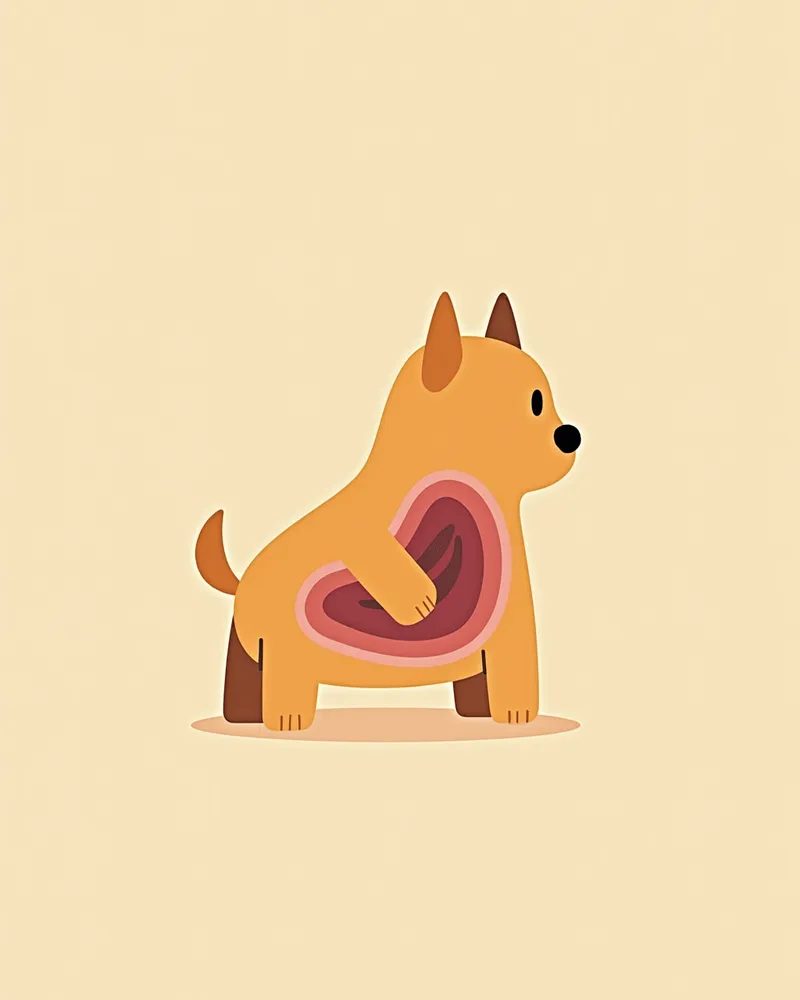
Myxomatous valve disease (MVD) occurs due to degenerative changes in which the mitral valve tissue gradually deteriorates and thickens. Genetic factors play a significant role, and the condition is particularly common in toy breeds. As a result, the valve fails to close properly, placing strain on the heart and causing persistent blood regurgitation. Over time, the heart enlarges, the heart muscle weakens, and functional decline worsens. Although this process progresses slowly, leaving it unmanaged without early intervention can lead to heart failure. Early diagnosis and appropriate management are key to slowing the progression of the disease.
An animation showing how the mitral valve tissue in small-breed dogs degenerates over time.

What are the Main Symptoms of MVD?

In the early stages, MVD typically shows few or no symptoms, but as it progresses, the following signs may appear:
Coughing: Especially frequent at night or after activity.
Shortness of breath: Panting easily after walks, or even while resting.
Fatigue: Difficulty with daily activities and increased need for rest.
Rapid heart rate: A faster and irregular heartbeat compared to normal.
Weight loss: Decreased appetite or sudden weight loss.
If you notice any of these symptoms, please consult your veterinarian promptly.
A small dog showing signs of coughing and fatigue in its daily life

Signs Requiring Immediate Veterinary Visit

Severe coughing, difficulty breathing, a bluish or purplish tint to the mouth, collapsing, or confusion are all signs of an emergency. In these cases, you should take your pet to the vet immediately. A sudden worsening of heart function can be life-threatening.

How is MVD Diagnosed?

MVD is primarily diagnosed through auscultation and echocardiography. During auscultation, a characteristic systolic murmur (regurgitant heart murmur) can be heard at the mitral valve area, specifically at the left cardiac apex. The intensity of this murmur generally correlates with the severity of the regurgitation. This murmur often serves as an early clue, sometimes discovered incidentally even when the patient is asymptomatic. Echocardiography allows for precise assessment of valve abnormalities and changes in heart size, such as left atrial and left ventricular dilation. When necessary, thoracic radiographs and electrocardiograms are also performed to evaluate overall cardiac function. Regular check-ups enable early detection, making examinations important even in the absence of symptoms. Early diagnosis helps determine the optimal timing for appropriate treatment.
A veterinarian using an ultrasound device on the chest of a small dog

How is MVD Treated?

Treatment for MVD is staged according to ACVIM guidelines.
Stage B1: The dog is asymptomatic with only a heart murmur and no cardiac enlargement; regular monitoring without medication is sufficient.
Stage B2: The heart murmur is louder and the heart (left atrium and left ventricle) is enlarged; pimobendan is started to delay the onset of heart failure.
Stage C: Clinical signs of heart failure are present; treatment involves a combination of a diuretic (furosemide) and pimobendan.
Medications are prescribed by a veterinarian based on the dog's weight and condition.
A veterinarian’s office with pimobendan and proseride medications on display

Comparison of MVD Stages, Symptoms, and Management

ItemStageMain SymptomsTreatment MethodPrognosis
Stage B1No symptoms, only a heart murmurObservation onlyNo medicationGood
Stage B2Intensified heart murmur, cardiac enlargementStart pimobendanStart drug therapyFair
Stage CCoughing, shortness of breath, heart failurePimobendan + diuretic (furosemide)Combination therapyModerate to poor

The stage is determined by the veterinarian based on echocardiography and clinical findings.

Precautions: Medication and Care

Pimobendan must be administered strictly under veterinary guidance. Abruptly stopping the medication can cause a rapid deterioration in heart function. It is also important to avoid excessive exercise and reduce salt intake.

Reviewed by a veterinarian

Dr. Tony — Punnawat Phongkittirak

Dr. Tony — Punnawat Phongkittirak

Veterinarian

A veterinarian who majored in veterinary medicine at Khon Kaen University, Thailand, and completed the IVSA program at North Carolina State University in the United States. Drawing on clinical experience at animal hospitals, he works in the pet healthcare field and is dedicated to building a digital care environment that connects pet parents with veterinarians.

Frequently Asked Questions

Is MVD curable?
While a complete cure remains elusive at present, early diagnosis and appropriate treatment can extend your pet’s lifespan by several years.
Is MVD genetic?
Yes, especially in toy breeds, there is a strong genetic predisposition. It’s important to check the health status of the parents before adoption.
What kind of medication is pimobendan?
Pimobendan is a medication that enhances the heart's contractile force and dilates blood vessels, thereby reducing the heart's workload. It is considered a standard treatment for myxomatous mitral valve disease (MVD).
If my dog has mitral valve disease, how should I manage their walks?
Adjust your pet’s activity level based on their symptoms. If they’re coughing or having trouble breathing, reduce walks. Once symptoms stabilize, light walks are recommended.
If my dog develops MVD, how should I change their diet?
It is advisable to switch to a diet that supports heart health, choosing products with low sodium content. Please consult with your veterinarian before making a decision.

Share

Related Guides

References

[1] Ingrid Ljungvall, Jens Häggström. (2021) Textbook of Cardiovascular Medicine in Dogs and Cats. Wiley-Blackwell.

[2] Ashley N. Sharpe, Lance C. Visser. (2023) Small Animal Critical Care Medicine, 3rd Ed. Elsevier.

[3] Joshua A. Stern, Ashley L. Walker. (2022) Pimobendan in Canine Myxomatous Mitral Valve Disease: Mechanisms and Clinical Use. Journal of Veterinary Cardiology, 41, 100–115.

This information is based on veterinary literature and does not replace diagnosis or treatment. Please consult a veterinarian for specific health concerns.

Metapet Co., Ltd. | CEO: Park Sung-yong | Business Reg. No. 417-88-02562 | Seoul, South Korea | Customer Center

Dog Mitral Valve Disease (MVD) FAQ: Key Facts for Owners | Meongsiljang