Like
Share
멍실장
고양이 FVRCP 고양이 복합백신 자주 묻는 질문 Q&A — 보호자가 꼭 알아야 할 핵심

Cat FVRCP Combination Vaccine FAQ — Key Information Every Pet Owner Must Know

Lifestyle & Age CareQ&AMeongsiljang Veterinary Advisory Board

The FVRCP vaccine for cats is a core vaccine that prevents life-threatening viral diseases. Here’s a summary of the essential information every pet owner should know.

What is the Cat FVRCP Combination Vaccine?
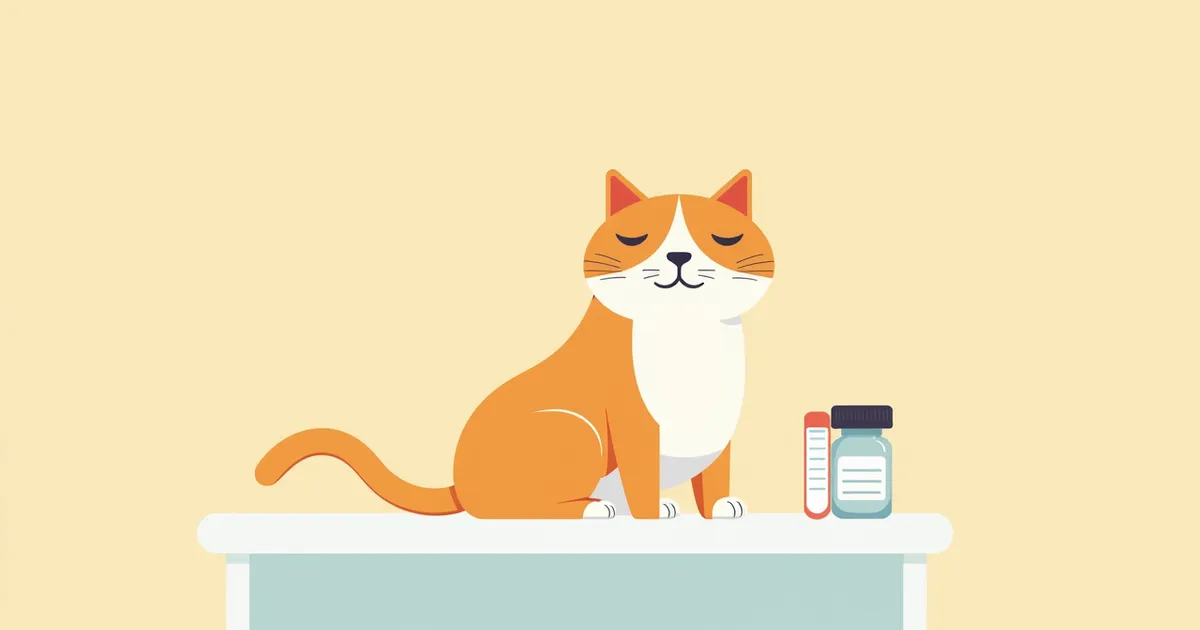
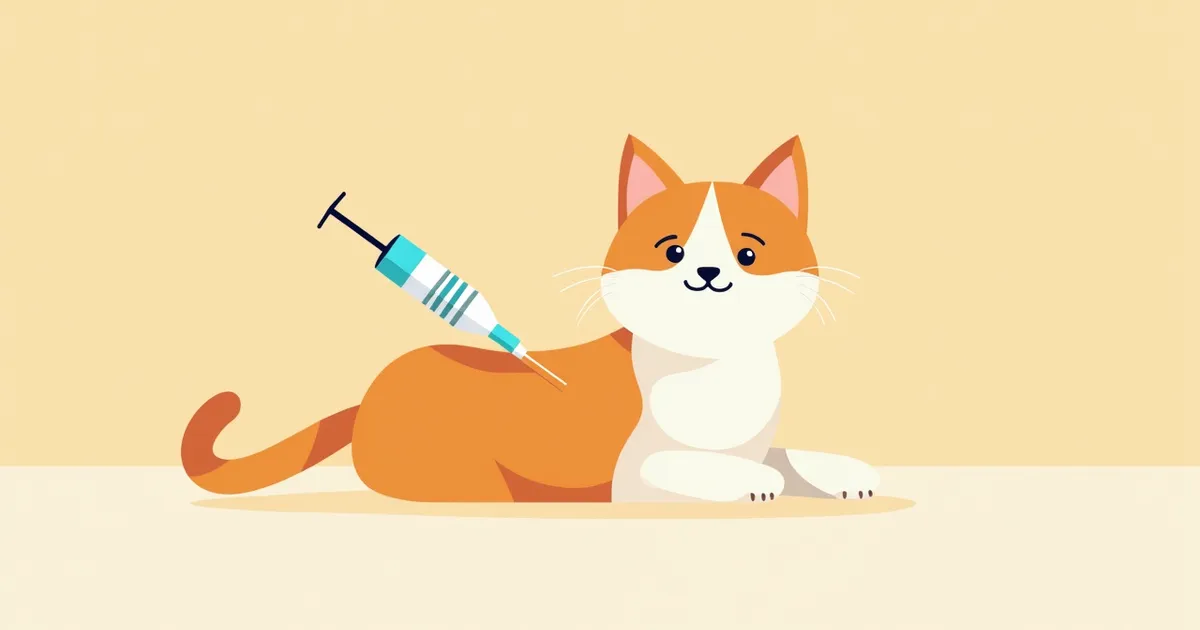
An illustration symbolizing a cat receiving a combination vaccine.
The feline FVRCP combination vaccine is a core vaccine that protects against the viruses responsible for feline viral rhinotracheitis: feline herpesvirus type 1 (FHV-1), feline calicivirus (FCV), and feline panleukopenia virus (FPV). These three diseases are common, potentially life-threatening, and can progress rapidly, especially in kittens. The vaccine stimulates an immune response to prevent severe disease or reduce symptoms in the event of actual infection. Protection against panleukopenia is considered particularly critical, and your veterinarian will develop a vaccination schedule tailored to your cat’s health status and living environment.

Why is the FVRCP Vaccine Essential?

The FVRCP vaccine provides immunity against three major viruses that are common in cats and can be life-threatening. - Feline Calicivirus (FCV): Causes inflammation and stomatitis in a cat’s eyes, nose, and mouth, and is highly contagious. - Feline Herpesvirus (FHV-1): Leads to feline viral rhinotracheitis, which can cause respiratory symptoms, keratitis, and conjunctivitis. - Feline Panleukopenia Virus (FPV): Causes a severe systemic disease that is often fatal, especially in young or immunocompromised cats. The vaccine reduces the risk of infection and lessens symptom severity if infection occurs. Even indoor cats can be exposed to the virus through people or objects, making vaccination important. Regular vaccinations are an effective way to protect your cat’s health.
Preventive care scenarios for indoor cats

Key Effects of the FVRCP Vaccine

The FVRCP vaccine helps your cat build immunity against three major viruses. Its effectiveness varies depending on the type of vaccine, the vaccination schedule, and your cat’s overall health. For feline panleukopenia (FPV), proper vaccination provides strong protection that can prevent most clinical cases. However, vaccines for respiratory diseases like feline herpesvirus (FHV-1) and feline calicivirus (FCV) may not completely prevent infection; instead, they offer partial protection by reducing the severity of symptoms. Still, vaccination remains a crucial part of safeguarding your cat’s health and quality of life.
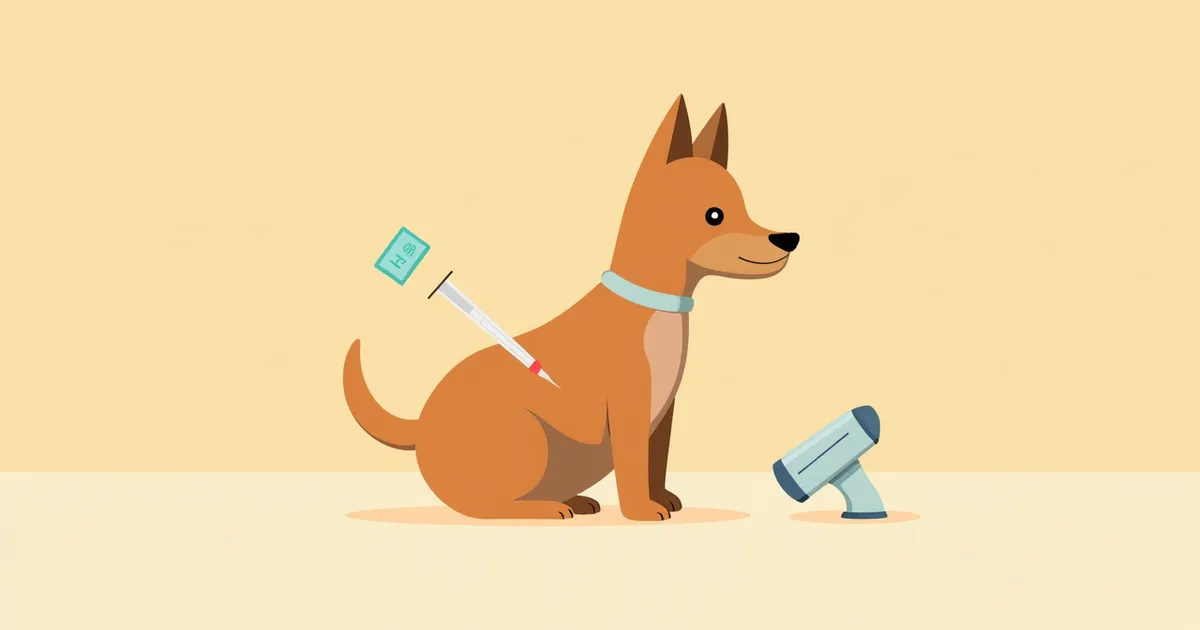
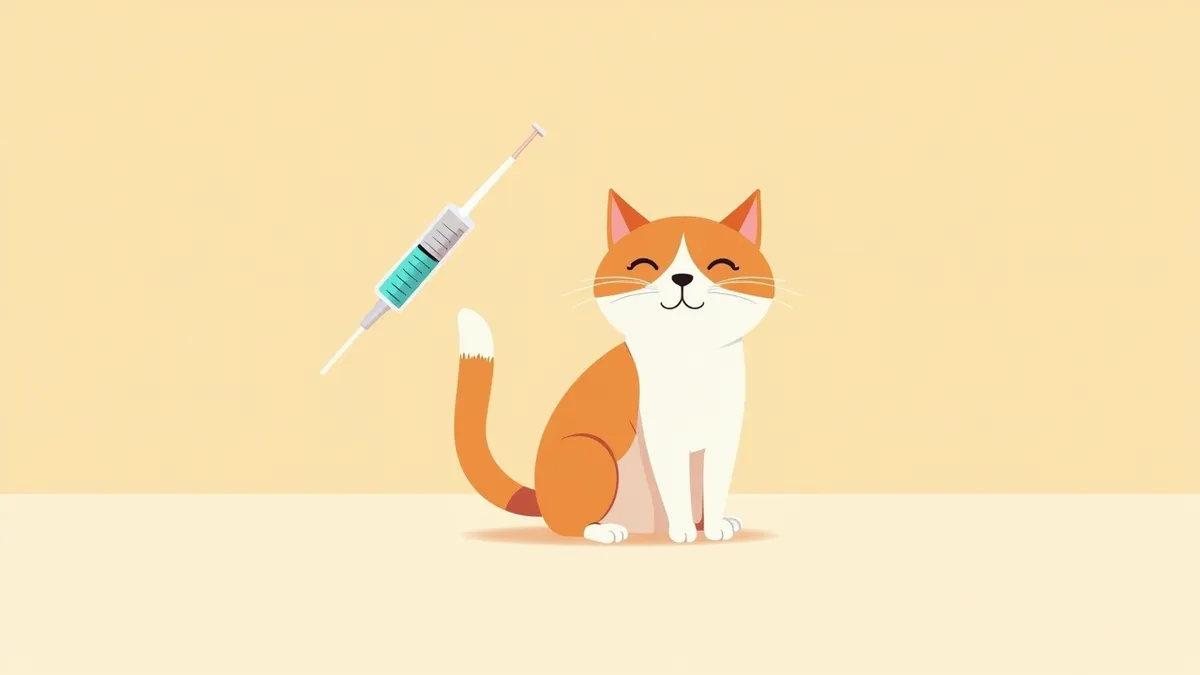
An illustration explaining the immune response after FVRCP vaccination.

Comparison of FVRCP Vaccine Types

ItemDuration of EfficacyRisk of Side EffectsRecommended Timing
Modified Live Vaccine (MLV)For panleukopenia, immunity can last several years, so a booster is recommended 1 year later, then every 3 yearsLow to ModerateCommonly used in kittens due to rapid immune development
Killed Vaccine (Killed)Good antibody levels can form even with a single doseLow to ModeratePreferentially considered for pregnant or immunocompromised cats
Recombinant/Combination VaccineImmunity can last several years after vaccinationLowIncludes various antigens tailored to the living environment

The veterinarian recommends the appropriate vaccine based on the cat's living environment and health status.

Precautions Before and After Vaccination

Before vaccinating your cat, make sure they are in good health. If they show symptoms such as fever, coughing, or diarrhea, it’s best to postpone the vaccination. After the shot, limit their activity for 24 hours and adjust their food intake. Some cats may develop swelling or warmth at the injection site. While these reactions are usually temporary, consult your veterinarian if they persist. A sign that owners often overlook is a post-vaccination shock reaction.
A cat resting after vaccination

Vaccination During Pregnancy is Risky

Modified live virus (MLV) vaccines can cause miscarriage, birth defects, or cerebellar dysfunction if administered during pregnancy. Vaccination should be avoided during pregnancy. If vaccination is necessary during pregnancy, consult with your veterinarian and consider using a killed vaccine. This is an important measure to protect both the cat's health and the safety of the fetus.

5 Frequently Asked Questions

When should cats receive the FVRCP vaccine? Begin vaccination at 6 to 8 weeks of age, with booster doses administered every 3 to 4 weeks until the kitten reaches 16 to 20 weeks of age. A booster is recommended one year after the final kitten vaccination, followed by revaccination every three years thereafter. What should you do if your cat experiences shock after vaccination? Contact your veterinarian immediately and keep your cat calm and stable. While most vaccine side effects are temporary, veterinary attention is necessary if symptoms persist. What are the risks of not vaccinating? Unvaccinated cats face an increased risk of contracting life-threatening diseases such as feline herpesvirus (upper respiratory tract infection), calicivirus, and panleukopenia. Vaccination is a key preventive measure for protecting your cat’s health, offering particularly strong protection against panleukopenia. Live attenuated vaccines (MLV) should be strictly avoided during pregnancy, as they can cause miscarriage or congenital abnormalities.
Cat Vaccination Schedule Checklist

Reviewed by a veterinarian

Dr. Tony — Punnawat Phongkittirak

Dr. Tony — Punnawat Phongkittirak

Veterinarian

A veterinarian who majored in veterinary medicine at Khon Kaen University, Thailand, and completed the IVSA program at North Carolina State University in the United States. Drawing on clinical experience at animal hospitals, he works in the pet healthcare field and is dedicated to building a digital care environment that connects pet parents with veterinarians.

Frequently Asked Questions

At what age should kittens receive their first FVRCP vaccine?
Vaccinations should begin at 6 to 8 weeks of age and be repeated every 3 to 4 weeks until the kitten is 16 to 20 weeks old. A booster shot is recommended one year after the final kitten vaccination, followed by additional boosters every three years thereafter.
What should I do if my cat goes into shock after receiving a vaccine?
Contact your veterinarian immediately and keep your cat calm. Persistent symptoms require a visit to the clinic.
Is it safe to vaccinate during pregnancy?
Modified live vaccines (MLV) should be avoided during pregnancy due to the risk of miscarriage or birth defects. Consider using a killed vaccine instead.
What problems can occur if your pet doesn’t receive vaccinations?
Cats are at increased risk of contracting life-threatening diseases such as feline herpesvirus (upper respiratory tract infection), calicivirus, and panleukopenia.
How often do vaccine side effects occur?
Side effects are rare, but you may notice pain at the injection site, temporary fatigue, or a fever. If these symptoms persist, please consult your veterinarian.

Share

Related Guides

References

[1] The Cat, Clinical Medicine and Management, 2nd Edition, 2023

[2] Clinical Medicine of the Dog and Cat, 4th Ed, 2021

[3] ABCD Guidelines for Feline Vaccination, 2015

This information is based on veterinary literature and does not replace diagnosis or treatment. Please consult a veterinarian for specific health concerns.

Metapet Co., Ltd. | CEO: Park Sung-yong | Business Reg. No. 417-88-02562 | Seoul, South Korea | Customer Center

Cat FVRCP Vaccine: 5 Frequently Asked Questions | Meongsiljang