
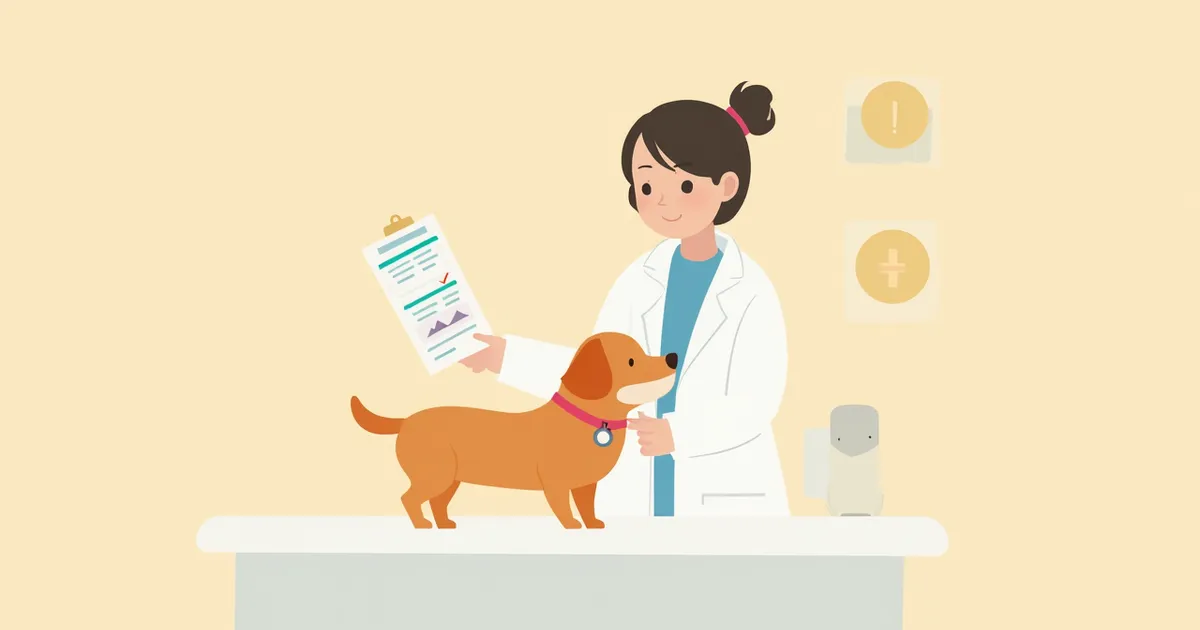
How to Read Your Dog’s Liver Enzyme Levels (ALT & ALP) and Normal Range Guide
We interpret your dog’s liver enzyme levels primarily through ALT and ALP. Here’s a concise summary of the key points every pet owner should know, including normal ranges, what elevated levels mean, and when to schedule a recheck.
What Exactly Are We Looking at in Your Dog’s Liver Enzyme Levels?

Meaning of the Four Key Liver Enzymes
Normal Range for Dog Liver Enzyme Levels
| Item | Normal Range | Notes |
|---|---|---|
| ALT (Alanine Aminotransferase) | 14–151 U/L | Marker of hepatocellular damage |
| ALP (Alkaline Phosphatase) | 13–289 U/L | Influenced by bile ducts, steroids, and growth phase |
| AST (Aspartate Aminotransferase) | Breed/laboratory-specific | Influenced by liver, muscle, and hemolysis |
| GGT (Gamma-Glutamyl Transferase) | Breed/laboratory-specific | Sensitive to bile duct damage |
| Albumin | 2.6–4.0 g/dL | Marker of hepatic synthetic capacity |
Based on veterinary pharmacology textbooks (Marshfield Clinic Veterinary Diagnostic Service standard). Normal ranges vary slightly between laboratories, so always check the reference values listed alongside your results report first.
How to Interpret Elevated Values
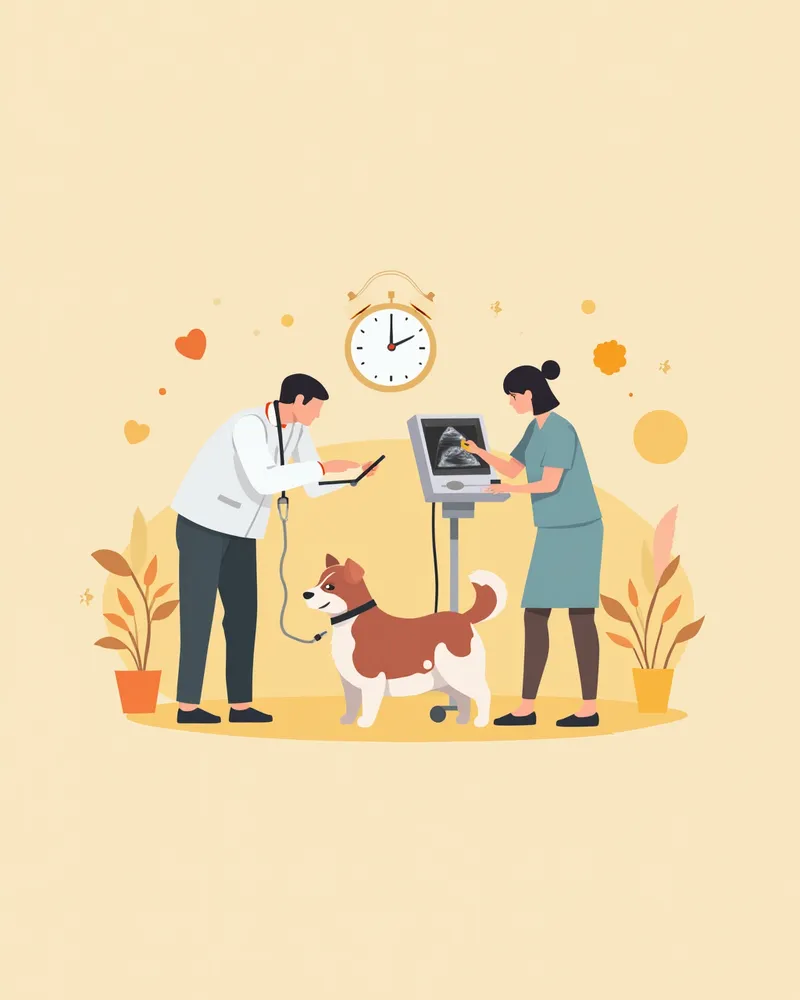
When to Go to the Vet Immediately
If abnormal lab values are accompanied by clinical signs, it’s an emergency regardless of how high the numbers are. - ALT is more than five times the upper limit of normal (suggesting active hepatocyte damage) - ALP is significantly elevated along with symptoms such as jaundice and loss of appetite (ALP can rise markedly without symptoms due to factors like steroid use, so an emergency shouldn’t be declared based on ALP alone) - Jaundice (yellowing of the gums and the whites of the eyes) - Sudden loss of appetite, vomiting, and diarrhea lasting more than 24 hours - Abdominal distension, lethargy, or seizures - Albumin below the normal range (a sign of reduced hepatic synthetic function) In particular, when jaundice and low albumin occur together, liver function may already be significantly compromised. Just as important as the magnitude of the lab values is the presence or absence of clinical signs when determining whether an emergency exists.
Seven Common Causes of Elevated Liver Enzyme Levels

Recheck Timing and Additional Tests
How should I keep track of test results?
Breed-Specific Points to Watch for Liver Enzyme Levels
Certain breeds require lifelong monitoring of liver enzyme levels. - Bedlington Terriers, West Highland White Terriers, Doberman Pinschers: Predisposed to hereditary copper-associated hepatopathy - Yorkshire Terriers, Maltese: Predisposed to portosystemic shunts (hepatic portosystemic shunts) — typically identified in young dogs alongside hypoalbuminemia and growth retardation - Cocker Spaniels: Predisposed to chronic hepatitis - Senior small-breed dogs: Increased incidence of cholelithiasis (gallstones) and cholangitis For these breeds, we recommend tracking liver health with routine blood tests once or twice a year.
Management Tips Pet Owners Can Do at Home

Reviewed by a veterinarian

Dr. Tony — Punnawat Phongkittirak
VeterinarianA veterinarian who majored in veterinary medicine at Khon Kaen University, Thailand, and completed the IVSA program at North Carolina State University in the United States. Drawing on clinical experience at animal hospitals, he works in the pet healthcare field and is dedicated to building a digital care environment that connects pet parents with veterinarians.
Reviewed 2026-05-05
Frequently Asked Questions
My pet’s ALT level is twice the upper limit of normal, but there are no symptoms. Does this require immediate treatment?
Your puppy’s ALP levels are higher than the normal upper limit.
My pet is on steroid medication, and their ALP levels have risen significantly.
Does a normal liver enzyme level mean your pet’s liver is 100% healthy?
Can I give my pet a supplement to lower liver enzyme levels?
Share
Related Guides

7 Key Symptoms and Management Essentials for Canine Cholecystitis Recommended by Veterinarians

Top 5 Milk Thistle (Silymarin) Liver Supplements for Dogs — A Comparison Guide Based on Silybin Content and Absorption Rates
Top Prescription Diets for Dogs with Liver Disease and Selection Criteria

Feline Obesity and Insulin Resistance FAQ — Key Information Every Pet Owner Should Know

What is Feline Hypoparathyroidism? — Hypocalcemia Symptoms and Management

Do Cats Need to Take Thyroid Medication for Life? — Drug Therapy Efficacy and Side Effects

My Cat Has High Blood Sugar — Is This a Sign of Diabetes? Causes and Tests
Feline Hyperaldosteronism FAQ — Key Information Every Pet Owner Should Know

Should Cats Undergo a Comprehensive Endocrine System Checkup? — A Complete Guide to Test Items and Timing

What is Feline Endocrine Hypertension? Early Detection Signs to Prevent Blindness and Kidney Failure
References
[1] Plumb's Veterinary Drug Handbook, 10th Edition — Chemistry: Companion/Small Animal Species Reference Values
[2] Fundamentals of Veterinary Clinical Pathology, 3rd Edition — Chapter 12 Enzymes
[3] Clinical Medicine of the Dog and Cat, 4th Edition — Hepatobiliary Disease Diagnostic Approach