Like
Share
멍실장
강아지 기관지경 검사 자주 묻는 질문 Q&A — 보호자가 꼭 알아야 할 핵심

Frequently Asked Questions About Canine Bronchoscopy — Key Information Every Pet Owner Should Know

RespiratoryQ&AMeongsiljang Veterinary Advisory Board

A bronchoscopy is a key diagnostic test for accurately identifying the cause of chronic coughing in dogs. We’ve compiled the essential information every pet owner should know in a Q&A format.

What Is a Canine Bronchoscopy?
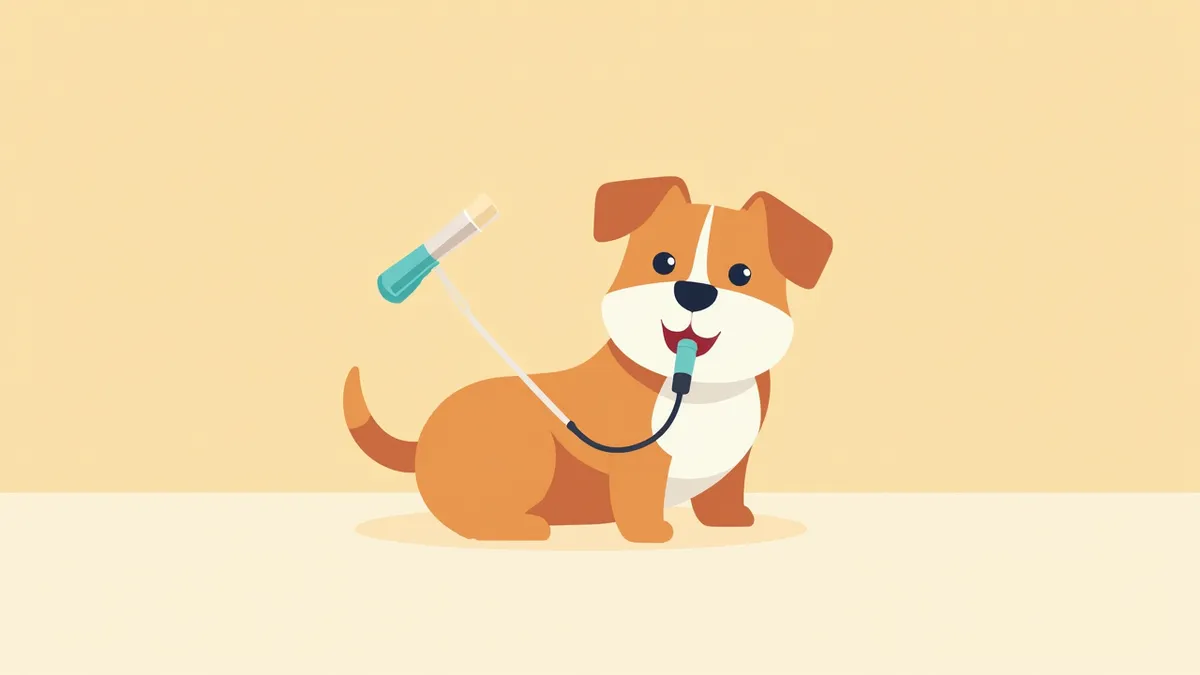
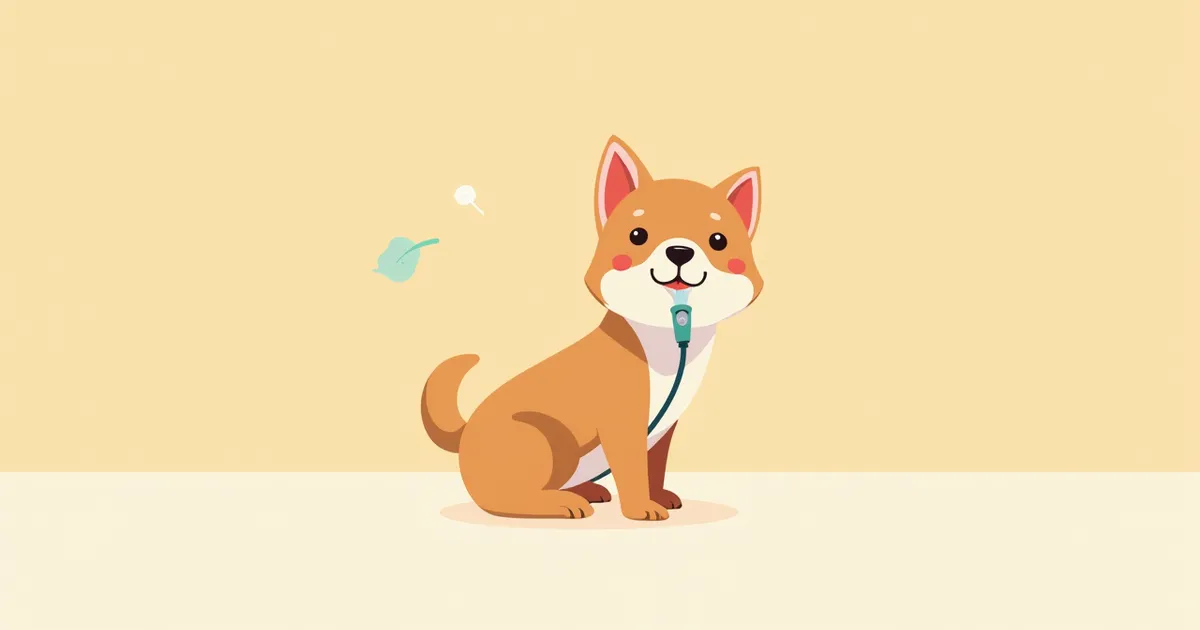
A view of a bronchoscope being inserted into a puppy's airway
A canine bronchoscopy is a diagnostic procedure performed under anesthesia using specialized equipment to directly visualize the interior of the trachea and bronchi. - Identifying the cause of coughing: It plays a key role in determining the exact cause of chronic coughing. - Assessing bronchial structure: Bronchoscopy is considered the "standard test" for evaluating airway structure, allowing direct observation and assessment of dilation, inflammation, parasites, and lesions within the bronchi. - Direct visualization: It enables visual confirmation of the internal state of the bronchi and evaluation of abnormal findings such as inflammation or lesions. - Sample collection: If necessary, bronchoalveolar lavage (BAL) can be performed to collect lavage fluid for cytology and bacterial or Mycoplasma culture, helping to more clearly identify the disease. The procedure is conducted under anesthesia, so your dog will not experience pain.

Why Is a Bronchoscopy Necessary?

Coughing can be caused by a variety of factors, including infections, bronchial sclerosis, parasites, and cancer. - Limitations of initial diagnosis: Chest X-rays alone may not provide a clear view of the internal condition of the bronchi. - Persistent coughing: If the cough persists, is dry, or is followed by repeated vomiting, further testing may be recommended. - Accurate identification of the cause: Testing allows for direct visualization of lesions, inflammation, or parasites within the bronchi. - Developing a treatment plan: An accurate diagnosis is essential for determining the most effective course of treatment. Testing is a key step in clearly identifying the underlying cause.
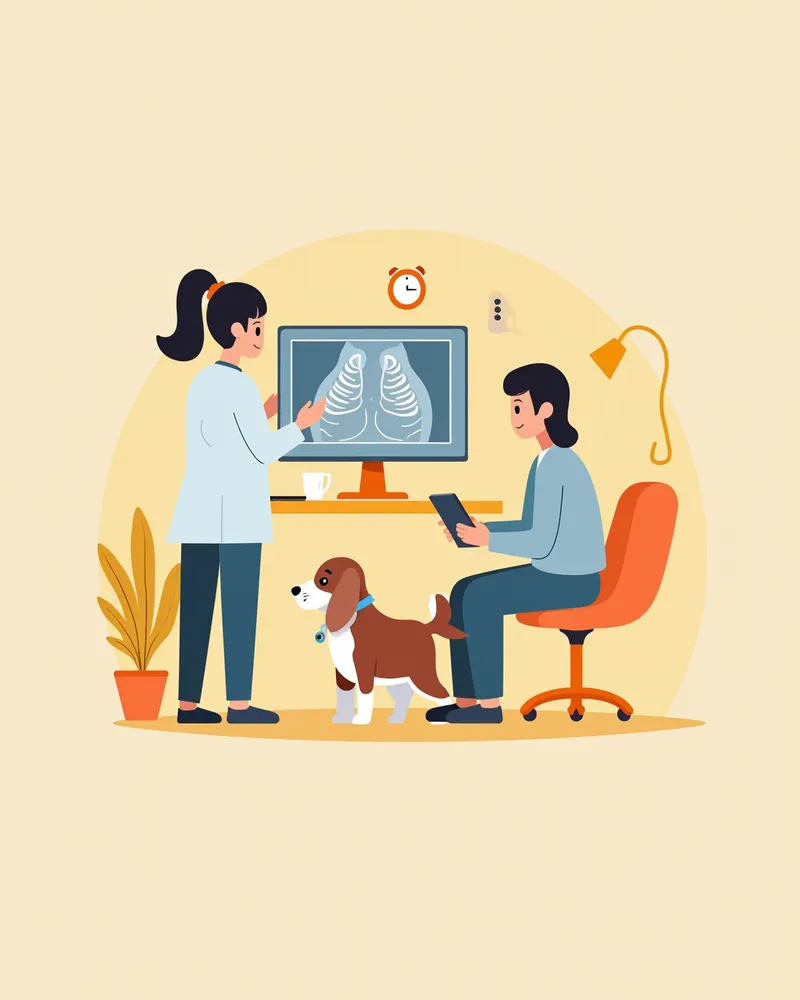
A veterinarian reviewing bronchoscopy images.

How Is the Procedure Performed?

The procedure is performed under anesthesia. - Pre-anesthetic assessment: We conduct pre-procedure tests to ensure anesthesia safety and provide ample oxygen via a mask immediately before the exam. - Anesthesia administration: The veterinarian selects an anesthetic protocol that minimizes stress on the heart and lungs to ensure a safe induction. - Bronchoscope insertion: A bronchoscope is inserted into the airway to allow direct visualization of the bronchial interior. - Lavage and sampling: If necessary, we perform bronchoalveolar lavage (BAL) by instilling a lavage solution to collect samples for analysis of bacteria, inflammatory cells, parasites, and other pathogens. - Recovery management: After the bronchoscopy, supplemental oxygen is provided while closely monitoring the patient’s emergence from anesthesia until airway reflexes return to normal. Food intake is temporarily withheld during this period.
A puppy recovering after anesthesia

Is There Any Pain?

The procedure is performed under anesthesia, so your dog won’t feel any pain. - Anesthesia safety: Your veterinarian will minimize anesthesia risks through pre-anesthetic testing and continuously monitor oxygen saturation and blood pressure throughout the procedure. - Post-recovery reactions: Temporary coughing or throat soreness may occur after anesthesia, but these symptoms typically resolve within 1–2 days. - Potential respiratory stress: Almost all dogs undergoing bronchoscopy may experience temporary respiratory strain during the procedure, so oxygen support and close monitoring are essential during the recovery period. - Owner guidance: Although the procedure is performed by an experienced veterinarian using specialized equipment, it can place some stress on the respiratory system. Therefore, thorough pre- and post-procedure care is provided to ensure safety.
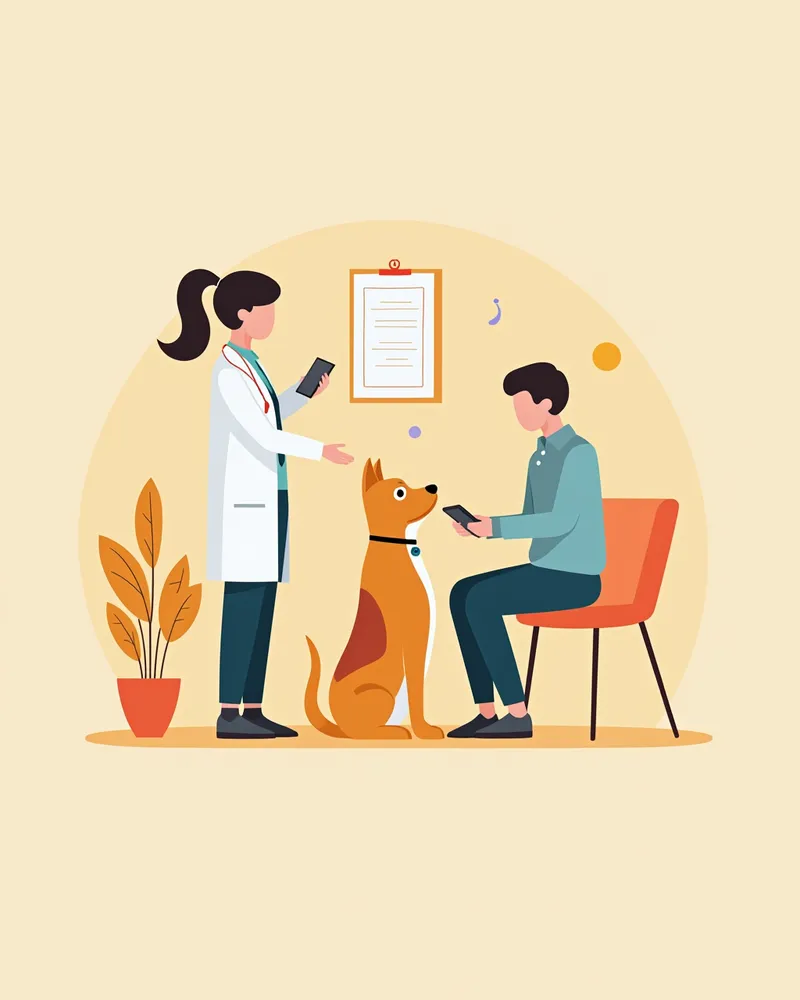
A veterinarian explaining the bronchoscopy procedure to a pet owner.

When to Visit the Clinic Immediately

If your pet experiences difficulty breathing, persistent coughing, coughing up blood, remains unconscious for more than six hours after anesthesia, or continues to have a poor appetite, please contact the clinic immediately. These could be signs of complications. Small-breed dogs, in particular, may recover more slowly from anesthesia, so extra care is needed.

Comparison of Tests by Cause of Coughing

ItemMain TestCharacteristics
BronchiectasisBronchoscopyCan confirm dilation of the bronchial interior and loss of normal tapering
Parasitic infectionBronchoscopy + lavage (BAL)Can confirm parasites and associated inflammatory findings in the bronchi
BronchitisBronchoscopy + lavage (BAL)Can analyze inflammatory cells and bacteria
CancerCytology/biopsy + imagingCan confirm tumors within the bronchi

Test selection depends on symptoms and the veterinarian's judgment.

Post-Procedure Care Tips
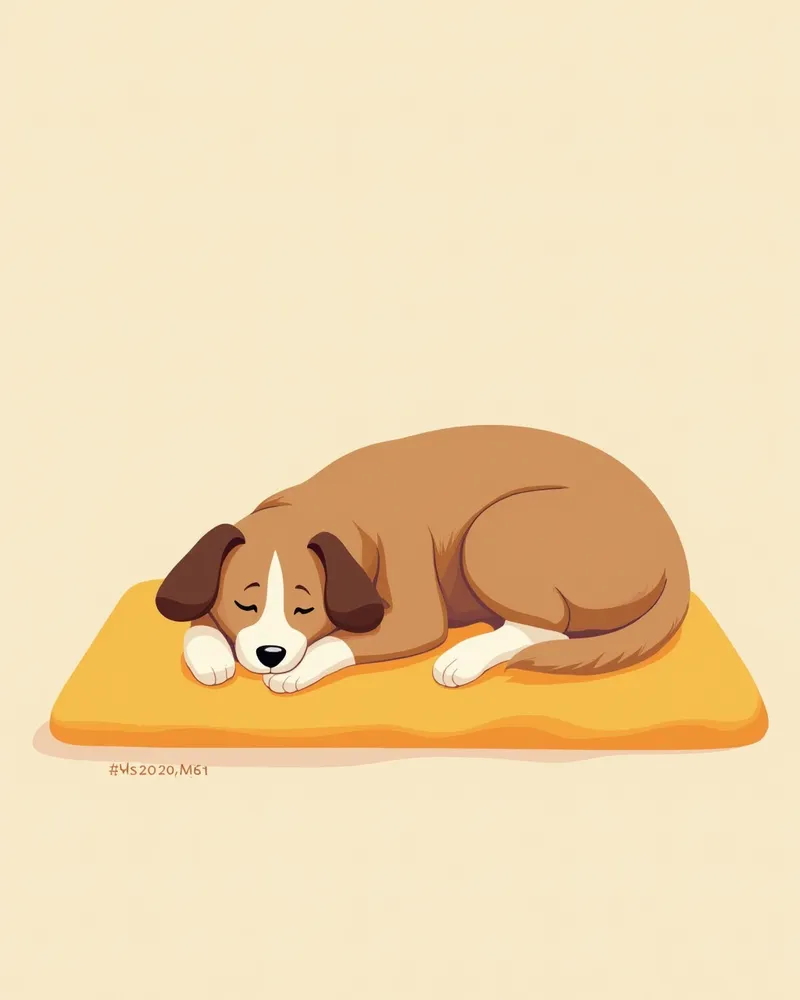
Withhold food and water for 1–2 hours after the procedure, then offer small amounts once your pet has recovered from anesthesia. - Limit activity: Reduce physical activity for 1–2 days after anesthesia and allow your pet to rest in a quiet environment. - Monitor for coughing: Contact your veterinarian immediately if coughing worsens or persists. - Check breathing: Seek veterinary care if you notice rapid or labored breathing. - Review results: Test results are typically available within 3–5 days, at which point you can discuss a treatment plan with your veterinarian.
A puppy resting after the examination.

Reviewed by a veterinarian

Dr. Tony — Punnawat Phongkittirak

Dr. Tony — Punnawat Phongkittirak

Veterinarian

A veterinarian who majored in veterinary medicine at Khon Kaen University, Thailand, and completed the IVSA program at North Carolina State University in the United States. Drawing on clinical experience at animal hospitals, he works in the pet healthcare field and is dedicated to building a digital care environment that connects pet parents with veterinarians.

Frequently Asked Questions

How often should bronchoscopy be performed?
It’s often performed just once to identify the cause. If symptoms recur or worsen, additional tests may be necessary based on the veterinarian’s assessment.
Do I need to fast my pet before the test?
Yes, fasting for 8 to 12 hours before the test is required. This helps prevent nausea during anesthesia. Water can be given up to 2 hours before the test.
Even though the cough has improved, is testing still necessary?
Yes, even if the cough seems to have improved, it can recur if the underlying cause isn’t properly identified. Testing is essential for an accurate diagnosis.
How much does a bronchoscopy cost?
Test costs vary depending on the clinic and location. Generally, they range from $100 to $200. If a biopsy is required, the cost may be higher.
What should I do if my dog continues to cough after the examination?
A mild cough may occur for 1–2 days after the procedure. However, if it persists or worsens, please contact your veterinarian, as this could be a sign of inflammation or irritation.

Share

Related Guides

References

[1] Lynelle R. Johnson, DVM, MS, PhD, Dipl ACVIM (SAIM). Small Animal Critical Care Medicine, 3rd Ed. Elsevier, 2023.

[2] Canine and Feline Respiratory Medicine, 3rd Edition. Elsevier, 2022.

[3] The Veterinary Workbook of Small Animal Clinical Cases. Wiley-Blackwell, 2021.

This information is based on veterinary literature and does not replace diagnosis or treatment. Please consult a veterinarian for specific health concerns.

Metapet Co., Ltd. | CEO: Park Sung-yong | Business Reg. No. 417-88-02562 | Seoul, South Korea | Customer Center

Canine Bronchoscopy FAQ: What Every Dog Owner Should Know | Meongsiljang