
How to Distinguish Between Play and Aggression in Dogs: Stop When You See These Signs
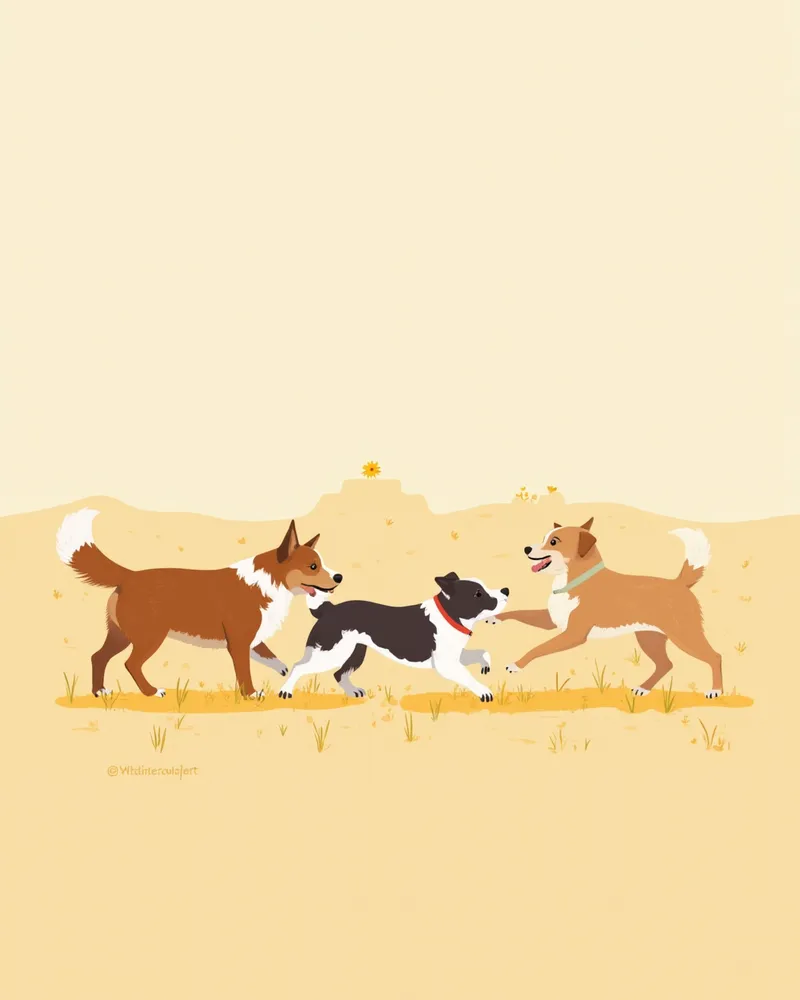
Play and aggression in dogs can be distinguished by differences in body language, vocalizations, and speed. Play bows, a relaxed mouth, and role-switching are all signs of play.
What’s the Difference Between Play and Aggression?
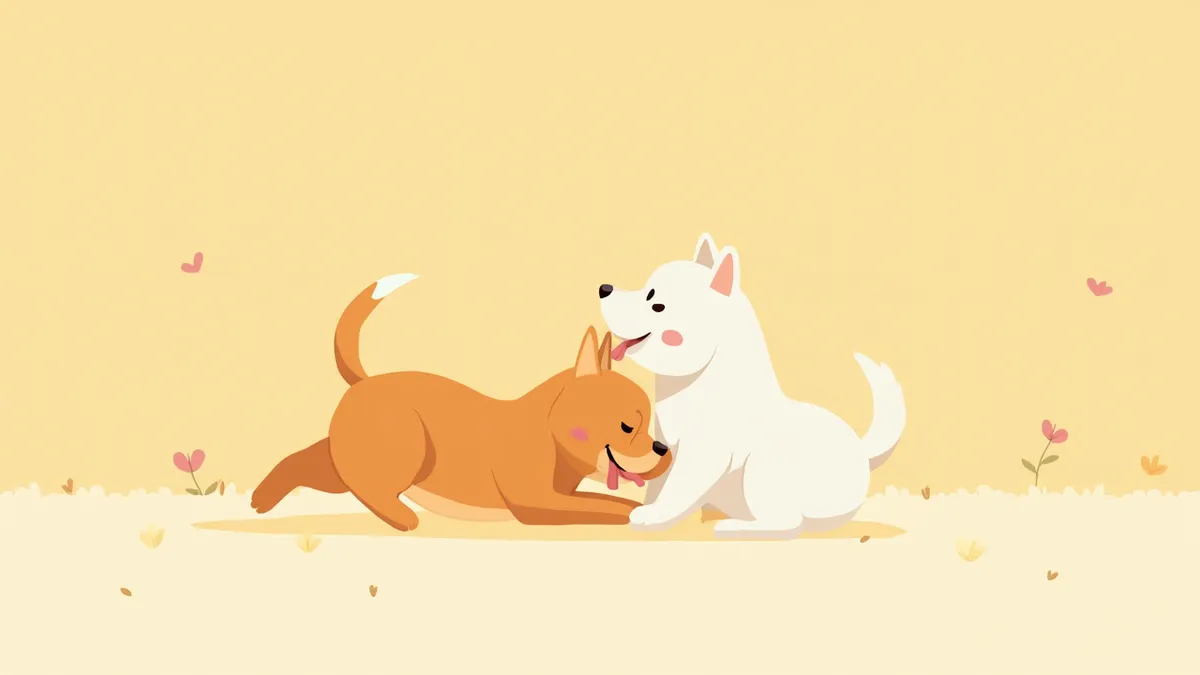
7 Signs of Play — If You See These, It’s Real Play
Play vs. Aggression Comparison Chart
| Item | Play Behavior | Aggressive Behavior |
|---|---|---|
| Body tension | Loose and floppy | Stiff and rigid |
| Mouth shape | Corners pulled back, tongue exposed | Lips curled up, teeth and gums exposed |
| Tail position | Mid-height, wagging broadly | Raised high or tucked between the legs |
| Sound | Low, short play growl | Low, prolonged warning sound |
| Roles | Alternating turns | One side attacking one-sidedly |
| Pace control | Frequently stopping and restarting | Attacking continuously without rest |
| Fur | Flat | Neck and back fur raised (hackling) |
If two or three or more aggression signals overlap, separate them immediately
What Is “Play Aggression,” the Most Confusing Behavior?
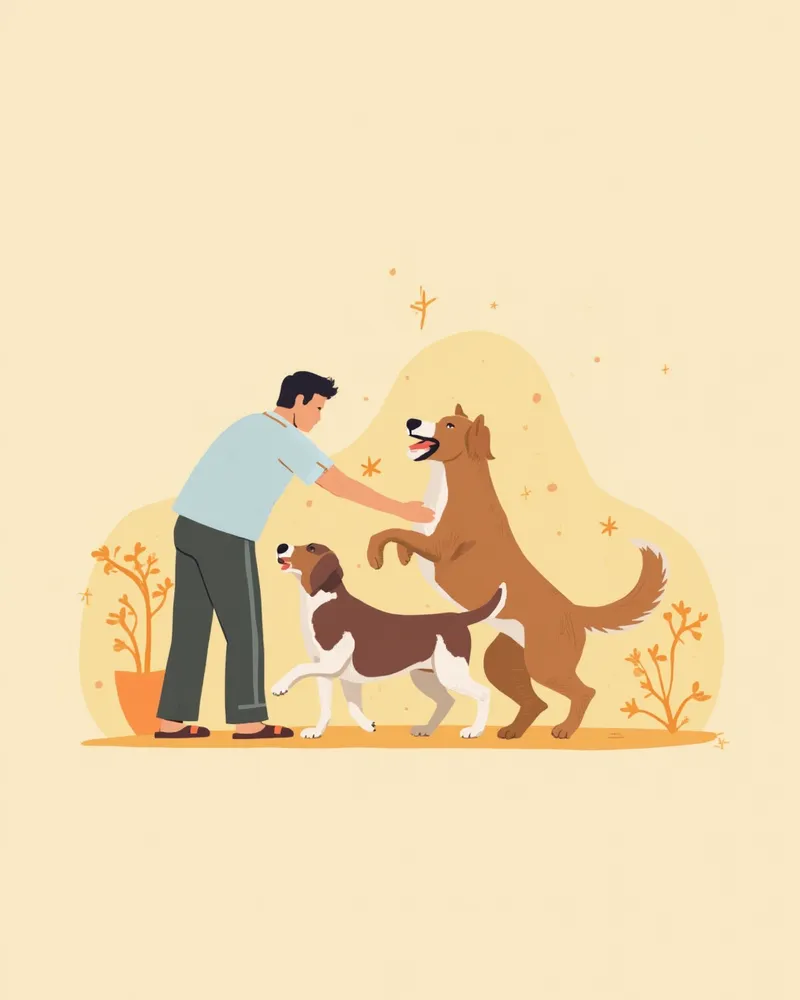
Aggression Signs That Require Immediate Separation
If you notice the following signs, it’s not play—it’s a real fight. Redirect their attention with a call or whistle and separate them. Avoid using your hands to intervene, as you risk being bitten; instead, use a leash or a barrier. After separating them, keep them completely out of sight of each other until their excitement subsides. Piloerection (raised hackles): The fur on the neck and back stands stiffly upright. Full tooth exposure: The lips are fully retracted, revealing the gums. Continuous growling: A low, unbroken warning sound. One-sided flight without role reversal: One dog is constantly fleeing, with no counterattacks or switching of roles. Repeated yelping: The bitten dog continues to emit sharp cries without stopping.
How to Stop It: Situation-Specific Response Strategies
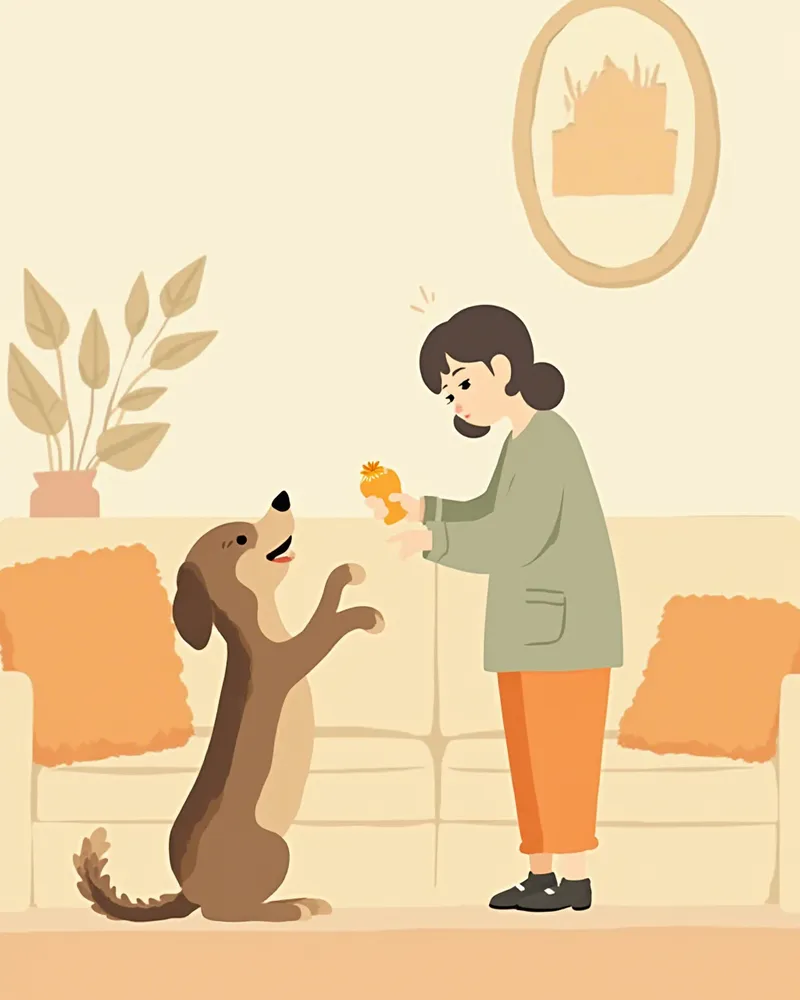
Socialization Tips to Prevent Play Aggression
During the critical early socialization period, safe interactions with a variety of other puppies help dogs naturally learn "stop signals." Puppies raised in isolation during this window may struggle to regulate play intensity even as adults. Enrolling in puppy kindergarten or puppy classes can be beneficial. For adult dogs, arrange short, frequent meetings with companion dogs of similar size and temperament.
Know the Differences in Play Styles by Breed
Reviewed by a veterinarian

Dr. Tony — Punnawat Phongkittirak
VeterinarianA veterinarian who majored in veterinary medicine at Khon Kaen University, Thailand, and completed the IVSA program at North Carolina State University in the United States. Drawing on clinical experience at animal hospitals, he works in the pet healthcare field and is dedicated to building a digital care environment that connects pet parents with veterinarians.
Reviewed 2026-04-23
Frequently Asked Questions
Is it okay if my puppies growl while playing?
One keeps mounting the other—should I stop it?
Should small and large dogs not play together?
My pet bit me while playing, and it left a wound. Is this aggressive behavior?
Can play aggression be corrected with training if it keeps happening?
Share
Related Guides
7 Behavioral Enrichment Strategies for Mental Stimulation Recommended by Veterinarians
Top 5 Calming Supplements for Dogs and Cats in 2026
L-Theanine Effects and Calming Support
Is Your Cat’s Bad Breath a Sign of Cancer? — Suspected Symptoms of Oral Squamous Cell Carcinoma and an Early Detection Checklist
Can Cats Wear Tick Collars? — Ingredient Checklist to Prevent Permethrin Poisoning
Cat Antifreeze Poisoning — Why It Progresses Faster Than in Dogs
My Cat Ate Ibuprofen — Key Emergency Response for Kidney Failure and Stomach Bleeding
Canine Cannabis (THC) Exposure Emergency — Key Differences from CBD
Antifreeze Poisoning in Dogs — Why Even a Single Lick Can Be Fatal
What to Do If Your Dog Ingests Ibuprofen: Emergency Response for GI Bleeding and Kidney Failure
References
[1] Horwitz D, Mills D. BSAVA Manual of Canine and Feline Behavioural Medicine, 2nd ed., BSAVA, 2009
[2] Landsberg G, Hunthausen W, Ackerman L. Behavior Problems of the Dog and Cat, 3rd ed., Saunders, 2013
[3] Bekoff M. Play signals as punctuation: the structure of social play in canids. Behaviour, 1995
[4] Overall KL. Manual of Clinical Behavioral Medicine for Dogs and Cats, Elsevier, 2013