Like
Share
멍실장
고양이 ACE 억제제 심장 자주 묻는 질문 Q&A — 보호자가 꼭 알아야 할 핵심

Are ACE Inhibitors Necessary for Cats? — Key Q&A on Heart Medication Effects and Side Effects

HeartQ&AMeongsiljang Veterinary Advisory Board

Here’s a clear summary of the essential information pet owners need to know about ACE inhibitors used in treating feline heart disease. Learn about administration, side effects, and precautions at a glance.

Essential Information on ACE Inhibitors for Cat Heart Health
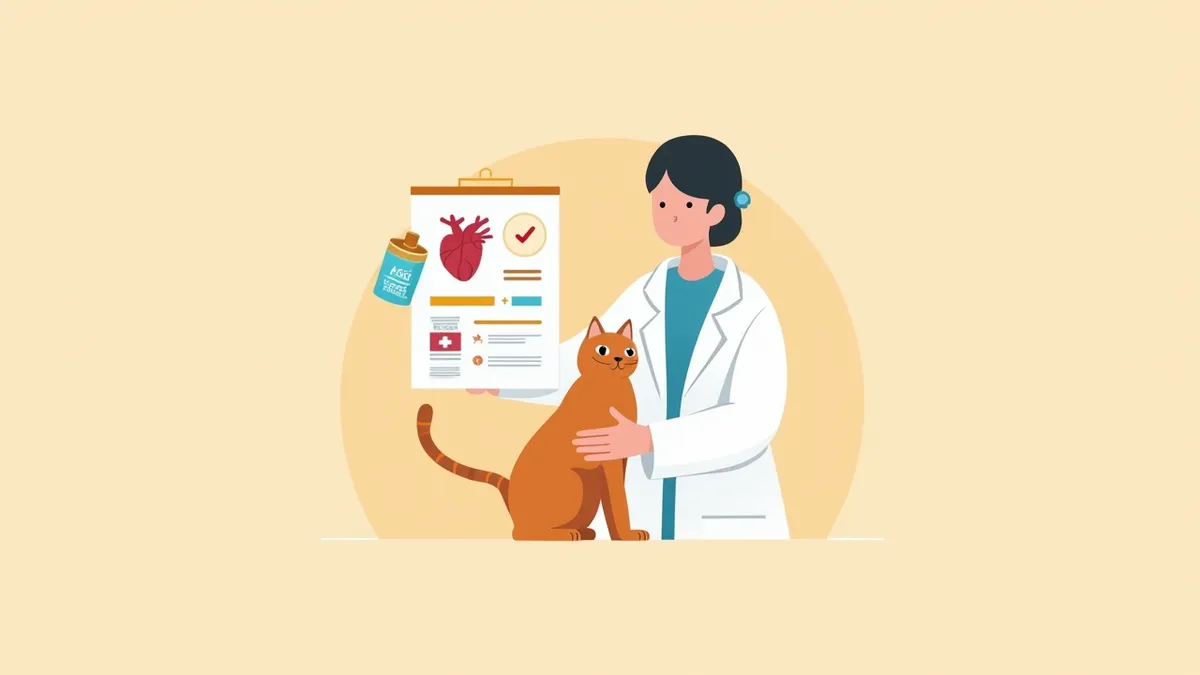
A veterinarian checks a cat’s heart health and medication prescription.
ACE inhibitors for cats are medications used to improve heart function and manage high blood pressure. - How ACE inhibitors work: They dilate blood vessels, making it easier for the heart to pump blood. - Purpose of use: They help reduce the workload on the heart and slow the progression of heart failure. - Treatment duration: Long-term management is required rather than short-term use. - Regular check-ups are essential: Blood pressure and kidney function should be monitored periodically. - Caution with drug interactions: Side effects may occur when combined with other medications, so consult your veterinarian.

Why Are ACE Inhibitors Effective for Cat Hearts?
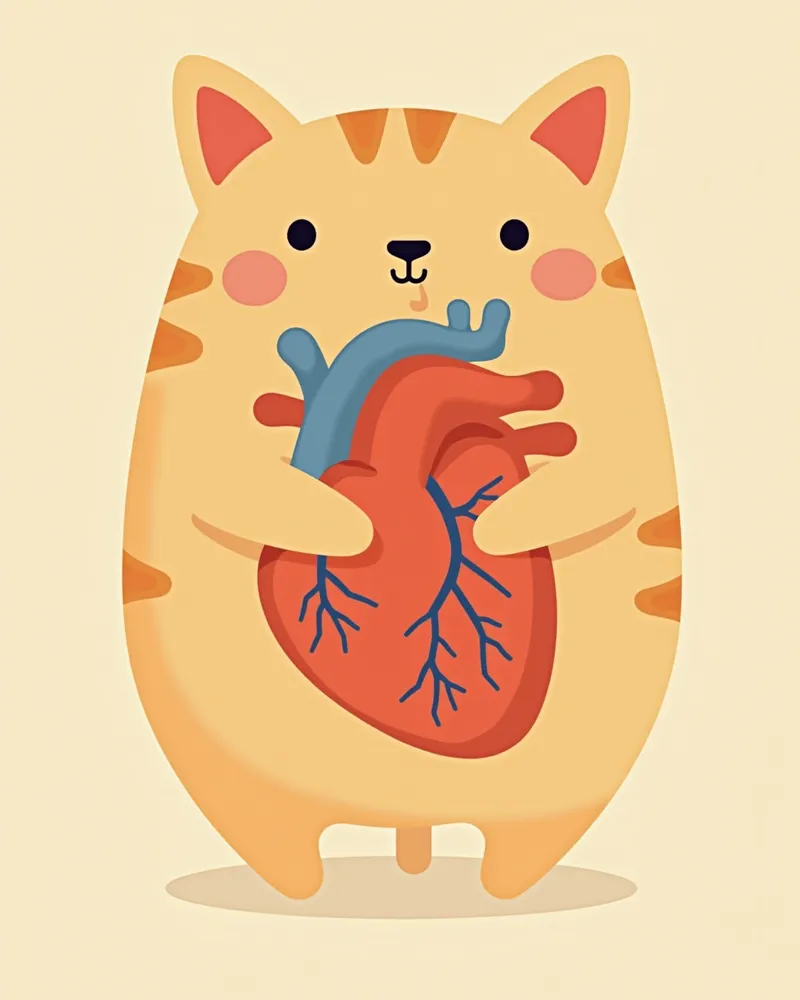
ACE inhibitors work by blocking the production of angiotensin II, a substance that constricts blood vessels, thereby helping to dilate the vessels. - Vasodilation effect: Lower blood pressure reduces the workload on the heart. - Improved cardiac function: The heart can circulate blood with less effort. - Slowing heart failure progression: They can help delay the progression of chronic heart failure. - Especially beneficial cases: In cats with hypertrophic cardiomyopathy (HCM) or heart failure, they are used as a key component of treatment, often alongside diuretics. - Treatment goal: The aim is not a cure, but rather to alleviate symptoms and reduce cardiac strain to maintain quality of life.
An anatomical diagram of a cat’s heart showing dilated blood vessels due to the action of ACE inhibitors

5 Precautions When Administering ACE Inhibitors to Cats
Here’s a summary of what cat owners need to know when their cats are taking ACE inhibitors. Learn about proper administration and potential side effects.
Regular check-ups are essential: Blood pressure, kidney function, and potassium levels should be monitored periodically, as these medications can affect kidney function and electrolyte balance.
Maintain a consistent dosing schedule: ACE inhibitors are typically prescribed once or twice daily. Try to administer the medication at the same time each day and avoid skipping doses.
Relationship with meals: Benazepril, a commonly used ACE inhibitor, has an absorption rate of about 40% and is not significantly affected by food. However, if your cat experiences stomach discomfort when taking it on an empty stomach, you can give it with meals. Always follow your veterinarian’s instructions regarding timing.
Watch for side effects: If your cat shows gastrointestinal symptoms like vomiting or loss of appetite, or signs of weakness or unsteadiness (which may indicate low blood pressure), contact your veterinarian immediately.
Drug interactions: Always inform your veterinarian if your cat is taking other medications. Combining ACE inhibitors with potassium-sparing diuretics or NSAIDs can increase the risk of low blood pressure and high potassium levels.
A scene showing a cat adhering to its medication schedule, with the medicine bottle in view.

Seek Immediate Veterinary Care for Sudden Drops in Blood Pressure

If your cat collapses, experiences muscle tremors, or becomes disoriented after taking medication, seek immediate veterinary care. These symptoms may indicate dangerously low blood pressure, requiring prompt intervention by a veterinarian.

Differences Between ACE Inhibitors and Other Heart Medications
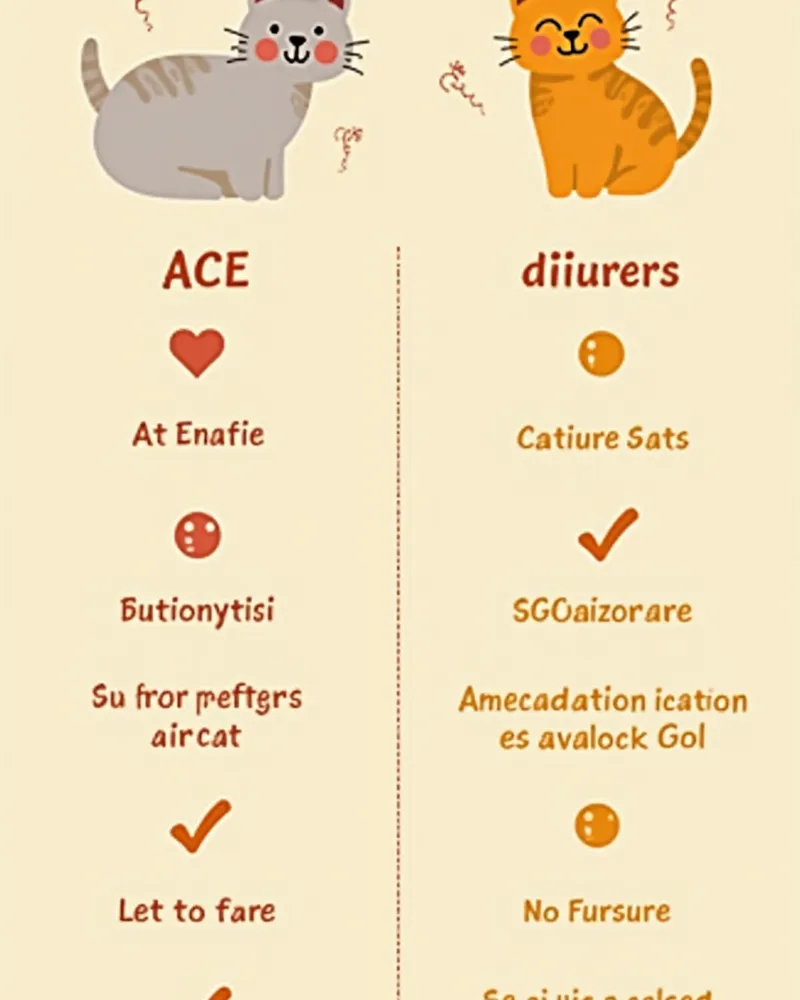
ACE inhibitors are medications specifically designed to lower blood pressure by dilating blood vessels. - Characteristics of ACE inhibitors: They are effective in reducing the workload on the heart and slowing the progression of heart failure. - Differences from calcium channel blockers: Calcium channel blockers, such as amlodipine, primarily lower blood pressure by dilating blood vessels and are commonly used as a first-line treatment for hypertension in cats. Some calcium channel blockers, like diltiazem, can also slow the heart rate. - Role of diuretics: Diuretics remove excess fluid from the body, thereby reducing cardiac congestion and easing the burden on the heart. - Need for combination therapy: Using multiple medications together allows for comprehensive heart management. - Veterinary judgment is key: Your veterinarian will determine the appropriate combination of medications based on your cat’s specific condition.
Comparison Chart of Feline Heart Medications

3 Mistakes to Avoid When Administering ACE Inhibitors to Cats
Here are some common mistakes pet owners make while administering medication. Avoiding these will significantly improve treatment outcomes.
Stopping medication prematurely: Owners often stop giving medication once symptoms improve. However, heart disease requires ongoing management. Stopping medication without your veterinarian’s guidance can be dangerous.
Adjusting the dose on your own: Never ignore the dosage prescribed by your veterinarian by giving more or less than directed. Incorrect dosages can lead to side effects such as low blood pressure.
Not monitoring your pet after medication: ACE inhibitors reach their peak effect within two hours of administration, and in rare cases, may cause an excessive drop in blood pressure. After giving the medication, watch for signs of lethargy or unsteadiness. If you notice any abnormalities, contact your veterinarian immediately.
A cat resting quietly after taking its medication.

ACE Inhibitors vs. Calcium Channel Blockers vs. Diuretics — Comparing Cat Heart Medications

ItemMain ActionMain IndicationsPrecautions
ACE InhibitorsVasodilation, blood pressure reductionChronic heart failure, heart disease (systemic hypertension is mainly a first-line choice in dogs)Kidney function/potassium levels need monitoring; report immediately if side effects such as hypotension occur
Calcium Channel BlockersVasodilation (blood pressure reduction)Systemic hypertension (amlodipine is the first-line drug in cats)Amlodipine has little effect on heart rate, but some such as diltiazem can slow heart rate
DiureticsRemove body fluid, reduce cardiac burdenHeart failure, edema (congestion)Beware of dehydration; possibility of electrolyte imbalance

The veterinarian may prescribe combinations depending on the patient's condition. Always consult before administering.

Contact Your Veterinarian Immediately If Your Cat Loses Appetite or Becomes Excessively Sleepy After Medication

If your pet loses its appetite, seems excessively sleepy, or is unusually lethargic after taking medication, please inform your veterinarian right away. These could be signs of side effects that may require immediate attention.

Reviewed by a veterinarian

Dr. Tony — Punnawat Phongkittirak

Dr. Tony — Punnawat Phongkittirak

Veterinarian

A veterinarian who majored in veterinary medicine at Khon Kaen University, Thailand, and completed the IVSA program at North Carolina State University in the United States. Drawing on clinical experience at animal hospitals, he works in the pet healthcare field and is dedicated to building a digital care environment that connects pet parents with veterinarians.

Frequently Asked Questions

Should I be careful about my cat’s diet while it’s taking an ACE inhibitor?
Benazepril, a representative ACE inhibitor, is well absorbed whether given with or without food. However, it may cause stomach upset if administered on an empty stomach, so it’s safest to follow your veterinarian’s instructions regarding the timing of administration.
What should I do if I missed a dose of medication?
If you miss a dose, simply give the next one at the regular scheduled time. Never double up on doses. Please inform your veterinarian.
Can I give my cat other medications while it is taking this one?
Some medications can cause dangerously low blood pressure or elevated potassium levels when taken alongside ACE inhibitors (particularly potassium-sparing diuretics and NSAIDs). Always consult your veterinarian before administering any other medications.
Can my cat die while taking medication?
The medication itself won’t cause death. Most cases of overdose result in mild effects, but improper use or severe hypotension can be dangerous. Proper administration and management are essential.
Does my cat's quality of life decline while taking medication?
On the other hand, medication can reduce the burden on the heart, alleviate symptoms, and allow for a more comfortable life. If there are no side effects, the quality of life may actually improve.

Share

Related Guides

References

[1] Plumb's Veterinary Drug Handbook, 9th Edition, 2022

[2] Feline Emergency and Critical Care Medicine, 2nd Edition, 2021

[3] Handbook of Veterinary Pharmacology, 2020

This information is based on veterinary literature and does not replace diagnosis or treatment. Please consult a veterinarian for specific health concerns.

Metapet Co., Ltd. | CEO: Park Sung-yong | Business Reg. No. 417-88-02562 | Seoul, South Korea | Customer Center

Do Cats Need ACE Inhibitors? Effects & Side Effects Q&A | Meongsiljang