

Can Immunocompromised Individuals Keep Pets? — Infection Risks and Essential Safety Guidelines
Even people with weakened immune systems can safely enjoy pet ownership by following proper hygiene practices and staying up to date on vaccinations. Here’s a summary of key measures to prevent zoonotic diseases and ensure safe pet care.
Can Immunocompromised Individuals Keep Pets?
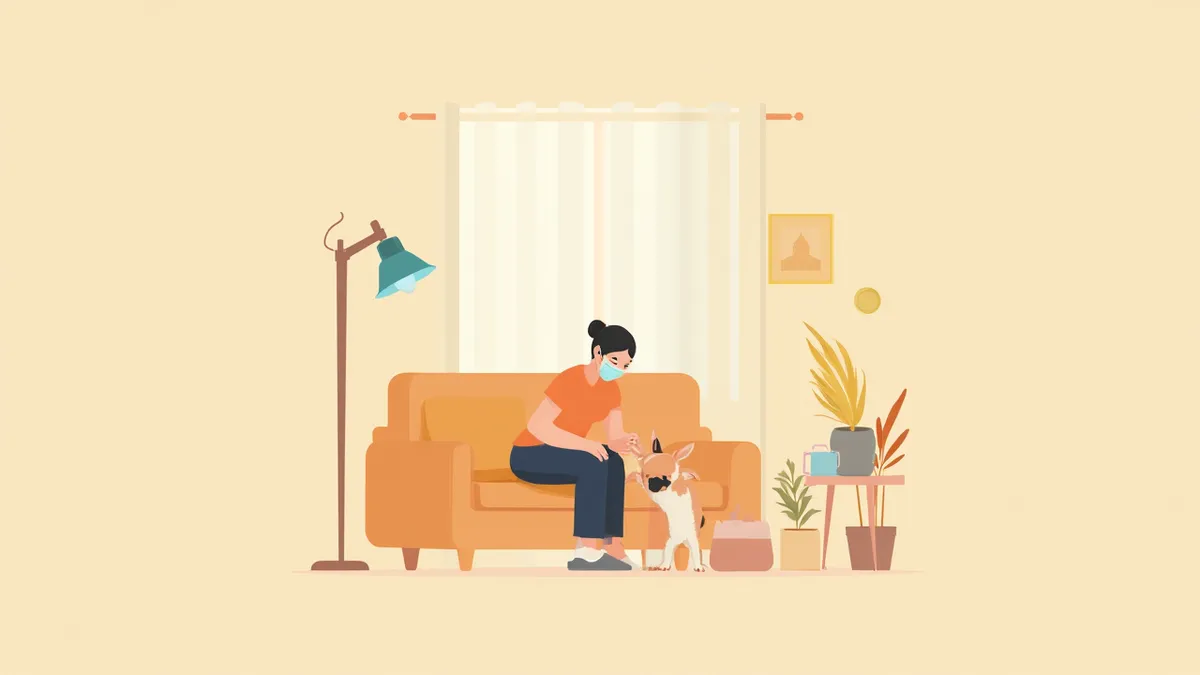
Why Is Pet Management More Important for Immunocompromised Individuals?
Major Zoonotic Diseases and Transmission Routes
| Item | Main transmission route | Key to prevention |
|---|---|---|
| Toxoplasmosis | Oocysts in cat feces | Pregnant women and immunocompromised individuals should not clean up feces |
| Salmonella/Campylobacter | Raw food diets and pet feces | Avoid raw food diets, wash hands |
| Reptile salmonella | Contact with turtles and lizards | Reptile keeping not recommended for immunocompromised individuals |
| Cat scratch disease (Bartonella) | Cat claws and saliva | Flea prevention, be careful not to get scratched |
| Ringworm (dermatophytosis) | Direct skin contact | Early treatment of pet skin abnormalities |
Based on the U.S. Centers for Disease Control and Prevention (CDC) guidelines for immunocompromised individuals
Risk Levels by Pet Type

Situations Requiring Immediate Veterinary or Medical Attention
If you experience any of the following symptoms, be sure to inform your doctor about your contact with your pet and seek medical attention: a persistent fever above 38°C, diarrhea or vomiting lasting more than 48 hours, bites or deep scratches from your pet, red skin spots that are enlarging, or fever accompanied by coughing or difficulty breathing. For individuals with compromised immune systems, infections can rapidly progress to sepsis. Even if symptoms resemble a common cold, always share your history of pet contact with your healthcare provider.
Essential Hygiene Practices for Daily Life
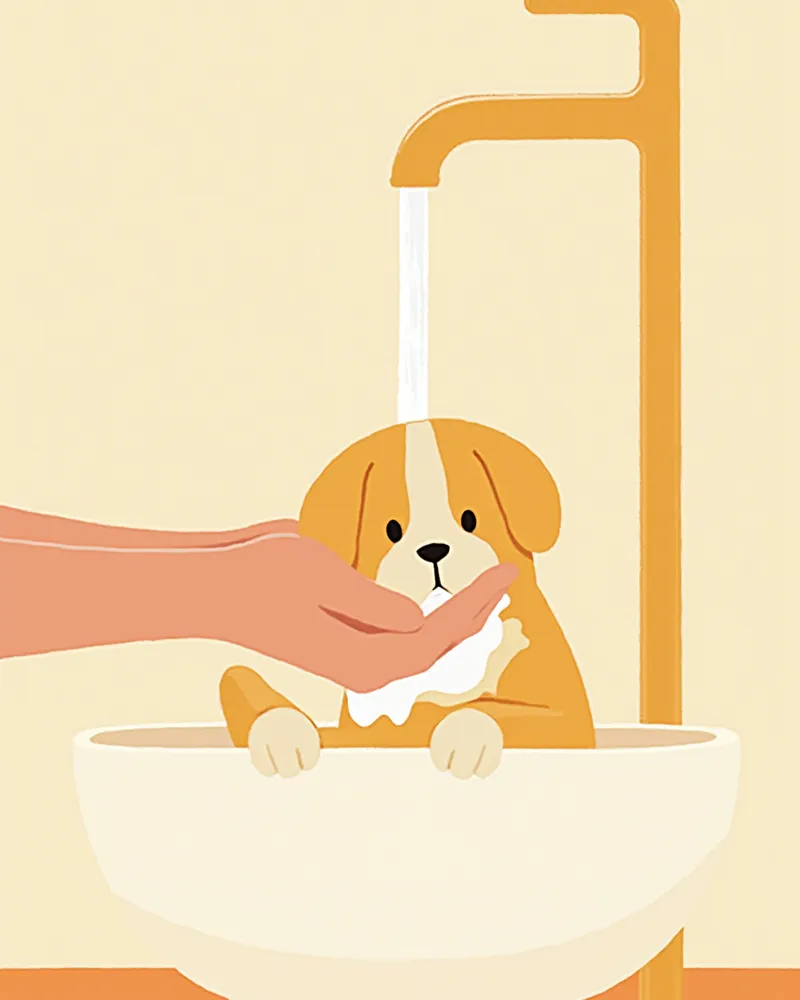
Pet Health Care Is Caregiver Health Care
Special Precaution Periods During Cancer Treatment and Immediately After Transplantation
During chemotherapy for cancer, within 100 days after a hematopoietic stem cell transplant, or within six months after an organ transplant, your immune system is significantly compromised. During these periods, it is advisable to postpone adopting a new pet and to manage contact with your existing pets according to your physician’s guidance. It is safer to have other family members handle the cleanup of your pet’s feces, urine, saliva, and fur. If possible, consider keeping your pet in a separate room or restricting its access to your bedroom during this time.
Reviewed by a veterinarian

Dr. Tony — Punnawat Phongkittirak
VeterinarianA veterinarian who majored in veterinary medicine at Khon Kaen University, Thailand, and completed the IVSA program at North Carolina State University in the United States. Drawing on clinical experience at animal hospitals, he works in the pet healthcare field and is dedicated to building a digital care environment that connects pet parents with veterinarians.
Reviewed 2026-04-29
Frequently Asked Questions
I am undergoing cancer treatment. Should I send the cat I've been raising to live with another family?
Which is safer for immunocompromised people, dogs or cats?
Is it safe for my pet to lick my face?
Is it okay to adopt a new pet?
Are there any vaccinations that pets must receive besides rabies?
Share
Related Guides

Primary vs. Secondary Veterinary Hospitals: A Comparison

5 Easy-to-Raise Cat Breeds for First-Time Owners — Grooming Difficulty Comparison

Top 7 Short-Legged Dog Breeds

Cat Spray Marking FAQ — Key Points Every Owner Should Know

Can Cats Get Separation Anxiety? — How to Help Your Cat Who Cries When Left Alone
Are Cat Steroids Really Dangerous? — A Complete Guide to Side Effects and Safe Use

Are Dog Steroids Really Dangerous? — A Guide to Side Effects and Safe Use
When is a cat blood transfusion absolutely necessary? — From anemia and blood type testing to the golden hour

Complete Guide to Post-Neutering Recovery for Cats — Key Points for Pet Owners

Complete Guide to Post-Neutering Recovery for Dogs — Key Points for Pet Owners
References
[1] Tizard, I.R., Veterinary Immunology, 11th Edition, Elsevier, 2021
[2] CDC, Healthy Pets Healthy People - Immunocompromised Persons Guidelines, 2023
[3] Stull, J.W. et al., Reducing the risk of pet-associated zoonotic infections, CMAJ, 2015