Like
Share
멍실장
고양이 복수와 간 질환 자주 묻는 질문 Q&A — 보호자가 꼭 알아야 할 핵심

If Your Cat’s Belly Is Distended — Ascites and Liver Disease: Warning Signs You Must Not Miss

Liver HealthQ&AMeongsiljang Veterinary Advisory Board

Ascites in cats is one of the key signs of liver disease. It is caused by decreased protein levels and increased pressure due to impaired liver function. Early detection and management are crucial.

Feline Ascites Is a Key Sign of Liver Disease
A cat showing signs suggestive of ascites
Feline ascites is a condition in which fluid accumulates in the abdominal cavity, and it can arise from various causes. When liver function declines, the body cannot produce enough proteins such as albumin, leading to reduced intravascular oncotic pressure and allowing fluid to leak into the abdominal cavity. Additionally, conditions like cirrhosis or chronic hepatitis can cause portal hypertension—an increase in blood pressure within the vessels leading to the liver—which may also result in ascites. However, in young cats, infectious peritonitis (FIP) is reported as the most common cause of ascites, rather than liver disease, and heart problems such as congestive heart failure can also be responsible. Because of this, it is difficult to pinpoint a single cause when ascites is observed. Ascites is not merely a symptom but can signal an underlying disease, so if you suspect your cat has ascites, it is important to consult a veterinarian promptly to determine the exact cause.

The Main Causes of Ascites Are Liver Disease and Heart Problems

There are many causes of ascites in cats. In particular, in young cats, infectious peritonitis (FIP) is the most common cause of ascites, reported more frequently than heart disease, tumors, or liver and kidney disorders. In liver disease, decreased albumin synthesis lowers intravascular osmotic pressure, or increased portal pressure causes fluid to leak into the abdominal cavity. Ascites can also develop when heart function declines, leading to elevated venous pressure. Other potential causes include hypoalbuminemia, kidney disease, intra-abdominal bleeding, and cancer. Accurately identifying the underlying cause is the first step in treatment. Early diagnosis and tailored management determine the prognosis. Ascites is not just a simple symptom but a warning sign of internal problems, so prompt action is essential.
Detailed view of feline abdominal swelling

Checklist of Key Symptoms of Ascites and Liver Disease
Abdominal distension: Fluid accumulates in the abdominal cavity, causing the belly to become noticeably enlarged.
Decreased appetite: Reduced liver function leads to a loss of interest in eating.
Weight loss: Impaired nutrient absorption causes rapid weight loss.
Fatigue and lethargy: Activity levels drop, with the pet sleeping or remaining inactive throughout the day.
Vomiting or diarrhea: Digestive dysfunction results in gastrointestinal symptoms.
Jaundice: The eyes and lips take on a yellowish tint.
Cats with symptoms related to ascites

Signs That Require Immediate Veterinary Care

If your cat’s abdominal swelling worsens rapidly, making it difficult to breathe, or if severe vomiting or bloody stools occur, seek veterinary care immediately. These symptoms may indicate pressure from the fluid accumulation or internal bleeding. A veterinarian may perform abdominal paracentesis to drain the fluid. Delaying treatment can be life-threatening.

Comparison of Symptoms and Management by Cause of Ascites

ItemMain SymptomsDiagnostic MethodTreatment Direction
Feline Infectious Peritonitis (FIP)Abdominal distension, loss of appetite, jaundice, lethargyAscites analysis, blood test, imaging/antigen testsTreatment and supportive care per veterinarian's instructions
Liver DiseaseAbdominal distension, lethargy, jaundiceBlood test, ultrasound, biopsyHepatoprotectants, veterinarian-prescribed diet, medication
Heart DiseaseDifficulty breathing, coughing, fatigueCardiac ultrasound, chest X-rayDiuretics/cardiac medication, low-sodium diet
HypoproteinemiaAscites, muscle weakness, skin dehydrationBlood protein test, urinalysisProtein supplementation, treating the underlying cause

Accurately identifying the cause is the key to treatment. Since FIP is most common in young cats, the veterinarian makes a comprehensive judgment.

The Key to Treating Ascites Is Addressing the Underlying Cause and Management
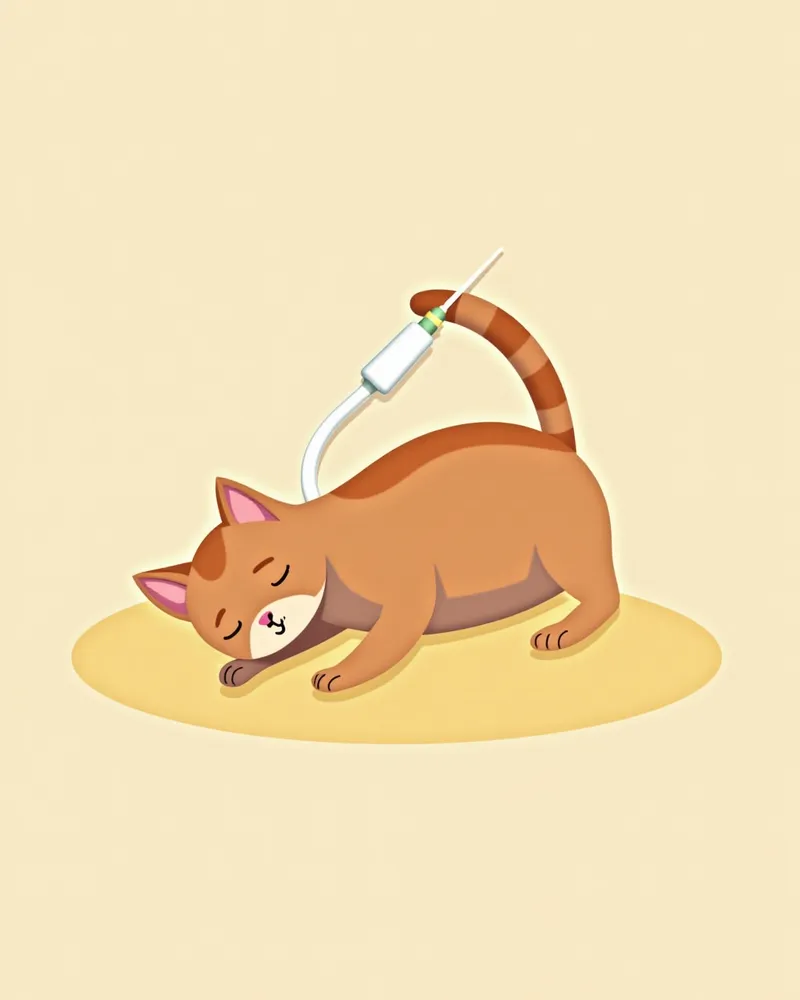
Treating the underlying cause is far more important than simply draining the fluid. If the issue stems from liver disease, administer liver protectants as directed by your veterinarian and manage your pet’s diet according to their nutritional status. Rather than strictly limiting protein, it is crucial to provide sufficient calories from carbohydrates and fats to prevent the body from breaking down protein for energy. For heart-related issues, diuretics, cardiac medications, and a low-sodium diet are necessary. While a veterinarian may perform abdominal paracentesis to remove fluid in severe cases, this is only a temporary measure; addressing the root cause remains essential. Consistent medication and regular check-ups help stabilize the condition. Because ascites has a high likelihood of recurrence, a long-term management plan is vital.
The process of draining ascites in cats

Daily Management Tips for Pet Owners

- Dietary management: Strictly follow the prescription diet recommended by your veterinarian. For liver disease, it is more important to provide adequate calories than to excessively restrict protein. - Medication management: Adhere precisely to the dosing schedule and do not discontinue medication without veterinary guidance. - Weight monitoring: Weigh your cat weekly to track changes. Since ascites can mimic weight gain, also monitor abdominal circumference. - Abdominal assessment: Frequently check for increased abdominal distension or difficulty breathing. - Regular check-ups: Undergo blood tests and ultrasound examinations as recommended by your veterinarian. - Stable living environment: Minimize stress and maintain a quiet environment. Managing ascites is a long-term commitment, not a short-term fix. Consistent care is key to improving your cat’s quality of life.
Healthy dietary management for cats

Caution: Ascites Has a High Likelihood of Recurrence

Once ascites develops, it is highly likely to recur. If the underlying cause is liver disease, long-term management is essential. Stopping prescribed medications or neglecting dietary recommendations can lead to a rapid recurrence of fluid accumulation. It is crucial to work with your veterinarian to establish a consistent care plan. Early detection and diligent, ongoing management significantly improve your pet’s quality of life.

Reviewed by a veterinarian

Dr. Tony — Punnawat Phongkittirak

Dr. Tony — Punnawat Phongkittirak

Veterinarian

A veterinarian who majored in veterinary medicine at Khon Kaen University, Thailand, and completed the IVSA program at North Carolina State University in the United States. Drawing on clinical experience at animal hospitals, he works in the pet healthcare field and is dedicated to building a digital care environment that connects pet parents with veterinarians.

Frequently Asked Questions

Should I take my cat to the vet immediately if it develops ascites?
If your pet develops ascites, consult a veterinarian immediately. Ascites can be a sign of infectious peritonitis (FIP) or liver and heart disease. Early diagnosis improves the chances of successful treatment.
Is ascites common in cats?
While not the most common symptom, it’s certainly not rare either. In young cats, infectious peritonitis (FIP) is the leading cause of ascites, though it can also occur with liver disease or heart problems. If you suspect ascites, please have your cat examined right away.
Is abdominal paracentesis to drain ascites dangerous?
It’s generally a relatively safe procedure. The vet will disinfect the area before performing it, and it can usually be done without general anesthesia. However, since rare side effects like infection or bleeding can occur, the vet will determine whether it’s appropriate for your pet.
Can feline ascites be completely cured?
It depends on the underlying cause. For liver disease, the focus is on management rather than a complete cure. Heart conditions can often be controlled with medication. Early detection and consistent care are key.
Can cats with ascites go for walks?
Walking is possible, but it should be adjusted according to the cat's condition. To avoid overexertion, take short walks once or twice a day. If the cat has difficulty breathing, stop immediately and let it rest.

Share

Related Guides

References

[1] Hoskins, J.D. et al. (2020) Canine and Feline Hepatic Disease: Pathophysiology and Management. Veterinary Clinics of North America: Small Animal Practice, 50(3), 451–470.

[2] Bergman, J. et al. (2019) Ascites in Cats: A Retrospective Study of 127 Cases. Journal of Feline Medicine and Surgery, 21(8), 678–686.

[3] Plumb's Veterinary Drug Handbook, 9th Edition. (2022). Wiley-Blackwell.

This information is based on veterinary literature and does not replace diagnosis or treatment. Please consult a veterinarian for specific health concerns.

Metapet Co., Ltd. | CEO: Park Sung-yong | Business Reg. No. 417-88-02562 | Seoul, South Korea | Customer Center

Cat's Belly Distended? Ascites & Liver Disease Warning Signs | Meongsiljang