
The Ultimate Guide to Blood Glucose Monitoring and At-Home Care for Dogs and Cats
Blood glucose monitoring is essential for managing pets with diabetes. We’ve put together a comprehensive guide covering safe at-home testing techniques, how to interpret the results, and what to do in an emergency.
What Is Blood Glucose Testing? The Starting Point for Managing Your Pet’s Diabetes

Why Is At-Home Blood Glucose Testing Necessary?
Normal Blood Glucose Ranges and Danger Zones for Dogs and Cats
| Item | Dog | Cat | Response |
|---|---|---|---|
| Hypoglycemia risk | <60 mg/dL | <60 mg/dL | Apply honey/syrup immediately, then go to the clinic |
| Caution (low) | 60–70 | 60–70 | Offer a meal and re-measure |
| Normal | 70–120 | 70–120 | Maintenance care |
| Borderline hyperglycemia | 120–200 | 120–250 | Record and consult the veterinarian |
| Hyperglycemia | >250 | >300 | Adjust dose and check for complications |
| Emergency hyperglycemia | >400 sustained | >400 sustained | Possible ketoacidosis, go to the clinic immediately |
The textbook reference range for normal plasma glucose is approximately 70–120 mg/dL in both dogs and cats. The values above are general reference figures; individual targets are determined by the attending veterinarian.
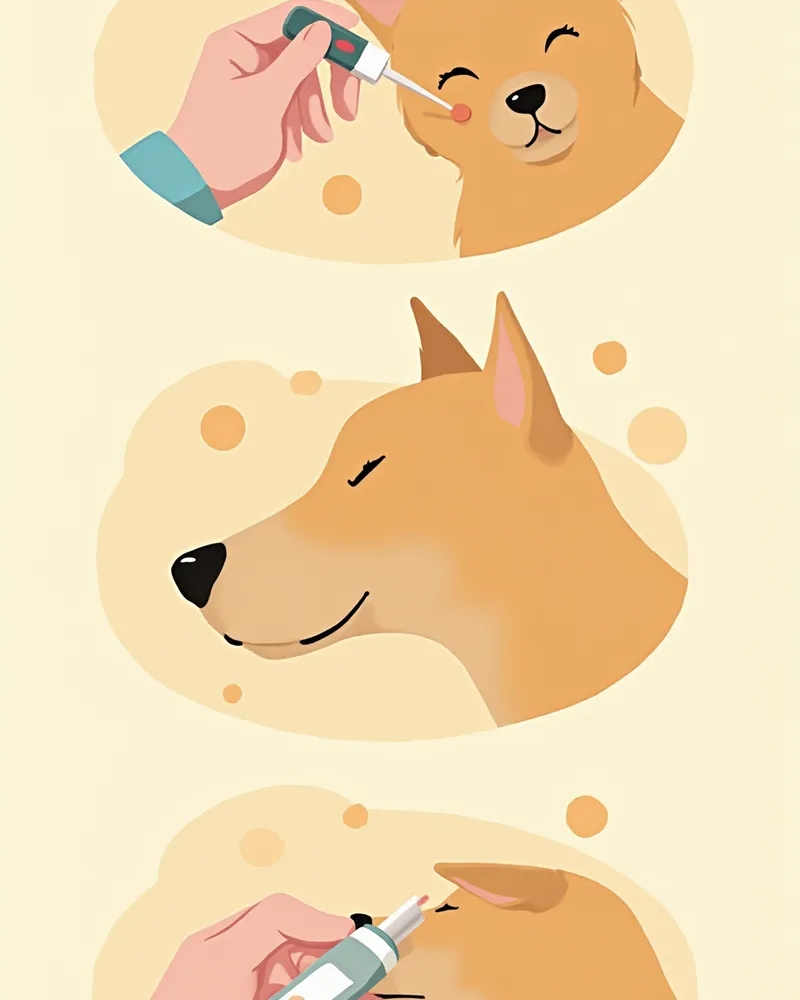
Step-by-Step Guide to Using an At-Home Blood Glucose Meter
When to Seek Immediate Veterinary Care: Critical Values and Symptoms
A blood glucose level below 60 mg/dL, or the presence of seizures, weakness, or staggering, indicates a hypoglycemic emergency. If your pet is conscious, apply honey or corn syrup to the gums and seek immediate veterinary care. Conversely, if blood glucose remains above 400 mg/dL accompanied by vomiting, labored breathing, and excessive thirst, there is a high risk of diabetic ketoacidosis, which requires emergency treatment.
Creating a Blood Glucose Curve (BG Curve)
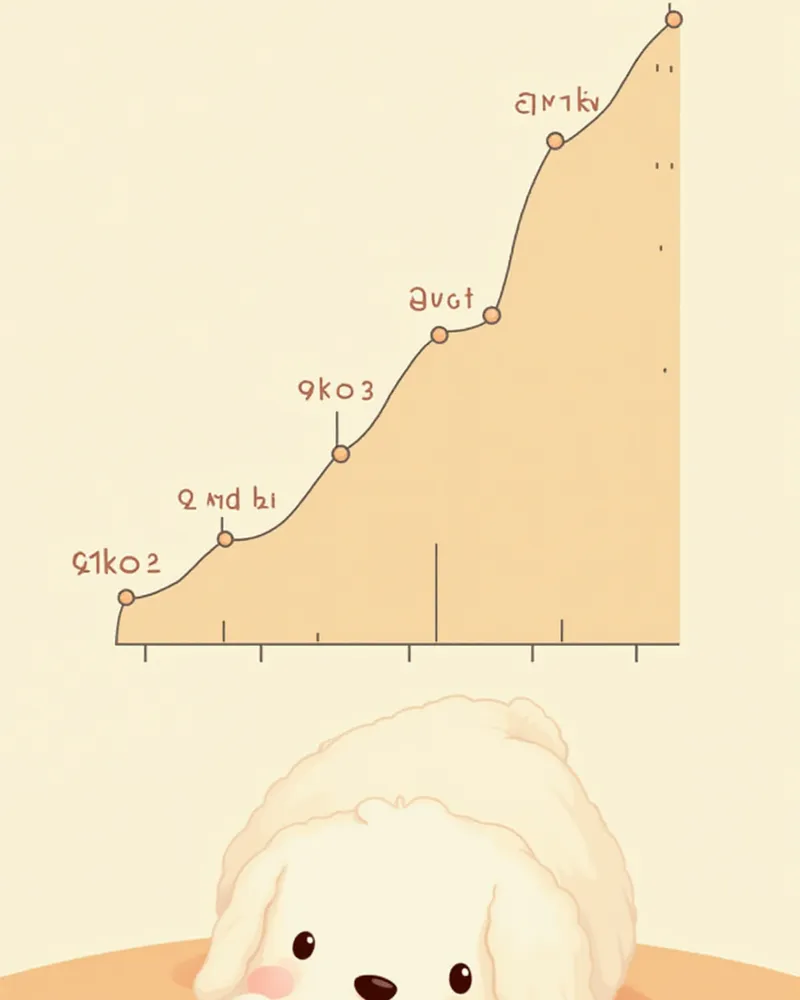
Using a Continuous Glucose Monitor (CGM)
4 Tips to Reduce Measurement Errors
Storage temperature: Store the strips at room temperature, away from direct sunlight and moisture. Expiration: Use within 3 to 6 months after opening; discard any discolored strips. Blood sample volume: An insufficient sample may result in a "Lo" reading or error, so ensure you obtain an adequate blood drop. Stress management: Allow your pet to rest for 5 to 10 minutes before testing, and measure at the same time each day to ensure comparable data.
Record Keeping and Diet and Exercise Management
Reviewed by a veterinarian

Dr. Tony — Punnawat Phongkittirak
VeterinarianA veterinarian who majored in veterinary medicine at Khon Kaen University, Thailand, and completed the IVSA program at North Carolina State University in the United States. Drawing on clinical experience at animal hospitals, he works in the pet healthcare field and is dedicated to building a digital care environment that connects pet parents with veterinarians.
Reviewed 2026-04-26
Frequently Asked Questions
Can I use a human blood glucose meter?
How many times a day should I measure it?
Drawing blood from cats can be quite challenging. Are there any alternatives?
The readings vary each time I measure. Is this normal?
How much honey should I apply in case of a hypoglycemia emergency?
Share
Related Guides

Primary vs. Secondary Veterinary Hospitals: A Comparison

5 Easy-to-Raise Cat Breeds for First-Time Owners — Grooming Difficulty Comparison

Top 7 Short-Legged Dog Breeds

Patellar Luxation in Dogs: Symptoms and Stage-Specific Management

Canine Hydronephrosis FAQ — Key Information Every Owner Must Know
Frequently Asked Questions on the Safety of Anesthesia for Your Dog’s Dental Treatment — Key Information Every Pet Owner Should Know

Frequently Asked Questions on Teaching Your Cat to Tolerate Tooth Brushing — Key Points for Pet Owners

Why Is My Dog’s Phosphorus Level High? — Key Facts on Hyperphosphatemia and Phosphate Binders
Cat Sleep Respiratory Rate and Heart Monitoring FAQ — Key Points for Pet Owners

Why does my dog bark and bite at strangers? — Causes and when to start correction
References
[1] Stockham SL, Scott MA. Fundamentals of Veterinary Clinical Pathology, 3rd Edition. Wiley-Blackwell, Chapter 14 Glucose, Ketoamines, Lipids
[2] Burkitt Creedon JM, Davis H. Advanced Monitoring and Procedures for Small Animal Emergency and Critical Care, 2nd Edition. Wiley-Blackwell
[3] Nelson RW, Couto CG. Small Animal Internal Medicine, 6th Edition, Chapter on Diabetes Mellitus