

If Your Cat Has Jaundice — Key Q&A on the Causes and Treatment of Cholangiohepatitis
Feline cholangiohepatitis is a condition characterized by inflammation of the liver and bile ducts, making early detection and appropriate treatment crucial. We’ve compiled the essential information every pet owner should know.
What Is Feline Cholangiohepatitis?
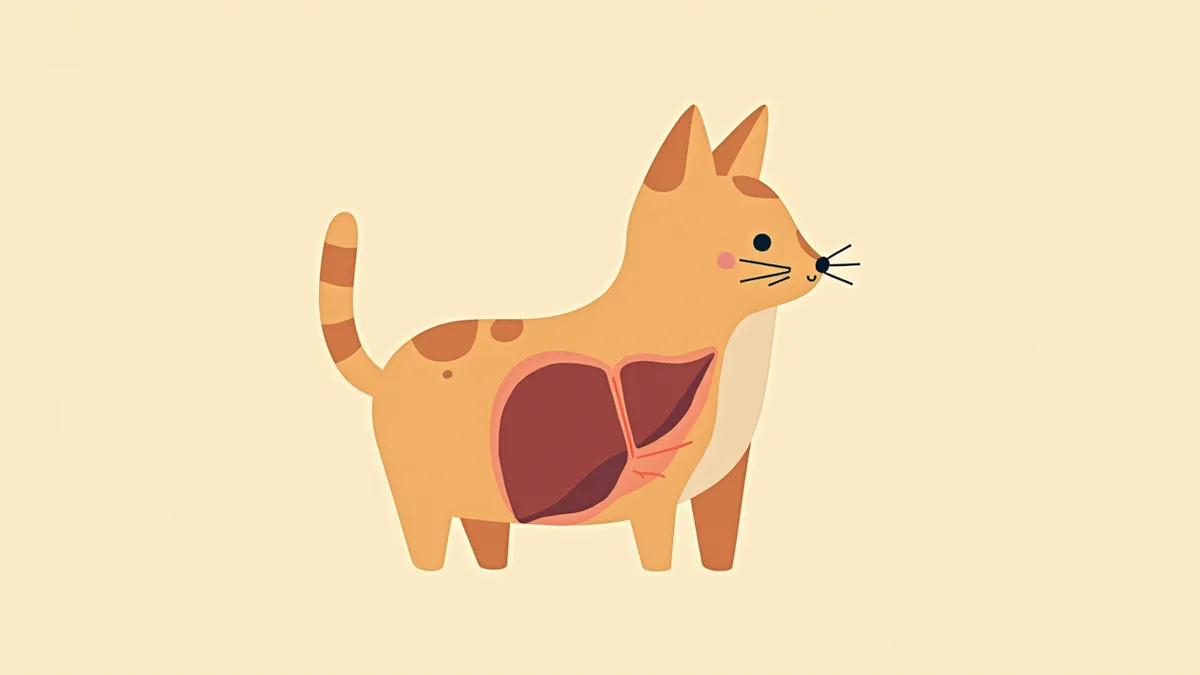
What Are the Main Causes of This Condition?
What Are the Main Symptoms?

How Is It Diagnosed?
Severity Levels by Symptom and Management Directions
| Item | Mild | Moderate | Severe |
|---|---|---|---|
| Loss of appetite | Not eating for 1–2 days | Not eating for 3 or more days | Not eating for 5 or more days |
| Jaundice | Eyes turn slightly yellow | Lips and eyes turn yellow | Entire skin yellow, severe drowsiness |
| Vomiting | 1–2 times, after meals | 3–5 times a day | Continuous, containing blood |
| Weight loss | 5% loss within 1 week | 10% loss within 2 weeks | 15% or more loss within 3 weeks |
Mild cases can be managed at home; moderate or worse requires an immediate visit to the clinic.
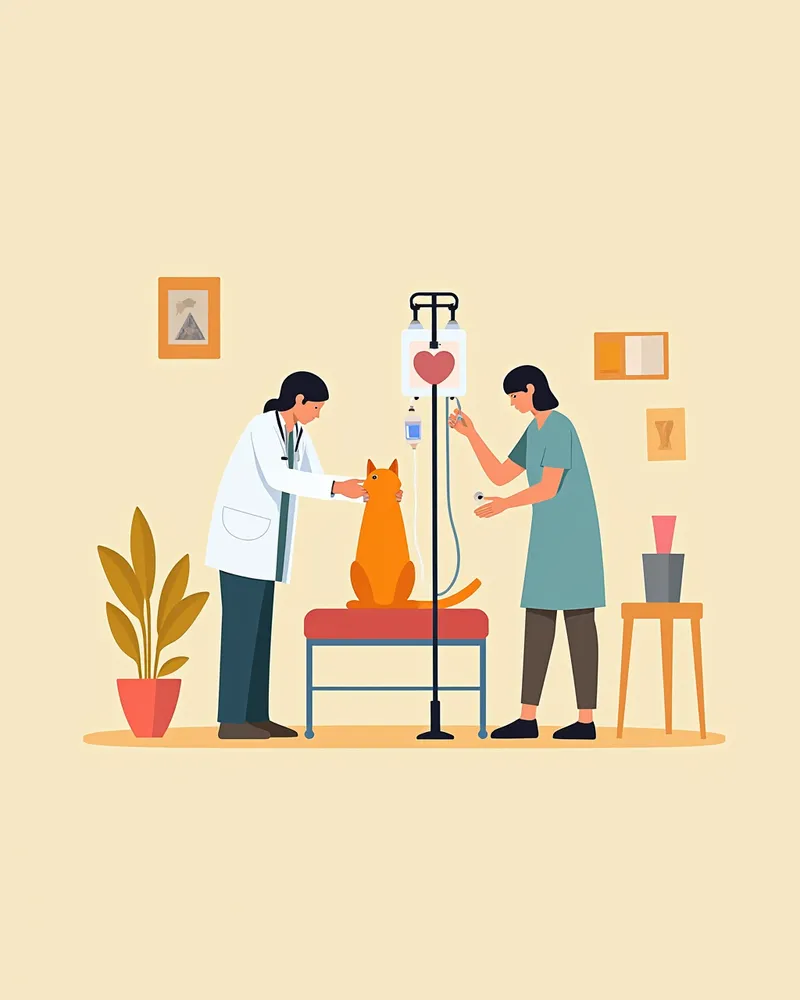
What Are the Treatment Methods?
Signs That Require Immediate Veterinary Care
If your cat hasn’t eaten for more than three days, or if you notice worsening jaundice and extreme lethargy, seek veterinary care immediately. These are signs of severe liver damage, and delays in treatment can make recovery much more difficult.
Home Care Points

Reviewed by a veterinarian

Dr. Tony — Punnawat Phongkittirak
VeterinarianA veterinarian who majored in veterinary medicine at Khon Kaen University, Thailand, and completed the IVSA program at North Carolina State University in the United States. Drawing on clinical experience at animal hospitals, he works in the pet healthcare field and is dedicated to building a digital care environment that connects pet parents with veterinarians.
Reviewed 2026-06-05
Frequently Asked Questions
Can feline cholangiohepatitis be treated?
Is this condition common in cats?
Why is dietary management important?
Is recurrence common?
What should I do if my pet experiences side effects while taking medication?
Share
Related Guides

7 Key Symptoms and Management Essentials for Canine Cholecystitis Recommended by Veterinarians

Top 5 Milk Thistle (Silymarin) Liver Supplements for Dogs — A Comparison Guide Based on Silybin Content and Absorption Rates
Top Prescription Diets for Dogs with Liver Disease and Selection Criteria

How to Check Your Dog’s Paws at Home — Warning Signs and What to Do
Basics of Auscultation at Home
Guide to Veterinary Neurology Consultations: When and How to Seek Care
Our Pet’s Dentist: General Clinic vs. Specialist — A Guide to Choosing Care
Indications for Veterinary Acupuncture (TCVM)

Comparing Implantable Microchips and External ID Tags
What Is Therapeutic Massage for Dogs and Cats? — Safe Techniques and Precautions at Home
References
[1] The Cat, Clinical Medicine and Management, 2nd Edition, 2018
[2] Small Animal Critical Care Medicine, 3rd Ed, 2020
[3] Feline Hepatic Disease: A Comprehensive Guide, 2021