Like
Share
멍실장
고양이 간부전 자주 묻는 질문 Q&A — 보호자가 꼭 알아야 할 핵심

What is feline hepatic failure? — Emergency Q&A to not miss the golden time

Liver HealthQ&AMeongsiljang Veterinary Advisory Board

Early detection is key to saving lives in cases of feline hepatic failure. We’ve compiled the essential symptoms, causes, and management strategies every pet owner should know.

Early detection is key to saving lives in feline hepatic failure
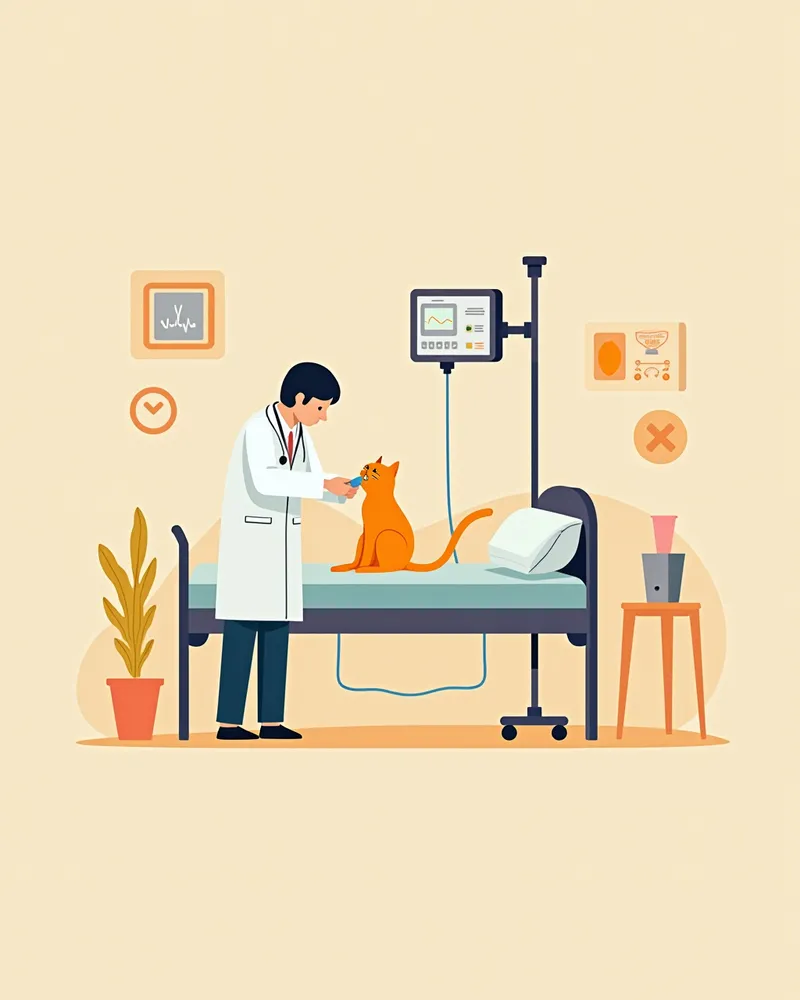
A scene of a hospital visit for diagnosing feline hepatic insufficiency.
Feline hepatic failure is a life-threatening emergency caused by a sudden decline in liver function. Early diagnosis and treatment significantly impact the prognosis, making close observation and attention from pet owners essential.
Jaundice: A yellowish tint appears in the eyes and lips. This occurs when the liver fails to properly process bilirubin.
Loss of appetite: The cat suddenly stops eating or swallows very little even when food is offered.
Repeated vomiting: Vomiting occurs multiple times a day, and in severe cases, blood may be present.
Lethargy: The cat remains inactive all day, with prolonged periods of lying down with eyes closed.
Try to observe your cat daily to catch early warning signs.

What are the main causes of hepatic failure?
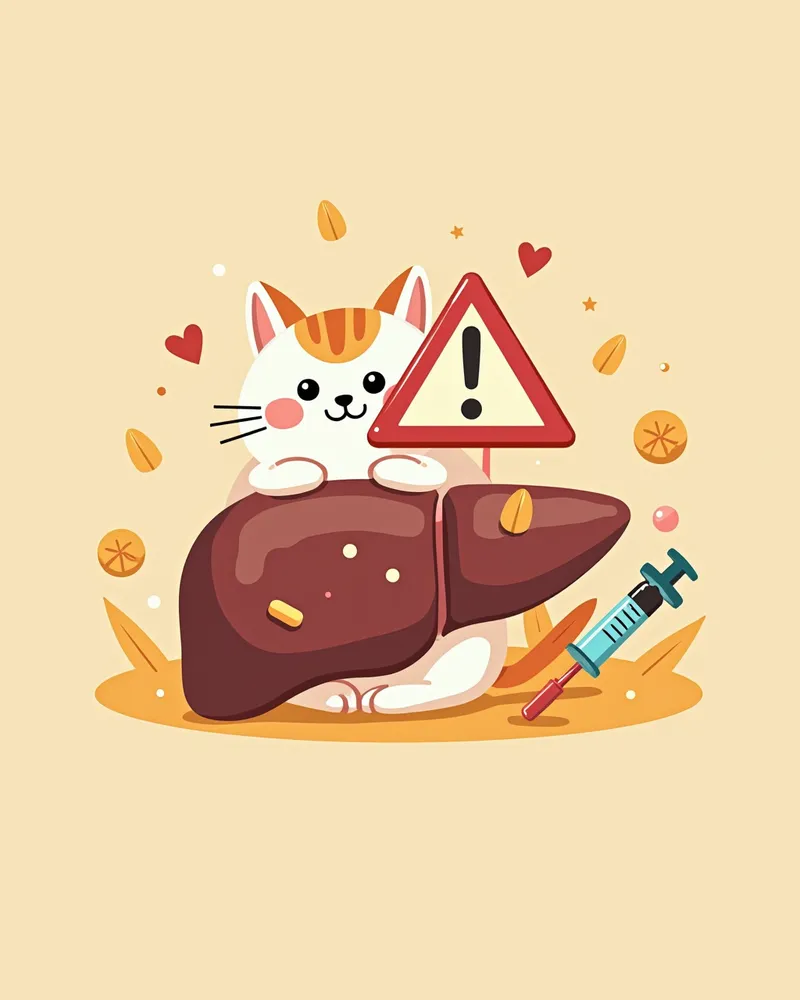
While there are many causes of feline liver failure, veterinary textbooks identify hepatic lipidosis (fatty liver disease) and cholangitis as the most common. These two conditions are widely recognized as the leading reasons cats present to the hospital with jaundice or liver failure. Additionally, ingestion of medications intended for humans can be extremely dangerous to a cat’s liver.
Hepatic Lipidosis and Cholangitis: Prolonged loss of appetite predisposes cats to hepatic lipidosis, which, along with cholangitis, is the most common cause of liver failure in cats.
Drug Toxicity: Human medications such as acetaminophen (which contains the same active ingredient as paracetamol but is different from aspirin) and ibuprofen can damage a cat’s liver.
Infectious Diseases: Infections such as FIP (feline infectious peritonitis), toxoplasmosis, and fungal infections (histoplasmosis and cryptococcosis) can impair liver function.
Toxic Substances: Various toxic agents, including sago palm, mycotoxins (aflatoxin), heavy metals, and certain mushrooms, can also be causative factors.
Accurate identification of the underlying cause requires diagnosis through testing by a veterinarian.
Main causes of feline liver failure: drug toxicity and infection

How to manage feline hepatic failure

Feline liver failure is a medical emergency that requires immediate veterinary attention. It cannot be treated at home, so you must consult a veterinarian as soon as possible.
Emergency veterinary visit: If you suspect liver failure, take your cat to the clinic immediately. Delaying care can be life-threatening.
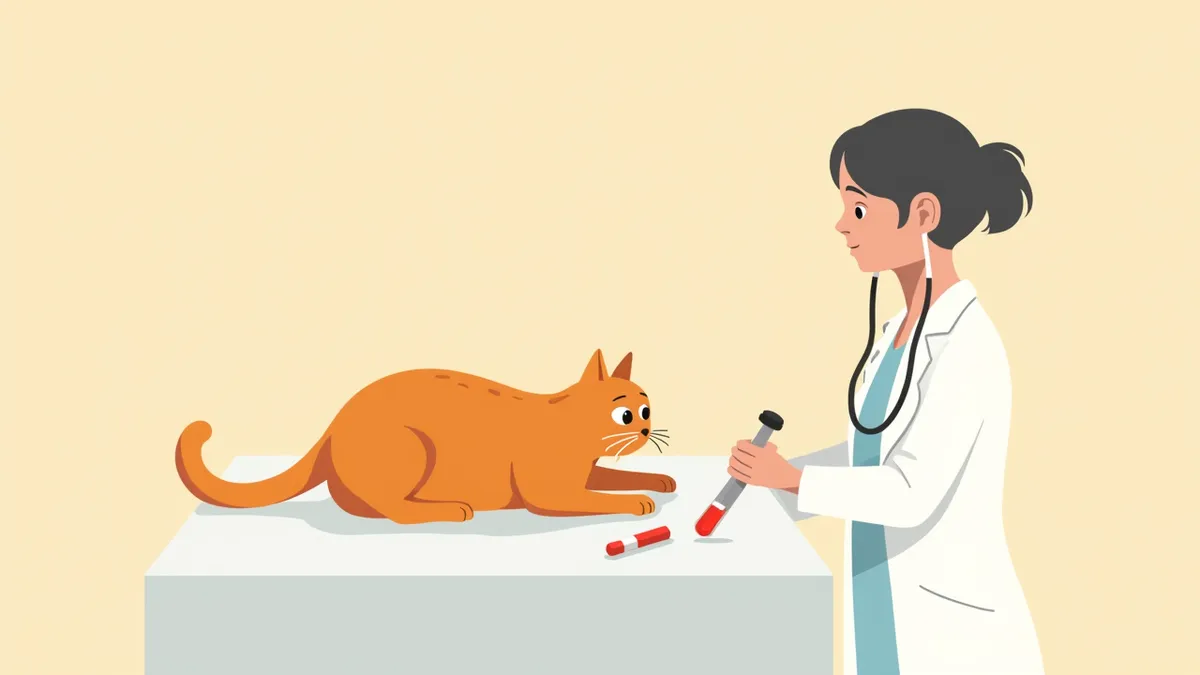
Blood tests: Liver enzyme levels and bilirubin levels are measured to assess liver function.
Fluid therapy: Intravenous fluids are necessary to correct dehydration and electrolyte imbalances.
Administration of hepatoprotectants: Medications are prescribed to reduce liver cell damage and support recovery.
Addressing the underlying cause: If your cat is taking any medications, stop them immediately. If an infection is the cause, antibiotic treatment is required.
Treatment must be consistently managed at the veterinary clinic.
Scene of intravenous injection during treatment for feline hepatic failure

Signs requiring immediate veterinary visit

If your cat suddenly becomes lethargic, develops yellowing of the eyes or lips, or experiences repeated vomiting, seek immediate veterinary care. These are emergency symptoms of hepatic failure.

What is the prognosis for hepatic failure?

The prognosis for feline liver failure varies widely depending on the timing of diagnosis and treatment, the underlying cause, and the extent of liver damage. Textbooks describe a broad range of outcomes. In particular, maintaining normal blood albumin levels is considered a positive indicator of survival, and severely elevated liver enzymes (transaminases) do not necessarily indicate a poor prognosis.
Early treatment: If the underlying cause is identified and treated promptly, partial recovery of liver function may be possible.
Moderate damage: Some functional recovery is possible, but ongoing management is required.
Severe damage: When liver function is nearly lost, the prognosis may be poor. Consult with your veterinarian to determine the appropriate course of treatment.
Even after treatment, regular testing is necessary to monitor liver function and indicators such as albumin levels.
A cat recovering from liver failure, undergoing regular check-ups.

Comparison of symptoms and management by stage of hepatic failure

ItemMain SymptomsManagementPrognosis
MildDecreased appetite, slight vomitingBlood test and cause investigationGood
ModerateJaundice, lethargy, repeated vomitingHospitalization, fluid therapy, hepatoprotectantsFair
SevereDecreased consciousness, bleeding tendency, severe vomitingEmergency treatment, fluids, hepatoprotectants, removal of causePoor

Stages are distinguished by the degree of liver function decline, and early diagnosis greatly affects the prognosis.

Management points pet owners can implement

There are several management strategies pet owners can implement to help prevent the recurrence of feline hepatic insufficiency.
Medication caution: Never administer human medications. Drugs such as acetaminophen and ibuprofen can be fatal to cats.
Regular check-ups: It is advisable to have liver function tests performed at least once a year.
Balanced diet: Provide an appropriate diet consisting of high-quality commercial cat food or a properly formulated raw diet.
Stress management: Minimize environmental changes and conflicts with other animals.
Hydration: Encourage your cat to drink plenty of water.
Consistent monitoring and prevention are key.
Healthy Eating Habits and Water Intake for Preventing Feline Liver Failure

Caution: Medications that should not be given to cats

Human medications like acetaminophen (also known as paracetamol) and ibuprofen are highly toxic to cats and can cause liver damage. Never give your cat human drugs without veterinary guidance, and always consult your veterinarian before administering any medication.

Reviewed by a veterinarian

Dr. Tony — Punnawat Phongkittirak

Dr. Tony — Punnawat Phongkittirak

Veterinarian

A veterinarian who majored in veterinary medicine at Khon Kaen University, Thailand, and completed the IVSA program at North Carolina State University in the United States. Drawing on clinical experience at animal hospitals, he works in the pet healthcare field and is dedicated to building a digital care environment that connects pet parents with veterinarians.

Frequently asked questions

Can feline hepatic lipidosis be cured?
It depends on the cause and stage. Early diagnosis and treatment increase the chances of recovery. However, the prognosis can vary widely, and some cases require ongoing management.
Is liver disease hereditary?
While some breeds may be more susceptible to liver disease, the most common causes of feline liver failure are fatty liver disease and cholangitis. External factors such as medications and infections can also contribute, whereas purely genetic causes are relatively rare.
How is liver failure diagnosed?
We check liver enzyme, bilirubin, and albumin levels through blood tests, and if necessary, we diagnose using ultrasound or biopsy.
What can I do at home if my cat has liver failure?
Visiting the clinic is the most important step. At home, you can only avoid giving human medications, ensure your pet has access to water, and maintain a quiet environment.
How can I prevent liver failure?
The key is to be cautious with human medications, schedule regular check-ups, provide proper nutritional care, and manage stress. Never administer human medications without veterinary guidance.

Share

Related Guides

References

[1] The Cat, Clinical Medicine and Management, 2nd Edition, 2020

[2] Feldman EC, Nelson RW. Canine and Feline Endocrinology and Reproduction, 4th ed., 2019

[3] Plumb's Veterinary Drug Handbook, 9th ed., 2021

This information is based on veterinary literature and does not replace diagnosis or treatment. Please consult a veterinarian for specific health concerns.

Metapet Co., Ltd. | CEO: Park Sung-yong | Business Reg. No. 417-88-02562 | Seoul, South Korea | Customer Center

What Is Feline Hepatic Failure? Emergency Q&A on the Golden Hour | Meongsiljang