Like
Share
멍실장
강아지 담낭 점액종 자주 묻는 질문 Q&A — 보호자가 꼭 알아야 할 핵심

What is Canine Gallbladder Mucocele? — Symptoms, Diagnosis, and Cholecystectomy

Liver HealthQ&AMeongsiljang Veterinary Advisory Board

Gallbladder mucocele in dogs is a condition caused by the excessive accumulation of mucus in the gallbladder, making early detection crucial. We’ve compiled the essential information every pet owner should know in a Q&A format.

What is Canine Gallbladder Mucocele?
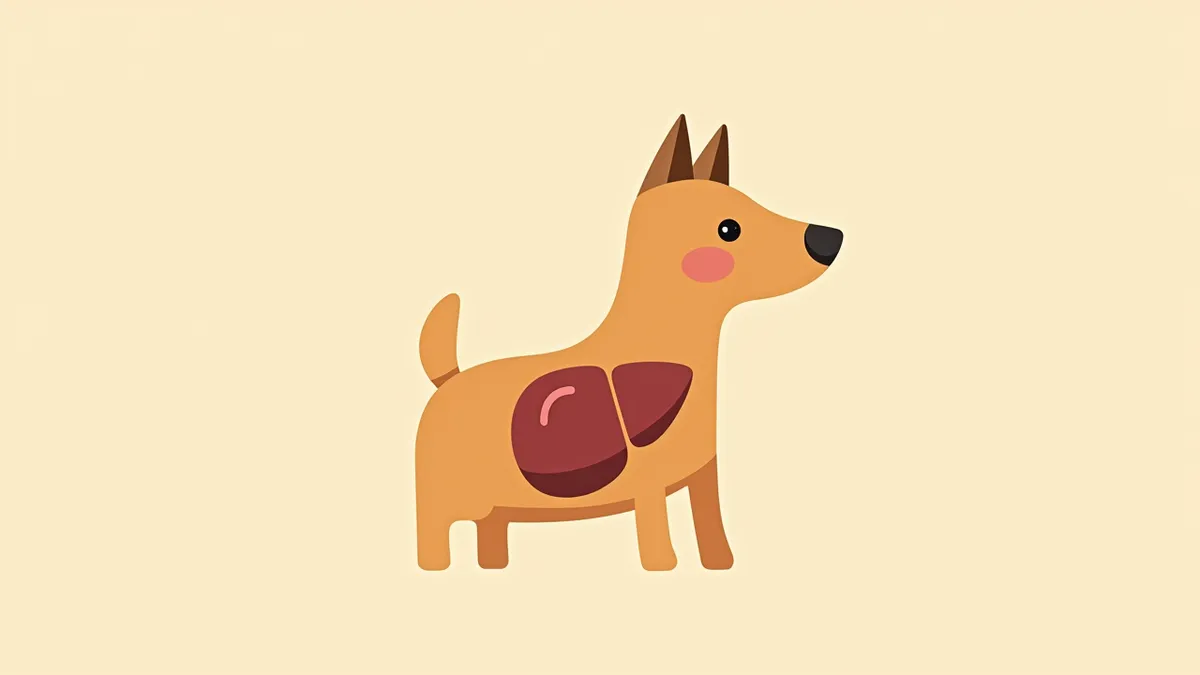
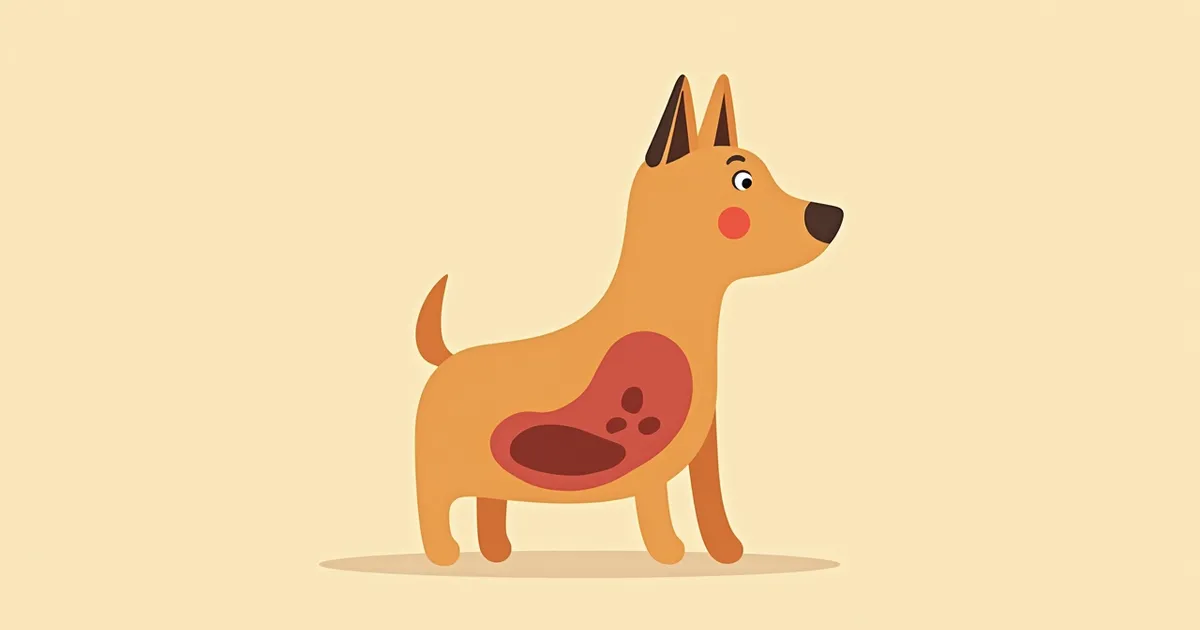
Illustration comparing normal and adenomatous lesions of the dog's liver and gallbladder
Canine gallbladder mucocele is a condition in which abnormal mucus (mucin) and thickened bile accumulate excessively within the gallbladder, causing it to distend. It primarily affects older dogs. - Excessive mucus production: The gallbladder epithelium abnormally secretes a gel-like mucus, leading to its accumulation within the gallbladder. - Impaired gallbladder function: Reduced gallbladder motility hinders the proper expulsion of mucus, causing the gallbladder to swell. - Risk of rupture: As mucus accumulates, it can cause ischemia and necrosis of the gallbladder wall, potentially leading to rupture in severe cases. - Early detection is key: The condition is often asymptomatic in its early stages and can easily be overlooked. Although some cases are managed conservatively with monitoring despite the lack of symptoms, the risk of rupture remains a concern. Some reports suggest that surgery before symptoms appear may be safer, making early diagnosis and consultation with a veterinarian crucial.

Why Does Canine Gallbladder Mucocele Occur?
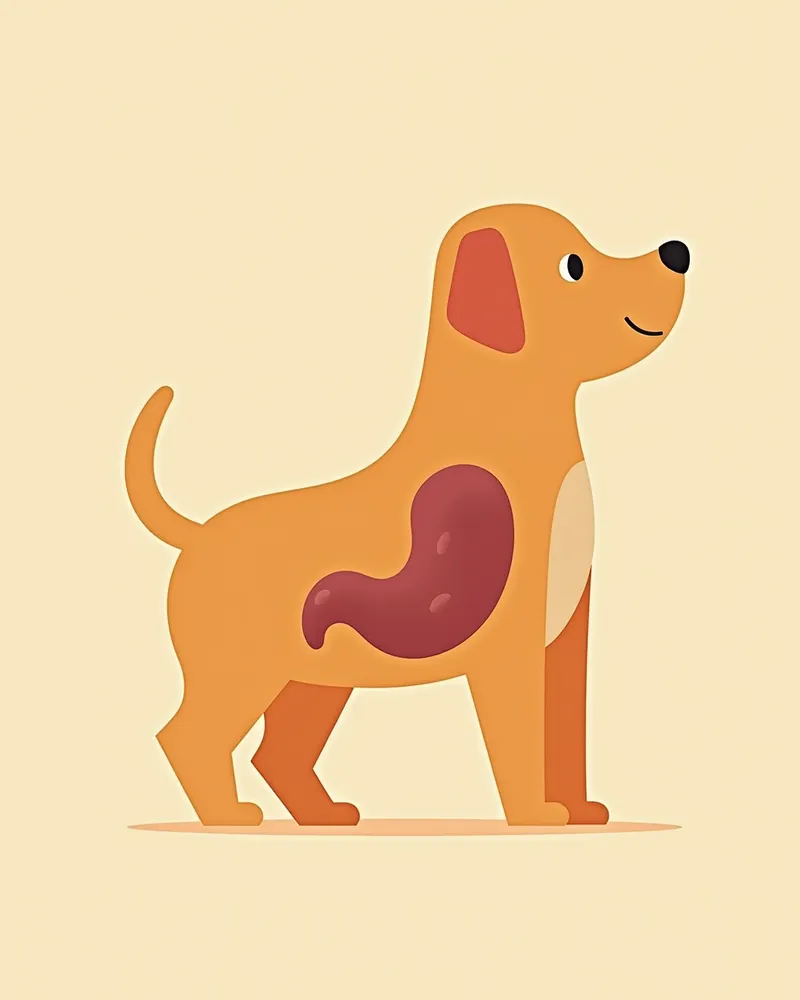
The exact cause of gallbladder mucoceles remains unknown, but it is believed to result from a combination of several risk factors. - Advanced age: This condition tends to occur primarily in older dogs. - Breed predisposition: Small breeds, particularly Border Terriers, have been reported to have a higher susceptibility. - Endocrine disorders: Conditions such as diabetes mellitus, hyperadrenocorticism, hypothyroidism, and hyperlipidemia (dyslipidemia) may be associated with the development of mucoceles. - Reduced gallbladder motility and gallstones: Decreased gallbladder motility or the presence of gallstones can contribute to mucus accumulation. - Chronic inflammation and mucosal hyperplasia: Chronic cholecystitis or cystic mucosal hyperplasia can predispose dogs to developing mucoceles. When these factors overlap, the risk of occurrence increases.
Illustration of a mucocele lesion caused by impaired mucus drainage in the gallbladder

What Are the Main Symptoms of Gallbladder Mucocele?
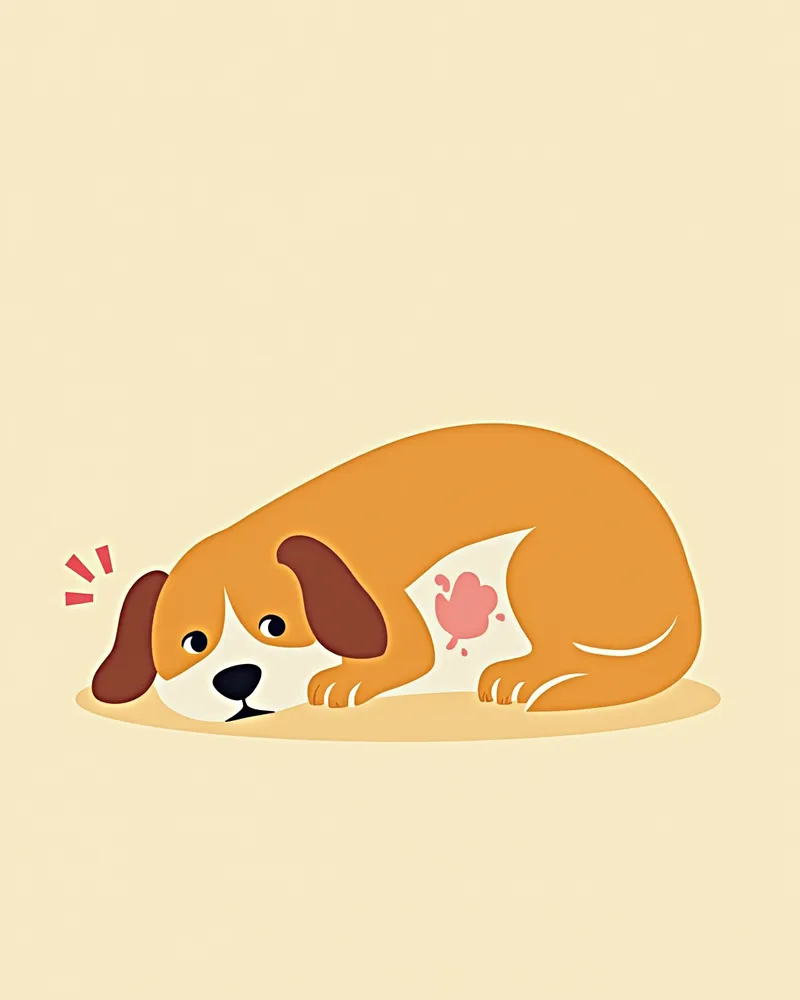
Gallbladder mucoceles often present with few or no symptoms in the early stages, making them easy for pet owners to overlook. When symptoms do appear, they are typically nonspecific. - Loss of appetite: Your pet may suddenly refuse food or show inconsistent appetite. - Vomiting: Recurrent vomiting or general gastrointestinal discomfort may occur. - Abdominal pain: Your pet may show signs of pain when the abdomen is touched or become reluctant to move. - Jaundice: Yellowing of the eyes, lips, or skin may develop. - Lethargy: Your pet may appear weaker than usual, seem sleepy, or refuse walks. If any of these symptoms appear, it is important to visit a veterinary clinic promptly for an abdominal ultrasound examination.
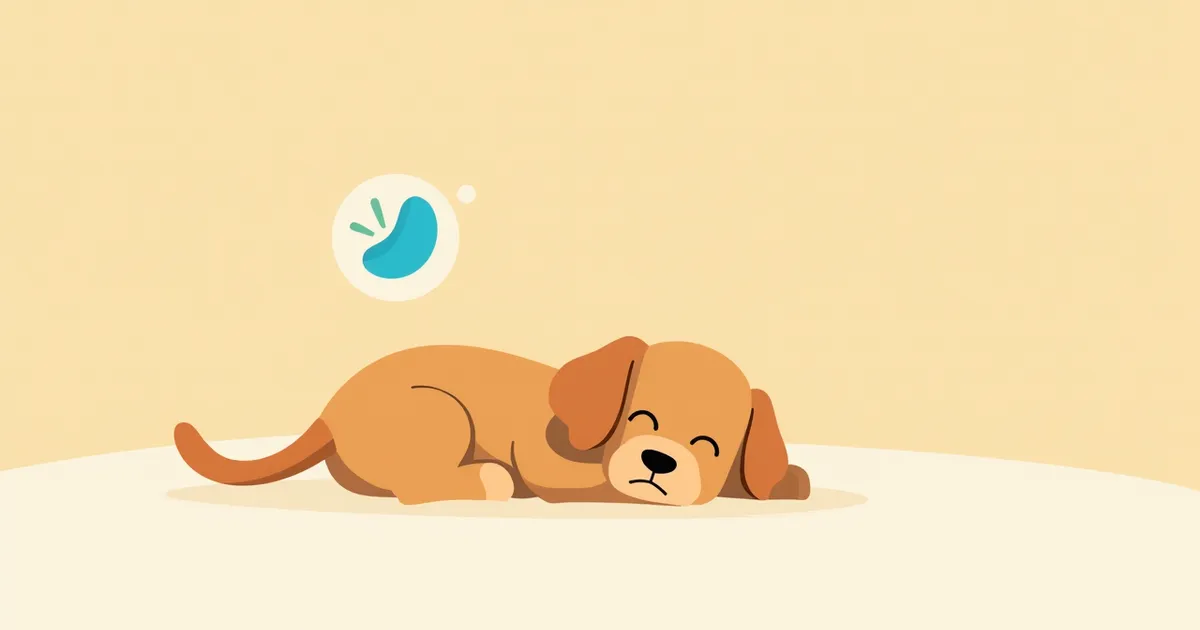
A photo of a puppy showing abdominal pain due to a gallbladder mucocele

Symptoms Requiring Immediate Veterinary Visit

Sudden abdominal pain, severe vomiting, decreased consciousness, and worsening jaundice may indicate a risk of gallbladder rupture. In such cases, consult a veterinarian immediately and seek emergency treatment.

Stage-Specific Symptoms of Gallbladder Mucocele and Management

ItemMain SymptomsTreatment DirectionPrognosis
MildNo symptoms or mild decreased appetiteDetected during regular check-up, observationGood
ModerateVomiting, abdominal pain, jaundiceMedication or surgical consideration after ultrasound diagnosisFair
SevereSevere abdominal pain, shock symptoms, decreased consciousnessImmediate surgery requiredUnstable

Stage-by-stage management may vary based on the veterinarian's judgment. Early detection is key.

How Is Gallbladder Mucocele Diagnosed?
Gallbladder mucoceles are primarily diagnosed through abdominal ultrasound. - Ultrasound confirmation: The gallbladder appears abnormally distended and filled with mucus, showing a characteristic "kiwi slice" (star-shaped) pattern. - Blood tests: Liver enzyme levels and bilirubin are measured to assess liver and biliary function. - Caution with aspiration: Gallbladder aspiration to directly collect bile is considered contraindicated due to the risk of rupture. - Comprehensive assessment: Because symptoms alone are insufficient for diagnosis, clinical findings and test results must be analyzed together. - Definitive diagnosis and histopathology: The removed gallbladder undergoes histopathological examination and bacterial culture to confirm the diagnosis and guide treatment planning.
Confirmation of a gallbladder mucocele lesion on the puppy’s ultrasound images

What Are the Treatment Options for Gallbladder Mucocele?
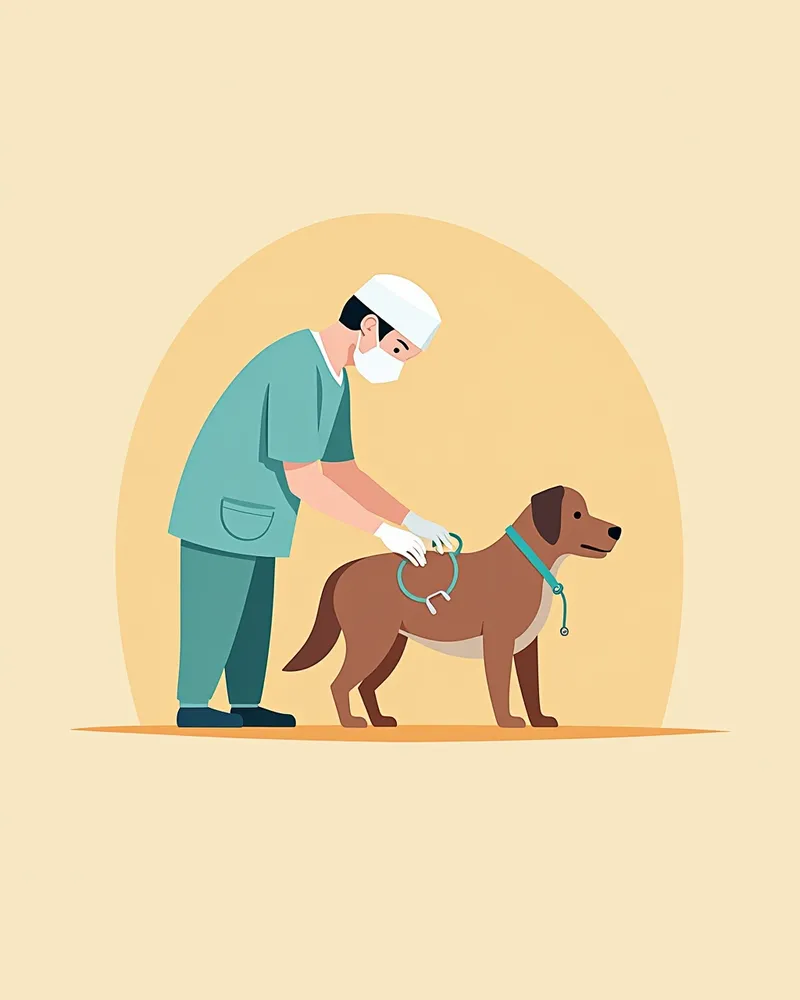
The treatment approach depends on the condition of the gallbladder and the severity of symptoms. - Asymptomatic or mild cases: When there are no symptoms, conservative management with pain relief, antibiotics, and UDCA may be used, but this is controversial due to the risk of rupture. - Surgical treatment: If the gallbladder is severely distended or at high risk of rupture, a cholecystectomy is performed via open surgery or laparoscopy. - Importance of timing: Elective surgery before symptoms appear has a low mortality rate of about 2%, whereas emergency surgery carries a higher mortality rate of about 20%, so early intervention is recommended. - Prognosis: Survival rates after cholecystectomy range from 68% to 91% depending on the study, with better outcomes for elective surgery. - Preventing recurrence: After surgery, it is important to undergo regular ultrasound examinations and manage any underlying endocrine disorders.
Surgical scene during a dog's gallbladder removal procedure

Management Methods for Pet Owners

Early detection and consistent management are key to successfully treating gallbladder mucoceles. - Regular check-ups: Older dogs or those with predisposing factors should undergo regular abdominal ultrasounds to monitor gallbladder health. - Dietary management: It is recommended to avoid high-fat meals and provide a balanced diet. - Weight control: Since obesity and dyslipidemia are associated risk factors, maintaining an appropriate body weight is important. - Management of underlying conditions: Concurrently treat endocrine disorders such as diabetes mellitus, hyperadrenocorticism, and hypothyroidism. - Symptom monitoring: Visit the clinic immediately if symptoms such as decreased appetite, vomiting, or jaundice appear; UDCA may be administered continuously if necessary.
A scene depicting a puppy's healthy eating habits and regular check-up care

Breed-Specific Precautions and Recurrence Prevention

Small breeds, including Border Terriers, and senior dogs are known to be relatively susceptible to gallbladder mucoceles. It's important for senior dogs to have regular check-ups, and even after surgery, they should undergo routine ultrasound examinations while managing any underlying endocrine conditions.

Reviewed by a veterinarian

Dr. Tony — Punnawat Phongkittirak

Dr. Tony — Punnawat Phongkittirak

Veterinarian

A veterinarian who majored in veterinary medicine at Khon Kaen University, Thailand, and completed the IVSA program at North Carolina State University in the United States. Drawing on clinical experience at animal hospitals, he works in the pet healthcare field and is dedicated to building a digital care environment that connects pet parents with veterinarians.

Frequently Asked Questions

Can a dog’s gallbladder mucocele be treated?
Yes, in most cases, cholecystectomy is an effective treatment. Postoperative survival rates range from 68% to 91%, depending on the study, and outcomes are generally better when surgery is performed electively before symptoms develop.
How should I care for my dog after surgery?
After surgery, it’s important to follow your veterinarian’s instructions regarding medication, diet management, and activity restrictions. In some cases, UDCA may need to be continued. Always follow your vet’s guidance.
Can gallbladder mucoceles be prevented?
While complete prevention is difficult, avoiding high-fat diets, managing underlying endocrine disorders, and undergoing regular check-ups can help reduce the risk.
Is surgery always necessary when a myxoma develops?
If symptoms develop or the condition progresses, gallbladder removal surgery may be necessary. Even in asymptomatic cases, some experts recommend preemptive surgery to mitigate the risk of rupture, while conservative monitoring remains controversial. Therefore, it’s essential to discuss the options thoroughly with your veterinarian to make an informed decision.
If my dog has had a gallbladder mucocele, can it recur?
While the gallbladder won’t regrow after removal, the underlying condition may still be present, so regular check-ups for ongoing monitoring are essential.

Share

Related Guides

References

[1] Schneider R., Dorn C.R., Taylor D.O. (1969) Factors influencing canine mammary cancer development and postsurgical survival. J Natl Cancer Inst 43:1249–1261.

[2] Small Animal Cytologic Diagnosis Canine and Feline Disease, 2nd Edition. Moore A.R. (2023). Vet Clin North Am Small Anim Pract 53(1):101–120.

[3] Clinical Medicine of the Dog and Cat, 4th Ed. (2023). Section III: Diseases of Specific Organ Systems. Elsevier.

This information is based on veterinary literature and does not replace diagnosis or treatment. Please consult a veterinarian for specific health concerns.

Metapet Co., Ltd. | CEO: Park Sung-yong | Business Reg. No. 417-88-02562 | Seoul, South Korea | Customer Center

Canine Gallbladder Mucocele: Symptoms, Diagnosis & Cholecystectomy | Meongsiljang