
Is Even One Grape Dangerous for Dogs? — Q&A on Raisin Poisoning Symptoms and Emergency Response
Grape and raisin nephrotoxicity in dogs is a serious condition that can cause acute kidney damage even after small ingestions. Here are the key points every pet owner should know.
What Is Grape and Raisin Nephrotoxicity in Dogs?
Why Are Grapes and Raisins Dangerous for Dogs?
Symptoms That May Occur If Your Dog Eats Grapes

Signs That Require Immediate Veterinary Visit
If your dog shows vomiting, diarrhea, loss of appetite, lethargy, or decreased urine output within a few hours of eating grapes or raisins, seek veterinary care immediately. This is especially urgent if your dog produces little to no urine (oliguria or anuria) or experiences severe abdominal pain, as these signs indicate a potentially life-threatening emergency with a poor prognosis. Even if no symptoms are present, contact your veterinarian right away for advice if you suspect ingestion.
What Treatment Methods Do Veterinarians Use?
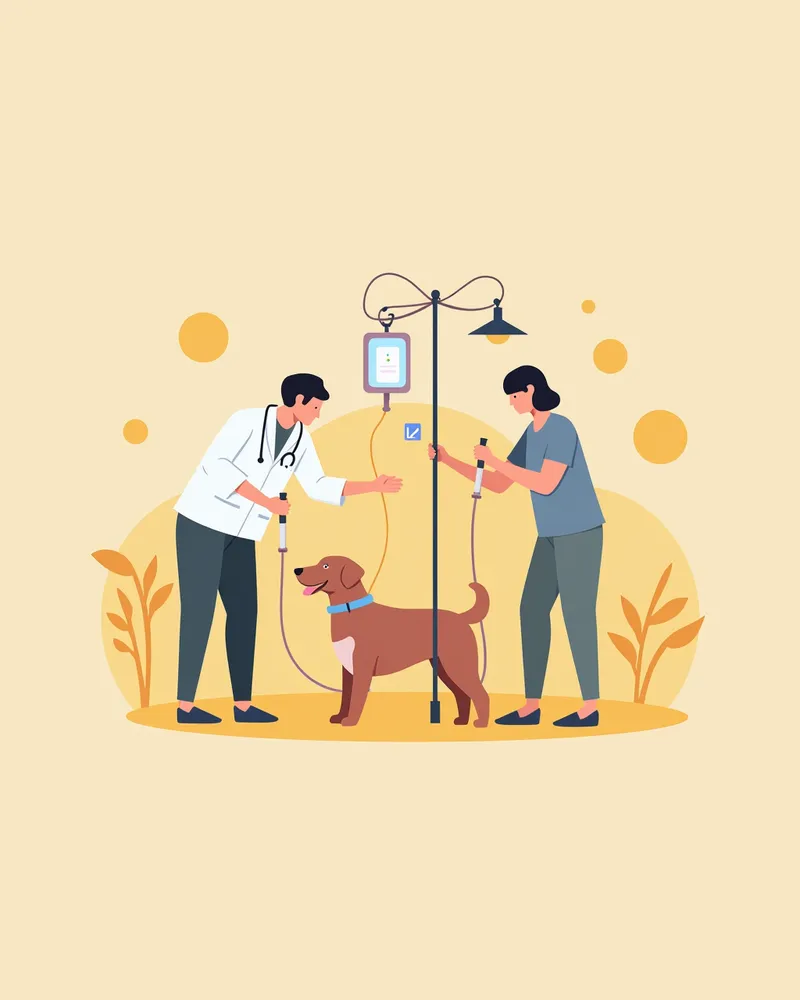
Owner Checkpoints for Prevention
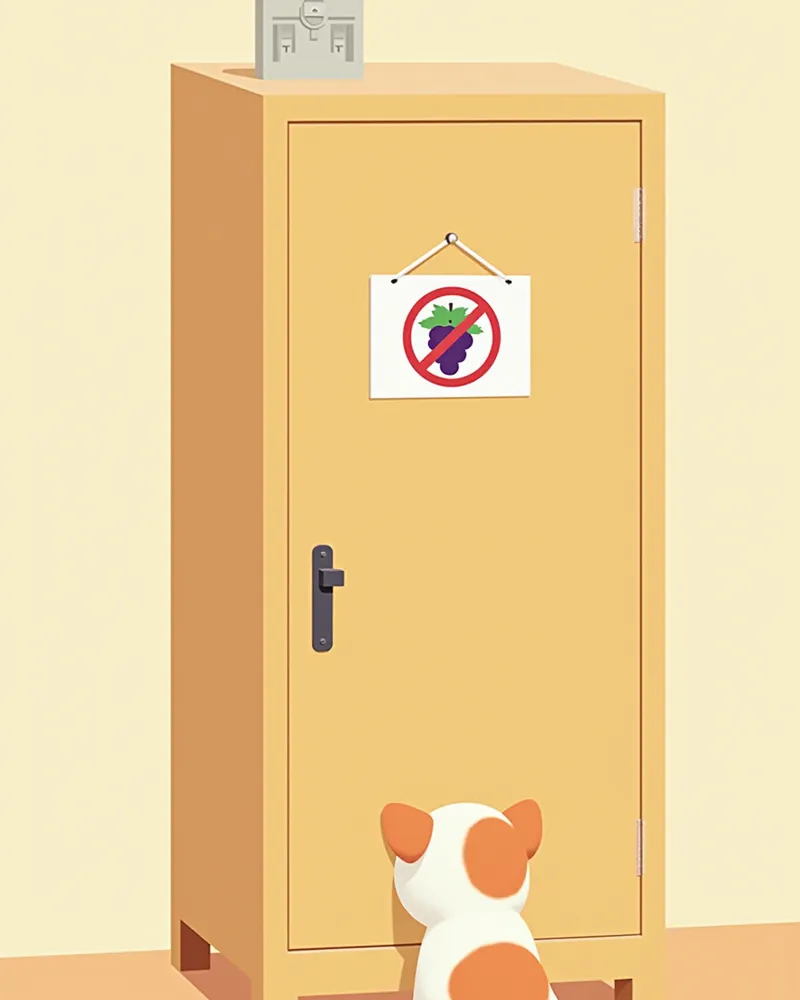
Step-by-Step Comparison of Response After Grape Ingestion
| Item | Time frame | Management approach | Prognosis |
|---|---|---|---|
| Initial response | Within 6 hours | Inducing vomiting/gastric lavage, administering activated charcoal | Good |
| Intermediate treatment | Several hours to 48 hours | Intravenous fluids, monitoring kidney values and urine output | Fair |
| Delayed treatment | When oliguria/anuria progresses | Supportive care such as intravenous fluids and renal diet | Poor |
With prompt removal and fluid therapy the prognosis is good, but it worsens if oliguria or anuria develops. An immediate hospital visit is essential.
Caution: Some Dogs May Show Toxic Reactions Even to Small Amounts
Some dogs can suffer severe kidney damage from even tiny amounts of grapes or raisins. We recommend a vet visit even if no symptoms appear. Prevention is key—never feed these to your dog.
Reviewed by a veterinarian

Dr. Tony — Punnawat Phongkittirak
VeterinarianA veterinarian who majored in veterinary medicine at Khon Kaen University, Thailand, and completed the IVSA program at North Carolina State University in the United States. Drawing on clinical experience at animal hospitals, he works in the pet healthcare field and is dedicated to building a digital care environment that connects pet parents with veterinarians.
Reviewed 2026-06-05
Frequently Asked Questions
My dog ate just one grape—should I be concerned?
Are raisins just as dangerous as grapes?
It’s been 24 hours since my pet ate grapes, and there are no symptoms. Is that a good sign?
What can you do at home if your dog has eaten grapes?
Can a dog that has recovered from grape poisoning safely eat grapes again?
Share
Related Guides
Top 5 Prescription Diets for Cats with Chronic Kidney Disease — Stage-Specific Protein Adjustment

7 Emergency Signs and Causes of Acute Kidney Failure in Dogs You Must Not Miss

Top 5 Cat Kidney Supplements Recommended for 2026
Causes of Canine Hearing Loss and Deafness

Cat Ear Tumors (Squamous Cell Carcinoma is Most Common)

Why Your Dog’s Mouth Is Trembling — Causes of Jaw and Lip Shaking and How to Handle Them

Recognizing End-of-Life Signs in Dogs — How to Prepare for the Final Days

A Complete Guide to Stages 1–4 of Canine Cognitive Dysfunction (CDS)
How to Calculate Water Intake for Dogs and Cats and Check for Signs of Deficiency
The Ultimate Guide to Dog Body Proportions and Standards
References
[1] Blackwell's Five-Minute Veterinary Consult Clinical Companion, Small Animal Toxicology, 3rd Edition
[2] The Dog Care Handbook, Things I Wish My Vet Had Told Me
[3] Coyne SR, Landry GM. Tartaric acid induces toxicity in Madin-Darby Canine Kidney cells, but not Human Kidney-2 cells in vitro and is prevented by organic anion transporter (OAT) inhibition and human OAT-4 transfection. J Vet Emerg Crit Care 2023;33(3):298–304.