

My Dog Has a Liver Cyst — Is It Dangerous? Prognosis & Treatment Q&A
Most liver cysts in dogs are asymptomatic, but if they grow large, they can cause gastrointestinal discomfort or pain. Early detection and proper management are important.
What Are Canine Liver Cysts?
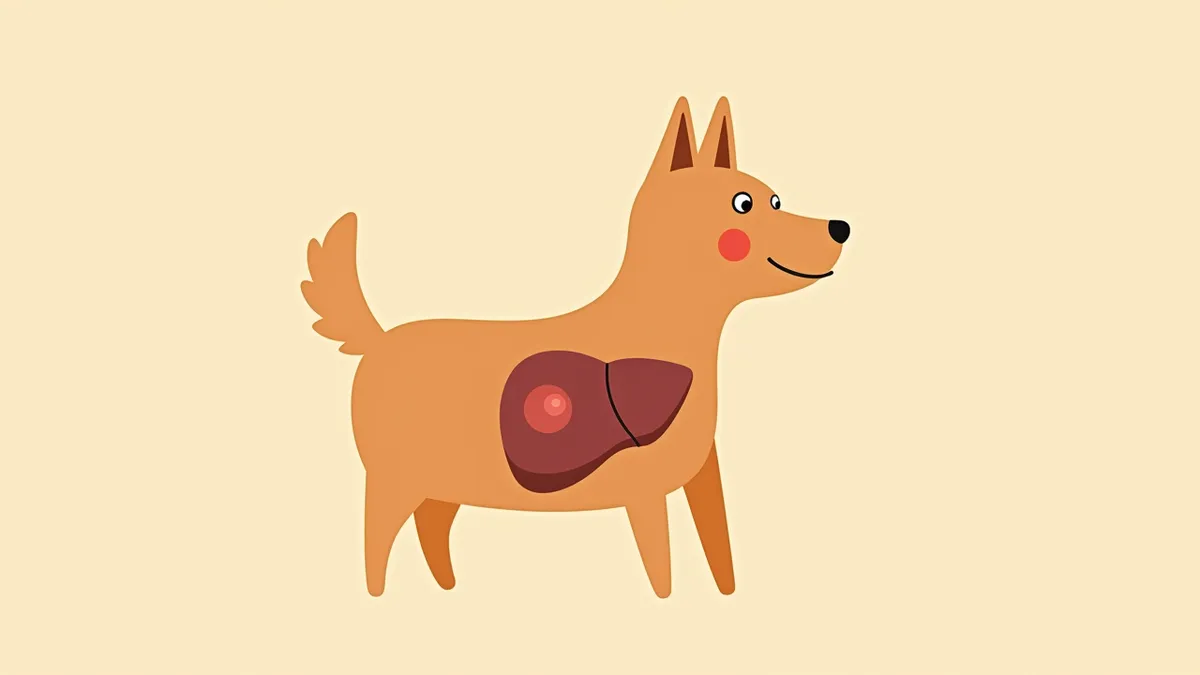
Why Do Liver Cysts Develop?
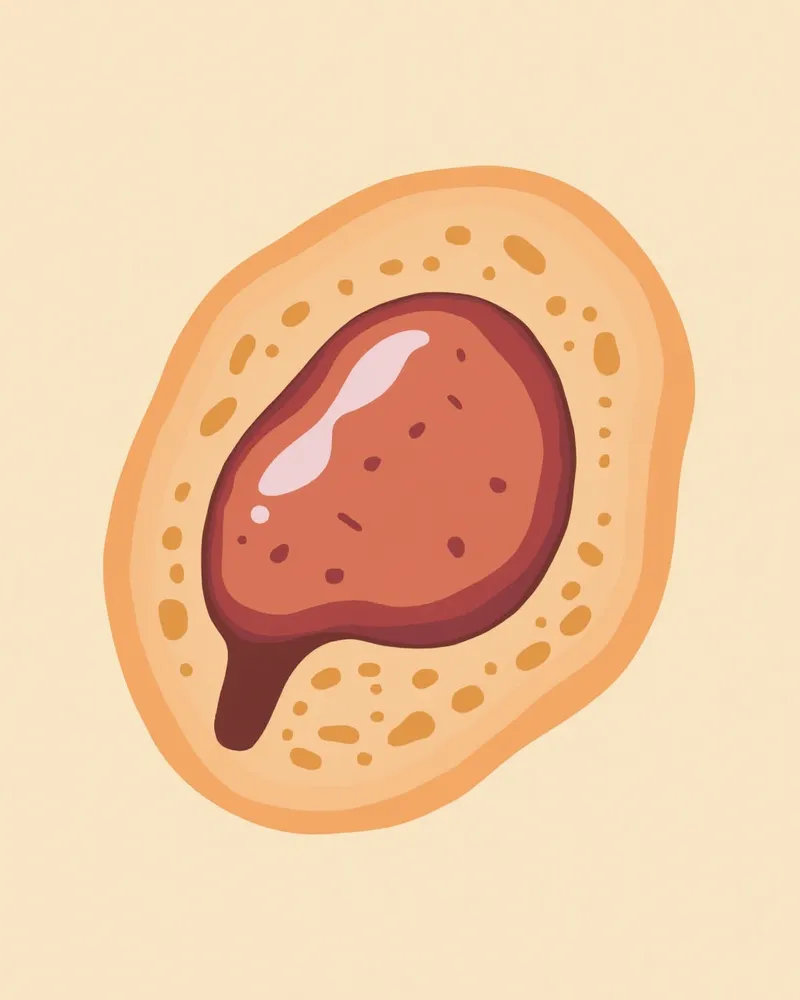
What Symptoms May Occur?

Signs Requiring Immediate Veterinary Care
If your pet suddenly develops abdominal distension, abdominal pain, severe lethargy, or jaundice, seek veterinary care immediately. These symptoms may indicate that a cyst has enlarged and is impairing liver function, or that complications such as ascites have developed.
How Are They Diagnosed?
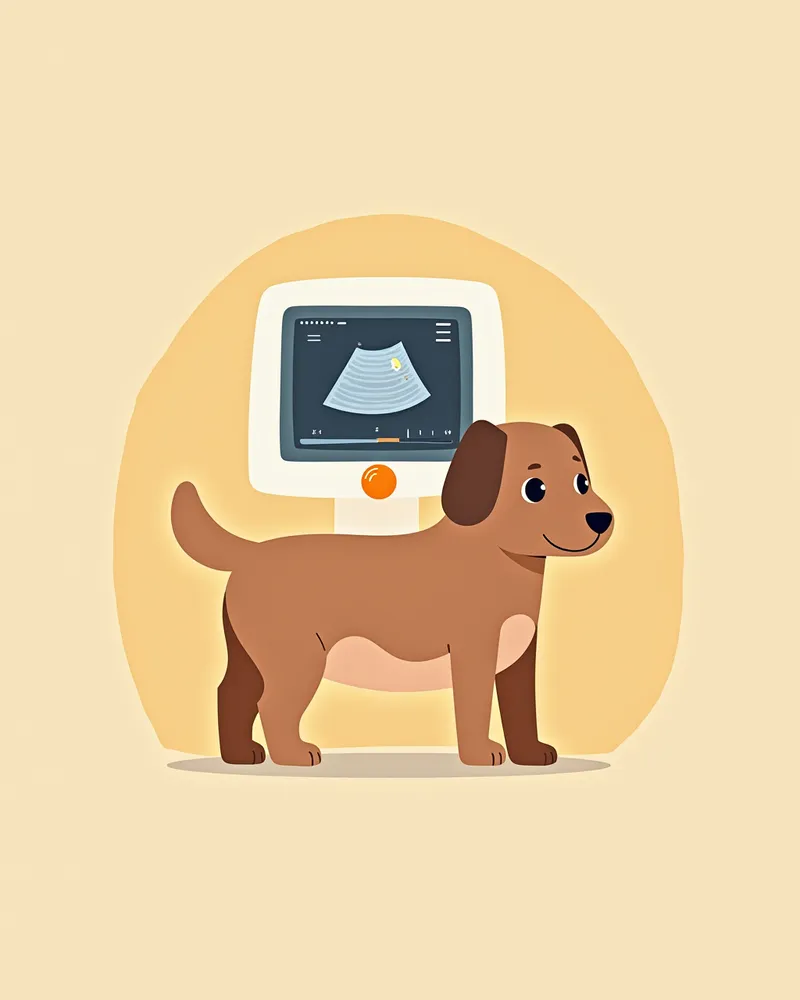
What Are the Treatment Options?

Home Management Strategies

Step-by-Step Management of Liver Cysts
| Item | Characteristics | Management Method |
|---|---|---|
| Mild | Small cyst, no symptoms | Observation with regular ultrasound examination |
| Moderate | Cyst gradually enlarging with mild changes | Ultrasound follow-up observation, veterinary consultation |
| Severe | Cyst enlarged causing liver compression, abdominal distension, decreased appetite | Consider aggressive treatment such as surgical resection |
The stage is determined by changes in cyst size and the presence of symptoms; consult your veterinarian to determine the exact criteria and treatment.
Reviewed by a veterinarian

Dr. Tony — Punnawat Phongkittirak
VeterinarianA veterinarian who majored in veterinary medicine at Khon Kaen University, Thailand, and completed the IVSA program at North Carolina State University in the United States. Drawing on clinical experience at animal hospitals, he works in the pet healthcare field and is dedicated to building a digital care environment that connects pet parents with veterinarians.
Reviewed 2026-06-07
Frequently Asked Questions
Are liver cysts in dogs cancerous?
Are liver cysts hereditary?
Can they live well without surgery?
What are the risks if a liver cyst grows larger?
Why is dietary management important?
Share
Related Guides

Top 7 Low-Protein Diets for Dogs with Liver Disease Recommended by Veterinarians — Protein Adjustment Criteria

7 Key Symptoms and Management Essentials for Canine Cholecystitis Recommended by Veterinarians

Top 5 Milk Thistle (Silymarin) Liver Supplements for Dogs — A Comparison Guide Based on Silybin Content and Absorption Rates

Dog Oral Squamous Cell Carcinoma FAQ — Key Information for Pet Owners

Canine Oral Papilloma FAQ — Key Information for Pet Owners

Dog Oral Tumors (Overview) FAQ — Key Information Every Pet Owner Should Know

Frequently Asked Questions About Canine Oral Fungal Infections — Key Information Every Pet Owner Should Know

Canine Oral Fibrosarcoma FAQ — Key Information Every Pet Owner Should Know

Dog Gingival Hyperplasia (Idiopathic & Drug-Induced) FAQ — Key Information for Pet Owners

Dog Testicular Tumors FAQ — Key Information Every Pet Owner Should Know
References
[1] Heaton, C.M. et al. (2020). Evaluation of toceranib for treatment of apocrine gland anal sac adenocarcinoma in dogs. J Vet Intern Med, 34(2):873–881.
[2] BSAVA Manual of Canine and Feline Dermatology, 4th Ed. (2021). Chapter on Anal Sac Neoplasia.
[3] Mellanby, R.J. et al. (2002). Anal sac adenocarcinoma in a Siamese cat. J Feline Med Surg, 4(4):205–207.